Card Game Strategy: How Randomness and Tactics Meet
Exploring the Interplay of Chance and Skill in Card Games
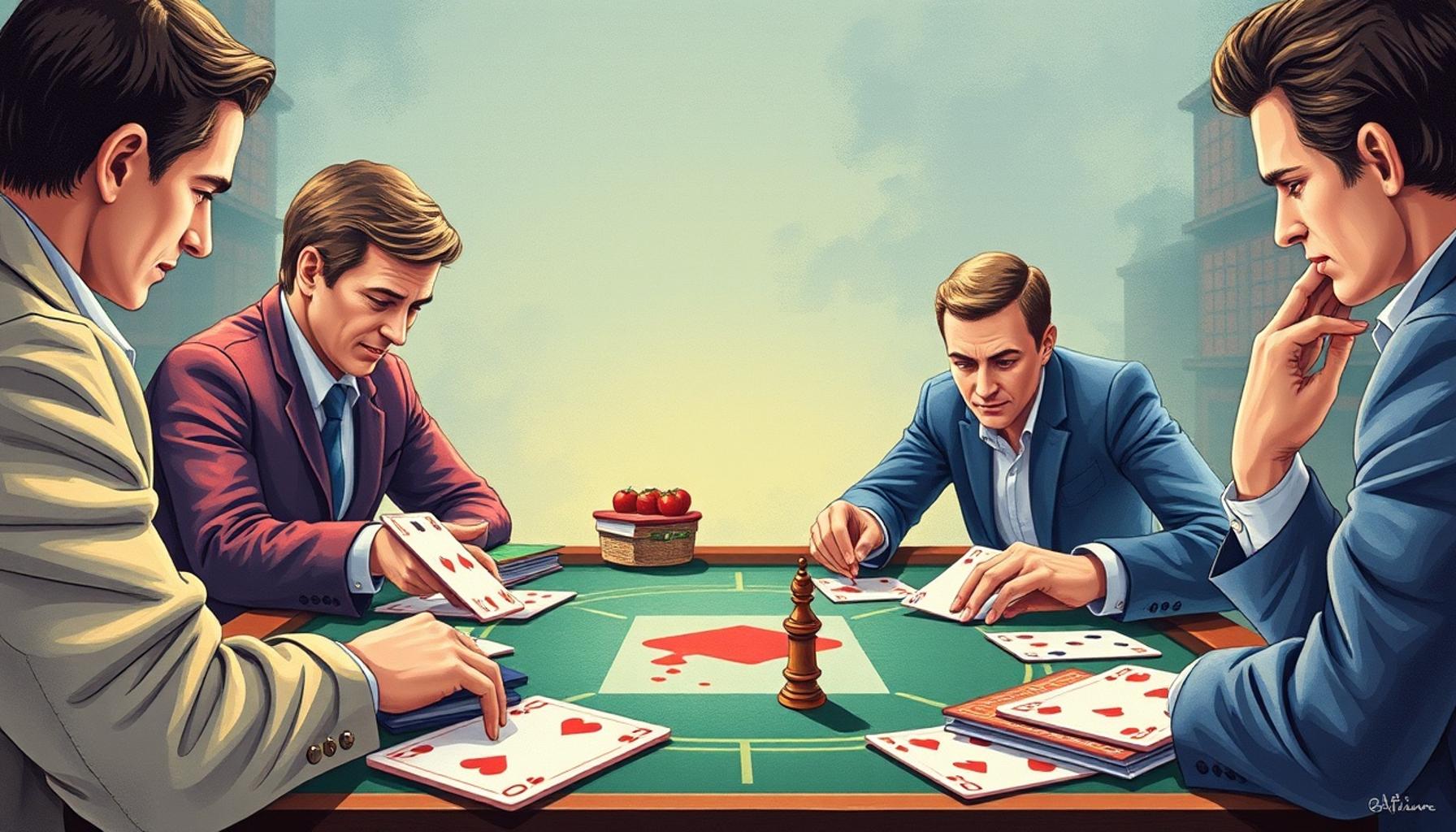
Card games have long captivated audiences with their unique blend of luck and intellect. This intricate interplay between randomness and strategy provides a rich tapestry that can elevate simple gameplay into an exhilarating challenge. Whether it’s a casual game of Uno or a high-stakes match of Texas Hold’em, understanding how these elements coexist is essential for players of all levels.
One of the most significant factors in this dynamic is the element of random card draws. In games like Blackjack, players are dealt cards randomly, affecting their chances of winning on any given turn. This aspect of chance can lead to unexpected situations where players must adapt swiftly. For instance, a skilled player may initially strategize for a certain outcome, but a poor draw can force them to rethink their entire approach. The balance between luck in card draw and skill in decision-making is what keeps these players engaged and continuously honing their craft.
Additionally, player decision-making plays a paramount role in navigating this unpredictability. The ability to read opponents, bluff effectively, or make calculated bets can dramatically sway the game outcome, regardless of luck. In Poker, for example, even a less-than-ideal hand can turn into a winning scenario with the right strategy and understanding of the game’s mechanics. The psychological aspect of these decisions introduces another layer of complexity, where players must also consider the motivations and tendencies of their opponents.
Distinct Game Mechanics and Randomness
Different card games employ randomness in diverse ways, presenting players with distinct challenges. Consider games like Magic: The Gathering, where players build customized decks filled with various cards, resulting in a wide range of potential outcomes based on the composition and draw. The strategic planning involved in deck-building opens up avenues for creativity and personal expression, while the randomness of drawing cards keeps each match fresh and unpredictable.
The game mechanics of other card games, such as Bridge or Hearts, showcase how randomness can impact cooperation and competition among players. For example, in Bridge, players partner together, and the random dealing of cards necessitates effective communication and strategy between teammates, adding another layer to the strategic challenge. Each game’s unique structure further enriches the possibilities players face, leading to an ever-evolving landscape of strategic opportunities.
The Ongoing Challenge
This ongoing dance between tactics and chance means that no two games are entirely alike, providing endless enjoyment and challenge for participants. Understanding how to capitalize on both randomness and skill can be the difference between triumph and defeat. Players are encouraged to experiment with various strategies, learn from each card dealt, and embrace the unexpected twists of fate encountered throughout their gaming experiences.
As we delve deeper into the world of card game strategy, it becomes increasingly clear that mastering this balance is an art form in itself. Players who navigate the challenges of randomness with an adaptable mind and a sharp strategy will find that card games not only present a competitive arena but also offer a chance for personal growth and intellectual stimulation.
DISCOVER MORE: Click here to delve into the psychology of brain teasers
The Mechanics of Strategy: Embracing Uncertainty
In the vibrant realm of card games, players find themselves constantly engaged in a delicate balance of strategy and unpredictability. This balance is keenly illustrated through various aspects of gameplay that dictate how randomness influences moments of tactical brilliance. To comprehend this intricate dance, one must explore a few key components: probability, risk assessment, and adaptability.
Probability plays a critical role in card game strategy, acting as the framework within which players make decisions. Understanding the odds of drawing a particular card or the statistical likelihood of an opponent holding specific cards can provide a strategic advantage. For instance, in games like Poker, savvy players calculate the probability of completing a straight or flush, shaping their betting strategy based on these calculations. Recognizing that a player has a one-in-four chance of drawing a heart from a 52-card deck can dramatically affect how one wagers and plays their hand. This analytical approach underscores the importance of numerical literacy and the ability to leverage probabilities to outmaneuver opponents.
- Card composition: Knowing the cards that have already been played informs decisions about remaining possibilities.
- Risk assessment: Weighing potential rewards against the dangers of certain plays can guide a player’s strategy.
- Emotional intelligence: Reading opponents’ body language and betting patterns can inform critical decisions.
Alongside probability, a player’s ability to perform risk assessment directly affects their success rate. Players must continually evaluate the potential upsides and downsides of their moves, influenced heavily by the randomness of their card draws. For example, a player holding a mediocre hand may choose to bluff, attempting to intimidate opponents while navigating the uncertain terrain of their own fate. Choosing when to fold or when to push forward is a fine art that intertwines the psychological with the unpredictable, producing moments of high tension and excitement.
The dynamics of card games are further complicated by the necessity of adaptability. As players react to the ever-changing landscape of the game, they must adjust their strategies in real time. A player dealt a disappointing hand must rely on their understanding of game mechanics and psychological insight to turn the tides. This adaptability can be the linchpin that separates an expert from a novice. Some high-level players make use of techniques like “table talk” in games such as Texas Hold’em, using conversational tactics to read their opponents and alter their strategic approach accordingly.
In this way, card games become a fascinating microcosm of life itself, where players must respond to both the cards they are dealt and the unpredictable actions of fellow participants. This harmonious blend of randomness and tactical foresight not only defines each game but also shapes the experiences and stories of players, ultimately creating rich, unforgettable moments at the table.
| Advantage | Description |
|---|---|
| Embraces Randomness | Card games incorporate elements of chance, making every game unique and dynamic. |
| Promotes Tactical Thinking | Players develop strategies that adapt to both their cards and the unpredictable actions of their opponents. |
| Encourages Social Interaction | Enjoying card games with friends or family cultivates communication and bonds through shared experiences. |
| Enhances Decision-Making Skills | Players learn to analyze situations quickly, weighing risks and rewards in each turn. |
Card games encapsulate a captivating blend of randomness and strategy, compelling players to think on their feet and adapt quickly. The unpredictability of card draws injects excitement into each match, while the necessity for tactical planning ensures that skill is paramount. As players immerse themselves in these games, they experience growth in critical thinking and develop a keen ability to forecast opponents’ moves. This combination of challenges fosters not just a thrilling gaming experience, but also an avenue for self-improvement and social engagement, making card games a timeless choice for various age groups and preferences. Explore this intricate relationship between chance and skill further, and you’ll discover a world enriched by both luck and strategy.
DISCOVER MORE: Click here to dive deeper
Leveraging Chance: Tactical Decision-Making Under Uncertainty
As players delve deeper into the world of card games, they quickly discover that tactical decision-making must go hand-in-hand with an understanding of randomness. Each game becomes an intricate puzzle where players piece together information based on their observations and gut feelings. This often requires a layered approach to tactics, with key strategies revolving around positioning, style adjustments, and meta-awareness.
Positioning is essential in many card games, especially in competitive settings like Poker or Magic: The Gathering. A player’s position at the table can significantly impact their strategy. For instance, a player in an early position at a Poker table needs to adopt a more conservative approach, as they will have to act before many opponents, potentially raising the risk of getting outplayed. In contrast, players who are situated in a later position can leverage the information gleaned from earlier bets to inform their decisions. Understanding how to optimize this positional awareness can lead to strategic advantages, especially when coupled with an insightful assessment of the randomness already at play.
- Reading the table: Observing how different players react can help anticipate their moves, revealing insights into their hands.
- Strategic aggression: Knowing when to be conservative and when to take calculated risks can pivot a game’s outcome.
Another critical aspect of fortifying strategy in card games involves style adjustments. As players frequently encounter different opponents with unique playstyles, adapting one’s own tactics becomes paramount. A seasoned player might choose to blend aggressive plays with conservative plays, depending on the tendencies exhibited by peers at the table. For instance, against extremely cautious players, ramping up aggression can force them into unfavorable positions. Conversely, when up against risk-takers, a player may want to employ a more passive stance, allowing the volatility of the game to create openings for exploiting mistakes.
Meta-awareness also emerges as a crucial element in card game strategy. This refers to the player’s ability to understand the larger context of the game, including the dynamics of other players’ styles, common strategies seen in the current game environment, and shifts in trends over time. For example, in collectible card games like Hearthstone, the ever-changing meta influences which decks are popular and the general trends of gameplay. A strategic player will adjust not just their deck composition but also their game strategy in response to ongoing trends, leveraging both randomness and awareness of the current state of play.
This intersection of randomness and adaptive strategy is where truly innovative plays are born. Engaging in situational tactics, being observant, and employing psychological insights afford players creative opportunities to manipulate the randomness inherent in card draws and opponent behaviors. This exploration of strategy results in a fluid gaming experience, invigorating sessions with unexpected twists and turns, ensuring that no two games are ever quite alike.
DISCOVER MORE: Click here to learn about the connection between memory and emotional intelligence
Conclusion: The Harmonious Balance of Skill and Fortune
In the dynamic realm of card games, the interplay of randomness and strategic tactics creates an exhilarating environment that challenges players at every turn. From mastering the nuances of positioning to adapting one’s playstyle based on the strengths and weaknesses of opponents, success hinges on a player’s ability to embrace uncertainty while recalibrating their approach. The beauty of card games lies in their subtle complexity, where calculated risks and informed decisions can pivot a match from certain defeat to unexpected victory.
Furthermore, by cultivating meta-awareness, players can stay ahead of the curve, adjusting their strategies not only to the current game climate but also to the unpredictable ebb and flow of luck. The more adept a player becomes at reading their opponents and interpreting the randomness of card draws, the more they can amplify their chances of triumph. This intricate dance of skill and serendipity ensures that each game remains a unique experience, rich with opportunities for innovation and creativity.
For those eager to sharpen their card game strategies, recognizing the significance of both randomness and tactical prowess is essential. Engaging deeply with these concepts not only enhances gameplay but also enriches the player’s understanding of the broader narrative woven into each round. As you explore the captivating world of card games, remember that it is this balance between fate and craftsmanship that breathes life into every shuffle and deal, inviting you to discover both your potential and the infinite possibilities ahead.
Related posts:
The Role of Strategy Games in Education: Shaping Critical Minds Since Childhood
Developing Critical Thinking: The Impact of Strategic Puzzles on Problem Solving
Unveiling the Mysteries of Strategy Exercises in Puzzles: Methods and Benefits
The Art of Negotiation: How Strategy Games Enhance Your Interactive Skills
Developing Planning Skills through Logic and Strategy Puzzles
Collaboration Strategies in Team Games: The Importance of Communication in Collective Puzzles

Linda Carter is a writer and puzzle expert specializing in mind games, brain teasers, and cognitive challenges. With extensive experience helping individuals enhance their problem-solving skills and think critically, Linda shares her knowledge on our platform. Her goal is to empower readers with practical advice, engaging puzzles, and strategies to sharpen their minds and achieve success in the captivating world of mind games and puzzles.