The Impact of Strategy Exercises in Board Games on Conflict Resolution
Understanding Conflict Through Play
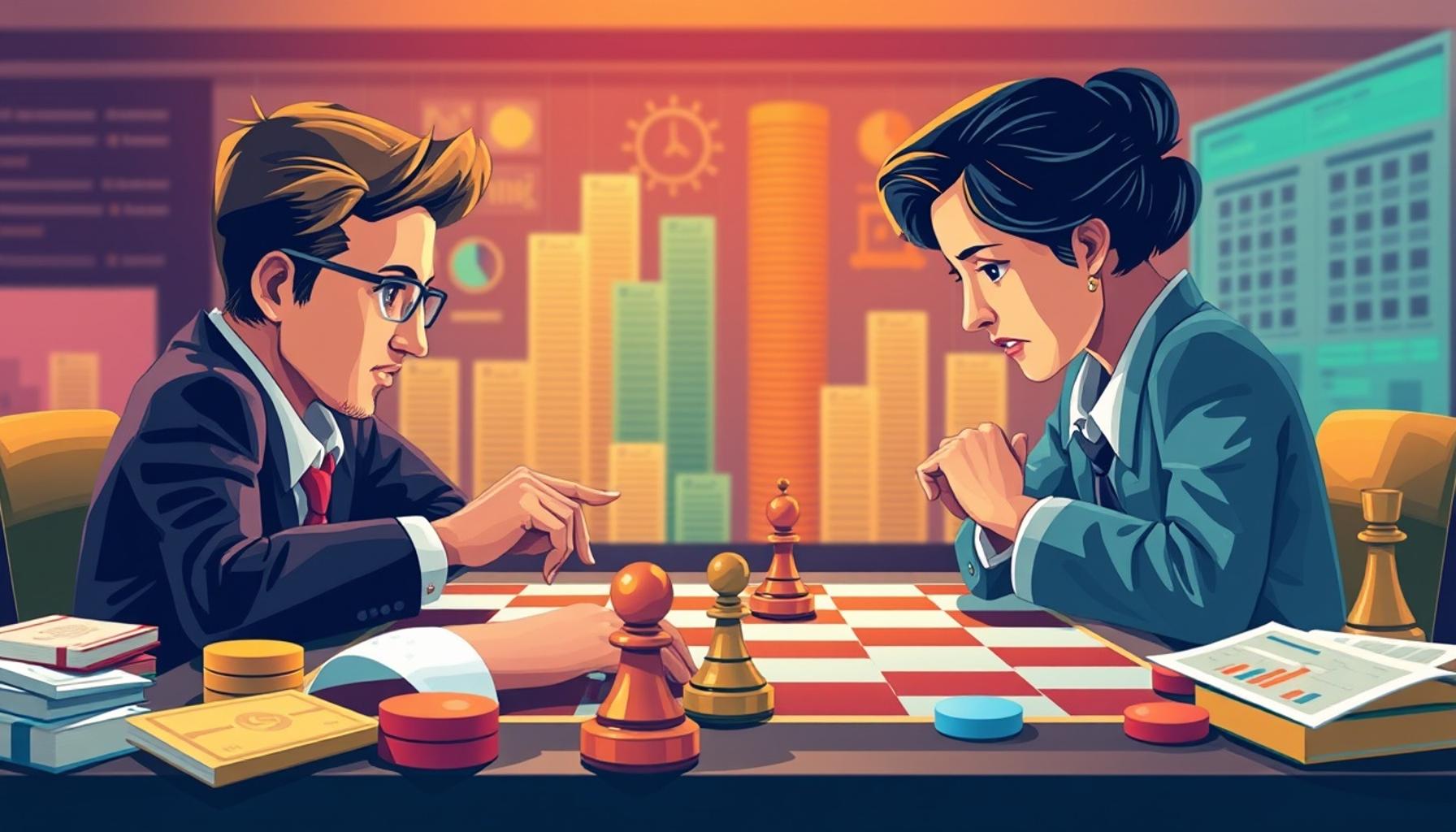
In an age characterized by fleeting digital encounters, the resurgence of traditional board games is reshaping how individuals grapple with and resolve conflicts. Stepping away from screens, these games offer a tactile, interactive experience where players can immerse themselves in scenarios that reflect genuine disputes. This hands-on approach not only cultivates strategic thinking but also mirrors the complexities of real-life challenges, fostering an environment conducive to personal growth and development.
The Essence of Strategy Games
Strategy board games stand out because they compel participants to think critically and innovate, which are essential traits in conflict resolution. Here are some key features that highlight their effectiveness:
- Critical Thinking: In games such as “Risk” or “Catan,” players must assess their opponents’ moves and analyze potential outcomes. This constant evaluation enhances their capacity to make informed decisions under pressure, an invaluable skill in heated discussions or negotiations.
- Negotiation Skills: Many strategy games rely on negotiation. For example, in “Catan,” players trade resources to gain advantages. This interaction teaches participants the importance of compromise and collaboration—core principles that can be applied to resolve disputes in everyday situations, whether at work or within families.
- Problem-Solving: Each game presents unique challenges that push players to devise creative strategies. Games like “Pandemic” require cooperative problem-solving, encouraging players to work together to devise solutions for shared challenges, ultimately reducing the adversarial nature of conflict.
Engaging in these strategy exercises cultivates transferable skills. The ability to think critically and collaborate effectively translates beyond the gaming table. In educational settings, for instance, teachers have turned to board games as valuable teaching tools, helping students address conflicts, enhance their communication skills, and build empathy among peers.
Broader Implications
Research supports the idea that board games can significantly improve interpersonal dynamics. Studies have shown that when participants engage in friendly competition, it can lead to reduced aggression and increased feelings of camaraderie. As players navigate challenges and strategize, they learn to appreciate diverse perspectives. This appreciation fosters an atmosphere ripe for productive dialogue, making it more likely for individuals to find common ground.
Moreover, board games can initiate timely discussions about conflict and how to manage it. During family game nights, discussions often evolve around life lessons related to winning, losing, and the importance of respect—values that strengthen familial bonds and develop emotional intelligence.

In conclusion, traditional board games serve as a microcosm for understanding and resolving conflicts. They not only provide entertainment but also offer a rich terrain for personal development and emotional growth. As individuals engage in these ancient forms of play, they unlock skills that are critical for navigating the complexities of human interaction in an increasingly interconnected yet often digitally isolated world.
DISCOVER MORE: Click here to delve deeper
Learning Conflict Resolution Skills Through Strategy Games
As society evolves, the way in which we approach conflict resolution continues to transform. Traditional board games, often viewed as nostalgic pastimes, are making a significant comeback and warrant exploration for their profound implications on conflict management skills. These games are more than mere entertainment; they serve as dynamic platforms for players to engage in simulated conflicts, making them remarkably effective in fostering essential skills that aid in real-life dispute resolution.
Engagement and Emotional Intelligence
One of the most striking impacts of strategy exercises found in board games lies in their ability to enhance emotional intelligence. Players must navigate through their interactions with others, cultivating an awareness of their own emotional states as well as those of their opponents. This engagement fosters self-regulation and empathy, enabling players to consider multiple perspectives during disagreements. For instance, in games such as “Diplomacy,” players must form alliances and discern when to trust others, reflecting real-world scenarios where relationships and interpersonal dynamics are key to resolving conflicts.
Moreover, emotional intelligence gained from these games translates into various aspects of life, particularly within workplace environments. According to a study conducted by the International Journal of Conflict Management, individuals with higher emotional intelligence tend to exhibit superior conflict management skills, leading to more successful negotiations and teamwork dynamics. Strategy games provide an accessible and enjoyable way for people to practice and hone these skills, paving the way for conflict resolution mastery.
Social Interaction and Team Dynamics
Another vital aspect of strategy exercises in board games is their capacity to promote social interaction. In an era where face-to-face communication is increasingly rare, board games invite players to engage in face-to-face conflict scenarios, refining their social skills. Participating in such interactive experiences helps build valuable relationships among players, creating a sense of community. As players work collaboratively to strategize and achieve common objectives, they develop a shared understanding of each other’s strengths and weaknesses, enabling more effective communication and cooperation.
The social dynamics formed during gameplay often mirror instances of conflict resolution in real life. Players learn how to navigate competition, cooperate, and negotiate through gameplay elements. Additionally, board games encourage players to exercise patience, an imperative skill in both resolving conflicts and building long-lasting friendships. This element of patience, drawn from engaging with others, allows players to approach real-life conflicts with a tempered mindset, reducing impulsive reactions that may exacerbate disputes.
Learning from Wins and Losses
Another fundamental attribute of strategy board games is the inevitable learning curve associated with both victories and defeats. Players not only strategize to win but also learn valuable lessons about accepting losses gracefully, reflecting on strategies, and adjusting their approach for future encounters. These experiences promote resilience, as individuals learn to cope with setbacks and view conflict as an opportunity for growth rather than merely a challenge. By teaching players to reflect and adapt, games cultivate a mindset that is crucial for effective conflict resolution.
In this way, board games offer a unique lens into the complexities of human interaction. As players engage in strategy-driven scenarios, they inherently develop skills that extend beyond the gaming table, empowering them to address conflicts thoughtfully in their everyday lives. With the insights gained from these playful interactions, individuals can navigate the intricate landscape of resolutions with greater ease and understanding.
The Impact of Strategy Exercises in Board Games on Conflict Resolution
Strategy exercises in board games have shown to foster critical skills for effective conflict resolution. By immersing players in scenarios where they must devise plans, negotiate, and assess risks, these games create a unique environment for practicing decision-making under pressure. Players learn the importance of perspective-taking, which enhances empathy and understanding toward conflicting viewpoints. This experiential learning translates into real-world situations, making it easier for individuals to navigate disputes constructively.
Moreover, the social nature of board games promotes teamwork and collaboration. Engaging in healthy competition encourages individuals to articulate their thoughts and defend their positions while also respecting the opinions of others. Such an environment for strategic thinking helps players develop crucial skills, such as communication, negotiation, and emotional intelligence. These skills are vital not only in personal conflicts but also in professional settings, where teamwork can make or break a project.
Interestingly, research indicates that players who regularly partake in strategy board games exhibit improved problem-solving abilities and adaptability. The dynamic nature of these games requires players to think on their feet and adapt to new information rapidly, mirroring real-life conflict scenarios. This ability to pivot and reassess one’s strategy in response to changing conditions is fundamental in resolving disputes effectively.
To illustrate these points further, here’s a summary table that outlines the specific advantages of utilizing strategy exercises in board games for enhancing conflict resolution skills:
| Category | Description |
|---|---|
| Skill Development | Cultivates critical thinking, negotiation, and emotional intelligence. |
| Collaboration | Encourages teamwork and mutual respect during competitive play. |
Understanding the robust relationship between strategy exercises in board games and effective conflict resolution can inspire individuals and organizations alike to adopt these engaging tools as practical training methods. The lessons learned on the board can have profound implications, making players not just better strategists, but also more astute conflict resolvers in their daily lives.
DIVE DEEPER: Click here to uncover the benefits of Sudoku
Building Critical Thinking and Problem-Solving Abilities
At the heart of many strategy board games lies the necessity to develop critical thinking and problem-solving skills. Players are frequently confronted with multifaceted challenges that require them to analyze situations, forecast the potential outcomes of their actions, and respond adaptively to changing scenarios. This experience empowers participants to think strategically, weighing options and consequences before making decisions. In games like “Settlers of Catan,” players are tasked with resource management and negotiation, teaching them to evaluate risks and rewards while considering the implications of their interactions with other players.
The ability to think critically is a cornerstone of effective conflict resolution. Research from the Harvard Negotiation Project suggests that individuals who can effectively analyze situations tend to engage in more productive negotiations, ultimately leading to mutually satisfactory outcomes. By engaging in strategy games, players fine-tune these skills in a low-stakes environment, providing them the freedom to experiment with strategies and learn from failures without the repercussions found in real-life conflicts.
Encouraging Creative Compromise
Furthermore, strategy exercises in board games promote an environment where creative compromise becomes crucial. As players strive to achieve their objectives, they often find themselves in competitive situations where optimal outcomes require engaging in negotiations and making concessions. Games such as “Carcassonne,” where players expand territories and seek to control areas, underscore the importance of collaboration to achieve individual goals. Players must weigh their ambitions against those of others, leading to inventive alliances or trades that resolve in-game disputes.
This practice is invaluable in nurturing the ability to compromise in real-life conflicts. A report from the American Psychological Association indicates that the art of compromise can significantly reduce tension and lead to more amicable resolutions. By gaining firsthand experience in shaping agreements that satisfy multiple parties, individuals develop a toolkit for managing disagreements that transcends beyond the scope of the games themselves.
The Role of Strategy Games in Social Skill Development
Alongside critical thinking and compromise, board games play a vital role in developing social skills essential for conflict resolution. Players often engage in dialogue, present arguments, support their positions, and sometimes even engage in friendly banter. This healthy exchange stimulates effective communication, teaching players the importance of articulation and clarity in conveying their views. Games like “7 Wonders” compel players to articulate intentions clearly, strategize openly with others, and listen effectively to the needs and concerns of their opponents.
Moreover, the time spent playing strategy games strengthens existing friendships and fosters new connections. These social bonds created during gameplay can provide a support network in navigating real-life conflicts. A study published in the Journal of Social and Personal Relationships highlights that positive social interactions during leisure activities lead to enhanced conflict resolution capabilities. Thus, the relationships built through board games extend beyond the game night, forming opportunities for collaborative conflict resolution in various aspects of life.
Examining Real-World Applications
As we delve into the applicability of skills derived from board games in real-world scenarios, it becomes clear that the lessons learned are transferable. Many professionals within corporate settings and educational institutions have embraced strategy games as tools for team-building and conflict resolution training. A report by the Project Management Institute indicates that organizations utilizing strategy-oriented gaming tend to see improved teamwork, better communication, and reduced workplace conflicts.
This shift towards activating game mechanics in professional development underscores the recognized value of strategy exercises in cultivating conflict resolution skills. The dynamics experienced in board games not only prepare individuals to address conflicts in a structured and imaginative manner but also emphasize the importance of collaboration, resilience, and adaptability, elements crucial for success across various life domains.
DISCOVER MORE: Click here to learn how memory tests can enhance your daily life</p
Conclusion: Leveraging Strategy Games for Effective Conflict Resolution
In summary, the exploration of strategy exercises in board games reveals their profound impact on enhancing conflict resolution skills. Through engaging in these interactive experiences, players not only develop critical thinking and problem-solving abilities but also cultivate important social skills that are pivotal for navigating disputes. The ability to analyze complex situations, weigh the implications of actions, and engage in meaningful dialogue forms a solid foundation for addressing conflicts in both personal and professional spheres.
The emphasis on creative compromise in games, such as “Carcassonne” and “Settlers of Catan,” illustrates that competition does not preclude collaboration. Instead, it often necessitates it, prompting players to negotiate and forge alliances that yield mutually beneficial outcomes. This dynamic fosters a mindset that values compromise as an essential part of conflict resolution in the real world.
Moreover, as organizations increasingly incorporate strategy games into team-building and conflict training, the relevance of these lessons escalates. Ultimately, the time spent at the game table translates into vital insight that extends beyond play, equipping players with the tools needed to confront disagreements with creativity, resilience, and adaptability. By recognizing the significant role that board games play in enhancing conflict resolution capabilities, individuals and groups can leverage these experiences to foster healthier, more productive relationships both in and out of the gaming context.
Related posts:
The Art of Negotiation: How Strategy Games Enhance Your Interactive Skills
Mind Games and the Psychology of Strategy: How Cognitive Challenges Influence Decision-Making
The Role of Strategy Games in Education: Shaping Critical Minds Since Childhood
The Evolution of Strategy Games: From Tradition to Innovation in Modern Puzzles
Strategies for Solving Logic Games: How Puzzles Enhance Reasoning Ability
Collaboration Strategies in Team Games: The Importance of Communication in Collective Puzzles

Linda Carter is a writer and puzzle expert specializing in mind games, brain teasers, and cognitive challenges. With extensive experience helping individuals enhance their problem-solving skills and think critically, Linda shares her knowledge on our platform. Her goal is to empower readers with practical advice, engaging puzzles, and strategies to sharpen their minds and achieve success in the captivating world of mind games and puzzles.