Collaboration Strategies in Team Games: The Importance of Communication in Collective Puzzles
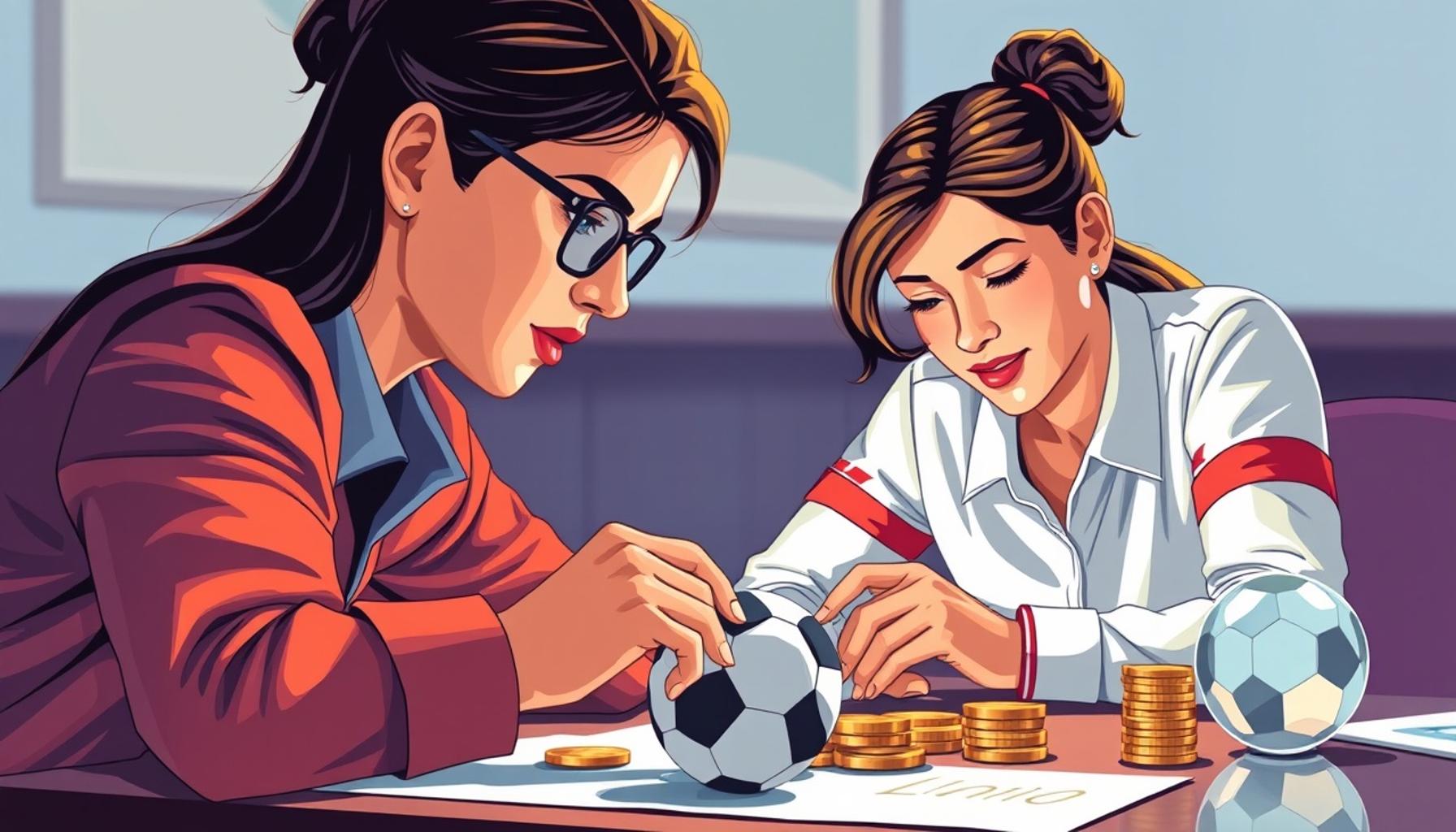
Understanding Collaboration in Team Games
In the dynamic realm of team games, the phrase “there’s no I in team” takes on new significance. Success often requires the collective efforts of individuals who work in harmony towards a shared objective. This intricate dance of collaboration hinges on a few critical collaboration strategies, but none are more vital than effective communication. Teams that effectively communicate, whether in sports, board games, or video games, often leave their less cohesive counterparts in the dust.
To appreciate the nuances of collaboration, let us examine several key aspects that serve as the foundation for teamwork:
- Clear Roles: When team members understand their distinct responsibilities, it streamlines efforts towards the collective goal. In soccer, for instance, each player’s position comes with specific duties—where a striker aims at scoring goals, a defender focuses on preventing them. This clarity eliminates confusion, allowing every player to focus on executing their part to perfection.
- Active Listening: Fostering an environment where team members feel heard is crucial. For instance, during a basketball game, a player calling for the ball must ensure their teammates are aware of their position. When players actively listen to each other’s input and feedback, it strengthens bonds and enhances overall team dynamics, leading to improved performance on the court.
- Feedback Mechanisms: Constructive criticism is essential for growth. In competitive environments, teams that create a culture of feedback can adjust strategies swiftly. For example, after a game, players might discuss what worked and what didn’t. Coaches often encourage such dialogues allowing teams to refine their tactics—essential for any competitive environment.
The significance of communication in these contexts cannot be overstated. It acts as a sturdy backbone, supporting all collaborative efforts. Consider classic team sports like basketball: the frequent calls, signals, and non-verbal cues not only boost performance but also cultivate trust among players, an essential ingredient for any successful team.
Moreover, the realm of gaming, particularly in genres like multiplayer online battle arenas (MOBAs), underscores the vital role of synchronized actions facilitated through strategic conversations. A prowess in communication can lead to mastering intricacies that might spell the difference between victory and defeat. For instance, in games like League of Legends, teams that effectively coordinate attacks and defenses through voice and text chats often outperform those who do not engage in detailed discussions.
As we explore further into this fascinating subject, we will uncover effective methods and strategies for enhancing teamwork across various games. Through a deeper understanding of collaboration, teams can aspire to foster more cohesive dynamics, ultimately driving successful outcomes in their collective endeavors.
DIVE DEEPER: Click here to discover strategies for enhancing your reasoning skills
Key Elements of Effective Communication in Team Games
Effective communication in team games serves as the lifeblood of collaboration. Without it, even the most talented individuals may struggle to achieve a common goal. The ability to convey and interpret messages accurately not only enhances a team’s performance but also cultivates a positive atmosphere that encourages innovation and resourcefulness. Various elements contribute to successful communication in team settings, each deserving attention for its role in fostering collaboration.
- Shared Language and Terminology: Developing a common lexicon for communication can significantly enhance understanding among team members. In sports, for example, terms like “switch,” “pick-and-roll,” or “fast break” have specific meanings. Familiarity with such terms allows for quick, efficient communication during high-pressure moments. In video gaming, players often create abbreviations or slang that ease communication, enabling swift decision-making in fast-paced environments.
- Non-Verbal Communication: Body language, gestures, and visual cues can convey important information without a single word being uttered. For instance, in football, a subtle nod from a quarterback can signal to the receiver to adjust their route. Such non-verbal cues can work in tandem with verbal instructions, producing a seamless flow of interaction that enhances coordination and performance.
- Establishing Communication Protocols: Teams benefit significantly from setting clear communication procedures. This includes designated signals during games, specific times for feedback sessions, or structured methods for reporting strategies. By establishing these protocols, team members know when and how to communicate crucial information, reducing chaos during gameplay.
- Empathy and Understanding: No one can underestimate the value of emotional intelligence in teamwork. Understanding each team member’s strengths, weaknesses, and communication styles can lead to more meaningful interactions. When players empathize with one another, they create a cooperative environment where everyone feels valued, thereby increasing engagement and collective effort.
The emphasis on dialogue extends beyond sports and competitive gaming. In a collaborative board game scenario, effective communication can mean the difference between triumph and failure. Players must strategize together, exchanging ideas while being mindful of the game’s evolving state. Games like Pandemic or Codenames require that players constantly articulate their thoughts clearly, demonstrating that strategic dialogue is just as vital in board game settings as it is in sports arenas or gaming platforms.
In summary, the pathways of communication are manifold, but their integration is key to enhancing collaboration strategies in team games. Mutual understanding, awareness of body language, and clear communication protocols serve not only to elevate gameplay but also to build lasting relationships among team members. As we delve deeper into specific strategies, we will uncover actionable steps teams can take to fortify their communication methods and ultimately improve their chances of victory.
Collaboration Strategies in Team Games: The Importance of Communication in Collective Puzzles
In the realm of team games, effective communication is the cornerstone for success. Team members must be equipped with a variety of collaboration strategies that enhance their performance during collective puzzles. These strategies foster an environment where each participant feels valued and empowered to contribute their ideas. For instance, using clear signals and predefined keywords can streamline communication, reducing the chances of misunderstandings.Moreover, establishing roles within the team enhances focus and responsibility, ensuring that each member knows what is expected of them. This clarity not only boosts individual confidence but also strengthens the team’s overall cohesion. Regular check-ins and feedback loops further facilitate open dialogue, enabling players to adjust their strategies in real-time during gameplay.Additionally, incorporating technology, such as communication apps, can revolutionize how teams interact, especially in larger and more complex puzzles. By allowing for instant messaging and file sharing, these tools keep everyone engaged and informed, no matter their physical location. Emphasizing these collaboration methods not only improves game performance but also builds essential life skills such as teamwork, adaptability, and problem-solving.
| Category 1 | Category 2 |
|---|---|
| Communication Techniques | Using specific keywords and signals to enhance clarity. |
| Role Definition | Assigning tasks to improve focus and accountability within the team. |
| Tech Integration | Utilizing apps for real-time updates and team coordination. |
By combining these strategies, teams can significantly enhance their collaborative efforts in achieving their goals during team games. This intricate interplay of communication and strategy not only nurtures a competitive spirit but also cultivates long-lasting friendships, making every game experience memorable and impactful.
DIVE DEEPER: Click here to uncover more about brain teasers and learning
Fostering Collaboration Through Active Listening and Feedback
As crucial as it is to convey ideas effectively, the other half of meaningful communication lies in active listening. This practice is vital in ensuring team cohesion and an understanding of differing perspectives. In high-stakes moments, where quick decisions can lead to victory or defeat, taking the time to truly listen to teammates can maximize the synergy of collaborative strategies. When individuals express their ideas, concerns, and suggestions, listening attentively allows others to build on these thoughts, fostering a richer dialogue that can spawn innovative approaches.
One notable example can be found in basketball. The most successful teams often feature players who prioritize listening to each other’s insights during gameplay. A point guard, for instance, must synchronize their style of play with the needs of the forwards. By actively listening, the point guard can discern when to facilitate plays or when to take charge—they adapt to their teammates’ dynamics based on feedback received during games. This adaptability is a crucial strategy that enhances a team’s overall performance.
The Role of Structured Debriefing Sessions
Implementing structured debriefing sessions is another effective strategy for improving communication within teams. After a game or practice, teams can benefit from gathering to discuss what went well and what could be improved. This process encourages constructive feedback and establishes a culture of open communication, where all members feel comfortable sharing their thoughts without fear of reprisal. In Ultimate Frisbee, for instance, teams often hold post-game discussions to assess strategies and communication efficacy during matches. These insights lay the groundwork for making adjustments that can potentiate success in future games.
Moreover, debriefing sessions can stimulate team bonding, fostering trust among players. This trust is essential; in many gaming contexts, such as cooperative video games, successes depend not only on individual skills but on how well players anticipate each other’s moves and coordinate their strategies seamlessly.
Utilizing Technology for Enhanced Communication
In the digital age, technology offers new platforms that cater to improving communication strategies in team games. Tools like team collaboration apps and video conferencing software enable players to discuss tactics, share gameplay footage, and analyze performance asynchronously. During the COVID-19 pandemic, for example, many esports teams adopted platforms like Discord to maintain communication and strategize remotely. These technologies allow teams to preserve and build their foundation of communication, even when physically apart, proving that geographical barriers are no longer an obstacle to effective collaboration.
Furthermore, many video games incorporate built-in communication tools that enhance strategic dialogue. For instance, team-based shooters like Overwatch encourage players to utilize voice chat to convey immediate threats or possible tactical shifts in real time. Such platforms facilitate a fluid exchange of ideas that is essential in high-paced environments where quick thinking is paramount.
Ultimately, embracing a multifaceted approach to enhancing communication within team settings can significantly improve collaboration strategies. From active listening and structured debriefing sessions to leveraging technology, these elements work together to empower teams in achieving collective success. As we continue to explore other aspects of teamwork, it becomes increasingly evident that fostering these communication practices can transform how a team interacts, evolves, and ultimately triumphs in the competitive landscape of team games.
DIVE DEEPER: Click here to uncover the science behind memory
Conclusion: The Vital Role of Communication in Team Game Success
In the intricate world of team games, the significance of communication strategies cannot be overstated. Effective collaboration hinges on the ability of team members to share ideas, listen actively, and provide constructive feedback. Whether on the basketball court, in a boardroom, or competing in an esports arena, the ability to articulate thoughts and understand teammates greatly influences overall performance and success.
Moreover, techniques such as structured debriefing sessions and the use of technology like communication apps further enhance the quality of interaction among team members. These tools not only foster openness and trust but also strengthen the fabric of teamwork, allowing for adaptive strategies that can pivot based on real-time insights. The thoughtful integration of these elements helps teams move beyond mere coordination, allowing for a dynamic interplay of skills and creativity that spells the difference between winning and losing.
<pAs the landscape of team games continues to evolve, embracing comprehensive communication strategies will remain critical to achieving excellence. Coaches, players, and organizers must recognize the essential role of conversation and collaboration to elevate their game. In doing so, they will not only enhance individual performance but also create a culture of teamwork that can overcome even the most formidable challenges. As we delve deeper into the realm of collective puzzles, let us keep the importance of communication at the forefront, enabling teams to thrive together and master the art of collaboration.
Related posts:
Strategy Exercises in Digital Games: How Video Games Stimulate Analytical Thinking
Competition and Collaboration: The Dynamics of Strategy Exercises in Board Games
Developing Planning Skills through Logic and Strategy Puzzles
Strategies for Solving Logic Games: How Puzzles Enhance Reasoning Ability
The Art of Strategy: How Board Games Develop Critical Thinking Skills
The Role of Strategy Games in Education: Shaping Critical Minds Since Childhood

Linda Carter is a writer and puzzle expert specializing in mind games, brain teasers, and cognitive challenges. With extensive experience helping individuals enhance their problem-solving skills and think critically, Linda shares her knowledge on our platform. Her goal is to empower readers with practical advice, engaging puzzles, and strategies to sharpen their minds and achieve success in the captivating world of mind games and puzzles.