
The Role of Strategy Games in Education: Shaping Critical Minds Since Childhood
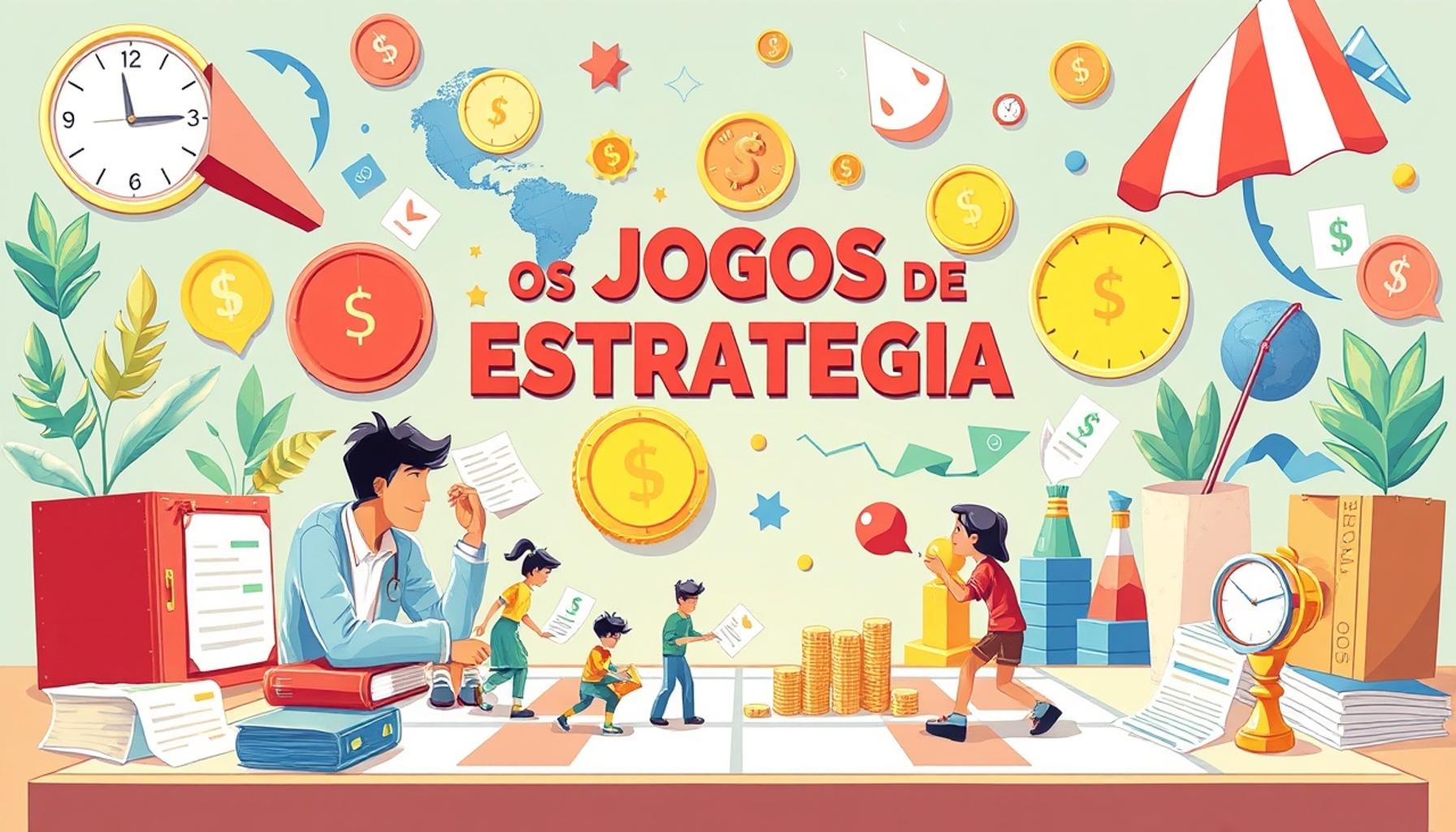
The Power of Strategy Games in Education
In our increasingly digital landscape, the impact of strategy games is being recognized beyond the realm of entertainment. These games represent a unique intersection of fun and learning, engaging players in a way that traditional educational methods often cannot. By immersing students in complex, challenging scenarios, strategy games become instrumental in developing crucial cognitive skills from an early age.
The educational benefits of strategy games are manifold, each contributing to a more rounded development of essential life skills. Let’s delve deeper into these advantages:
- Critical Thinking: Strategy games require players to assess situations critically, weighing options and outcomes to make well-informed decisions. For instance, games like “Civilization” challenge players to think several steps ahead, simulating real-world leadership and governance issues. This kind of analytical thinking is directly transferable to academic subjects, particularly in sciences and humanities.
- Teamwork: Many strategy games, such as “Overcooked” and “League of Legends,” emphasize the importance of collaboration. Players must coordinate efforts and communicate effectively to succeed, thereby fostering interpersonal skills. These experiences teach students that success often hinges on collective rather than individual effort, mirroring real-world work environments.
- Resource Management: Through strategic gameplay, players learn to allocate limited resources wisely to achieve specific goals. In “StarCraft,” for example, players must manage units, finances, and technology to defeat opponents. This introduces concepts of budgeting and resource allocation, which are fundamental in business and economics.
Research has bolstered the argument for integrating strategy games into educational frameworks. Studies show that students who partake in strategy-based learning demonstrate notable improvements in mathematics and logic, outperforming their peers who solely engage in conventional teaching methods. This could be attributed to the engaging formats of these games that make complex ideas more accessible.
Furthermore, engaging with strategy games keeps students intrigued, often leading to increased classroom participation and enthusiasm for learning. These games provide safe environments for experimentation, allowing students to fail and learn from their mistakes—essential components for building resilience and adaptability, qualities that are invaluable in a rapidly changing job market.
Beyond academic settings, the skills acquired through strategy games prepare students for future challenges in an increasingly complex world. As technology continues to evolve, the ability to navigate intricate social and professional landscapes will become paramount. Thus, encouraging a deeper exploration of strategy games as educational tools is not just relevant; it is crucial for equipping the thinkers and leaders of tomorrow with the necessary skills to thrive in their future endeavors.
DISCOVER MORE: Click here to dive deeper
Enhancing Cognitive Skills Through Strategy Games
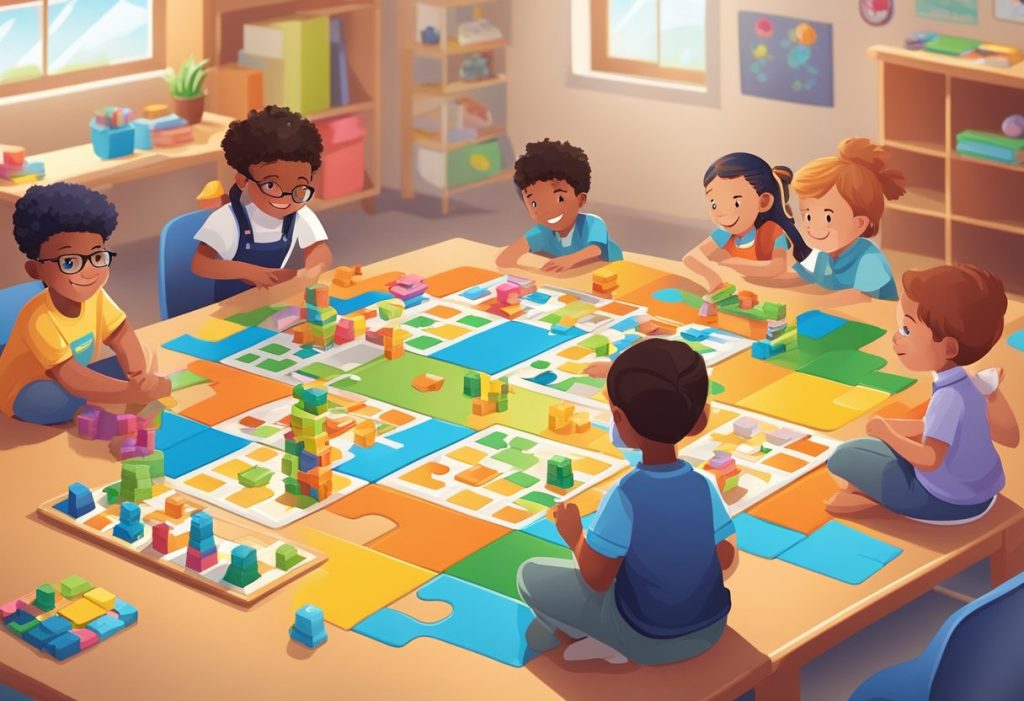
The allure of strategy games stretches far beyond mere entertainment; they serve as powerful tools for cognitive development in education. By engaging young minds in thoughtful gameplay, these games lay the groundwork for critical thinking and problem-solving skills that are essential in academic settings and beyond. Through the lens of strategy games, education transforms from a passive learning experience into an interactive journey.
The mechanics of strategy games inherently challenge players to think critically and creatively. When students immerse themselves in games like “Chess” or “Age of Empires,” they must constantly evaluate their surroundings, anticipate opponents’ moves, and adjust strategies on the fly. This kind of mental exercise translates directly to academic success, particularly in subjects requiring logical reasoning, such as mathematics and science. By honing their ability to analyze information and develop strategies, students prepare themselves for complex problem-solving that they will encounter in school and later in life.
Additionally, the challenge of strategizing fosters a unique form of motivation. Players quickly learn that success is not guaranteed; it is earned through careful planning, perseverance, and adaptation to the unpredictable nature of gameplay. This realization instills a growth mindset, encouraging persistence in the face of challenges, a trait that is invaluable in both academic pursuits and lifelong learning. Educators have noted a significant increase in classroom engagement and a deeper willingness to tackle difficult topics among students who regularly play these games.
Another critical aspect of strategy games is their ability to enhance social skills through collaboration. Many games require players to work in teams or form alliances, illustrating the importance of communication and cooperation. For instance, team-based games like “Fortnite” promote strategic discussions and joint decision-making. When students collaborate in these settings, they gain firsthand experience in diplomatic negotiation and compromise, skills that will be crucial in their future careers. According to studies, students who engage in collaborative strategy gaming often excel in group projects and leadership roles in school settings.
- Decision Making: Players must constantly make choices, sometimes under time pressure, leading to improved decision-making skills.
- Adaptability: The dynamic nature of games teaches students the necessity of being flexible and adjusting to new circumstances.
- Strategic Planning: Players learn to set long-term goals and devise plans to achieve them, mirroring the goal-setting processes taught in academic environments.
Furthermore, research has shown that students who incorporate games into their learning routines exhibit enhanced engagement with the curriculum. A Harvard study found that students using strategy games scored higher on assessments in subjects like math and science compared to those who did not utilize these methods. This evidence supports the idea that strategy games possess the potential to bridge the gap between theoretical knowledge and practical application, enriching the educational experience.
As we continue to navigate a world rife with complexities, it becomes increasingly clear that incorporating strategy games into education is not only innovative but essential. The earlier children begin to cultivate these skills, the more equipped they will be to face the multifaceted challenges of adulthood. This has sparked a growing interest among educators and parents alike, urging them to reevaluate traditional teaching methods and embrace the educational potential of strategy gaming.
The Influential Impact of Strategy Games in Educational Contexts
Strategy games have increasingly gained recognition as effective tools in educational settings, fostering essential skills and attributes in children from a young age. These games not only serve as a source of entertainment but also provide a rich environment for cognitive development. Engaging in strategy-based activities demands critical thinking, problem-solving, and planning, which are key competences for success in various aspects of life. Incorporating strategy games into educational curricula promotes collaborative learning, as players often work in teams to accomplish shared goals. This collaboration encourages interpersonal communication and helps children develop social skills by navigating group dynamics. Additionally, the competitive element inherent in many strategy games instills a sense of motivation and perseverance as players learn from both victory and defeat, leading to increased resilience.Moreover, these games can improve decision-making capabilities. As children are faced with choices that impact their outcomes, they learn to weigh risks against potential rewards. This experience is invaluable in a real-world context where similar evaluations are frequently required. Furthermore, strategy games can stimulate the creative thinking necessary for innovative problem-solving. Players must devise unconventional methods to overcome obstacles, fostering an environment conducive to original thought.As the educational landscape evolves, the integration of technology becomes paramount. Many strategy games offer digital formats that align with today’s tech-savvy youth, enhancing engagement and accessibility. This evolution invites educators and parents to reconsider the traditional methods of teaching and explore the pedagogical potential these games possess.In summary, the role of strategy games in education cannot be understated, as they effectively shape critical minds and lay the groundwork for a well-rounded intellectual foundation. Children who partake in these enriching experiences carry forward valuable skills that can profoundly impact their academic and life trajectories.
| Benefits | Aspects |
|---|---|
| Enhanced Critical Thinking | Encourages problem-solving and strategic planning. |
| Improved Collaboration Skills | Fosters teamwork and communication among peers. |
| Increased Motivation | Promotes a competitive yet constructive environment. |
| Real-World Decision Making | Teaches evaluation of risks and consequences. |
These benefits highlight the multifaceted advantages of strategy games, making them an essential component of a modern educational approach aimed at nurturing critical minds.
DISCOVER MORE: Click here to learn about enhancing your reasoning skills
Fostering Emotional Intelligence Through Strategic Play
The benefits of strategy games in education extend beyond cognitive development; they also play a pivotal role in fostering emotional intelligence among students. In an era where social-emotional learning is gaining recognition, understanding oneself and others becomes increasingly important. Strategy games create spaces for players to confront emotions, both their own and those of others, thus enhancing empathy and self-regulation.
Players are often faced with challenging scenarios that evoke a variety of emotions, from frustration to triumph. Whether losing a critical piece in “Chess” or struggling to maintain resources in “Civilization,” students learn to navigate setbacks while experiencing the highs of victory. This cycle of success and failure cultivates resilience, encouraging students to reflect on their emotional responses and develop coping mechanisms. Studies indicate that children who engage in strategic gaming exhibit enhanced emotional regulation, equipping them to manage stress and anxiety in academic environments.
Furthermore, the collaboration that many strategy games require accentuates the necessity of emotional awareness. In multiplayer games, players must not only strategize but also interpret cues from their teammates and opponents. This social interaction fosters the ability to recognize others’ feelings and perspectives, which is key to effective teamwork and negotiation. According to a 2022 report from the American Psychological Association, children who regularly participate in strategy games often score higher in assessments measuring their ability to relate to peers and form meaningful connections.
- Conflict Resolution: Players learn to manage disagreements and work towards mutually beneficial solutions, skills valuable in both academic settings and life beyond school.
- Empathy Development: Engaging with diverse characters and roles in games can profoundly enhance a player’s understanding of perspectives different from their own.
- Self-Reflection: Strategy gaming encourages players to analyze their choices, fostering a mindset that values introspection and personal growth.
The integration of technology into education, particularly through strategy games, also addresses the modern shift towards digital literacy. As students navigate complex game mechanics and digital environments, they enhance their technical skills, which are increasingly vital in today’s job market. A report from the Bureau of Labor Statistics predicts that digital skills will become a prerequisite for nearly 77% of all jobs by 2030. Strategy games, whether played on traditional boards or modern devices, provide a platform for students to develop these essential skills through lived experiences rather than rote memorization.
Additionally, strategy games can be tailored to educational content, merging curriculum with gameplay for a more engaging learning experience. Educators are crafting games that align with educational standards, embedding historical events or scientific principles within gameplay mechanics. For example, games like “SimCity” not only entertain but also teach students about urban planning, environmental science, and economics in a way that is experiential and engaging. This approach illustrates the potential for strategy games to transform the curriculum into an interactive platform, making learning memorable and relevant.
The longitudinal impact of playing strategy games is now becoming evident as former players enter the workforce. Research conducted at Stanford University indicates that adults who played strategy games during their formative years are more effective leaders, showcasing enhanced skills in decision-making and team motivation. As educational institutions recognize the broader implications of introducing strategy games to younger generations, the conversation around enhancing critical thinking, emotional intelligence, and digital literacy continues to grow.
DIVE DEEPER: Click here to discover more
Conclusion: A New Era of Learning
In conclusion, the integration of strategy games into the educational landscape offers a transformative approach to learning that goes beyond traditional methods. These games have proven to be rich educational tools that foster not only cognitive skills but also emotional intelligence, collaboration, and resilience among students. As children engage with complex problem-solving scenarios, they cultivate critical thinking capabilities that prepare them for the challenges of the modern world.
The broader implications of strategic play emphasize the necessity of integrating digital literacy within educational frameworks, ensuring students are proficient in navigating technology that will play a pivotal role in their futures. With reports indicating that nearly 77% of jobs will require digital skills by 2030, it is imperative that educators recognize the role of strategy games as a bridge between traditional learning and the demands of the workforce.
Furthermore, a commitment to incorporating strategy games into curricula reflects a holistic approach to education, where history, science, and emotional growth can coexist within the playful and interactive environment these games create. As former players demonstrate enhanced leadership and decision-making abilities in their careers, it becomes clear that the skills gained from playing strategy games extend far beyond the classroom.
The conversation surrounding the use of strategy games in education continues to evolve, advocating for a paradigm shift that celebrates engaging and innovative learning experiences. By embracing these tools, we are not just shaping individual critical minds but building a foundation for a more thoughtful, empathetic, and capable future generation.
Related posts:
Strategies for Solving Logic Games: How Puzzles Enhance Reasoning Ability
Developing Planning Skills through Logic and Strategy Puzzles
Unveiling the Future: How Strategy Exercises in Mind Games Can Enhance Decision-Making in Critical S...
Developing Critical Thinking: The Impact of Strategic Puzzles on Problem Solving
The Art of Strategy: How Board Games Develop Critical Thinking Skills
Collaboration Strategies in Team Games: The Importance of Communication in Collective Puzzles

Linda Carter is a writer and puzzle expert specializing in mind games, brain teasers, and cognitive challenges. With extensive experience helping individuals enhance their problem-solving skills and think critically, Linda shares her knowledge on our platform. Her goal is to empower readers with practical advice, engaging puzzles, and strategies to sharpen their minds and achieve success in the captivating world of mind games and puzzles.