
Deconstructing Modern Puzzles: The Influence of Technology on Logical Challenges

Engaging with the Evolving World of Puzzles
Throughout history, puzzles have served not only as enjoyable pastimes but also as tools for enhancing cognitive abilities. The modern age has brought about significant changes in the nature of puzzles, introducing electronic and interactive formats that expand the traditional boundaries of logical challenges.
Take, for example, the rise of online escape rooms. These virtual adventures have grown tremendously in popularity, allowing players to solve intricate puzzles while immersed in storylines from the comfort of their homes. With the integration of various apps, players can escape to exotic locations, inspect virtual environments, and unlock clues through teamwork and strategic thinking. For instance, a group of friends scattered across the country can participate in an online escape room, each contributing their skills and insights to solve a mystery together.
AI-powered logic games represent another groundbreaking advancement in puzzle creation. These games adjust their complexity in real time, offering an individualized experience for each player. As users engage with the puzzles, artificial intelligence analyzes their performance and either raises or lowers the difficulty, keeping the challenge fresh and entertaining. This personalized approach not only enhances engagement but also allows players to develop their problem-solving skills progressively.
Mobile puzzle apps have also transformed how enthusiasts interact with puzzles daily. With a plethora of options available, users can explore everything from Sudoku and crosswords to more intricate brainteasers. These apps connect a global community, where players can share solutions, exchange tips, and even compete against one another, creating an inclusive and competitive atmosphere.
The Role of Technology in Puzzle Design
advancements have changed the face of puzzles, particularly through functions like real-time collaboration. Players can join forces irrespective of distance, allowing friends and family to work together in solving intricate problems, promoting social interaction and teamwork. Additionally, augmented reality (AR) is revolutionizing the puzzle landscape by providing an immersive experience that merges digital content with the physical world. Envision exploring a hidden treasure in your living room, aided by virtual clues projected onto your actual surroundings; this captivating blend of reality and fantasy deepens engagement.
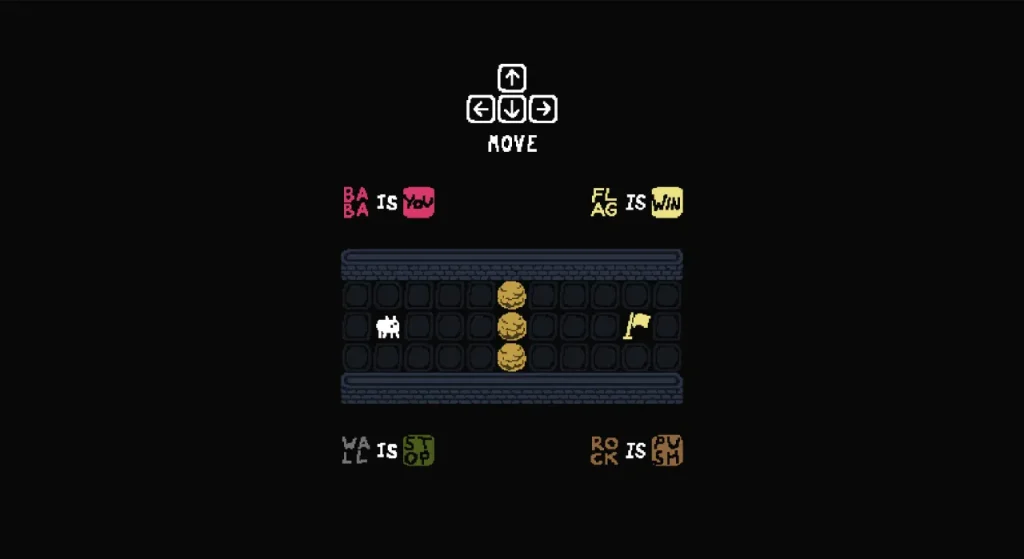
Data analytics is another critical element driving improvements in puzzle design. Game developers utilize data to track player behavior, gathering insights that inform future releases. Understanding which puzzles captivate players or where they commonly face difficulties allows designers to create more enjoyable and challenging experiences. This constant cycle of feedback and development keeps puzzles relevant and stimulating, inviting enthusiasts to return time and again.
The intersection of technology and puzzles not only enhances user experience but also challenges our traditional understanding of logical reasoning. As these innovations unfold, they beckon us to explore deeper facets of problem-solving and engage with puzzles in ways we have yet to fully imagine. The future of puzzles is not just about entertainment—it’s a dynamic playground for mental development and social interaction.
DISCOVER MORE: Click here to delve deeper
Redefining Traditional Formats: The Digital Puzzle Revolution
As we delve into the realm of modern puzzles, a compelling transformation in design and interaction emerges. Traditional formats such as jigsaw puzzles and crosswords, once confined to the pages of newspapers and the confines of our dining tables, are evolving into dynamic platforms thanks to technology. At the heart of this renaissance is the integration of digital interfaces that invite players to engage with puzzles in unprecedented ways.
One of the most significant shifts is the introduction of gamification strategies into puzzle-solving. Developers are increasingly incorporating game-like elements such as levels, achievements, and rewards to enhance user engagement. Players are motivated by these features, leading to increased time spent on puzzles and a rewarding sense of accomplishment upon completion. For example, mobile apps like Words With Friends and QuizUp have transformed basic word puzzles into social competitions, allowing users to challenge friends and even strangers worldwide.
Furthermore, the implementation of cloud technology has made puzzles more accessible than ever before. Rather than being confined to a physical format, puzzles can now be stored, shared, and played across various devices. Players can start a puzzle on their tablet at home and continue it on their smartphone while commuting, creating a seamless experience that fosters life-long enjoyment. This connectivity also encourages cross-generational trickery: older adults and younger family members can connect over shared puzzles, bridging the gap between different age groups.
Enriching User Experience Through Interactivity
The advent of technology has not only changed how puzzles are shared but has also significantly enhanced the experience of solving them. A growing trend is the use of interactive elements that involve multi-sensory engagement. For example, many mobile puzzle games now feature sound effects, visual animations, and even haptic feedback, aiming to create a more immersive experience. Players can feel a rumble from their device as they complete a challenging section of a puzzle or hear satisfying sounds as they click pieces into place.
- Enhanced graphics: With high-quality visuals, players can enjoy puzzles that come to life, with vibrant colors and intricate designs that replace the traditionally static formats.
- Virtual rewards: Players can unlock special features, customized avatars, or themed puzzles that resonate with trends and seasonal events, adding novelty and excitement to the experience.
- Community involvement: Features such as puzzle-building contests or collaborative challenges foster a sense of belonging, as players can mix creativity with competition.
As we continue to explore the implications of technology on logical challenges, it becomes clear that modern puzzles are transcending their original constraints. They are evolving into innovative formats that are educational, entertaining, and socially engaging. The future of puzzles lies not only in the challenge they present but also in the community they build—making solving puzzles a shared journey, refined by advancements in technology.
Understanding the Intersection of Technology and Puzzles
The evolution of technology has fundamentally transformed how logical challenges and puzzles are conceived and engaged with. Today, puzzle enthusiasts are not just confined to paper and pen; they can immerse themselves in dynamic environments that enhance problem-solving experiences. Modern apps and software have introduced new realms of interactivity, making puzzle-solving not only more accessible but also more engaging. For instance, consider the rise of online escape rooms, which blend intricate narratives, technology, and collaborative problem-solving in ways traditional puzzles could not achieve. These digital platforms utilize algorithms to create unique challenges that scale in difficulty, catering to diverse skill levels and allowing users to experience puzzles in a more personalized manner. Furthermore, augmented reality (AR) and virtual reality (VR) technologies are pioneering fresh ways to interact with puzzles. They create immersive experiences that demand critical thinking, collaboration, and a deep understanding of logical reasoning.Moreover, the accessibility of data and information on the internet has inspired an expansion of the puzzle genre. Crowdsourced platforms allow enthusiasts to share their creations with a global audience, fostering a community that thrives on innovation and creativity. This democratization of puzzle-making encourages even novice creators to participate, resulting in a diverse array of challenges that reflect varied cultures, languages, and problem-solving methods.As we delve deeper into the influence of technology on logical challenges, it becomes evident that we are not just witnessing a shift in format but in the way humans approach problem-solving itself. The infusion of technology into puzzles is reshaping our cognitive processes, encouraging new strategies, enhancing learning opportunities, and igniting a renewed passion for logical challenges.
| Category | Description |
|---|---|
| Interactivity | Apps and software enhance engagement through real-time feedback. |
| Immersive Experiences | AR and VR technologies provide dynamic environments for puzzle-solving. |
Through these innovative approaches, the impact of technology on puzzles transcends mere entertainment, evolving into a sophisticated art form that challenges logic, creativity, and intellectual engagement. As the digital landscape continues to expand, the puzzle community stands on the brink of exciting new developments, inviting all to partake in this ongoing evolution.
DIVE DEEPER: Click here to unlock your creativity
Artificial Intelligence: Shaping the Next Generation of Puzzles
In recent years, the role of artificial intelligence (AI) in puzzle design has emerged as a game-changer. AI algorithms are capable of learning from player behaviors and preferences, enabling them to create personalized and adaptive challenges. This technology tailors puzzles to individual skill levels, adjusting the difficulty in real-time based on the player’s progress. As a result, puzzle enthusiasts of all ages can enjoy custom experiences that match their abilities, making puzzles more inclusive than ever.
One example of AI-driven puzzle design can be found in educational apps, such as Prodigy Math and Duolingo. These platforms leverage AI to generate puzzles that not only challenge users but also enhance learning outcomes by aligning closely with each user’s goals. Players receive feedback and suggestions, creating an iterative learning environment that seamlessly blends entertainment with education.
The Impact of Online Communities on Puzzle Culture
The rise of the internet and social media has significantly transformed the puzzle culture landscape. Online forums, social media groups, and dedicated puzzle websites have enabled enthusiasts to gather, share tips, and collaborate on solving intricate challenges. This enhances the overall puzzle experience and fosters a vibrant community where players can interact and exchange ideas.
- Collaborative Platforms: Websites like Puzzlemaker allow users to create and share their puzzles, encouraging creativity and innovation. These platforms empower users to showcase their problem-solving skills while promoting community engagement.
- Social Media Influence: The use of platforms like Instagram and TikTok has created a buzz around trendy puzzle formats and challenges, often resulting in viral phenomena that attract new puzzle enthusiasts. For instance, the #PuzzleChallenge hashtag has inspired countless users to showcase their completed puzzles in unique and creative ways.
- Online Competitions: Digital platforms host annual puzzle competitions, drawing participants globally. Events like the World Puzzle Championship and themed tournaments bring together avid puzzlers, allowing them to test their skills against the best in the world while creating a sense of camaraderie.
Moreover, the accessibility of mobile games allows players to participate in competitions remotely, eliminating geographical barriers while increasing participation rates. Technology has, thus, redefined the landscape of puzzle-solving, allowing for unprecedented levels of community interaction.
The Future of Puzzles: Embracing Virtual and Augmented Reality
Emerging technologies such as virtual reality (VR) and augmented reality (AR) are poised to revolutionize the way people experience puzzles. Imagine donning a VR headset and stepping into a life-sized puzzle world where each piece corresponds to a tangible object in a 3D environment. This immersive experience can transform puzzle-solving into an adventure, allowing players to physically interact with their surroundings.
AR applications, such as Pokémon GO, show the potential of integrating puzzles within real-world contexts. Imagine solving a hidden riddle while navigating through a city, or piecing together clues in a historical monument. Such applications marry gaming with exploration, offering players unique experiences blended with mystery and intrigue.
As technology continues to advance, the future of puzzles will open new pathways for engagement and creativity, allowing players to engage with challenges in novel ways that align with the demands of their modern lives. The evolution of puzzles, fueled by technological innovation, promises to remain a captivating journey into the art of logical challenges.
DIVE DEEPER: Click here to learn about effective collaboration strategies
Conclusion: The Future Landscapes of Puzzles in a Digital Age
As we delve into the complexities of modern puzzles, it is evident that the influence of technology is reshaping our understanding and engagement with logical challenges. From the rise of artificial intelligence crafting personalized puzzle experiences to the formation of global online communities that foster collaboration and competition, the puzzle landscape is evolving at an unprecedented pace. This dynamic shift not only enhances accessibility but also deepens the connection between players and the puzzles they love.
Moreover, the incorporation of virtual reality (VR) and augmented reality (AR) technologies promises to take puzzle-solving into new dimensions, providing immersive environments that transform challenges into interactive adventures. These innovations highlight not just a change in format but signify a broader cultural shift towards experiential learning and entertainment that engages users more holistically.
As technology continues to evolve, the potential for puzzles to adapt and flourish will undoubtedly grow. Puzzle enthusiasts are invited to embrace these changes, recognizing that the art of puzzle-solving is no longer confined to traditional boundaries. Instead, it is becoming a multifaceted experience, intertwined with educational opportunities, social interactions, and creative exploration. In this light, the future of puzzles appears not only bright but also filled with exciting prospects for engaging with logical challenges in ways we have yet to imagine. As we stand at the intersection of technology and creativity, it beckons us to unlock new types of puzzles that inspire and challenge the mind, ensuring that this age-old pastime remains relevant in our ever-evolving digital world.
Related posts:
The Evolution of Logical Challenges Throughout History: From Ancient Structures to Modern Games
Logical Challenges in Teams: Strengthening Collaboration Through Reasoning Games
The Science Behind Logic Games: How They Enhance Creativity and Problem Solving
Logical Challenges and Mental Health: How Solving Puzzles Can Reduce Stress
Unraveling Logical Challenges: How to Improve Your Reasoning Skills
Classical Logical Challenges: History and Evolution of Mind Games

Linda Carter is a writer and puzzle expert specializing in mind games, brain teasers, and cognitive challenges. With extensive experience helping individuals enhance their problem-solving skills and think critically, Linda shares her knowledge on our platform. Her goal is to empower readers with practical advice, engaging puzzles, and strategies to sharpen their minds and achieve success in the captivating world of mind games and puzzles.