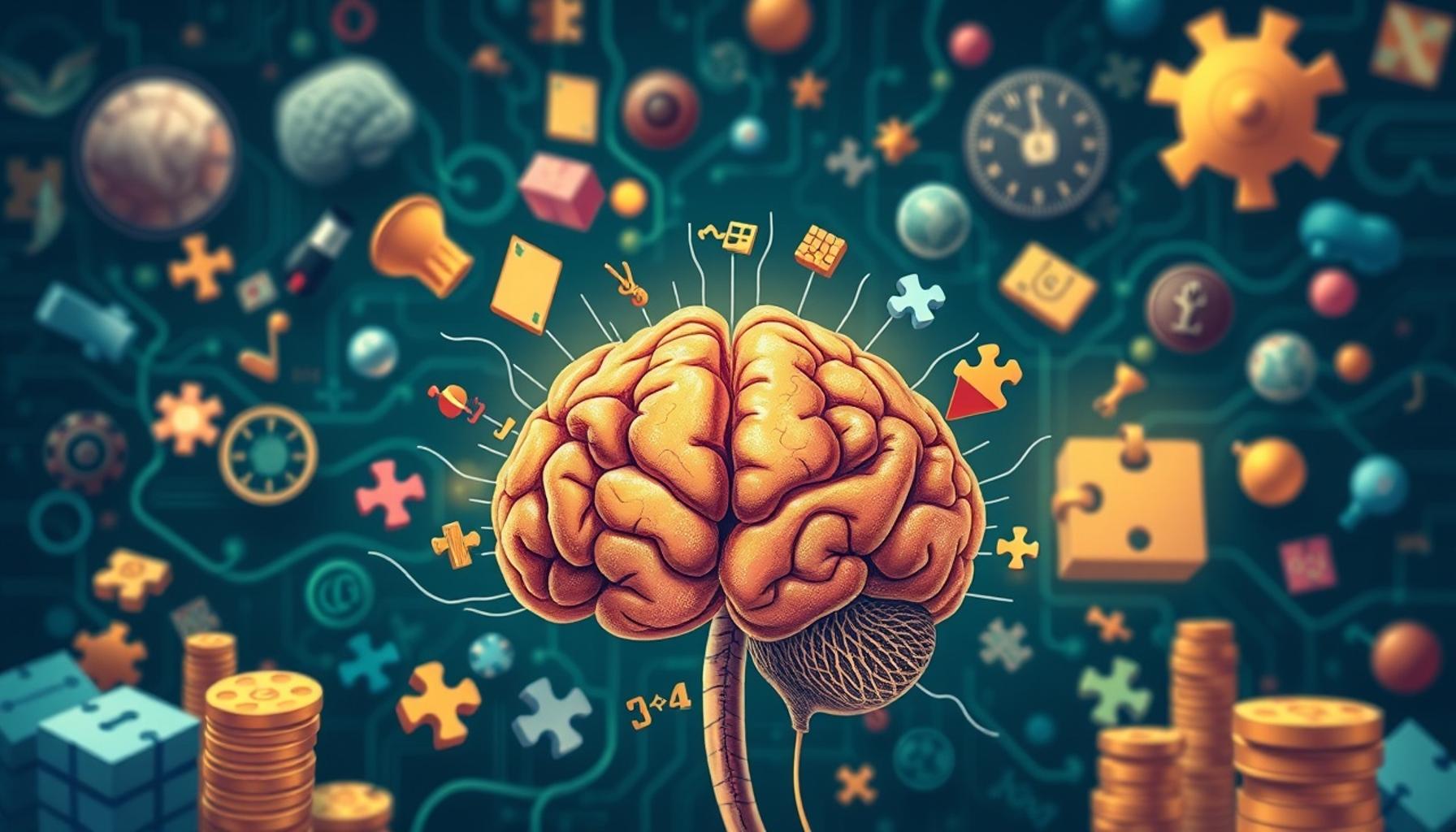
Unraveling Logical Challenges: How to Improve Your Reasoning Skills
Enhancing Your Mind: The Art of Reasoning
In today’s fast-paced society, where we are constantly bombarded with information, enhancing your reasoning skills is imperative. The ability to think logically influences many aspects of life—from professional decisions and personal dilemmas to everyday discussions and debates. Strong reasoning skills not only promote clarity but also foster deeper understanding between individuals and elevate the quality of communication across various contexts.
Why Reasoning Skills Matter
Improving your reasoning skills can offer a plethora of advantages that can significantly transform your life. Consider the following benefits:
- Better Decision-Making: A critical aspect of reasoning involves analyzing information and weighing potential outcomes. For instance, when faced with a job offer, an individual can list pros and cons while critically assessing each element’s impact on their personal and professional life. Such structured decision-making helps to reduce uncertainty and fosters confidence in the choices made.
- Enhanced Problem-Solving: Life is riddled with challenges that require creative solutions. By refining your reasoning skills, you can approach problems from multiple angles. For example, a manager faced with declining team performance might apply analytical thinking to identify the root cause, facilitating the development of effective strategies to boost morale and productivity.
- Increased Persuasiveness: The art of crafting compelling arguments hinges on logical reasoning. Whether you are debating a policy at a town hall meeting or simply trying to persuade a friend to join you for an outing, being able to support your views with sound reasoning not only reinforces your position but also enhances your credibility in discussions.
Despite how critical these skills are, many individuals still experience difficulty navigating logical reasoning challenges. Factors such as emotional biases, the overwhelming nature of misinformation, and insufficient practice can obstruct clear thinking. For instance, someone might align their opinions based on emotional responses rather than factual evidence, which can lead to flawed reasoning. Acknowledging these barriers is the first step towards improving your reasoning capabilities.
Unlocking Your Potential
This article aims to explore a variety of techniques and exercises tailored to enhance your reasoning skills, ultimately empowering you to navigate life’s complexities with greater ease. These may include critical thinking strategies such as the Socratic method—which emphasizes questioning assumptions and seeking deeper truths—and practical exercises like engaging in debates or solving puzzles designed to stimulate logical thought.
Equipped with the right tools and techniques, you can sharpen your reasoning skills and significantly enhance your ability to tackle life’s intricate challenges. As you embark on this journey of development, prepare to discover new insights and unlock your full potential in both personal and professional realms.

DISCOVER MORE: Click here to deepen your understanding
Tools for Transformative Thinking
Enhancing your reasoning skills requires dedication and the strategic use of various tools designed to sharpen your thought processes. Engaging with diverse methodologies not only strengthens your ability to analyze situations critically but also fosters adaptability in a rapidly changing world. Here are several effective methods that can help you unravel logical challenges:
1. The Socratic Method
The Socratic method is a time-honored approach that encourages deep questioning and discourse. Named after the ancient Greek philosopher Socrates, this technique involves posing open-ended questions to stimulate critical thinking and illuminate ideas. By questioning assumptions, individuals learn to avoid the pitfalls of cognitive biases, helping them to navigate complex scenarios more effectively. You might begin by asking, “What do I really know about this topic?” or “What evidence supports my viewpoint?”
2. Engage in Debates
Participating in structured debates is an excellent way to improve your reasoning skills. Engaging in discussions where you have to defend a position on a contentious issue can help clarify your thought processes and sharpen your argumentative techniques. Here are some key advantages of debate practice:
- Critical Thinking Development: Articulating your thoughts under pressure requires quick assessment and logical reasoning, reinforcing mental agility.
- Understanding Different Perspectives: Exposure to opposing views encourages empathy and broadens your understanding of complex issues.
- Confidence Building: Regular participation enhances your public speaking and persuasion skills, giving you the confidence to present your ideas clearly.
3. Solve Logic Puzzles and Games
Engaging in logic puzzles and games, such as Sudoku or chess, can serve as a powerful exercise to hone your reasoning abilities. These activities challenge your mind, encouraging you to think several steps ahead, evaluate possible outcomes, and deduce solutions systematically. The more you practice, the sharper your logical thinking will become. You might start with a daily Sudoku puzzle or join a local chess club to stimulate your mind regularly.
4. Study Formal Logic
Diving into the study of formal logic can greatly enhance your capability to reason effectively. Understanding the principles that govern logical thinking—like syllogisms, logical fallacies, and deductive reasoning—provides a foundational framework that equips you to dissect arguments critically. Resources are widely available, from textbooks to online courses, making it accessible for anyone willing to invest time in comprehending this essential facet of reasoning.
Integrating these methods into your daily routine can lead to significant improvements in your reasoning skills. By acknowledging the challenges involved in logical thinking and adopting these techniques, you’re not just preparing yourself to solve problems—you are actively cultivating a mindset geared towards continuous learning and personal growth.
Exploring Logical Challenges in Everyday Life
Understanding Logical Fallacies
In the realm of reasoning, one often encounters logical fallacies that can derail our thought processes. Identifying these fallacies is crucial as they can lead to misguided conclusions. For instance, the “straw man” fallacy occurs when an argument is misconstrued to make it easier to attack. By recognizing such errors in reasoning, individuals can enhance their critical thinking skills and respond more effectively to arguments.
The Role of Cognitive Biases
Cognitive biases play a significant role in shaping our reasoning. These are systematic patterns of deviation from norm or rationality in judgment. For instance, the “confirmation bias” leads individuals to favor information that confirms their pre-existing beliefs while disregarding contradictory evidence. By becoming aware of these biases, you can train your mind to approach problems with a more balanced perspective.
Engaging with Puzzles and Games
One effective method to bolster reasoning skills is engaging with puzzles and logical games. Activities such as Sudoku, chess, or brain teasers not only provide entertainment but also stimulate your cognitive functions, enhancing problem-solving abilities. As a bonus, these challenges promote mental agility and can be a fun way to collaborate with others who share similar interests.
Educational Resources and Workshops
Numerous resources are available for individuals looking to improve their reasoning skills. Various online platforms offer courses focused on critical thinking and logic. Additionally, engaging in workshops or discussion groups can provide a platform for exchanging ideas and tackling logical challenges collectively, thereby enriching the learning experience.
| Category 1 | Category 2 |
|---|---|
| Logical Fallacies | Understanding common reasoning errors, such as the straw man fallacy, enhances critical thinking. |
| Cognitive Biases | Awareness of biases like confirmation bias allows for a more balanced perspective in reasoning. |
Value of Feedback and Discussion
Engaging in regular discussions and soliciting feedback on arguments can significantly elevate one’s reasoning capacity. Analyzing different viewpoints and constructing counterarguments fosters a deeper understanding of various issues. Through discussions, individuals can practice articulating their thoughts more clearly and addressing logical inconsistencies in a structured manner. Frequent interactions in diverse groups can also expand one’s mindset, allowing for continuous growth in reasoning skills.By focusing on these areas, individuals can not only enhance their reasoning abilities but also gain the confidence to engage in challenging conversations, making them more adept at navigating complex logical scenarios.
DIVE DEEPER: Click here to learn more
Embracing Techniques for Enhanced Reasoning
In addition to the methods previously discussed, there are several other techniques that can significantly contribute to strengthening your reasoning skills. These approaches not only challenge your cognitive abilities but also cultivate a more holistic way of thinking that can be applied across various aspects of life. Here’s a deeper look into some of these techniques:
5. Mind Mapping
Mind mapping is an innovative visual technique that allows individuals to organize ideas and concepts effectively. By creating a diagram that links different pieces of information, you can conceptualize complex subjects more easily. This method promotes nonlinear thinking and can be especially beneficial for problem-solving and brainstorming sessions. Here are a few tips to get started:
- Central Theme: Begin with a central idea or problem in the middle of a page.
- Branch Out: Create branches for related subtopics, allowing you to explore various angles and connections.
- Visual Cues: Utilize colors, symbols, and images to enhance memory retention and engagement.
Mind mapping can be used in both personal and professional contexts, such as project planning or studying for exams, making it a versatile tool in your reasoning toolkit.
6. Reflective Journaling
Keeping a reflective journal can markedly enhance your reasoning capabilities. This technique involves regularly writing about your thoughts, experiences, and decision-making processes. By reflecting on your reasoning patterns, you can identify biases, reconsider decisions, and clarify your thoughts. Here’s why journaling is effective:
- Self-Discovery: It encourages deeper self-understanding, revealing the motivations behind your reasoning.
- Pattern Recognition: Over time, you may notice recurring themes that can inform future decisions and improve logical consistency.
- Enhanced Clarity: Writing forces you to articulate your thoughts clearly, leading to more robust arguments and solutions.
Consider dedicating a few minutes each day to jot down your reflections; the cumulative effect on your logical reasoning will undoubtedly be rewarding.
7. Engage with Critical Literature
Reading a diverse range of critical literature, from philosophical texts to modern analytical essays, can expose you to various reasoning frameworks and arguments. Engaging with different authors’ perspectives enables you to challenge your own beliefs while honing your critical evaluation skills. Here are a few recommendations to get you started:
- Philosophical Works: Reading Plato or Aristotle provides insight into foundational reasoning concepts.
- Contemporary Analyses: Authors like Daniel Kahneman and Malcolm Gladwell offer rich discussions on cognitive biases and decision-making.
- Debate Transcripts: Reviewing formal debates helps you understand the art of argumentation while exposing you to various reasoning styles.
This diverse reading approach encourages intellectual growth, allowing you to appreciate complexity and nuance in discussions.
8. Continuous Learning through Courses
Finally, consider enrolling in courses specifically designed to develop reasoning and critical thinking skills. Many universities and online platforms offer classes ranging from logic and philosophy to scientific reasoning and cognitive psychology. Engaging with instructors and fellow learners not only deepens your understanding but also provides a collaborative environment where ideas can be exchanged and challenged. Some platforms, like Coursera and edX, house comprehensive courses from esteemed institutions, making this a viable option for lifelong learners.
By incorporating a blend of these techniques into your life, you can significantly enhance your reasoning skills. Each method offers unique benefits and, when practiced consistently, can lead to profound cognitive growth and improved problem-solving capabilities.
DISCOVER MORE: Click here to learn about inclusive memory testing
Conclusion: Unlocking the Power of Reasoning
In a world increasingly defined by complexity and information overload, enhancing your reasoning skills is not just beneficial—it is essential. Throughout this exploration of logical challenges, we’ve uncovered a variety of techniques aimed at refining your cognitive abilities. For instance, the visual organization of mind mapping allows individuals to break down complex topics visually, making it easier to see relationships and hierarchies within information. By crafting diagrams that connect ideas, you can cultivate a deeper understanding of how various concepts interrelate, a process that can significantly enhance both individual and group problem-solving capabilities.
The introspective practice of reflective journaling complements these visual techniques by encouraging personal analysis and self-assessment. By maintaining a regular journal, you not only clarify your thoughts but also identify patterns in your reasoning that may need adjustment. This method offers an avenue for personal growth, as it allows you to digest experiences systematically, thereby informing your decisions moving forward.
Moreover, engaging with critical literature and pursuing continuous learning through formal courses can significantly broaden your perspective. For example, taking courses in logic, philosophy, or even debate can provide you with diverse reasoning frameworks that enhance your analytical skills. These educational opportunities are not limited to academic institutions; online platforms like Coursera and edX offer courses from renowned universities, making learning accessible from the comfort of your home.
Additionally, these approaches extend well beyond academic pursuits, permeating personal, professional, and social environments. Strong reasoning skills enable you to navigate challenges with a nuanced understanding and clear judgment, which is invaluable in settings such as the workplace or interpersonal relationships. For instance, the ability to construct and deconstruct arguments can improve negotiation outcomes, while enhanced critical thinking aids in the evaluation of news sources, a crucial skill in today’s era of misinformation.
Ultimately, improving your reasoning skills is a lifelong journey that nurtures both individual growth and effective collaboration with others. As you practice these techniques, remain open to new insights and be willing to adjust your thinking patterns. Whether it’s engaging in friendly debates with peers or tackling complex issues at work, embrace the ongoing challenge of unraveling logical puzzles. The more you train your mind to think critically and analytically, the more adept you will become at finding innovative solutions. Take the first step today—your future self will thank you.
Related posts:
Classical Logical Challenges: History and Evolution of Mind Games
Developing Critical Thinking Through Logical Challenges
Logical Challenges and Mental Health: How Solving Puzzles Can Reduce Stress
Classic Logical Challenges: Solving Puzzles that Test Your Mind
The Science Behind Logic Games: How They Enhance Creativity and Problem Solving
Deconstructing Modern Puzzles: The Influence of Technology on Logical Challenges

Linda Carter is a writer and puzzle expert specializing in mind games, brain teasers, and cognitive challenges. With extensive experience helping individuals enhance their problem-solving skills and think critically, Linda shares her knowledge on our platform. Her goal is to empower readers with practical advice, engaging puzzles, and strategies to sharpen their minds and achieve success in the captivating world of mind games and puzzles.