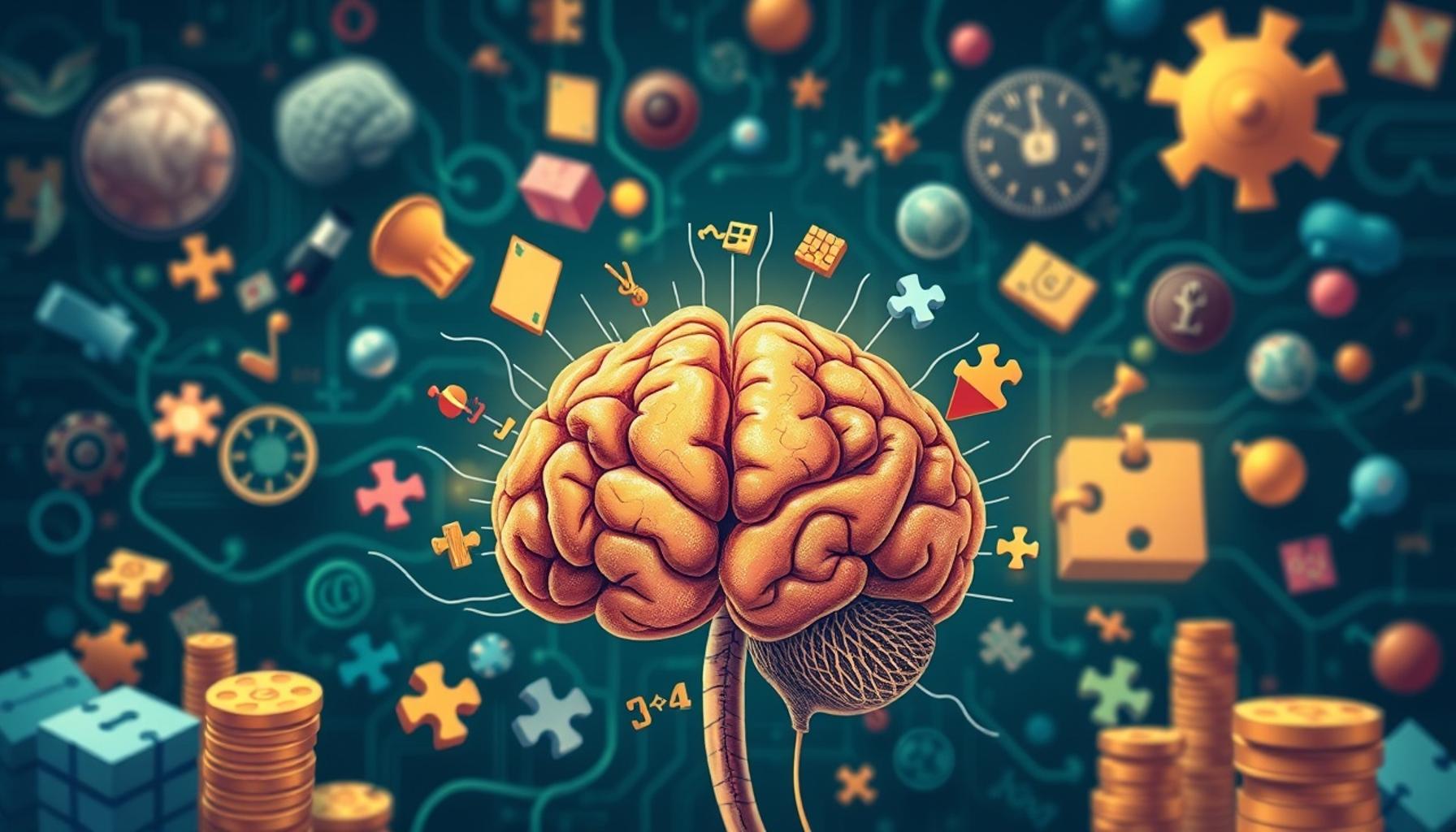
The Science Behind Logic Games: How They Enhance Creativity and Problem Solving

The Benefits of Engaging with Logic Games
Logic games provide more than just a captivating pastime; they serve as an invaluable tool for enhancing cognitive skills that are essential in everyday life. Recent research in neuroscience reveals that engaging regularly with these games can lead to significant enhancements in creativity and problem-solving skills. For instance, players who spend time on puzzles like Sudoku or chess often report improved focus and enhanced analytical thinking.
What makes logic games so effective? Several compelling factors contribute to their impact on cognitive development:
- Cognitive Flexibility: One of the most alluring features of logic games is their ability to challenge players to think outside the box. Games such as “Escape Room” style puzzles encourage individuals to approach problems from multiple angles, fostering an adaptive mindset that is crucial for innovation.
- Critical Thinking: Logic games often present players with complex scenarios requiring analysis and strategic planning. Take, for instance, the game “Mastermind,” where players must deduce patterns through a process of elimination, honing their ability to draw conclusions based on incomplete information.
- Memory Enhancement: Memory plays a fundamental role in successful gameplay. Games like “Simon” and various card games demand that players recall rules, sequences, and previous plays, thus promoting memory retention and recall skills that extend into real-life applications, such as studying for tests or learning new information at work.
Diving into the science behind these games reveals a fascinating connection between play and brain function:
- The diverse genres of logic games contribute uniquely to different thinking aspects; for instance, strategy games enhance foresight and planning abilities, while word puzzles improve linguistic creativity.
- Research findings indicate that regular engagement with logic games is linked to increased brain activity in regions associated with memory and reasoning, suggesting potential structural changes in the brain over time.
- Practical tips for incorporating logic games into daily life can enrich mental capacity. For instance, dedicating just 15-30 minutes daily to solve a puzzle or playing strategy games with friends can create a balanced approach to mental exercise.
As you embark on this journey to explore the countless possibilities that logic games offer, you will find yourself unlocking new levels of creativity and understanding your problem-solving capabilities. Engaging with these games not only enhances cognitive abilities but also provides a fun and enjoyable way to challenge yourself and connect with others. From online platforms to traditional board games, the options are plentiful, inviting you to dive deeper into a world where logic meets imagination.
DIVE DEEPER: Click here to discover more

Understanding Cognitive Benefits Through Gameplay
Logic games are often perceived as mere diversions; however, a deeper examination reveals their potential to shape critical cognitive skills that are instrumental for success in both personal and professional arenas. As scientists continue to explore the transformative impact of these games, intriguing insights emerge, presenting a compelling case for their inclusion in daily routines.
At the core of logic games lies a rigorous mental framework that not only entertains but also prompts players to engage in complex thought processes. The science behind these games highlights several core cognitive benefits:
- Enhanced Problem-Solving Skills: Many logic games require players to analyze information, identify patterns, and devise strategies to reach a solution. For example, the classic game “Rubik’s Cube” challenges individuals to employ a systematic approach, which can improve their ability to tackle real-life problems with a similar methodical mindset.
- Improvement in Spatial Reasoning: Games that challenge spatial awareness, such as “Tetris,” not only bolster visual-spatial skills but also encourage players to manipulate objects in their mind’s eye. Research suggests that improved spatial reasoning correlates with success in fields like engineering, architecture, and even surgery.
- Emotional Regulation and Resilience: Engaging in logic games can also foster emotional intelligence. Players often experience moments of frustration when they encounter difficult puzzles. However, learning to navigate these challenges can enhance persistence and emotional resilience, enabling individuals to better cope with stress and setbacks in everyday life.
Furthermore, empirical evidence supports the assertion that logic games can activate various cognitive areas of the brain. Studies using functional MRI (fMRI) scans have shown increased brain activity in regions responsible for memory, reasoning, and attention during gameplay. This not only signifies heightened cognitive engagement but also suggests that regular participation in logic games may lead to structural changes in the brain over time.
Incorporating logic games into daily life can be as simple as setting aside dedicated time during the week to engage in these mental exercises. For example, introducing just a 15-minute interlude of puzzle-solving each day can stimulate cognitive growth and develop a habit of critical thinking. The integration of these games can range from solo challenges to multiplayer competitions, allowing players to engage socially while enhancing their mental faculties.
Through a closer look at the science behind logic games, it becomes clear that their benefits are far-reaching. As players immerse themselves in the world of logic puzzles, they not only enjoy a fun experience but also embark on a journey to sharpen their creativity and problem-solving abilities. This exploration reflects an intriguing intersection where enjoyment meets mental development, inviting players to unlock their full cognitive potential.
| Advantage | Description |
|---|---|
| Enhanced Cognitive Skills | Logic games promote critical thinking and analytical skills, allowing players to process information more effectively. |
| Creative Problem Solving | These games encourage out-of-the-box thinking, helping individuals find unique solutions to complex challenges. |
Delving deeper into the topic, it’s fascinating to explore how logic games create a stimulating environment that fosters cognitive flexibility. As players navigate through various challenges, they hone their ability to adapt to new situations, an essential skill not only in gaming but in everyday life as well.Furthermore, research has indicated that regularly engaging in logic games can lead to noticeable improvements in memory retention and focus. The brain, much like a muscle, becomes stronger with practice. The more diverse the challenges faced, the more robust the mental toolkit becomes. Consider the intricate strategies involved in solving a Sudoku or a chess problem: they require a player to think several steps ahead, a skill that translates seamlessly into real-world problem-solving scenarios. This interplay between gaming and brain function opens the door for intriguing possibilities in educational tactics, especially for children who learn best through interactive play.All in all, logic games present a unique opportunity to engage both creativity and analytical skills, providing individuals with the tools necessary for effective problem resolution, whether in personal or professional realms. As research in cognitive psychology continues to unfold, the nexus between logic games and enhanced mental capabilities will likely become even clearer, paving the way for innovative learning methods tailored for creativity and critical thinking.
DIVE DEEPER: Click here to challenge your mind
Cognitive Flexibility: The Key to Innovation
Another significant benefit of logic games is the enhancement of cognitive flexibility, a critical trait for both creativity and problem solving. Cognitive flexibility refers to an individual’s ability to adapt their thinking and behavior in response to changing circumstances, a skill particularly valuable in today’s fast-paced world. Logic games often present players with challenges that require them to approach problems from multiple perspectives, facilitating a shift in thinking patterns that nurtures innovative solutions.
For instance, strategy-based games like “Chess” not only sharpen tactical thinking but also force players to anticipate opponents’ moves, thereby fostering adaptive reasoning. According to research published in the journal Neuropsychology, individuals who regularly engage in such games exhibit a higher degree of cognitive flexibility, allowing them to generate a wider array of solutions to problems, which is essential in collaborative work environments.
Moreover, the implications of cognitive flexibility extend beyond improving personal skills; they create a ripple effect in team dynamics. Creative brainstorming sessions often benefit from group members who can pivot their thinking based on the ideas of others. Logic games simulate this collaborative problem-solving environment, reinforcing the notion that adaptability is a cornerstone of effective teamwork.
Memory Retention and Knowledge Application
Logic games significantly enhance memory retention—an ability critical for effective problem solving. Games that require the recall of information, such as “Sudoku” or “Crossword Puzzles,” actively engage players’ working memory, a necessary cognitive resource for processing information and learning. Research suggests that regularly exercising this part of the brain can lead to improved long-term memory retention, making it easier for individuals to apply what they have learned in real-world contexts.
For example, medical students who engage in logic-based exercises have been shown to retain complex anatomical knowledge more effectively than their peers who do not. This alignment of game mechanics with educational outcomes underscores the role of logic games not only as a leisure activity but also as a valuable tool for lifelong learning.
Societal Implications of Enhanced Cognitive Skills
The impact of engaging with logic games reaches beyond individual skills to societal benefits as well. As more individuals develop sharp problem-solving skills through these games, there is the potential for enhanced productivity in the workforce. A 2020 report from the American Psychological Association noted that businesses employing creative problem-solving techniques, often nurtured through logic game engagement, can dramatically improve project outcomes and innovation rates.
Additionally, communities can also benefit from strategic gameplay. Local organizations and educators increasingly recognize the value of incorporating logic games into youth programs to bolster critical thinking and creativity. As children engage with puzzles and games, they cultivate essential skills that prepare them for future challenges in higher education and the workforce, ultimately leading to a more innovative society.
Ultimately, the synergy between logic games and cognitive development is a compelling narrative. Their role in enhancing creativity, problem-solving ability, and cognitive flexibility signifies their importance not just for personal enrichment but for broader societal advancement. The psychology behind these games illustrates their power to unlock human potential, paving pathways toward innovation in various fields of life.
DIVE DEEPER: Click here to uncover the brain’s potential
Conclusion: Unlocking Creativity through Logic Games
In summary, the intricate relationship between logic games and cognitive development serves as a fascinating insight into human potential. These games not only entertain but also cultivate essential skills such as creative problem solving, cognitive flexibility, and enhanced memory retention. As players confront various challenges, they learn to navigate complex scenarios, adapting their thought processes and strategies in real time. This dynamic gameplay translates into real-world applications, where innovative solutions and agility in thinking are paramount.
The broader implications of engaging with logic games extend into educational and professional landscapes. By nurturing critical thinking and creativity in individuals, society stands to benefit from a more innovative workforce equipped to tackle modern challenges. The American Psychological Association’s findings highlight the transformative effects of these games on productivity and collaboration, suggesting they could be integral to future success across industries.
As we embrace the ongoing evolution of logic games—from traditional board games to interactive digital formats—fostering environments where creativity thrives becomes ever more important. Parents, educators, and employers can leverage these tools to enhance learning and teamwork. Ultimately, the science behind logic games encourages us to rethink the way we approach problem solving, making them not just a delightful pastime but a profound catalyst for personal and societal advancement.
Related posts:
Logical Challenges and Mental Health: How Solving Puzzles Can Reduce Stress
Logical Challenges in Teams: Strengthening Collaboration Through Reasoning Games
Logical Challenges and Education: Incorporating Reasoning Games in Elementary Education
Logical Challenges and Neuroscience: What Happens in Our Brain When Solving Puzzles
The Importance of Logical Challenges in Developing Critical Thinking in Children
Unraveling Logical Challenges: How to Improve Your Reasoning Skills

Linda Carter is a writer and puzzle expert specializing in mind games, brain teasers, and cognitive challenges. With extensive experience helping individuals enhance their problem-solving skills and think critically, Linda shares her knowledge on our platform. Her goal is to empower readers with practical advice, engaging puzzles, and strategies to sharpen their minds and achieve success in the captivating world of mind games and puzzles.