
The Science Behind Brain Training Games: Do They Really Enhance Cognitive Function?
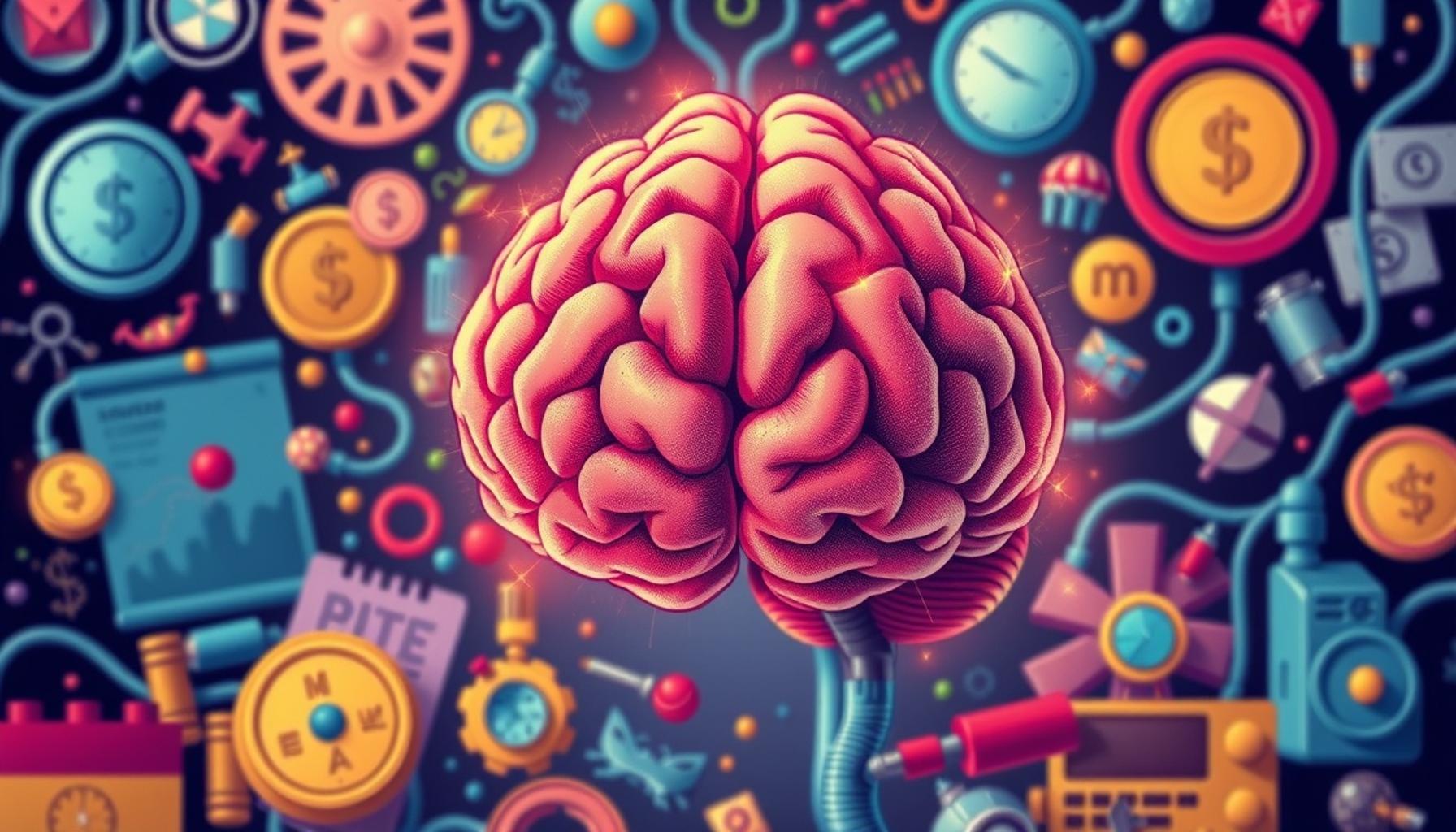
Unraveling the Mystery of Brain Training
As technology advances, so does our interest in enhancing cognitive abilities. Brain training games promise to be the solution, aiming to boost memory, focus, and problem-solving skills. But what does the science actually say about their effectiveness?
Current Trends in Brain Training
In recent years, these games have surged in popularity, with millions of users engaging daily. A diverse array of brain training platforms, such as Lumosity, Peak, and Elevate, offer a multitude of exercises that challenge the mind. Some notable features of these games include:
- Variety of Puzzles: These games provide a rich selection of challenges, ranging from memory tests and multitasking exercises to logic puzzles and math challenges, catering to different cognitive skills.
- User-Friendly Interfaces: The design of these platforms is often engaging and intuitive, making them accessible for users of all ages—from schoolchildren seeking academic advantages to older adults aiming to maintain cognitive health.
- Progress Tracking: Most brain training apps include sophisticated analytics that allow users to monitor their performance over time, setting personal goals and celebrating milestones as cognitive abilities develop.
Despite their growing appeal, skepticism surrounds the reality of the benefits these games claim to offer. Various studies have emerged, debating whether these games truly enhance cognitive function beyond the confines of the gaming environment. Critics argue that while users may improve their skills within the game, these enhancements might not translate to everyday situations, such as rapid decision-making or problem-solving in real life.
The Research Landscape
Many researchers are diving deep into this phenomenon, exploring aspects such as:
- Transfer Effects: This refers to the question of whether improvements observed in brain games genuinely translate to enhanced performance in real-world cognitive tasks, such as doing math or remembering names.
- Neuroscience Insights: Innovations in imaging techniques have enabled experts to study how brain activity changes with this training. Some studies indicate that engaging in these games can increase neural plasticity, which may result in improved brain function.
- Anecdotal vs. Scientific Evidence: The gap between user claims, which often highlight significant benefits, and rigorous scientific studies that provide mixed results underscores the need for critical evaluation.
Understanding whether brain training games genuinely enhance cognitive function calls for exploration and critical analysis. As we delve into this topic, the question arises: are these games a pathway to sharper minds, or are they merely a passing trend? As consumer interest continues to escalate, it will be fascinating to watch how scientific research evolves and whether it can keep pace with emerging technologies in cognitive enhancement.
DISCOVER MORE: Click here to learn about activities that boost recall skills
Exploring Cognitive Boost: Are the Benefits Real?
The debate over the effectiveness of brain training games largely hinges on the concept of transfer effects. This term describes the ability for skills developed through gaming exercises to positively impact other areas of cognitive performance. Proponents of brain training often assert that improvements in game-related tasks can lead to enhanced capabilities in real-life situations. However, the scientific community remains divided.
Research has produced varying results. A meta-analysis conducted by a team of psychologists emphasized that while players often see short-term gains in specific tasks linked to the games, these benefits frequently do not extend beyond the gaming context. Participants may excel in memory games, for instance, yet struggle with similar memory tasks in day-to-day life. This phenomenon raises important questions about the actual value of brain training games in fostering genuine cognitive enhancement.
Insights from Cognitive Neuroscience
Advancements in neuroscience have played a crucial role in understanding the potential effects of brain training games on cognitive function. Emerging studies utilizing functional magnetic resonance imaging (fMRI) have indicated that engaging with these games can lead to measurable changes in brain activity. For instance, certain games appear to stimulate the prefrontal cortex, a region closely tied to executive functioning, which governs decision-making, problem-solving, and planning.
Even though some research suggests increased neural plasticity as a result of regular brain training, the specifics of how this translates into everyday cognitive tasks remain unclear. The idea that the brain can reorganize itself by forming new neural connections in response to learning and experience is exciting, but the extent to which brain training games can facilitate this remains an open question.
Conflicting Evidence and User Experiences
As with many popular trends, anecdotal evidence from users complicates the discourse. Many individuals claim to experience marked improvements in their mental agility and memory after consistent engagement with brain training games. For example, users often report enhanced focus and quicker recall of information, which is compelling but not universally supported by scientific data.
This discrepancy between anecdotal experiences and scientific findings creates an intrigue around brain training games. Furthermore, researchers are analyzing how factors such as age, frequency of use, and individual cognitive starting points affect overall outcomes. A rigorous understanding of these variables could lead to more tailored approaches to cognitive training, potentially enhancing the overall effectiveness of such games.
As the popularity of brain training games continues to grow, both casual users and serious researchers eagerly search for answers. Are these games genuinely unlocking the full potential of the human mind, or are users merely participating in a digital placebo? Understanding the science behind these games offers a promising yet complex landscape in the ongoing quest to enhance cognitive function.
| Category | Details |
|---|---|
| Cognitive Benefits | Improvement in memory, attention, and problem-solving skills have been associated with consistent play. |
| Engagement | These games offer interactive content that encourages cognitive engagement, making learning enjoyable. |
| Accessibility | Available across devices, making these brain training tools easily accessible for all age groups. |
| Research Based | Many games are backed by scientific research aimed at validating their effectiveness in enhancing cognitive function. |
As the conversation around brain training games grows, studies highlight varying results. While certain games yield improvement in specific cognitive tasks, the transferability of these skills to real-life situations remains a point of contention. Some frameworks suggest that while players may excel in game-related tasks, the same wouldn’t necessarily apply outside of the gaming environment. Additionally, the regularity of play correlates significantly with observed cognitive gains. Those who commit to daily practices often report better results in cognitive assessments, yet further research is essential for definitive conclusions.Notably, brain training games can foster a sense of online community; players often share achievements and strategies, creating a supportive network that encourages consistent participation.Importantly, when discussing “The Science Behind Brain Training Games: Do They Really Enhance Cognitive Function?”, it becomes evident that while there are promising benefits, understanding the broader implications and limitations is crucial for discerning their true value in cognitive enhancement. For many, these games provide not only a form of entertainment but a potential means for mental agility—a topic worthy of deeper exploration and ongoing research.
LEARN MORE: Click here to discover the benefits of brain teasers
The Role of Personalization and Engagement in Effective Brain Training
While much of the debate surrounding brain training games centers on their overall efficacy, researchers are increasingly focusing on the importance of personalization and user engagement in enhancing cognitive function. Tailoring these games to fit individual preferences and cognitive profiles may hold the key to unlocking their full potential. Studies suggest that when users are more engaged with a task, they are more likely to reap the cognitive benefits associated with it.
For instance, a recent study highlighted that customized brain training programs, which adapt challenges based on an individual’s performance, yield better results than generic, one-size-fits-all games. This suggests that leveraging technology to create personalized cognitive training experiences could lead to lasting improvements in mental agility and problem-solving capabilities. The focus on personal engagement might redefine how these games are utilized, shifting from mere entertainment to effective cognitive development tools.
The Impact of Extended Use
Another aspect that warrants attention is the duration and frequency of engagement with brain training games. Initial research indicates that sporadic use does not yield substantial cognitive benefits. Conversely, a study conducted by a leading cognitive psychologist showed that individuals who engaged in brain training games daily for several weeks demonstrated noticeable improvements in working memory and processing speed, compared to those who played less frequently.
This finding amplifies the importance of consistent practice, similar to physical training for athletes. The more time individuals spend practicing specific cognitive skills through targeted games, the more likely they are to observe genuine enhancements in their cognitive function. This notion raises questions about the sustainability of brain training as a long-term approach to cognitive fitness.
Addressing the ‘Digital Baby Boomer’ Phenomenon
As the population ages, there’s been an increasing interest in how brain training can serve as a preventative measure against age-related cognitive decline. Uniquely referred to as the “Digital Baby Boomer” phenomenon, older adults have enthusiastically embraced brain training games in hopes of maintaining cognitive health. Preliminary studies indicate that consistent use of these games might slow cognitive decline, as they often enhance strategies for information processing and memory recall.
However, experts advise caution. While initial findings are promising, comprehensive, long-term studies are essential to understand the extent to which brain training can mitigate cognitive aging. Users should consider these programs as part of a broader approach that promotes overall mental and physical wellness, including social engagement, physical exercise, and healthy nutrition.
Commercialization vs. Scientific Rigor
The commercialization of brain training games presents another layer of complexity in assessing their effectiveness. Marketing claims frequently suggest that these games hold proprietary secrets to cognitive enhancement. However, consumers often encounter a disparity between the enticing promises and the scientific evidence that supports them. Rigorous scientific trials are imperative to separate hype from reality.
Organizations like the Scientific Games Alliance advocate for an evidence-based approach, pushing developers to conduct studies that adhere to strict methodological standards. This movement aims to ensure that users can engage with brain training games that are not only entertaining but also grounded in scientific validity, potentially elevating the quality of available cognitive interventions.
As the field of brain training continues to evolve, it is crucial for users and researchers alike to navigate this complex mix of personalization, engagement, and evidence-based practice. Only then can we begin to decipher the true implications of brain training games on cognitive function and overall mental health.
DISCOVER MORE: Click here to enhance your knowledge
Conclusion: Navigating the Future of Brain Training Games
The exploration of brain training games and their impact on cognitive function reveals a multifaceted landscape ripe with potential yet burdened by challenges. While studies indicate that personalized programming and consistent engagement can lead to measurable improvements in mental agility and memory recall, the results remain inconsistent across different populations and gaming platforms. As the desire to combat age-related cognitive decline grows, particularly among the older demographic of the Digital Baby Boomer generation, the need for robust, longitudinal studies becomes increasingly pressing.
Moreover, the commercialization of these games often leads to inflated claims that may not be supported by rigorous scientific evidence, underscoring the importance of consumer vigilance. As organizations like the Scientific Games Alliance work to bridge the gap between marketing hype and scientific integrity, it becomes clear that not all games are created equal, and discerning users must seek out options that are rooted in solid research.
In summary, while brain training games show promise as tools for cognitive enhancement, they should be regarded as pieces of a larger puzzle encompassing holistic approaches to mental fitness, such as physical exercise, social engagement, and nutrition. Moving forward, both users and developers must prioritize enriched scientific inquiry and thoughtful engagement to truly unlock the potential of these games. The journey to understanding the science behind brain training is far from over, and as we delve deeper, exciting discoveries await those willing to investigate the intricate relationship between gaming, cognition, and overall mental health.
Related posts:
The Connection Between Mindfulness and Puzzle Solving in Enhancing Focus
The Role of Strategy Games in Improving Problem-Solving Skills
The Impact of Sudoku on Cognitive Flexibility
How Brain Teasers Can Sharpen Logical Reasoning
The Role of Online Brain Training Apps in Enhancing Cognitive Abilities
Exploring the Impact of Mind Games on Mental Health and Cognitive Resilience

Linda Carter is a writer and puzzle expert specializing in mind games, brain teasers, and cognitive challenges. With extensive experience helping individuals enhance their problem-solving skills and think critically, Linda shares her knowledge on our platform. Her goal is to empower readers with practical advice, engaging puzzles, and strategies to sharpen their minds and achieve success in the captivating world of mind games and puzzles.