Developing Critical Thinking: The Impact of Strategic Puzzles on Problem Solving

The Importance of Critical Thinking
In our modern society, where information overload is commonplace and decisions must be made swiftly, developing the ability to think critically is not just beneficial; it is essential. Critical thinking is integral for making informed choices, understanding complex issues, and solving problems creatively. One method that has gained traction in nurturing these cognitive skills is through the use of strategic puzzles.
Defining Strategic Puzzles
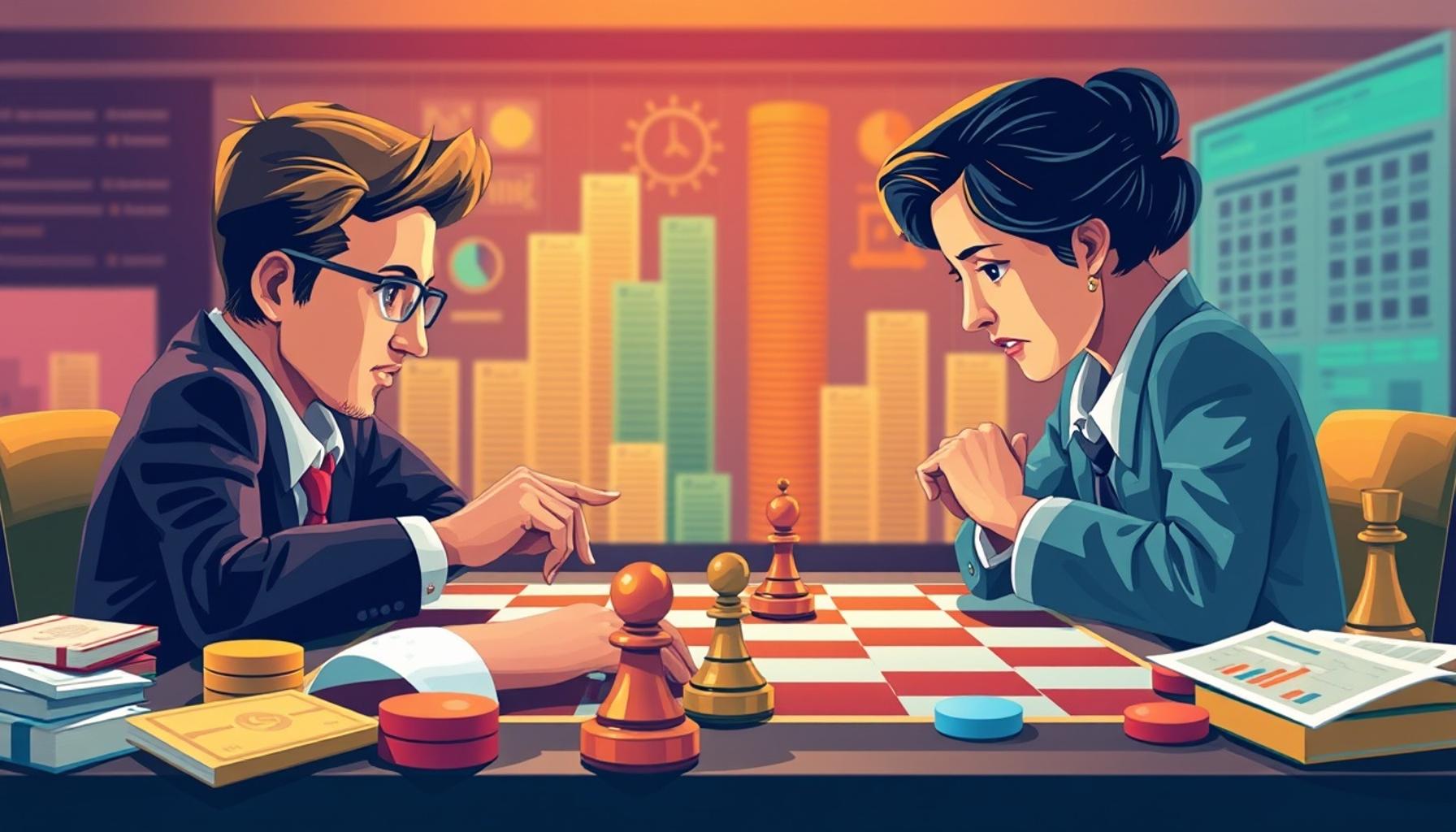
Strategic puzzles are challenges that require participants to engage in systematic thinking to achieve a solution. These puzzles come in various forms, including traditional games like chess and contemporary experiences such as escape rooms. Each format presents unique situations where users must analyze information, evaluate options, and predict outcomes. They provide a platform for individuals to experiment with different strategies, which is crucial for developing critical thinking skills.
Key Features of Strategic Puzzles
Analyzing the effectiveness of strategic puzzles reveals several key features that contribute to their ability to enhance cognitive skills:
- Enhance analytical skills: Engaging with puzzles encourages individuals to break down complex problems into smaller, more manageable parts. For instance, in chess, players must constantly assess their opponent’s moves while calculating potential responses.
- Encourage creative thinking: Strategic puzzles often require out-of-the-box thinking. The rapid development of escape rooms exemplifies this, as participants must devise innovative solutions to elaborate problems within a limited timeframe.
- Improve resilience: Puzzles teach persistence; failure in a puzzle often inspires further attempts to dissect the problem from different angles. This perseverance is applicable in real-life situations where immediate success is not guaranteed.
A Broader Impact on Collaboration
The benefits of strategic puzzles extend beyond personal development to foster collaboration and communication. When individuals engage in puzzles as a group, they learn to articulate their thought processes and respect diverse perspectives, enhancing teamwork. This collaborative environment mirrors workplace dynamics, where collective problem-solving is vital for success. For example, companies often implement team-building exercises based on strategic puzzles to strengthen team chemistry and improve overall performance.
Real-World Applications
Considering the prevalence of strategic puzzles, from classic board games to modern interactive experiences, they align with educational and professional objectives. In the United States, there is a growing trend toward integrating puzzle-solving into curricula, recognizing its potential to teach students critical thinking in engaging ways. Employers also encourage strategic brainstorming sessions—often inspired by puzzle thinking—during problem-solving meetings, further illustrating the practical applications of this method.

Ultimately, strategic puzzles offer a compelling framework for enhancing critical thinking skills. By understanding the depth and complexity of these challenges, individuals are better equipped to navigate the multifaceted problems encountered in daily life. Through consistent engagement with these cognitive exercises, not only do they sharpen their reasoning ability, but they also become more adept communicators and collaborators. Such skills are indispensable in a world that constantly demands adaptability and insight.
DISCOVER MORE: Click here to learn about enhancing recall skills through group activities
Engaging with Strategic Puzzles
Engaging with strategic puzzles can transform the way individuals approach problems. These compelling challenges provide an immersive experience where logic, creativity, and critical thinking are put to the test. From classic jigsaw puzzles to the complexities of digital games that require strategy and foresight, every engagement enhances cognitive functions in varied ways. By dissecting the mechanisms behind strategic puzzles, we can uncover the profound impact they have on problem-solving abilities.
The Role of Problem Decomposition
When faced with a strategic puzzle, one of the first steps in problem-solving is decomposition. This involves breaking down the overall challenge into smaller, manageable parts. For example, consider a game of chess; players must dissect the board’s layout, analyze their position, and identify potential moves. This process encourages players to focus on essential aspects of the game while ignoring distractions, a skill that is transferable to real-world scenarios such as project management or decision-making in corporate settings.
Fostering Pattern Recognition
Another critical aspect that gaming enthusiasts often overlook is the boost in pattern recognition skills. Strategic puzzles frequently force individuals to spot trends or repeated sequences, an ability that enhances both analytical and creative problem-solving. In escape rooms, participants must identify clues that often share a common theme or logic, which requires them to think critically and creatively. This practice in recognizing patterns can aid in everything from data analysis to troubleshooting in technology and engineering fields.
The Neuroscience Behind Strategic Thinking
Research in cognitive psychology has shown that engaging in strategic puzzles activates several brain regions responsible for higher-order thinking and decision-making. Neuroscientists have found that puzzles stimulate both the left and right hemispheres of the brain, enhancing neuroplasticity — the brain’s ability to reorganize itself by forming new neural connections. This capability contributes to improved cognitive flexibility, allowing individuals to adjust their problem-solving strategies based on new information.
Enhancing Emotional Intelligence
Moreover, strategic puzzles teach valuable lessons in emotional intelligence (EI). Players are often required to manage frustration, disappointment, and excitement, which fine-tunes their ability to navigate emotional responses. This emotional resilience is critical in both personal and professional environments where decision-making can be heavily influenced by emotional states. As individuals engage with these puzzles, they not only cultivate critical thinking but also develop a better understanding of their own emotional triggers and responses.
Conclusion
In summary, the benefits of engaging with strategic puzzles extend far beyond mere entertainment. The ability to break down problems, recognize patterns, and manage emotions are skills that can be honed through consistent practice. With these skills in tow, individuals are better prepared to tackle real-world challenges head-on. As the landscape of both the educational and professional worlds continues to evolve, the incorporation of strategic puzzles as a tool for enhancing critical thinking could very well pave the way for the next generation of innovative problem solvers.
As we explore the multifaceted benefits of strategic puzzles in nurturing critical thinking, it is essential to recognize how these intellectual challenges foster a comprehensive approach to problem-solving. Strategic puzzles, such as logic games and brainteasers, stimulate the brain and encourage individuals to think outside the box. They engage multiple cognitive processes, including analysis, evaluation, and synthesis of information, which are vital for effective problem-solving.
Moreover, engaging with strategic puzzles promotes collaborative learning environments, where individuals can work together to uncover solutions. This social engagement not only enhances communication skills but also enables participants to share diverse viewpoints, facilitating a deeper understanding of complex issues. The collaboration often results in more innovative solutions, as different perspectives challenge conventional thinking.
Additionally, the experience of navigating through strategic puzzles hones an individual’s ability to identify patterns and make connections between disparate pieces of information. This skill is essential not only in academic settings but also in real-world scenarios where quick, accurate decisions are necessary.
Drawing connections between theory and practice, implementing strategic puzzles in educational curricula can profoundly impact students’ readiness for future challenges. By integrating these puzzles, educators can inspire a culture of curiosity and resilience, essential qualities in today’s rapidly evolving world. Hence, the advantages of cultivating critical thinking through strategic puzzles are manifold—transforming how individuals tackle problems both now and in their future endeavors.
| Category | Advantages |
|---|---|
| Enhanced Cognitive Skills | Strategic puzzles challenge the mind, fostering analytical and evaluative abilities. |
| Improved Collaboration | Working on puzzles together cultivates teamwork and diverse perspectives. |
Understanding these advantages opens the door to implementing strategic puzzles in various educational and professional settings, encouraging ongoing exploration into effective techniques for nurturing critical thinking.
DIVE DEEPER: Click here to learn how memory tests can boost your performance
Strategic Puzzles in Education and Professional Development
Integrating strategic puzzles into educational curricula and professional development programs offers immense potential for enhancing critical thinking and problem-solving skills. Schools and organizations that recognize and implement these engaging cognitive exercises see notable improvements in learners’ and employees’ abilities to think critically, make informed decisions, and approach challenges with innovation. Such implementations provide a strategic advantage in a rapidly changing world where adaptability is crucial.
Incorporating Puzzles into Educational Settings
From elementary classrooms to university lecture halls, educators are increasingly adopting puzzles as effective teaching tools to foster an environment of active learning. Studies show that students who engage with strategic puzzles exhibit higher levels of engagement and retention of information compared to traditional rote learning methods. For instance, math teachers using logic-based brain teasers can enhance students’ mathematical reasoning and abstract thinking capabilities.
Moreover, educators at the university level may incorporate case studies or puzzle-based simulations related to real-world business scenarios. These simulations not only challenge students to devise solutions but also promote teamwork and communication skills, both essential for navigating today’s collaborative work environments.
Professional Development and Team Building
In a corporate setting, specializing training sessions around strategic puzzles can promote a culture of creativity and critical thinking. Companies like Google and Facebook have long recognized the value of gamifying challenges, incorporating strategic puzzles into their team-building exercises, and thereby enhancing problem-solving dynamics among employees. During such engagements, teams can learn to leverage each other’s strengths, improve collaborative strategies, and bolster their collective cognitive skills.
According to a study by the American Management Association, organizations that encourage critical thinking and strategic problem solving report greater productivity and innovation. Employees exposed to strategic puzzles develop a profound ability to think outside the box, allowing them to devise innovative solutions that can lead to optimized processes and increased customer satisfaction.
The Global Appeal of Strategic Puzzles
The appeal of strategic puzzles transcends geographical boundaries. Around the world, cultures have their own versions of puzzles and games that impart lessons in strategy and foresight. From Sudoku and crosswords in the West to ancient games like Go in East Asia, each offers unique cognitive challenges that enhance critical thinking. This universal enjoyment not only helps individuals refine their thought processes but also creates a sense of community, as players engage in healthy competition and shared problem-solving experiences.
Digital Strategic Puzzles: A Modern Approach
The rise of digital technology has given birth to an entirely new genre of strategic puzzles, particularly through video games that emphasize strategic planning, resource management, and problem-solving in immersive scenarios. Games such as Portal, where players must solve complex puzzles to advance in the story, or simulation games like Cities: Skylines, encourage strategic thinking and adaptability in a digital realm. These platforms make it possible to practice critical thinking in a visually appealing and interactive way, catering particularly to younger generations that gravitate towards technology.
Additionally, the online game community is filled with platforms that foster collaborative problem-solving, allowing players from various backgrounds to connect through shared challenges. Such cooperative engagements not only enhance cognitive skills but also build social connections—critical in a world that increasingly values global communication and teamwork.
DISCOVER MORE: Click here to learn how chess can boost your strategic skills
Conclusion
As we navigate an increasingly complex world, the importance of developing critical thinking and problem-solving skills cannot be overstated. The integration of strategic puzzles into both educational curricula and professional development programs emerges as a powerful tool in this endeavor. By engaging with these cognitive challenges, individuals can enhance their ability to think critically, make informed decisions, and identify innovative solutions to complex problems.
The benefits of strategic puzzles extend beyond traditional learning environments; they can pave the way for improved collaboration and creativity in corporate settings. With organizations like Google and Facebook relying on such methods to foster team dynamics, the positive implications for employee productivity and job satisfaction are evident. Moreover, the universal appeal of puzzles—ranging from crosswords to digital games—reinforces the idea that critical thinking is a skill that transcends cultural boundaries, promoting global cooperation and understanding.
Ultimately, incorporating strategic puzzles into our daily lives offers an engaging and effective pathway to cultivate the critical thinkers of tomorrow. As educators and professionals continue to embrace these tools, they not only equip individuals with essential skills but also nurture a mindset geared towards continuous learning and adaptation. As we look to the future, the role of strategic puzzles in developing critical thinking and enhancing problem-solving capabilities will undoubtedly continue to grow, shaping brighter and more innovative minds across the globe.
Related posts:
Strategy Exercises in Digital Games: How Video Games Stimulate Analytical Thinking
The Art of Negotiation: How Strategy Games Enhance Your Interactive Skills
Unveiling the Mysteries of Strategy Exercises in Puzzles: Methods and Benefits
The Art of Strategy: How Board Games Develop Critical Thinking Skills
Unveiling the Future: How Strategy Exercises in Mind Games Can Enhance Decision-Making in Critical S...
Mind Games and the Psychology of Strategy: How Cognitive Challenges Influence Decision-Making

Linda Carter is a writer and puzzle expert specializing in mind games, brain teasers, and cognitive challenges. With extensive experience helping individuals enhance their problem-solving skills and think critically, Linda shares her knowledge on our platform. Her goal is to empower readers with practical advice, engaging puzzles, and strategies to sharpen their minds and achieve success in the captivating world of mind games and puzzles.