Using Memory Tests to Foster Social Connections: Group Activities that Enhance Recall Skills
Understanding the Importance of Memory in Social Interactions
Memory is an integral part of our daily lives, influencing not just personal cognition but also our ability to connect and communicate with others. When engaging in memory tests through collaborative activities, individuals can experience significant growth in their recall capabilities while simultaneously laying the groundwork for stronger interpersonal relationships. This dual benefit makes memory exercises an exciting avenue for social engagement and connection.
When we participate in structured memory exercises, a plethora of positive outcomes can emerge that extend far beyond mere recall. Some of the noteworthy benefits include:
- Improved cognitive function: Regularly challenging the brain through memory tests helps to bolster neural pathways, enhancing overall brain health. Research suggests that activities such as puzzles and memory challenges stimulate areas of the brain that are vital for memory retention and cognitive agility.
- Stronger social bonds: Engaging in collaborative memory tasks promotes teamwork, as participants work together to recall shared experiences or information. This collaborative effort not only enhances memory skills but also creates a sense of community and belonging.
- Increased confidence: There’s a notable psychological benefit to engaging in memory challenges; overcoming a test of recall can lead to a significant boost in self-esteem. This increase in confidence can extend to other areas of life, encouraging individuals to engage more openly in social and professional settings.
Across the United States, various community groups, educational institutions, and senior centers have recognized the importance of memory exercises, implementing creative approaches to enhance cognitive skills while building social connections. Some engaging activities include:
- Memory games: These interactive games, such as “Memory” or “Simon Says,” not only evoke fun but also help participants practice recalling names, faces, and details about one another, which can be essential in forming stronger connections.
- Storytelling circles: Such circles allow participants to share personal narratives, fostering empathy and understanding. Hearing stories from different perspectives fosters respect and camaraderie among individuals, further intensifying social ties.
- Trivia nights: Held at local pubs or community centers, trivia competitions offer a competitive yet friendly environment that stimulates cognitive engagement and promotes teamwork as participants band together to recall information from various topics.
The interplay between memory enhancement and social cohesion confirms that engaging in memory-focused activities contributes to a happier and healthier community. As we uncover more innovative group activities designed to stimulate memory and connection, we realize the vast potential of these exercises in transforming social dynamics. Through collaborative engagement, not only do we enhance our mental faculties, but we also create meaningful relationships that enrich our lives.
DIVE DEEPER: Click here for insights on inclusive approaches
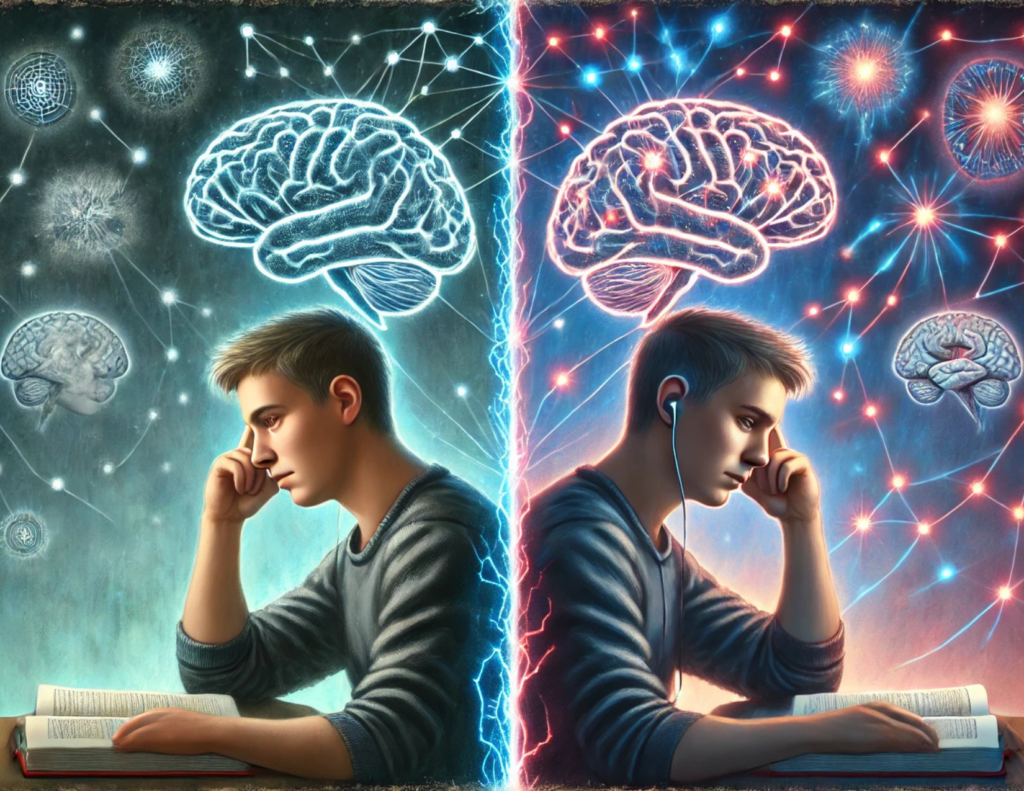
Creative Memory-Boosting Activities for Enhanced Social Interaction
To harness the cognitive benefits of memory tests while fostering social connections, a variety of engaging group activities can be introduced in various settings. From classrooms to social clubs, these innovative approaches promote teamwork, camaraderie, and a deeper sense of community. Here are some noteworthy activities designed to enhance recall skills while maximizing social engagement:
- Memory Relays: This fast-paced, competitive activity involves team members racing against the clock to memorize and recall a series of items, phrases, or actions. By combining physical movement with memory recall, participants not only challenge their cognitive abilities but also encourage an energetic atmosphere that builds bonds among teammates. This dynamic environment nurtures cooperation and trust, as team members cheer each other on and celebrate their successes.
- Memory Mapping: In this activity, participants work together to create a visual representation of shared memories. They can use large sheets of paper or digital tools to illustrate significant events, relationships, and experiences in their lives. As each individual contributes, they not only enhance their memory through storytelling but also forge connections by exploring commonalities in their pasts. This method offers a rich opportunity for reflection and shared history, allowing participants to delve deeper into their personal narratives.
- Memory Café: A growing trend in many communities, Memory Cafés are social gatherings designed specifically for those experiencing memory loss and their caregivers. These safe spaces blend enjoyable activities—such as music, art, and games—with meaningful interactions. Participants explore topics on memory while simultaneously engaging with others who understand their experiences. This environment cultivates both memory retention and social support, emphasizing the importance of community connection for those who may feel isolated in their struggles.
The implementation of these memory-enhancing activities not only benefits cognitive functions but also strengthens social networks, paving the way for enriching relationships. Research indicates that individuals who engage in group memory exercises experience improved interpersonal skills, which encourages a supportive atmosphere where long-lasting friendships can blossom. Furthermore, the shared experiences and successes can facilitate deeper conversations, allowing participants to discover new dimensions of each other’s lives.
As communities across the United States continue to incorporate innovative memory exercises, there remains a vast potential for unlocking the power of recall in social settings. By participating in these activities, individuals not only improve their memory skills but also create meaningful connections that can enhance their overall quality of life. Emphasizing collaboration, laughter, and mutual support, these group activities form the backbone of powerful social ties that can ultimately transform a simple memory test into a gateway for richer social experiences.
| Advantages | Description |
|---|---|
| Improved Memory Retention | Participating in memory-based group activities can significantly enhance an individual’s recall abilities. |
| Strengthened Social Bonds | Engaging in these activities fosters deeper connections among participants, leading to lasting friendships. |
| Cognitive Engagement | These activities stimulate cognitive functions, encouraging participants to work together and share strategies. |
Engaging in memory tests as group activities presents various advantages that extend well beyond mere recall improvement. For instance, enhanced memory retention is a remarkable benefit, as studies indicate that collaborative recalling strengthens neural pathways related to memory. This results in a more effective retrieval mechanism during cognitive tasks. Another advantage is the potential for strengthened social bonds. When individuals engage in group memory activities, they interact meaningfully, fostering camaraderie and collaboration. These deepened connections can lead to the formation of lasting friendships that extend beyond the activities.Furthermore, participants experience cognitive engagement that stimulates various areas of the brain. Sharing strategies and discussing recall techniques allows individuals to learn from one another, enhancing their cognitive abilities in a supportive environment. Such interactions create an enjoyable atmosphere for learning and growth that attracts people towards these fruitful sessions.
DISCOVER MORE: Click here to learn how to adapt memory tests
Expanding the Horizons of Memory-Fostering Activities
Beyond the engaging activities already discussed, there are numerous other innovative group exercises designed to not only improve recall skills but also enhance the social connections among participants. These activities serve as catalysts for collaboration, encourage communication, and create environments ripe for forming meaningful relationships.
- Storytelling Circles: Storytelling circles invite participants to share personal anecdotes or imaginative tales with the group. This practice not only enhances memory through the act of recalling and narrating experiences but also fosters empathy and understanding among group members. As individuals listen to one another, they often find common threads in their stories, facilitating deeper connections and encouraging teamwork. Research has shown that storytelling can improve interpersonal relationships, making this activity invaluable for social bonding.
- Memory Charades: A playful twist on the classic charades game, Memory Charades focuses on incorporating characters, events, or objects that participants have previously learned or discussed together. This game not only tests how well group members recall shared information, but also promotes collaboration as players work together to convey their memories or ideas through gestures and expressions. The laughter and camaraderie generated by this activity can forge lasting friendships and enrich social interactions.
- Memory Journals: In this creative pursuit, participants uniformly maintain a journal where they sketch or write down daily experiences that hold significant meaning. Periodically, individuals come together to share entries and reminisce about the shared moments. This act of reflecting on their memories encourages recall, creates conversation starters, and ultimately strengthens interpersonal relationships. According to psychologists, journaling can lead to emotional clarity and help solidify the bonds between friends as they collectively document their lives.
- Trivia Nights: Hosting trivia nights offers an entertaining way to boost cognitive skills and social interaction simultaneously. By forming teams, participants collaborate to answer questions that may relate to historical events, pop culture, or individual experiences, thus prompting discussions about shared knowledge. This common ground fosters camaraderie and may even lead to the development of new interests or hobbies among team members, enhancing the group’s dynamics.
These diverse activities not only contribute to improved recall abilities but also serve as a platform for individuals to engage with one another on a deeper level. Numerous studies indicate that when people share experiences geared towards enhancing memory, they forge stronger emotional connections. This interconnectedness is vital in building trust and encouraging the support systems necessary for personal growth.
Moreover, the integration of technology in memory-oriented group activities, such as memory apps or online platforms for virtual engagements, opens up new avenues for expanding social connections. With the rise of online communities, maintaining interpersonal relationships has become more accessible than ever. Memory challenges conducted over video calls can stimulate conversations around shared experiences while accommodating individuals who might not be able to join in-person gatherings.
As society recognizes the importance of social connections in enhancing well-being, utilizing memory tests and games in various communal settings will undoubtedly continue to grow. The encouragement of participation in these imaginative activities can lead to a fulfilling environment where individuals thrive socially alongside cognitive advancement. Cultivating spaces that emphasize the synergy between memory and social interaction not only uplifts individuals but can rejuvenate entire communities.
DISCOVER MORE: Click here for additional insights
Conclusion: Cultivating Social Bonds Through Memory Enrichment
In an ever-evolving digital age, the importance of using memory tests and group activities to foster social connections cannot be overstated. Engaging in activities such as storytelling circles, memory charades, memory journals, and trivia nights not only strengthens recall skills but creates an atmosphere conducive to meaningful interactions. These diverse exercises encourage participants to delve into shared experiences, igniting emotional connections that are pivotal for personal and collective wellbeing.
The evidence supporting the link between memory enhancement and social bonding is compelling. As individuals navigate through these memory-based challenges, they build trust and cultivate friendships rooted in collaboration and shared narratives. This interconnectedness is essential in nurturing community support systems, particularly in a society that can sometimes feel fragmented.
Furthermore, as technology continues to reshape our communication landscapes, incorporating digital tools for memory-oriented group activities presents new opportunities for connection. Virtual initiatives can bridge geographic divides, enabling people to engage in memory-fostering interactions regardless of location. This evolution in approach not only facilitates participation but also ensures that relationships can thrive in a modernized context.
As we embrace the significance of social interactions on mental and emotional health, the role of memory-enhancing activities will only gain momentum. By fostering environments where recall skills coincide with social engagement, we can help individuals flourish, ultimately rejuvenating our communities. Embracing these practices opens doors for enrichment, collaboration, and a deeper understanding of one another, thus paving the way for a more connected and cohesive society.
Related posts:
Cultural Variations in Memory Tests: A Comparative Analysis of Techniques Across the Globe
Cultural Variations in Memory Test Performance: How Background Influences Cognitive Assessment
Adapting Memory Tests for Individuals with Learning Disabilities: Inclusive Approaches and Best Prac...
Innovative Memory Test Formats: How Gamification is Changing Cognitive Assessment
The Science Behind Memory Tests: Understanding Neuroplasticity and Cognitive Function
The Evolution of Memory Tests in Psychology: Historical Perspectives and Future Directions

Linda Carter is a writer and puzzle expert specializing in mind games, brain teasers, and cognitive challenges. With extensive experience helping individuals enhance their problem-solving skills and think critically, Linda shares her knowledge on our platform. Her goal is to empower readers with practical advice, engaging puzzles, and strategies to sharpen their minds and achieve success in the captivating world of mind games and puzzles.