
How Quality Sleep Affects Skin Aging and Solutions to Improve It

The Impact of Sleep on Your Skin’s Health
Underestimating the power of quality sleep can significantly undermine your skin’s vitality and overall health. Sleep is not merely a time for rest; it is a critical phase during which the body engages its natural repair mechanisms. As you drift into slumber, your skin undergoes crucial regenerative processes, including cellular turnover and repair. Conversely, insufficient or poor-quality rest can lead to a myriad of skin concerns and can accelerate the visible signs of aging, revealing just how intertwined our sleep habits are with our skin health.
- Dehydration: During sleep, the body works to maintain hydration levels, but a lack of sleep can exacerbate dehydration, leading to a dull and parched complexion. This dehydration can make fine lines more pronounced and give your skin an overall tired appearance.
- Inflammation: Sleep deprivation has been linked to increased systemic inflammation. Conditions such as eczema and psoriasis may worsen without adequate rest, as the body’s inflammatory markers rise in response to stress and lack of recovery.
- Formation of Wrinkles: Deep sleep stages are vital for collagen production, an essential protein that helps maintain skin elasticity and firmness. A decline in collagen due to insufficient sleep can contribute to sagging skin and the formation of wrinkles, leaving your face looking older than it really is.
Research supports the notion that sleep quality significantly influences the appearance and health of your skin. For example, a study found that individuals deprived of sufficient sleep exhibited more fine lines, uneven skin tone, and reduced skin elasticity than their well-rested counterparts. These findings emphasize that it is not just the quantity but the quality of sleep that matters, underscoring the importance of adopting healthy sleep practices.
Strategies for Improving Sleep for Better Skin
If you are eager to improve your skin health, focusing on sleep quality can be a game changer. Here are some effective strategies that may help enhance your nightly rest:
- Create a Bedtime Routine: Establishing a consistent sleep schedule helps regulate your body’s internal clock. A calming pre-sleep ritual, such as reading or practicing mindfulness, signals to your body that it is time to unwind.
- Optimize Your Sleep Environment: A dark, cool, and quiet bedroom fosters better sleep. Investments in blackout curtains, a comfortable mattress, and a sound machine can make significant differences in your sleep quality.
- Minimize Screen Time: The blue light emitted by screens can disrupt your body’s production of melatonin, the sleep hormone. Aim to reduce screen exposure at least an hour before bedtime to promote healthier sleep cycles.
By understanding the profound relationship between sleep and skin aging, you can take actionable steps to rejuvenate both your rest and your complexion. Investigate the secrets to enhancing your beauty sleep, and discover solutions that not only help you feel more rested but also aid in maintaining a youthful glow for years to come.
EXPLORE MORE: Click here to learn about the effects of stress on skin aging
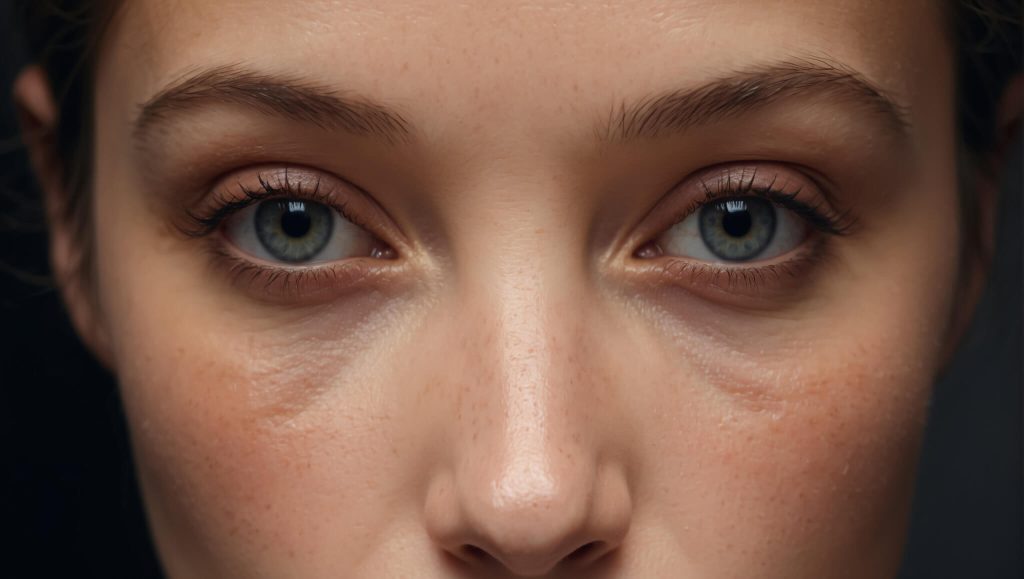
The Relationship Between Sleep Quality and Skin Health
When we think of skin aging, it’s easy to put the blame on factors such as sun exposure, pollution, or genetic predisposition. However, the role of quality sleep cannot be overlooked. The body undergoes significant healing and recovery processes during sleep, which are essential for preserving youthful skin. Understanding how these restorative functions work helps shed light on why prioritizing sleep is vital for maintaining skin health.
One of the key components in the sleep-skin relationship is the role of hormones. During deep sleep stages, the body produces essential hormones like growth hormone, which plays a crucial role in tissue growth and repair. This is particularly important for skin regeneration, as it assists in the synthesis of collagen and elastin—proteins vital for skin structure and firmness. Without ample sleep, the production of these hormones falters, leading to skin that loses its resilience and youthful appearance more rapidly.
Moreover, the stress hormone cortisol spikes when we are sleep-deprived. Elevated levels of cortisol can lead to inflammation and the breakdown of collagen within the skin, contributing to the formation of wrinkles and an uneven complexion. Research highlights that individuals with chronic sleep deprivation might experience skin that appears saggy and older, resembling the toll of years rather than months of sleepless nights. Data shows that just one night of poor sleep can significantly increase signs of skin aging, emphasizing the need for restorative sleep.
The Importance of Sleep Cycles
Understanding sleep cycles is equally important as understanding the amount of sleep itself. The body typically cycles through different stages of sleep—light sleep, deep sleep, and REM (Rapid Eye Movement) sleep. Each stage plays a specific role in skin health:
- Light Sleep: Essential for mental and emotional restoration, this stage prepares the body for deeper restorative processes in the following cycles.
- Deep Sleep: This is the stage during which the body’s repair functions peak. Critical cellular processes occur, including collagen synthesis which helps to combat the visible signs of aging.
- REM Sleep: Important for cognitive function and emotional wellness, REM sleep indirectly affects skin health by reducing stress, which can negatively impact one’s skin.
To maximize the benefits of all these stages, it is crucial not only to aim for 7-9 hours of sleep each night but also to ensure that the sleep achieved is uninterrupted and of good quality. Sleep disturbances can negatively impact skin appearance and quality, counteracting the protective and reparative effects intended by a good night’s sleep.
As we delve deeper into how to improve your sleep for better skin health, it becomes increasingly clear that nurturing your nightly rest could very well be the key to unlocking a more youthful complexion. By making conscious adjustments to your sleep habits, you may find that not only does your skin reflect a more vibrant, healthy look, but also your overall well-being improves.
| Category | Key Features |
|---|---|
| Sleep Stages and Skin Regeneration | Deep sleep enhances skin cell renewal, improving complexion. |
| Impact on Collagen Production | Quality sleep boosts collagen synthesis, promoting skin elasticity and reducing wrinkles. |
The relationship between sleep and skin health is profound, with quality sleep serving as a critical factor for reducing the appearance of skin aging. During deep sleep phases, the body undergoes vital repair processes, including skin cell regeneration. This restorative phase not only aids in fading blemishes but also contributes to a healthier, more radiant complexion. Furthermore, sufficient sleep is linked to increased collagen production, which is essential for maintaining skin elasticity and firmness. This natural protein acts as a cushion, keeping skin youthful and preventing sagging. To enhance sleep quality, consider adopting a consistent sleep schedule, optimizing your sleep environment, and incorporating relaxation techniques such as meditation or gentle yoga. These practices not only deepen sleep but also amplify the skin-enhancing benefits, leading to a holistic approach toward youthful skin.
LEARN MORE: Click here to discover the difference
Solutions to Optimize Sleep for Youthful Skin
Now that we recognize the profound impact of quality sleep on skin aging, the pressing question arises: how can we enhance our sleep patterns to protect and rejuvenate our skin? Implementing a few scientifically-backed strategies can create an environment conducive to restorative, uninterrupted sleep.
Creating a Sleep-Conducive Environment
The atmosphere in which you sleep significantly affects sleep quality. Start by ensuring your bedroom is dark, quiet, and cool—ideal conditions for promoting deep sleep. Consider investing in heavy blackout curtains to block any intrusive light, as well as a white noise machine to mask sounds that may disrupt your sleep. The ideal temperature for sleep is around 60-67 degrees Fahrenheit, which facilitates a natural drop in body temperature, signaling the body that it’s time to rest.
Establishing a Consistent Sleep Schedule
Consistency is key to effective sleep management. Going to bed and waking up at the same time every day, even on weekends, helps regulate your body’s internal clock. This practice not only encourages better sleep but also aligns your body’s natural circadian rhythms, enhancing sleep quality. Research indicates that individuals who maintain a regular sleep schedule report fewer sleep disturbances and demonstrate improved cognitive function throughout the day.
Mindfulness and Relaxation Techniques
Implementing relaxation techniques before bedtime can significantly improve your overall sleep quality. Activities such as yoga, meditation, or deep-breathing exercises can lower stress and anxiety levels, allowing your body to transition more smoothly into sleep. A study published in the journal *Sleep* found that mindfulness practices can reduce insomnia and enhance quality sleep, consequently providing the skin with the rejuvenating benefits it desperately needs.
Limiting Screens Before Bed
In the digital age, many people find themselves staring at screens until bedtime, which can severely hinder sleep quality. The blue light emitted from devices such as phones, tablets, and computers interferes with the production of melatonin, the hormone responsible for regulating sleep-wake cycles. Experts suggest establishing a “screen-free” period at least one hour before bedtime to improve sleep onset and promote the restorative stages of sleep critical for healthy skin.
Nutrition’s Role in Sleep Quality
The foods you consume also play a pivotal role in your sleep patterns. Incorporating foods rich in magnesium, such as leafy greens, nuts, and seeds, can help facilitate better sleep due to their relaxant properties. Additionally, consider enjoying a warm cup of herbal tea, such as chamomile, known for its calming effects. Avoiding caffeine and sugar in the hours leading up to sleep can prevent disturbances that could disrupt your body’s ability to rejuvenate overnight.
Ultimately, by prioritizing these sleep-enhancing practices, you can maximize your body’s restorative functions and, in turn, foster healthier, more resilient skin. Quality sleep is not merely a luxury but a vital component in the intricate relationship between sleep and skin aging, paving the way toward achieving a more youthful complexion.
DISCOVER MORE: Click here to learn about cutting-edge therapies
Conclusion
In summary, the profound link between quality sleep and skin aging cannot be overstated. As we delve deeper into understanding the physiological processes of our body, it becomes increasingly clear that our skin’s health is intricately tied to the quality of our sleep. When we sleep, our bodies embark on essential processes such as cell repair and regeneration. This restoration period plays a vital role in maintaining skin elasticity and radiance. Unfortunately, inadequate or poor-quality sleep can lead to a significant slowdown in collagen production, a key protein that keeps our skin firm and youthful.
Moreover, the consequences of sleep deprivation manifest through increased cortisol levels, a hormone associated with stress. Elevated cortisol can lead to stress-related breakouts, exacerbating existing skin conditions and accelerating the visible signs of aging. Dark circles under the eyes, dullness, and increased pigmentation often accompany nights of restless slumber, making it clear that quality sleep is crucial to a vibrant complexion.
Fortunately, implementing effective strategies to enhance sleep quality is within reach for everyone. Simple lifestyle adjustments can make a marked difference. Start by creating a calming sleeping environment; think about removing distractions, ensuring your bedroom is dark, cool, and quiet. Additionally, adhering to a consistent sleep schedule by going to bed and waking up at the same time each day can regulate your biological clock, making it easier to fall asleep and wake refreshed.
Techniques such as yoga or meditation can cultivate relaxation before bedtime. Limiting screen time at least an hour before bed allows your mind to unwind, while choosing nutrient-rich foods, such as fruits rich in antioxidants and omega-3 fatty acids, can further support your skin’s resilience.
These proactive measures not only serve to combat the visible signs of aging but also contribute to an overall sense of well-being. As research continues to illuminate the connection between sleep and skin vitality, embracing the power of a restorative night’s sleep emerges as an invaluable tool in our skincare arsenal. So, take charge of your sleep hygiene today—your skin will thank you tomorrow, providing not just a reflection of beauty but a canvas of health and vitality.
Related posts:
The Influence of Nutrition on Skin Health and the Fight Against Aging
Natural vs. Synthetic Ingredients: What Really Works in Combating Aging
The Advances of Science in Anti-Aging Treatments: What's New?
The Role of Hydration in Maintaining Skin Elasticity Over the Years
The Importance of Sunscreen in the Fight Against Signs of Aging
Lifestyle Techniques to Prevent Premature Skin Aging

Linda Carter is a writer and beauty expert specializing in skincare routines, cosmetic ingredients, and holistic self-care practices. With extensive experience helping individuals achieve healthy, radiant skin and make informed beauty choices, Linda shares her knowledge on our platform. Her goal is to empower readers with practical advice and science-backed strategies for lasting beauty and skin health.