
The Role of Hydration in Maintaining Skin Elasticity Over the Years

Understanding the Importance of Hydration for Skin Elasticity
As time passes, maintaining youthful skin becomes a multifaceted challenge that involves various personal choices and lifestyle habits. Among these, one critical element that too often falls under the radar is hydration. It is widely known that proper hydration is vital for overall health, but its pivotal role in preserving the skin’s elasticity and overall texture is frequently underestimated.
Skin elasticity, the skin’s ability to stretch and bounce back, is essential for a firm and supple appearance. Several key elements influence skin elasticity, making hydration a cornerstone of skin health:
- Collagen Production: Hydration supports collagen synthesis, a protein integral to skin structure. Collagen provides the scaffolding for the skin, and without adequate water levels, the skin loses its strength and suppleness.
- Natural Moisture Levels: Adequate water intake helps maintain a healthy moisture balance in the skin. Dehydration can lead to dry, flaky skin and deepening wrinkles, signaling that the skin is struggling to retain moisture.
- Environmental Factors: UV exposure and pollution can exacerbate dehydration. Harmful elements in the environment break down skin cells and impair hydration, leading to decreased elasticity and increased aging signs.
For many, the quest for youthful skin begins with an understanding of the relationship between water intake and skin health. Recent studies suggest that hydration directly affects skin elasticity, and the skin’s appearance can often serve as a mirror reflecting one’s hydration status. Those with good hydration levels typically exhibit plumper, more resilient skin.
However, seeking hydration goes beyond merely drinking water. It also involves incorporating hydrating foods into your diet and choosing effective skincare products. Foods rich in water content, such as cucumbers, watermelon, and oranges, not only provide hydration but also a plethora of vitamins and antioxidants crucial for skin vitality. For instance, watermelon is about 92% water and also contains vitamins A, C, and B6, all contributing to healthy skin.
Moreover, topically applying hydrating ingredients such as hyaluronic acid, glycerin, and aloe vera can greatly enhance the skin’s moisture retention. These components can draw moisture from the environment into the skin, offering an instant plumping effect that enhances elasticity.
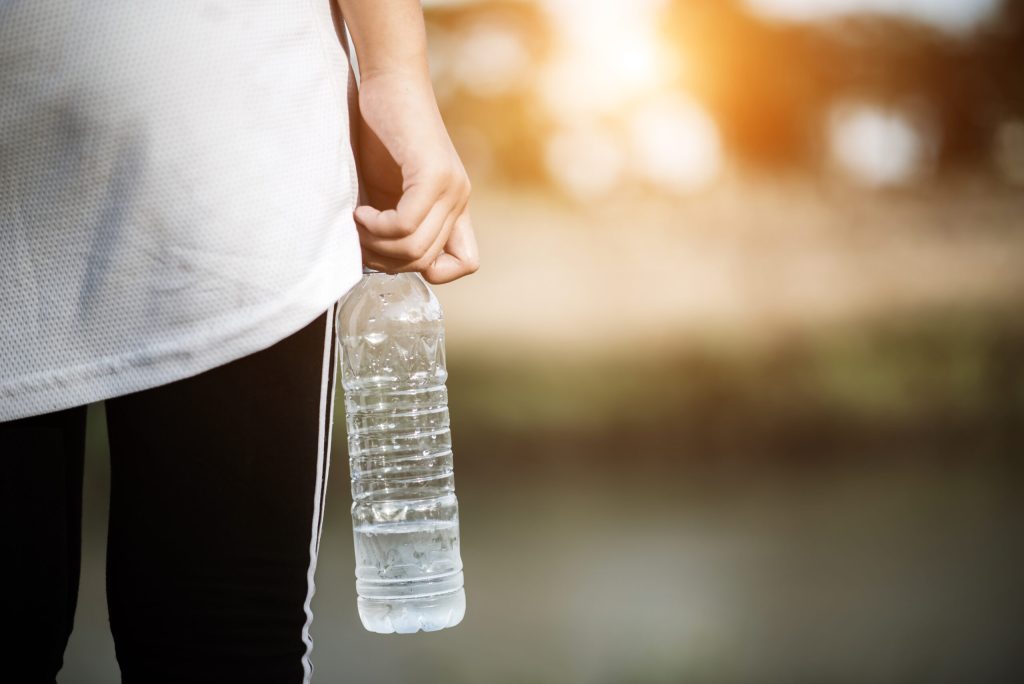
As we delve deeper into the significant impacts of hydration on skin elasticity, it becomes evident that simple adjustments in your daily routine, such as increasing your water intake or consuming more hydrating foods, can yield impressive results for aging skin. Think of creating a skincare routine that emphasizes hydration, along with lifestyle choices that prioritize water-rich foods. Together, these strategies can help you maintain skin that looks as youthful as you feel.
DISCOVER MORE: Click here to learn about natural vs synthetic ingredients
The Impact of Hydration on Skin Structure and Function
Understanding how hydration affects skin elasticity requires a closer examination of the skin’s anatomy and the biochemical processes that occur within it. The skin comprises three primary layers: the epidermis, dermis, and subcutaneous tissue. Each of these layers plays a vital role in maintaining skin integrity and hydration is essential to their health.
The outermost layer, the epidermis, acts as a protective barrier against environmental aggressors. When the skin is adequately hydrated, it retains moisture effectively, preventing transepidermal water loss (TEWL). Conversely, when hydration levels are low, the epidermis becomes compromised, leading to dryness and a lack of pliability, which can ultimately contribute to the appearance of fine lines and wrinkles.
Beneath the epidermis, the dermis houses vital structures such as collagen and elastin. These proteins are responsible for skin firmness and elasticity. Collagen gives the skin its strength and structure, while elastin allows it to stretch and return to its original shape after movement. Numerous studies underscore that hydration supports the synthesis of both collagen and elastin, showcasing the direct correlation between water intake and the skin’s structural integrity.
Another essential aspect to consider is the skin’s natural moisturizing factor (NMF), which helps maintain moisture and keep skin cells hydrated. Hydration levels affect the NMF, which consists of water-soluble components that attract and bind water molecules in the skin. Increased hydration promotes a robust NMF, thereby improving the skin’s overall moisture content, elasticity, and texture.
To emphasize the importance of hydration on skin elasticity, consider the following factors:
- Age: As we age, our skin naturally becomes thinner and loses its ability to retain moisture. This makes adequate hydration critical for preserving elasticity in mature skin.
- Lifestyle: Factors such as diet, exercise, and sleep can influence hydration. A balanced diet rich in fruits and vegetables helps support skin moisture, while regular exercise improves circulation, enhancing nutrient delivery to skin cells.
- Climate: Humidity levels greatly affect skin hydration. In drier climates, the skin can lose moisture more rapidly, highlighting the need for additional hydration efforts.
In light of this understanding, it’s clear that maintaining hydration should be an integral part of any skincare routine aimed at preserving skin elasticity. As we explore deeper into the roles of hydration—both internally through drinking sufficient water and externally via appropriate skincare products—it becomes evident that focusing on hydration is the cornerstone of youthful, resilient skin. This foundational step is an investment in skin health that pays dividends for years to come.
The Importance of Hydration for Skin Elasticity
Maintaining skin elasticity is pivotal as we age, and hydration plays a crucial role in this process. Proper hydration not only affects the skin’s appearance but also its structure and function. Skin elasticity, primarily determined by its collagen and elastin content, is directly influenced by moisture levels. As we age, the skin tends to lose moisture more rapidly due to decreased oil production and environmental factors.One significant aspect of hydration is its ability to help combat dryness. When skin is adequately hydrated, it holds more water, which results in a plumper and more youthful appearance. Insufficient water intake can lead to dryness, making fine lines and wrinkles more pronounced. Furthermore, hydration contributes to improved skin barrier function, allowing the skin to protect itself against external pollutants effectively.In addition to drinking enough water, incorporating hydrating skincare products that contain ingredients like hyaluronic acid, glycerin, and aloe vera can amplify moisture retention. These elements work by attracting water to the skin and forming a protective barrier to prevent moisture loss. Regular use of these products can help sustain skin elasticity over time.Furthermore, environmental factors such as humidity and sun exposure can heavily impact skin hydration. Seasonal changes often lead to fluctuations in humidity, which can affect moisture levels. During colder months, for example, indoor heating can dry out the skin, emphasizing the importance of adjusting your skincare routine accordingly.Incorporating a balanced diet rich in water-dense foods, like cucumbers, oranges, and leafy greens, can also enhance overall hydration. These foods provide essential vitamins and antioxidants that further support skin health, making it vital to consider both topical and internal hydration practices.In summary, maintaining adequate hydration is essential for preserving skin elasticity as you age. By understanding the multifaceted role hydration plays, individuals can make informed choices to keep their skin looking youthful and resilient.
| Hydration Benefits | Key Aspects |
|---|---|
| Maintains skin plumpness | Hydration enhances the youthful look by reducing the appearance of wrinkles. |
| Supports skin barrier | A hydrated skin barrier protects against environmental stressors. |
DISCOVER MORE: Click here to learn how to keep your skin youthful
Hydration Strategies for Optimal Skin Elasticity
As we delve deeper into the relationship between hydration and skin elasticity, it becomes clear that maintaining adequate moisture levels goes beyond simply drinking water. There are various strategies and practices that individuals can adopt to ensure that their skin remains well-hydrated and elastic as they age.
One of the most effective ways to enhance skin hydration is through a well-rounded diet. Foods rich in antioxidants, vitamins A, C, and E, and omega-3 fatty acids play essential roles in skin health. For example, avocados and nuts not only provide healthy fats that bolster the skin’s barrier but also contain nutrients that support collagen and elastin production. Incorporating seasonal fruits and vegetables, such as watermelon and cucumbers, which have high water content, can also significantly boost your hydration levels.
In addition to dietary strategies, the way we consume water is equally important. Experts recommend spreading water intake throughout the day rather than trying to meet hydration goals all at once. This continuous intake helps maintain consistent moisture levels in the skin and promotes optimal cellular function. Moreover, [the general recommendation](https://www.ncbi.nlm.nih.gov/pmc/articles/PMC6149435/) is to aim for approximately half of your body weight in ounces of water per day, though individual needs may vary based on activity level, climate, and overall health.
Another crucial aspect of maintaining hydration is suitable skincare products. Utilizing moisturizers containing hyaluronic acid, glycerin, and other humectants can effectively draw moisture into the skin, providing long-lasting hydration. Additionally, creams and serums enriched with ceramides help reinforce the skin’s barrier and prevent moisture loss. Tailoring skincare routines to address individual skin types—whether oily, dry, or combination—can lead to improved skin elasticity over time.
Furthermore, minimizing exposure to harsh environmental elements is vital for preserving skin hydration. Excessive sun exposure can not only dehydrate the skin but also degrade collagen and elastin over time, leading to premature aging. Incorporating broad-spectrum sunscreen with at least SPF 30 into your daily routine fosters skin protection against UV rays while preventing moisture loss. Likewise, using protective clothing and seeking shade are beneficial strategies for maintaining skin health.
Last but not least, it is essential to recognize the role of hydration in mental health. Studies have shown a significant link between hydration levels and mood regulation. Stress and anxiety can lead to poor hydration habits, impacting not only overall wellbeing but also skin health. Practicing mindfulness, regular physical activity, and ensuring adequate sleep can facilitate better hydration habits, ultimately benefiting skin elasticity.
By embracing a comprehensive approach that includes dietary considerations, smart product choices, and protective measures, individuals can significantly enhance their skin’s hydration levels, promoting lasting elasticity throughout the years. It is this multifaceted strategy that empowers people to invest in their skin’s resilience as they navigate the effects of aging.
DISCOVER MORE: Click here to learn about the best ingredients for anti-aging
Conclusion: The Essential Link Between Hydration and Skin Elasticity
In conclusion, the relationship between hydration and skin elasticity is paramount for maintaining youthful and resilient skin throughout the years. As we have explored, staying adequately hydrated goes far beyond merely drinking water; it encompasses a holistic approach involving diet, skincare routines, and lifestyle choices. By integrating nutrient-rich foods that promote collagen and elastin production, along with hydrating skincare products rich in humectants, individuals can effectively enhance moisture retention in their skin.
Furthermore, adopting mindful hydration practices and protecting the skin from environmental stressors, such as UV rays, only amplifies these efforts. As many studies suggest, there is also a profound connection between hydration and mental well-being, which illustrates how inner health impacts external appearance. Stress-reduction techniques, coupled with a solid hydration plan, can foster not only a better mood but also a visibly healthier complexion.
Ultimately, maintaining skin elasticity as one ages requires a commitment to a lifestyle that prioritizes hydration in all its forms. By embracing these multifaceted strategies, individuals can empower themselves to combat the inevitable signs of aging and promote lasting skin vitality. To further understand and implement these recommendations, consider consulting with a dermatologist or nutritionist who can tailor advice to fit individual needs and environments.
As we continue our journey through life, let us remember that hydration is not just a matter of thirst; it is a crucial component of our overall health and beauty. By cultivating good hydration habits today, we can ensure that our skin remains vibrant and elastic for years to come.
Related posts:
Natural Ingredients to Combat Aging: Myths and Truths
The Role of Antioxidants in Preventing Skin Aging
Studies on the Effect of Pollution on Skin Aging Speed
The Advances in Anti-Aging Research: The Future of Skin Treatments
The Impact of Stress and Mental Health on Skin Aging
Natural vs. Synthetic Ingredients: What Really Works in Combating Aging

Linda Carter is a writer and beauty expert specializing in skincare routines, cosmetic ingredients, and holistic self-care practices. With extensive experience helping individuals achieve healthy, radiant skin and make informed beauty choices, Linda shares her knowledge on our platform. Her goal is to empower readers with practical advice and science-backed strategies for lasting beauty and skin health.