How Skincare Products Are Evolving to Meet the Specific Needs of Different Age Groups
A Deeper Look into Age-Appropriate Skincare
The evolving landscape of skincare reflects a growing recognition of the unique needs associated with various life stages. With ongoing research and innovation, skincare brands are now focusing more than ever on formulations that cater specifically to age-related changes in the skin. Understanding how these shifts inform consumer choices can illuminate the path to healthier skin for individuals across all age groups.
Teenagers: The Battle Against Acne
Adolescents often experience fluctuations in hormones, which commonly results in acne and excess oil production. Products designed for this age group typically contain active ingredients such as salicylic acid and benzoyl peroxide. These ingredients not only target existing blemishes but also prevent future outbreaks by unclogging pores and minimizing excess oil. Brands such as Neutrogena and Clinique have successfully crafted entire lines dedicated to acne-prone skin, enabling teenagers to approach their skincare challenges proactively.
Young Adults: Hydration and Prevention
As individuals transition into their early twenties and beyond, the focus shifts towards hydration and the prevention of early signs of aging. Lightweight moisturizers enriched with antioxidants, like vitamin C and E, play a critical role in fostering a radiant complexion while combating oxidative stress caused by environmental factors. Products that provide hydration without clogging pores are essential at this stage, with brands like Kiehl’s and The Ordinary leading the way in innovative formulations tailored for young adult skin.
Mature Adults: Targeting Fine Lines and Dryness
As the skin matures, it becomes more susceptible to issues such as fine lines and dryness. In response, skincare brands are emphasizing richer creams and potent anti-aging serums formulated with hyaluronic acid and retinol to rejuvenate and hydrate aging skin. The incorporation of peptides has also gained popularity due to their ability to stimulate collagen production. Brands such as Olay and L’Oréal frequently update their offerings to address these concerns, ensuring that mature adults have access to effective skincare solutions.
Senior Skin: Emphasizing Hydration and Elasticity
Senior skin has specialized needs, primarily focusing on extreme hydration and nourishment. As skin elasticity diminishes, products designed for this demographic are often rich in nutrients and formulated to address sensitivity brought on by age. Ingredients like ceramides and nourishing oils are critical in restoring the skin barrier and combating dryness. Brands like CeraVe and Neutrogena have recognized these trends and thus tailored their products to effectively address the needs of older adults.
The Rise of Personalized Skincare Solutions
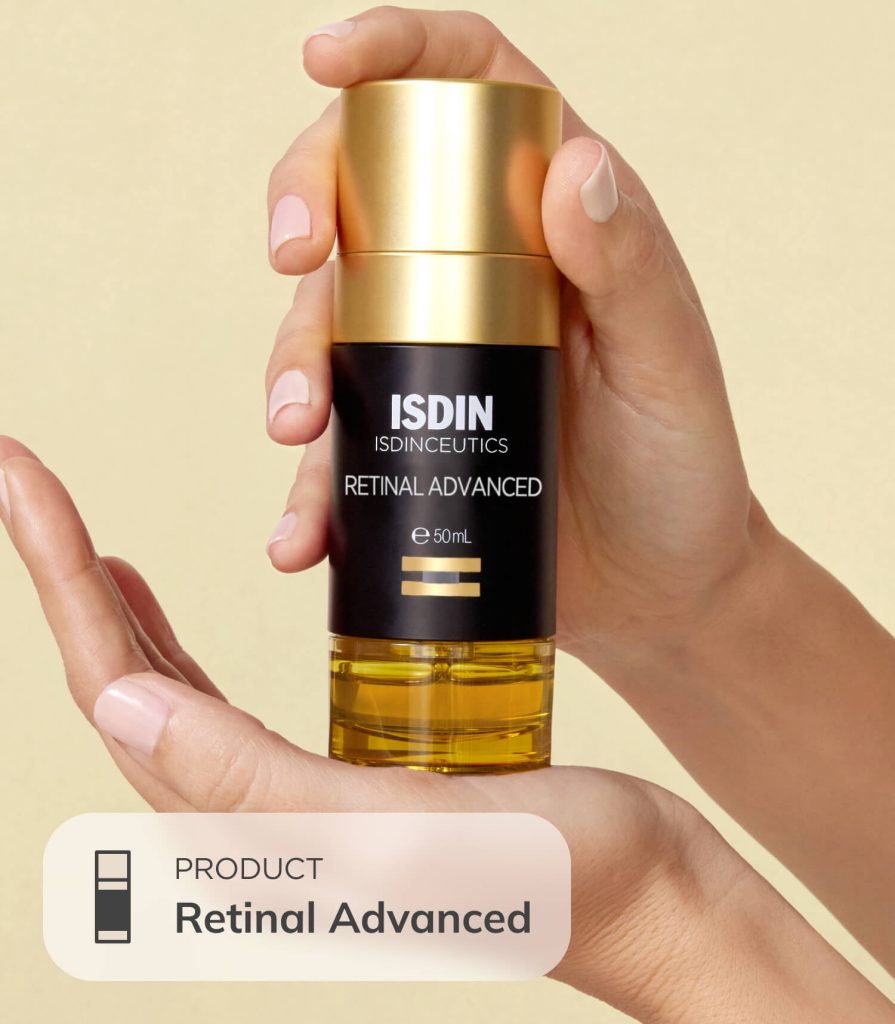
Amidst these age-specific formulations, there’s a burgeoning demand for personalized skincare regimens. Consumers are avidly seeking products that align with their specific skin types and concerns, leading to brands experimenting with tailor-made solutions. The burgeoning use of natural and organic ingredients underscores a collective shift toward healthier skincare choices. People are increasingly inclined to choose products that are free from harmful chemicals, opting instead for those derived from nature, such as plant extracts and essential oils.
Moreover, advancements in technology have enabled brands to innovate formulations that are not only effective but also safe, further driving consumer engagement. Incorporating technology like AI for skin analysis has allowed companies to personalize recommendations, ensuring that every consumer finds their perfect match.
Conclusion: Evolving with the Times
The skincare industry is continuously adapting, driven by consumer demands for products that cater distinctly to individual life stages. By understanding these unique requirements, brands are making strides in providing tailored solutions that address age-related skin challenges. This evolving landscape not only highlights the importance of awareness in skincare choices but also encourages consumers to advocate for their specific needs, leading to a revolution in the way we view skincare.
DISCOVER MORE: Click here to dive deeper
Understanding the Unique Needs of Different Age Groups
The analysis of how skincare products are evolving reveals a remarkable transformation in the beauty industry, where brands are honing in on the specific needs of their consumers based on age. Each age group has distinctive skin characteristics and challenges, compelling manufacturers to innovate formulations that effectively address these diverse requirements. As we delve deeper, we uncover how personalized skincare solutions are reshaping the marketplace and leading to more targeted offerings for consumers.
Teenagers: A Journey Through Hormonal Changes
For teenagers, the onset of puberty brings about significant hormonal changes that often lead to an increase in acne and oily skin. This age group typically requires products that not only treat existing blemishes but also prevent new ones from developing. Commonly included ingredients in teenage skincare products are:
- Salicylic Acid: A beta-hydroxy acid that unclogs pores, reducing the chances of acne outbreaks.
- Benzoyl Peroxide: Known for its antibacterial properties, it targets the bacteria that cause acne.
- Tea Tree Oil: Popular for its natural antiseptic properties, offering a gentler treatment option.
Brands such as Neutrogena and Clean & Clear dedicate entire lines to adolescents, equipping them with the tools necessary to navigate the often tumultuous teenage years, both physically and emotionally.
Young Adults: Emphasis on Prevention and Maintenance
As young adults transition into their twenties, they often shift their skincare focus from treating problems like acne to hydration and preventing early signs of aging. At this stage, products tend to emphasize maintaining skin health and radiance. Lightweight moisturizers enriched with antioxidants like vitamin C and E become staples in their routines. These ingredients not only provide hydration but also combat free radicals that contribute to skin aging.
Young adults are increasingly drawn to brands such as Kiehl’s and The Ordinary, which stand out for their commitment to transparency and efficacy in formulations. The ability to hydrate without clogging pores is essential, making products like gel creams and water-based serums popular choices among this demographic.
Mature Adults: Anti-Aging and Nourishment
For mature adults, skincare products evolve to target specific concerns associated with aging skin, such as fine lines, wrinkles, and dryness. The demand for richness in formulation grows as the skin loses its natural moisture and elasticity. Ingredients like hyaluronic acid and retinol are heralded for their rejuvenating capabilities, capable of plumping the skin and stimulating cell turnover.
Peptides have also surged in popularity due to their role in stimulating collagen production, leading to firmer and more youthful-looking skin. Brands such as Olay and Neutrogena are continuously adapting their product lines to cater to this age demographic’s evolving skincare needs, offering solutions that combine luxury with efficacy.
Senior Skin: Nourishing and Restorative Care
The needs of seniors require an even more specialized approach, focusing predominantly on extreme hydration and restoration of skin elasticity. With age, the skin barrier weakens and sensitivity can increase; hence, products rich in nutrients become essential. Key ingredients include:
- Ceramides: Known to strengthen the skin barrier and retain moisture.
- Shea Butter: A natural moisturizer that soothes and hydrates dry skin.
- Essential fatty acids: Help replenish and restore skin’s lipid barrier.
Brands like CeraVe and Eucerin have recognized these shifts, launching formulations designed to meet the specific hydration and nourishment needs encountered during the later years.
Innovations Catering to Diverse Age Demographics
As we dive deeper into the world of skincare, it becomes evident that brands are acknowledging and addressing the distinct needs of various age groups. From teenagers battling acne to mature adults seeking anti-aging properties, the skincare industry is innovating at an unprecedented pace. The latest advancements include personalized formulations and targeted solutions, each catering to the specific skin challenges faced by different age demographics.For instance, many brands are now employing biotechnology in their products, allowing for ingredients to be tailored based on individual skin biology. This means that younger consumers can access formulations rich in salicylic acid and exfoliants to combat breakouts, while individuals in their 40s or 50s find serums infused with peptides and antioxidants to rejuvenate tired skin. Additionally, many products now incorporate smart technology, enabling users to receive personalized recommendations through apps or online quizzes.Moreover, eco-conscious consumers are influencing the evolution of skincare. Brands are increasingly focusing on sustainability by utilizing recyclable packaging and organic formulations, which resonate particularly well with younger audiences who prioritize environmental issues. For older age groups, the emphasis on gentle, hypoallergenic ingredients is becoming more pronounced, leading to products that are not only effective but safe for sensitive skin.In summary, understanding the specific needs of diverse age groups is driving the evolution of skincare products. This shift towards targeted care not only offers consumers effective solutions but also fosters a deeper connection between brands and their customers, contributing to a more educated and health-conscious society. It is an exciting time for skincare, as innovations continue to reshape how we perceive and care for our skin at every life stage.
| Age Group | Key Innovations |
|---|---|
| Teenagers | Products with active ingredients targeting acne and oil control. |
| Adults (30-50) | Serums and moisturizers focusing on hydration and anti-aging. |
| Seniors | Gentle, hypoallergenic formulations for sensitive and mature skin. |
This table encapsulates how skincare products are evolving to address the unique requirements of various age groups, each bringing its own set of challenges and expectations. By staying informed on these innovations, consumers can make empowered choices tailored to their skin’s needs.
DIVE DEEPER: Click here to discover more
The Impact of Consumer Awareness and Scientific Advancements
As the skincare industry continues to evolve, it is significantly influenced by consumer awareness and advances in scientific research. Today’s consumers are more educated than ever about the ingredients in their skincare products and how these can affect their skin. This growing awareness has led to a demand for transparency and ingredient efficacy, pushing brands to reformulate products to meet the desires of discerning customers.
The Role of Personalization in Skincare
Another notable trend is the rise of personalized skincare. With brands utilizing advanced technology and data collection, they can provide tailored solutions that cater to an individual’s unique skin type and concerns. Companies like Function of Beauty and Curology stand at the forefront of this trend, offering customized formulations based on skin assessments and user preferences.
Personalization not only addresses age-specific concerns but also aligns with the growing interest in skincare as a self-care ritual. For example, young adults may find tailored serums targeting early signs of aging appealing, while mature adults often seek out customized moisturizers that include age-fighting ingredients such as collagen and specialized antioxidants.
Environmental Considerations: A Priority for the Future
As consumers become increasingly environmentally conscious, brands are adapting their formulations and practices to align with sustainable principles. This shift is particularly relevant for all age groups, as the demand for eco-friendly packaging, cruelty-free testing, and organic ingredients grows. For instance, brands such as Herbivore Botanicals and Tula are innovating their packaging solutions, using recyclable and biodegradable materials while maintaining high-quality skincare performance.
The emphasis on clean beauty, which is defined by free-from formulations—those devoid of harmful chemicals—has resonated especially with younger consumers who are wary of toxins. Products that incorporate safe, natural ingredients while avoiding parabens, sulfates, and phthalates are in high demand.
Innovative Technologies Reshaping Skincare
Technological advancements have also propelled the skincare industry forward. The use of AI-driven skin analysis tools has enabled consumers to receive immediate feedback on their skin’s condition and corresponding product recommendations. These technologies not only assist in guiding consumers toward the right products but also help them understand their skin better. Furthermore, brands are employing microbiome science, targeting the skin’s natural bacteria flora to promote healthier skin ecosystems.
As such, products featuring prebiotics and postbiotics are gaining attention, especially among those looking to balance sensitive or acne-prone skin. For example, La Roche-Posay is known for including ingredients that support the skin’s microbiome, highlighting their commitment to both innovative science and targeted care.
Future Trends in Skincare for All Ages
Looking ahead, skincare brands will likely continue to evolve in response to consumer demands, with an anticipated focus on inclusivity and diversity. More brands are actively lobbying for formulations that cater to all skin tones and types, recognizing the diverse melanin levels present in the population. This push for representation can be seen in brands like Fenty Beauty, which have revolutionized the industry by championing a wider array of shades and types in their product lines.
Understanding that different age groups possess unique needs will be crucial as we move forward. From teenagers to seniors, the evolution of skincare products to meet specific demands reflects not only a growing awareness but an industry poised to embrace innovation while prioritizing consumer health and satisfaction.
DISCOVER MORE: Click here to learn about how fragrance influences your skincare experience
Conclusion: The Future of Skincare for Every Age
In conclusion, the skincare industry is undergoing a transformative evolution, one that is intricately aligned with the diverse and specific needs of different age groups. As we move forward, an increased focus on personalization, driven by consumer demand and technological innovations, marks a significant trend. Brands are striving to deliver tailored products that cater not only to individual skin types but also to the unique concerns associated with various life stages. From teenagers grappling with acne to mature adults seeking advanced anti-aging solutions, the industry is recognizing that a one-size-fits-all approach is no longer viable.
Moreover, the integration of sustainability into product formulations reflects a broader societal shift toward environmental consciousness. Consumers today are advocating for transparency in ingredients and packaging, pushing brands to adopt eco-friendly practices across all age demographics. As seen with companies like Herbivore Botanicals and Tula, sustainability no longer compromises quality, demonstrating that consumers can enjoy effective skincare while contributing positively to the planet.
As we look ahead, the combination of scientific advancements and consumer awareness will continue to shape the skincare landscape. The ongoing incorporation of microbiome science and AI-driven personalized solutions highlights a future where skincare not only addresses individual concerns but also champions inclusivity and accessibility. The journey of skincare evolution is far from over, and it promises to bring exciting innovations that cater to all ages, empowering every consumer to embrace their skincare journey with confidence.
Related posts:
The Importance of pH in Skincare Products: What You Need to Know
Natural vs. Synthetic Ingredients in Beauty Products: What You Need to Know
Trends in Customized Skincare Products: The Rise of Bespoke Beauty
How Diet Influences the Effectiveness of Skincare Products
The Rise of Sustainable Skin Products: How Eco-Friendly Ingredients Are Transforming Beauty Routines
The Role of Skincare Products in Preventing Premature Aging

Linda Carter is a writer and beauty expert specializing in skincare routines, cosmetic ingredients, and holistic self-care practices. With extensive experience helping individuals achieve healthy, radiant skin and make informed beauty choices, Linda shares her knowledge on our platform. Her goal is to empower readers with practical advice and science-backed strategies for lasting beauty and skin health.