The Importance of Sustainability in Choosing Natural Ingredients for Beauty Products

The Shift Towards Sustainable Beauty Products
In recent years, the beauty industry has witnessed a significant paradigm shift. Consumers today are not only focused on aesthetic outcomes but also deeply concerned about the environmental implications of their beauty choices. This rising consciousness has propelled sustainability into a central role in product considerations, reflecting broader societal values surrounding health and environmental stewardship.
- Natural Ingredients: The desire for products that harness the power of nature is reshaping consumer preferences. Ingredients like organic plant extracts, essential oils, and sustainably sourced botanicals are increasingly favored over synthetic counterparts. For example, brands like Tata Harper and RMS Beauty have built their reputations on the back of high-quality, natural formulations that promise to be both effective and eco-friendly.
- Eco-Friendly Practices: Alongside product composition, beauty brands are reshaping their operational strategies to emphasize sustainability. This includes responsibly sourcing raw materials, minimizing water usage in production, and embracing renewable energy. Additionally, the push towards sustainable packaging has led innovative brands to adopt biodegradable materials or recyclable containers. For instance, companies like Ethique focus on solid beauty bars to reduce plastic waste significantly.
- Consumer Awareness: The modern shopper is more informed than ever. With the prevalence of social media and educational content around sustainability, consumers are actively seeking brands aligned with their ethical values. Research indicates that a growing segment of consumers, particularly millennials and Gen Z, is willing to pay a premium for products that are environmentally friendly and ethically produced—illustrating that values are integral to purchasing decisions.
But why does sustainability matter in beauty? Here’s a closer look:
- Environmental Impact: The use of many synthetic ingredients has been linked to environmental degradation and harm to ecosystems. For instance, microplastics used in scrubs and other beauty products find their way into oceans, posing risks to marine life. By opting for environmentally friendly alternatives, consumers can help mitigate these detrimental effects.
- Health Considerations: Products made with natural ingredients often contain fewer harmful chemicals, making them safer for consumers. For instance, the prevalence of parabens and sulfates in cosmetics has sparked debates about long-term health effects, driving a demand for cleaner, safer formulations that prioritize skin health.
- Brand Accountability: As transparency becomes a critical consumer demand, brands feel compelled to disclose their sustainability practices and carbon footprint. Transparency is more than just a trend; it’s essential for building trust with discerning consumers. Brands that are upfront about their sourcing, production, and ethical labor practices cultivate a loyal customer base eager to support responsible companies.
Ultimately, our individual choices hold the power to drive significant change within the beauty industry. By prioritizing products with sustainable natural ingredients, not only do we cater to our skin’s needs but also contribute to a healthier planet. This intricate interconnection between beauty and responsibility opens up avenues for consumers to merge personal care with social consciousness. As you explore beauty products, take a moment to consider the impact of your choices—what you apply to your skin can resonate well beyond the bathroom cabinet, influencing global markets toward a more sustainable future.
DISCOVER MORE: Click here to learn about the impact of packaging
The Environmental and Health Benefits of Natural Ingredients
As the demand for sustainable beauty products grows, the spotlight shines on natural ingredients not only because they are gentle on the skin but also for their broader environmental benefits. By choosing formulations grounded in nature, consumers can play an active role in minimizing ecological harm while also securing safer options for their health.
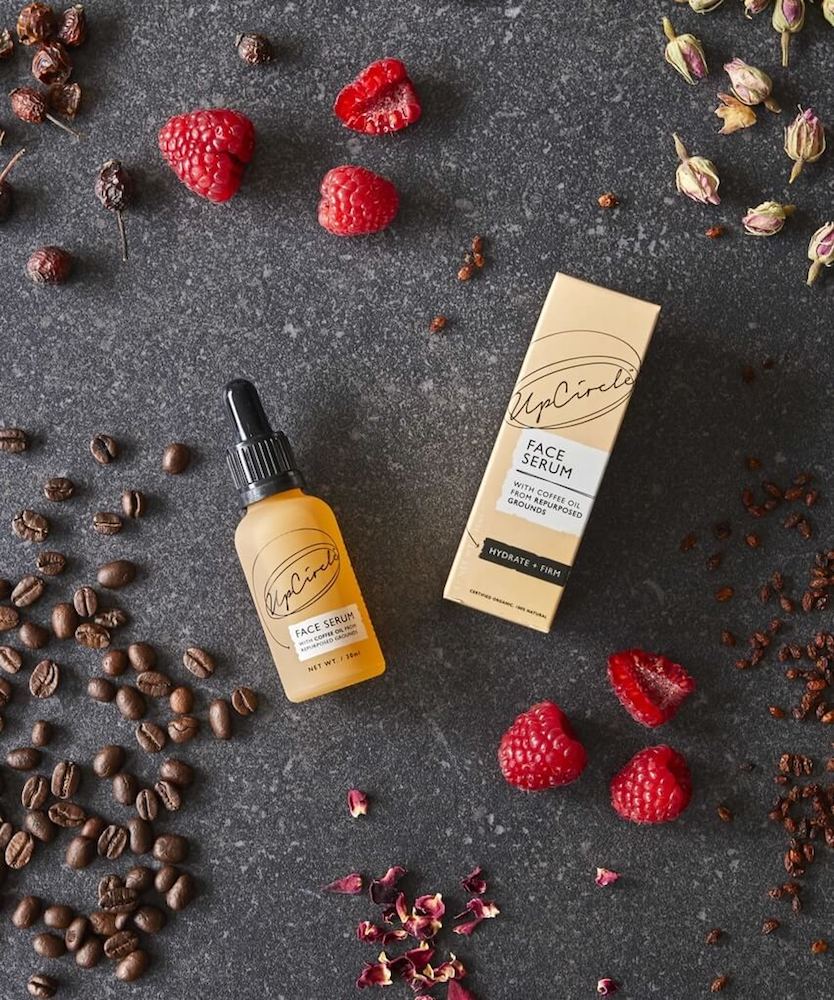
One of the most compelling reasons to gravitate toward natural ingredients is their environmental impact. Conventional beauty products frequently incorporate synthetic chemicals derived from petroleum or indifferent manufacturing processes. These products contribute to pollution and the depletion of non-renewable resources. In contrast, brands like 100% Pure and Herbivore Botanicals commit themselves to the ethical sourcing of their ingredients. This approach not only preserves biodiversity but also supports sustainable agriculture practices. Ingredients like shea butter, coconut oil, and essential oils are typically produced in harmony with their ecosystems, helping to maintain a balanced environment.
- Reducing Plastic Pollution: The movement towards natural beauty often aligns with plastic-free packaging initiatives. Brands like Lush have embraced “naked” products, selling items without packaging or utilizing compostable materials, significantly cutting down plastic waste that often ends up in landfills and oceans.
- Minimal Chemical Footprint: Natural ingredients often have a simpler, cleaner profile compared to their synthetic counterparts. Many consumers are moving away from products laden with chemicals like parabens and phthalates, which have been scrutinized for their potential health risks. Brands that prioritize natural formulations, such as Tata Harper, appeal to the conscientious buyer who desires transparent, chemical-free skincare options.
- Encouraging Responsible Practices: By supporting brands that commit to sustainable natural ingredients, consumers can nudge the industry toward embracing accountable practices. Companies that responsibly source their materials contribute to social equity, empowering communities where these ingredients are harvested.
From this perspective, the use of natural ingredients is more than just a trend; it invites a comprehensive examination of the ethical ramifications behind every beauty product choice. As awareness spreads about how ingredients are sourced and the potential long-term environmental impacts of common beauty staples, it becomes easier for consumers to understand the importance of their choices. In turn, this knowledge has the power to shape purchasing patterns, encouraging brands to innovate and adapt to satisfy a market increasingly committed to sustainability.
Moreover, the intersection of sustainability and personal health cannot be overstated. As consumers become more health-conscious, they also seek to avoid toxic substances, particularly in products they use daily. Natural ingredients often correlate with reduced risks, laying the groundwork for a new kind of beauty ethos—one that champions not only personal beauty but also collective well-being. This duality signifies a pivotal shift in how beauty is defined; it is no longer a singular pursuit but rather a collective responsibility.
| Category | Advantages |
|---|---|
| Eco-Friendly Practices | Utilizes materials and processes that have minimal environmental impact, promoting biodiversity. |
| Health Benefits | Natural ingredients often lack harmful chemicals, reducing skin irritation and allergic reactions. |
Exploring the role of sustainability in beauty products reveals how eco-friendly practices can reshape consumer choices and manufacturing processes. By opting for natural ingredients, brands contribute to a healthier planet through sustainable sourcing and responsible agricultural methods. For instance, the use of organic farming reduces pesticide runoff, preserving the ecosystem.On the health front, these natural ingredients can profoundly affect our well-being. They offer comparable performance to synthetic alternatives while avoiding harsh chemicals often linked to skin issues and allergies. This growing awareness among consumers is driving a shift towards brands that prioritize transparency in their ingredient sourcing. As the demand for naturally sourced beauty products climbs, the beauty industry is being challenged to adapt and innovate sustainably, further entwining environmental consciousness with consumer health. Through a balance of responsibility and performance, the beauty sector not only adds value to its offerings but also serves a greater purpose: the well-being of its consumers and the environment.
DON’T MISS: Click here to discover more
Understanding the Impact on Biodiversity and Local Communities
Choosing natural ingredients extends beyond personal benefits; it ties directly into the intricate web of biodiversity and the well-being of local communities. Modern-day consumers are increasingly aware of the crucial role that their purchases play in safeguarding ecosystems. Ingredients such as aloe vera, argan oil, and rosehip are not only beneficial for skincare but also serve as lifelines for the communities that cultivate them.
For instance, the argan tree, endemic to Morocco, is a keystone species that supports both the environment and local livelihoods. The production of argan oil is a community-driven effort, providing decades of traditional knowledge that promotes sustainable agricultural practices. Organizations like Women’s Argan Cooperative empower local women to manage the argan tree cultivation sustainably, ensuring that both economies and ecosystems thrive. This model of community sustainability is exemplary of the positive impacts when natural ingredients are sourced ethically.
- Biodiversity Conservation: Utilizing natural ingredients can help stimulate conservation initiatives. For example, when beauty brands prioritize the sustainable sourcing of ingredients like frankincense or myrrh from the resin of endangered Boswellia trees, they not only secure their supply chain but also contribute to the conservation of their natural habitats. Such practices help protect species that might otherwise be threatened by over-exploitation.
- Promotion of Agro-Biodiversity: In regions where biodiversity is rich but under threat, promoting natural ingredients encourages the use of a variety of plants, ensuring that agricultural ecosystems remain resilient. Companies that incorporate a diverse array of natural extracts—such as hibiscus, chamomile, and green tea—support the growth of local agricultural diversity, which leads to healthier ecosystems.
- Investment in Sustainable Futures: By committing to sustainable ingredients, brands play a vital role in fostering a circular economy. The shift towards utilizing renewable resources can lead to long-lasting economic stability. Successful companies often invest in farming communities, offering fair wages and encouraging organic farming techniques that better the environment in the long run. This reduces dependency on harmful pesticides, thus promoting healthier soil and ecosystems.
Moreover, as the industry shifts to prioritize natural ingredients, the necessity for proper regulations and standards becomes paramount. The Natural Products Association and other regulatory entities are indispensable in establishing rigorous guidelines that ensure corporations uphold ethical and sustainable practices in sourcing natural ingredients. By adhering to these regulations, companies gain credibility, paving the way for consumers to make informed decisions about the products they choose to invest in.
The interplay between consumer choices and biodiversity conservation highlights a growing recognition of the beauty industry’s potential to effect significant change. When individuals select products with consciously sourced natural ingredients, they actively support not only personal wellness but also a broader commitment to the planet’s health, fostering a culture where sustainability is prioritizd as a fundamental part of the beauty standard. This cooperation between buyers and brands can unleash a transformative power that is capable of redefining the future of the beauty landscape.
DISCOVER MORE: Click here to achieve your natural glow
Conclusion: A Sustainable Future for Beauty
In conclusion, the importance of sustainability in choosing natural ingredients for beauty products cannot be overstated. As consumers, we hold the power to influence the direction of the beauty industry through our purchasing choices. By opting for products infused with ethically sourced natural ingredients, we contribute to a broader movement that respects both our health and the planet’s ecological balance. The collective shift towards sustainability fosters not just individual benefits in personal care routines but also impacts biodiversity conservation and local communities positively.
The synergy between eco-friendly practices and personal well-being exemplifies an ethical beauty paradigm that prioritizes sustainability at its core. As the demand for natural ingredients rises, so does the necessity for brands to embrace transparent and responsible sourcing methods. Such diligence leads to a ripple effect where fair wages, community empowerment, and environmental preservation become intrinsic to the beauty narrative we all share.
Moreover, as consumers educate themselves about the beauty products they purchase, they play an integral role in holding companies accountable. This heightened awareness has led to innovations in sustainable practices and regulations, emphasizing the necessity for brands to adapt swiftly. An informed consumer base is paramount to ensuring that the beauty industry not only thrives but does so in alignment with the values of sustainability and care for our planet.
Ultimately, the confluence of natural ingredients, biodiversity, community empowerment, and responsible consumption paints a hopeful picture for the future of beauty. By making conscious choices today, we can pave the way for a healthier, more sustainable tomorrow where beauty and nature coexist harmoniously. Such is the transformative power that lies in embracing sustainability within the realm of beauty—a power rooted in collective action and shared responsibility.
Related posts:
The Role of Natural Ingredients in the Formulation of Anti-Aging Products
The Science Behind Natural Ingredients: How They Affect Skin and Hair Health
Benefits of Essential Oils in Skincare Routine
Natural Ingredients and the Personalization of Beauty Products: Emerging Trends
The Ethics of Using Natural Ingredients: How to Ensure Conscious and Responsible Beauty
How to Identify Authentic Natural Ingredients in Beauty Products: Tips and Tricks

Linda Carter is a writer and beauty expert specializing in skincare routines, cosmetic ingredients, and holistic self-care practices. With extensive experience helping individuals achieve healthy, radiant skin and make informed beauty choices, Linda shares her knowledge on our platform. Her goal is to empower readers with practical advice and science-backed strategies for lasting beauty and skin health.