Trends in Sustainable Skincare: Eco-Friendly Products and Conscious Practices for Skin Care
The Shift Towards Sustainable Beauty
As society becomes increasingly aware of climate change and environmental degradation, consumer choices are shifting dramatically, particularly in the skincare industry. The demand for eco-friendly products is not merely a trend; it reflects a cultural transformation where consumers are not just beauty enthusiasts but also informed advocates for sustainability. The convergence of beauty and environmental consciousness is reshaping how skincare brands operate.
One of the key aspects fueling this movement is ingredient transparency. Today’s consumers are more savvy than ever, seeking products with clear, understandable labels. Brands that provide exhaustive ingredient lists and leverage third-party sustainability certifications, like Ecocert or USDA Organic, are gaining favor among customers. For instance, brands like Drunk Elephant and Youth to the People have garnered loyal followings in part due to their dedication to honest and clean formulations.
Equally significant is the transition to recyclable and biodegradable packaging. Companies are stepping up to the challenge of reducing plastic waste, which poses severe threats to marine life and ecosystems. Brands like Physician’s Formula have embraced this shift by utilizing recycled materials in their packaging, while others, like Corine de Farme, are pioneering fully biodegradable containers that leave no trace on the environment.
Embracing Natural Beauty
The demand for natural formulations is skyrocketing as consumers seek to minimize their exposure to synthetic chemicals. Ingredients like organic oils, botanical extracts, and natural clays are becoming staples in many skincare regimens. For instance, products featuring ingredients such as shea butter and plant-based essential oils provide effective results while being kinder to the planet. Brands like Herbivore Botanicals excel in creating high-performance skincare solutions derived from plant-based sources, appealing to eco-conscious buyers.
Rethinking Daily Routines
In addition to choosing products with care, many consumers are reinventing their daily skincare routines to reflect their sustainable values. Minimalism is taking center stage, as individuals streamline their regimens, focusing on quality over quantity. For example, a simple routine that includes a cleanser, moisturizer, and sunscreen can often yield better results than a complex array of products.
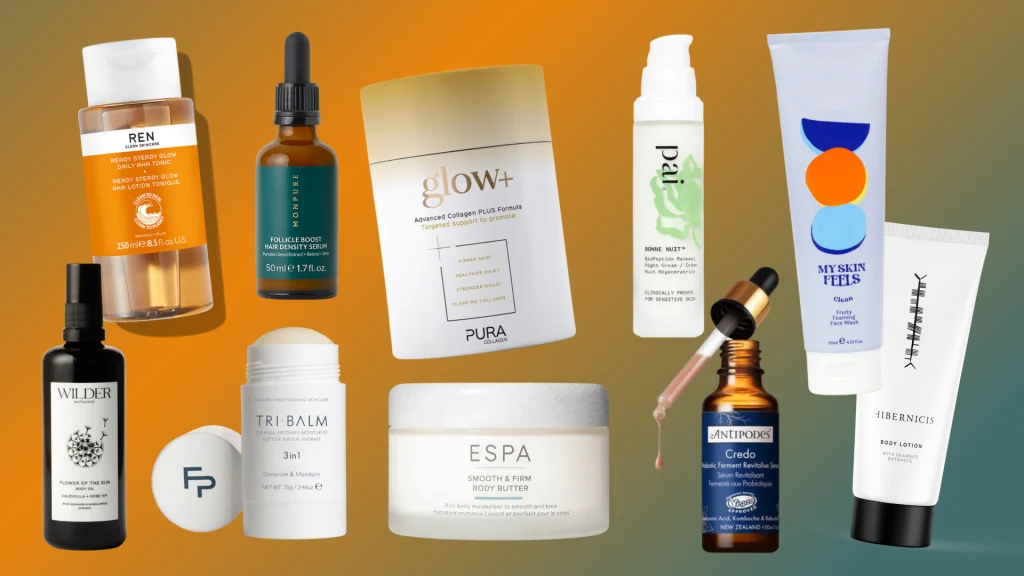
Another rising trend is the use of DIY remedies. Consumers are harnessing the power of natural ingredients found in their kitchens to craft effective skincare solutions. Recipes featuring ingredients like honey, coconut oil, and avocado are gaining popularity, offering an environmentally friendly alternative to commercial products.
Furthermore, the principle of mindful consumption encourages individuals to make intentional purchases. Skincare enthusiasts are increasingly seeking brands that align with their ethical beliefs, often favoring companies that prioritize social responsibility and sustainable practices. This conscious mindset not only fosters a closer connection with the products but also supports a larger movement towards environmental stewardship.
As we delve deeper into the realm of sustainable skincare, we will spotlight innovative brands and emerging practices that are leading the charge towards a greener beauty world. By embracing these changes, consumers can make informed choices that benefit both their skin and the planet.
DIVE DEEPER: Click here to learn more
Exploring Concrete Actions in Sustainable Skincare
The trend of sustainability in skincare extends beyond just product selection; it involves a comprehensive approach that incorporates ethical sourcing, environmentally conscious manufacturing processes, and community-based initiatives. As consumers become more discerning, they expect brands to take tangible actions that align with their values. The rise of ethical beauty brands reflects this demand, as companies integrate sustainability into the core of their operations, ensuring that their processes contribute positively to the planet and society.
One significant factor defining these brands is their commitment to sustainable sourcing. This means utilizing ingredients that are not only effective but also harvested in a manner that respects both people and the environment. For instance, companies like Algenist prioritize ocean-friendly ingredients, employing microalgae that not only rejuvenate the skin but are also sustainably cultivated. This thoughtful approach to sourcing helps support biodiversity while minimizing negative environmental impacts.
The Role of Certifications
Certifications play a vital role in guiding consumers towards truly sustainable options. Many brands seek endorsements from reputable organizations to authenticate their green claims. Some important certifications to look for include:
- Leaping Bunny: Indicates cruelty-free products that do not engage in animal testing.
- Fair Trade: Ensures ethical labor practices and fair wages for farmers and workers.
- Ecocert: A certification validating organic and environmentally friendly ingredients.
- CarbonNeutral: Ensures that a product’s carbon footprint has been measured and offset.
By choosing brands with these certifications, consumers can confidently support ethical practices and contribute to a more sustainable beauty industry. This increased awareness around certifications is empowering individuals to make informed purchasing decisions that reflect their values.
Impact of Social Responsibility
Beyond product ingredients and packaging, social responsibility is becoming a cornerstone of sustainable skincare. Brands are increasingly expected to engage in practices that benefit the communities where they operate. For example, companies like Ethique, known for their plastic-free shampoo bars, contribute a portion of their profits to environmental charities and sustainable initiatives. Such engagement fosters a sense of community and accountability, creating a ripple effect that extends the impact of sustainable practices beyond the products themselves.
Furthermore, consumer advocacy for ethical labor practices is steering more companies toward transparency in their supply chains. Shoppers are now interested in knowing where ingredients come from and the conditions under which they are produced. This trend has spurred a greater emphasis on ethical labor practices, with brands adopting fair wages and safe working environments as part of their commitment to sustainability.
As we navigate this evolving landscape, the intersection of eco-friendly products and conscious practices continues to redefine the skincare narrative. The exciting possibilities for innovation and meaningful connections are boundless, providing consumers with new avenues to contribute to a more sustainable beauty industry.
Innovations in Eco-Friendly Skincare Products
As the demand for sustainable products rises, skincare brands are evolving to meet the expectations of environmentally-conscious consumers. Innovative ingredients derived from nature, such as plant-based oils and biodegradable extracts, are taking center stage. Companies are now prioritizing natural formulations over synthetic chemicals, ensuring that their products are not only effective but also reduce harm to our planet. For instance, brands are increasingly using aloe vera, rich in antioxidants and known for its soothing properties, as a key component in their moisturizers.
Moreover, the packaging of these products is another area witnessing significant change. Many brands are opting for recyclable or compostable materials, thereby minimizing their carbon footprint. The shift towards refillable containers is not only reducing waste but also allowing customers to engage in sustainable practices without compromising on quality. With alternatives like bamboo, glass, and recycled plastic, consumers can feel empowered in their choices, promoting a circular economy within the beauty industry.
Conscious Practices in Skincare
Beyond product formulation, the practices surrounding skincare routines are evolving as well. The trending notion of ‘less is more’ emphasizes the importance of a streamlined approach to skincare — focusing on a few high-quality, multi-functional products instead of a cluttered cabinet of skincare items. This not only reduces waste but also encourages individuals to truly understand what works for their unique skin types.
Furthermore, the rise of DIY and homemade skincare is gaining traction, where individuals are encouraged to create their own products using simple, natural ingredients. This practice not only reduces reliance on commercial products but also fosters a deeper appreciation for what goes into one’s skincare routine, promoting mindfulness and self-care. Workshops and online tutorials are making these practices accessible to all, bringing the community together around shared values of sustainability.
As the world moves towards an increasingly conscious lifestyle, these trends in sustainable skincare emphasize a holistic approach to beauty — one that nurtures both our skin and the planet.
| Sustainable Ingredients | Environmental Impact |
|---|---|
| Natural Oils (e.g., Jojoba, Argan) | Biodegradable and no harmful chemicals |
| Eco-Friendly Packaging | Reduces plastic waste and encourages recycling |
| DIY Skincare | Promotes self-care and environmental mindfulness |
| Refillable Products | Minimizes waste and encourages sustainable consumer habits |
DIVE DEEPER: Click here to discover the benefits of natural ingredients in beauty products
Innovative Approaches to Sustainable Skincare
The landscape of sustainable skincare is not only about the ingredients or certifications; it’s also an arena buzzing with innovation. As consumers become more eco-conscious, brands are exploring creative ways to minimize their environmental footprint while still delivering effective and desirable products. One notable trend is the development of refillable packaging, which dramatically reduces waste associated with traditional skincare containers. Companies like RMS Beauty and Kiehl’s have embraced this model, allowing customers to refill their products, thus extending the life cycle of their containers and reducing plastic waste.
Alongside refillable packaging, the rise of waterless products signifies another innovative shift towards sustainability. By eliminating water from formulations, brands can decrease the volume transported, thereby saving resources during production and distribution. This approach can be seen in brands like Wild, which offers a range of solid skincare products that require no water, thus lessening the burden on the planet while still providing consumers with effective solutions.
The Push for Biodegradable Ingredients
As the quest for sustainability heightens, brands are also focusing on the biodegradability of the ingredients they use. With traditional synthetic ingredients posing risks to marine life and ecosystems, the shift towards natural alternatives is gaining momentum. Brands like 100% Pure focus on formulating products with ingredients derived from fruits and vegetables, ensuring that their offerings are safe for the environment when washed off post-use. This trend not only helps in reducing pollution but also promotes the idea of “clean beauty,” echoing the demand for transparency in production.
The Role of Community in Sustainable Practices
Another exciting aspect of the evolving sustainable skincare narrative lies in the role of community and collaboration. Several brands are launching initiatives that empower local farmers and artisans, fostering a connection between consumers and the origins of their products. For example, the Seed to Skin philosophy embraced by brands like Herbivore Botanicals highlights the journey of ingredients from small farms to final formulations. By supporting local ecosystems and economies, these brands not only promote sustainability but also enhance the cultivation of responsibly sourced ingredients.
Furthermore, emerging brands are prioritizing education and awareness in their missions. Many companies are initiating campaigns to educate consumers about the importance of sustainability within skincare, covering topics from the environmental impact of specific ingredients to the overall benefits of adopting a sustainable lifestyle. The Outer Circle, a brand focused on clean beauty, emphasizes the importance of both product integrity and educating consumers about their choices, aiming to create a more knowledgeable clientele.
Digital Innovations for Sustainability
In today’s tech-savvy world, the adoption of digital technologies is also contributing to sustainable practices in skincare. Brands are utilizing technology for better supply chain management, minimizing waste through data-driven insights. Moreover, augmented reality and virtual try-ons are revolutionizing the way consumers engage with products, potentially reducing the need for returns or overproduction. By enhancing the shopping experience, brands can mitigate the environmental impact generated by excess inventory.
In this dynamic landscape, innovative practices continue to emerge, reflecting the collective commitment to sustainability within the skincare industry. The brighter future of beauty hinges on the convergence of eco-friendly products and conscious efforts to protect our planet and its resources, allowing consumers to enjoy the best while preserving the environment for generations to come.
DISCOVER MORE: Click here to delve into the latest in skincare
Conclusion: Embracing a Sustainable Future in Skincare
The evolution of sustainable skincare reflects the growing awareness and responsibility that both consumers and brands have towards the health of our planet. As we have explored, emerging trends such as refillable packaging, waterless products, and the use of biodegradable ingredients are redefining beauty standards and shaping a new, eco-friendly paradigm. The rise of community-driven initiatives underscores the vital link between consumers and producers, fostering transparency and ethical practices within the industry.
Moreover, technological advancements play a crucial role in this transformation, as brands leverage digital innovations to optimize supply chains and enhance customer interactions. By understanding the environmental impact of their choices, consumers are becoming more empowered and informed, leading to a demand for integrity and responsibility in all aspects of skincare.
As we look ahead, it is clear that the path towards a sustainable future is rich with opportunities for both existing and emerging brands. The convergence of eco-friendly products and conscious practices not only addresses contemporary environmental challenges but also emphasizes the importance of self-care that respects the earth. In this expanding landscape, consumers are invited to join this movement, advocating for choices that align with their values while nurturing their skin and the planet.
The journey towards sustainability may be complex, but with growing awareness and innovative solutions, the possibilities are boundless. Embracing these trends means not just caring for oneself, but also taking strides to protect the world we live in, ensuring a brighter and healthier future for generations to come.
Related posts:
The Effects of Stress on the Skin: How to Incorporate Relaxation Techniques into Your Skincare Routi...
The Role of Technology in Skincare Routines: Devices and Apps that Transform Skin Care
The Importance of Personalization in Skincare Routines: How to Choose Products for Your Skin Type
The Importance of Customizing Your Skincare Routine for Different Skin Types
Skincare for Travelers: How to Maintain an Efficient Routine Anywhere
The Evolution of Skincare Routines Over the Decades: What We Learned from the Past

Linda Carter is a writer and beauty expert specializing in skincare routines, cosmetic ingredients, and holistic self-care practices. With extensive experience helping individuals achieve healthy, radiant skin and make informed beauty choices, Linda shares her knowledge on our platform. Her goal is to empower readers with practical advice and science-backed strategies for lasting beauty and skin health.