The Advances of Science in Anti-Aging Treatments: What’s New?
Exploring Innovative Anti-Aging Treatments
As advancements in science continue to unravel the complex mechanisms of aging, recent breakthroughs are prompting a reevaluation of how we understand youthfulness and longevity. With a wealth of cutting-edge research at our fingertips, the realm of anti-aging treatments is witnessing rapid and remarkable evolution. These innovations not only aim to extend lifespan but also enhance the quality of life, presenting an intriguing intersection of health, ethics, and our societal perceptions of aging.
Gene Therapy
Gene therapy has emerged as one of the most groundbreaking fields in genetic research, offering the potential to modify genes associated with aging. Researchers are investigating techniques that could reverse the cellular damage caused by age, which has implications for diseases like Alzheimer’s and cardiovascular disorders. For instance, a recent study highlighted how altering specific gene expressions might rejuvenate the function of aged cells, indicating a path toward more effective anti-aging therapies. The prospect of not just slowing down the aging process but actively reversing it invites both excitement and ethical considerations regarding its application in everyday life.
Stem Cell Treatments
Another avenue gaining traction is stem cell treatments. These therapies draw on the remarkable ability of stem cells to differentiate into various types of cells, thus offering the promise of regenerating aging or damaged tissues. In the realm of regenerative medicine, clinics across the United States are beginning to offer treatments that utilize stem cells to repair tissues joint problems and perhaps enhance overall organ functionality. For example, some advanced therapies are already in use for conditions such as osteoarthritis, where stem cells are injected to promote healing in worn-out joints, helping patients regain mobility and reduce pain.
Nanolotechnology
In the fight against aging, nanotechnology is also making waves by enabling the precise delivery of anti-aging compounds at the cellular level. Tiny nanoparticles are being engineered to transport nutrients and medications directly to target cells, significantly improving the efficacy of treatments. For instance, recent developments have shown that these nanoparticles can enhance the absorption of antioxidants, which play a vital role in combating oxidative stress—a key contributor to aging. This targeted approach not only maximizes the benefits of anti-aging treatments but also minimizes potential side effects, making it an exciting area to watch.
The implications of these groundbreaking developments are vast. As treatments evolve, there is a growing need to understand their broader implications on health, ethics, and societal norms surrounding aging. With a plethora of options emerging, consumers in the United States now face an array of choices that address not only cosmetic concerns but also chronic conditions intertwined with the aging process.
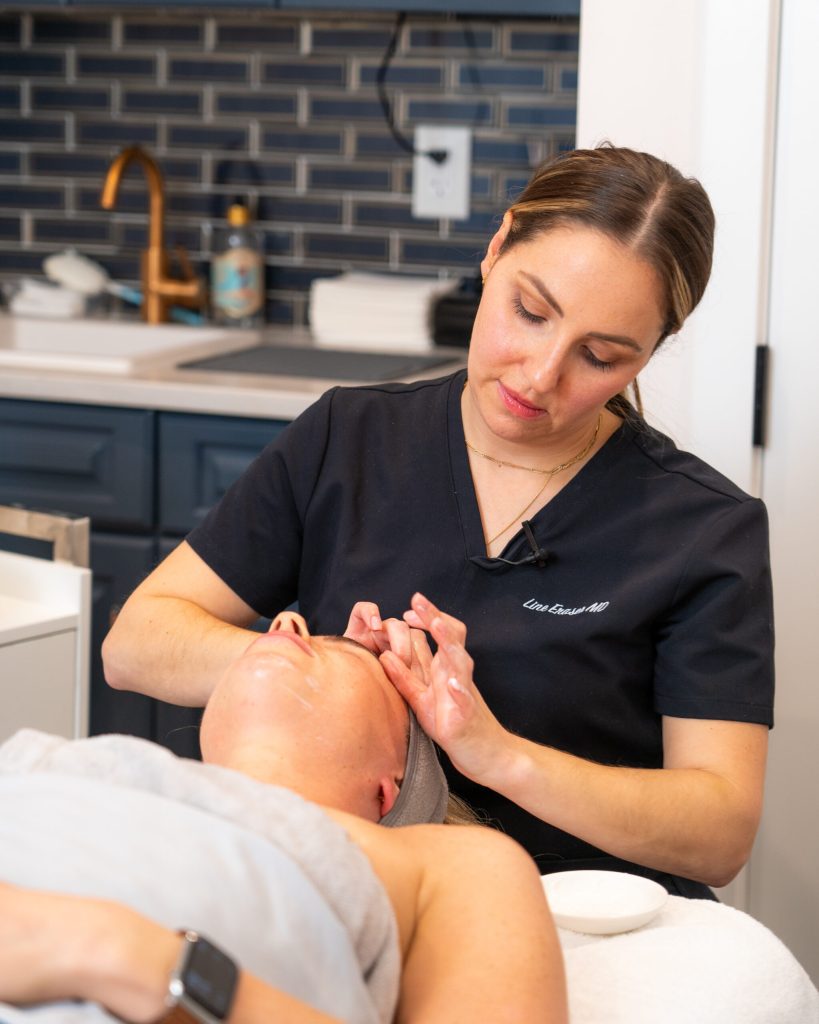
As we navigate this transformative landscape, it becomes essential to stay informed about these developments. Join us as we delve deeper into these cutting-edge treatments and uncover their potential to redefine what it means to live a youthful life in the modern world.
DIVE DEEPER: Click here to discover more
Revolutionizing Wellness: The Future of Anti-Aging Treatments
The quest for eternal youth has captivated humanity for centuries, and as science advances, the dream of slowing or even reversing aging is becoming more tangible. New anti-aging treatments are emerging, drawing from diverse fields such as biology, technology, and genetics. Below, we explore some of the most promising and innovative approaches that are reshaping our understanding of aging and wellness.
Nutrition and Personalized Medicine
One of the most intriguing developments in the realm of anti-aging science is the focus on personalized nutrition. Recent research emphasizes the importance of tailoring dietary plans based on individual genetics and microbiomes. For instance, scientists are investigating how different foods can influence our aging process at a cellular level. This customized approach seeks to optimize the intake of vitamins, minerals, and anti-aging compounds, potentially prolonging life and improving vitality.
Some staples being highlighted in this research include:
- Antioxidant-rich foods such as berries and leafy greens, which help combat oxidative stress.
- Healthy fats, like omega-3 fatty acids found in fish, that support brain health and reduce inflammation.
- Fiber-packed foods that contribute to efficient digestion and overall gut health, playing a crucial role in longevity.
Artificial Intelligence in Drug Development
Another groundbreaking advancement comes from the intersection of artificial intelligence (AI) and pharmacology. AI technology is being utilized to revolutionize the drug discovery process, enabling researchers to identify potential anti-aging compounds much faster than traditional methods. By analyzing vast datasets, AI can predict how certain substances might affect aging at a cellular level, leading to innovative treatments tailored for age-related conditions.
For example, a recent AI-driven study explored existing drug compounds to find unexpected candidates with anti-aging properties. This streamlined process not only reduces the time and cost associated with drug development but also increases the chances of finding effective treatments for conditions such as Alzheimer’s and age-related macular degeneration.
Biotechnology and Telomere Research
Telomeres, the protective caps at the ends of our chromosomes, play a significant role in the aging process. As cells divide, these telomeres shorten, leading to cellular aging and death. Recent advancements in biotechnology are focusing on ways to extend the lifespan of telomeres to delay the aging process. Companies are exploring treatments that may one day rejuvenate telomeres, potentially enhancing cellular regeneration and promoting longevity.
The exploration of these therapies raises fascinating questions about the ethical implications and long-term effects of extending human life. As we continue to delve deeper into the science of aging, it is imperative to foster discussions around the impact of these advancements on society and what it means for our perception of aging.
Stay tuned as we further examine these pioneering anti-aging treatments, uncovering the potential they hold for redefining the aging experience in our modern world.
| Advancements in Treatments | Key Benefits |
|---|---|
| Stem Cell Therapy | Promotes regeneration of damaged tissues and potentially reverses signs of aging. |
| Gene Editing | Targets genetic factors of aging to improve cellular function and longevity. |
| Telomere Extension | Enhances cell lifespan, potentially staving off age-related diseases. |
| Nutrigenomics | Personalizes nutrition to combat aging at a molecular level, optimizing health. |
The advances outlined above represent significant strides in the anti-aging field. For instance, stem cell therapy is being hailed as a revolutionary approach, allowing for the reparation and rejuvenation of aging tissues. Gene editing offers a glimpse into the future where we can potentially alter our biological clock by correcting aging-related genes. Additionally, telomere extension technology could play a crucial role in significantly improving longevity by addressing the cellular aging process. Lastly, nutrigenomics offers an innovative strategy to tailor dietary interventions that can optimize genetic potential and fight against age-related decline. Delving into these topics reveals a wealth of possibilities aimed at enhancing life quality and extending lifespan, capturing the interest of researchers and readers alike in this rapidly evolving domain.
DIVE DEEPER: Click here to discover the benefits of essential oils
Gene Therapy and CRISPR Technology
Gene therapy has emerged as a groundbreaking innovation in the field of anti-aging treatments, primarily due to the development of CRISPR technology. This powerful tool allows scientists to make precise edits to the DNA of living organisms, opening new doors for combating age-related diseases. Researchers are exploring how CRISPR can be utilized to correct genetic defects that lead to premature aging or degenerative diseases.
One promising application involves targeting genes that regulate cellular repair mechanisms. By enhancing these processes, CRISPR may help extend the lifespan of cells, pushing back against the biological clock. Furthermore, studies have indicated that altering gene expressions linked to inflammation and oxidative stress can significantly improve the vitality of aged cells, promoting healthier aging.
Clinical trials are currently underway, investigating the safety and efficacy of gene therapies specifically designed for older adults. The implications of successful gene therapy for anti-aging could reshape our approach to health and longevity, enabling us to not only extend lifespan but also enhance life quality in our golden years.
Stem Cell Research and Regenerative Medicine
The field of regenerative medicine is rapidly advancing, particularly in harnessing the potential of stem cells for treating age-related ailments. Stem cells have the remarkable ability to develop into various cell types, making them invaluable in repairing damaged tissues and organs. Researchers are investigating methods to utilize stem cells to rejuvenate aging organs, such as the heart and lungs, which often suffer deterioration over time.
One groundbreaking approach involves mesenchymal stem cells (MSCs), which have shown great promise in anti-aging treatments. MSCs can reduce inflammation, promote tissue regeneration, and even influence the immune system, potentially countering many effects of aging. Recent studies suggest that injecting MSCs into older adults may significantly improve their health, energizing the body and enhancing physical capabilities.
Additionally, scientists are exploring the use of induced pluripotent stem cells (iPSCs) — cells programmed to revert to a stem cell-like state from mature cells. This technology offers the opportunity to create patient-specific therapies that effectively combat age-related ailments while avoiding rejection from the immune system.
Wearable Technology and Continuous Monitoring
Wearable technology is transforming the landscape of personal health management, particularly in the realm of anti-aging treatments. Devices such as smartwatches and fitness trackers are now equipped to monitor vital health metrics continuously, providing insights that can inform lifestyle choices and medical interventions.
These devices can track parameters such as heart rate variability, sleep patterns, and physical activity levels — all crucial indicators of aging and overall wellness. Emerging apps are utilizing this data to provide personalized feedback aimed at improving health outcomes and extending longevity. For instance, algorithm-driven recommendations can suggest dietary adjustments or exercise regimens tailored to individual needs, further enhancing anti-aging efforts.
Moreover, the integration of artificial intelligence with wearable technology is paving the way for predictive analytics. By analyzing large datasets, these technologies can help identify at-risk individuals for age-related diseases early on, allowing for timely and preventative measures.
With the convergence of these technological innovations, the landscape of anti-aging treatments is continuously evolving, offering novel strategies to enhance health span and fight the effects of aging. The future promises a plethora of possibilities that could significantly alter our understanding and experience of aging.
DISCOVER MORE: Click here to learn how nutrition impacts your skin
Conclusion
The advances of science in anti-aging treatments represent one of the most dynamic and promising fields of research today. From the revolutionary potential of gene therapy and CRISPR technology that allows precise DNA manipulation, to the exciting prospects of stem cell research and regenerative medicine, our understanding of aging and methodologies for improving health span are accelerating at an unprecedented pace. As we continue to unlock the complexities of cellular mechanisms and genetic expressions, we inch closer to therapies that can not only extend human lifespan but enhance the quality of life during those years.
Moreover, the integration of wearable technology and AI-driven analytics adds another layer of sophistication in personal health management. By continuously monitoring health metrics and providing tailored lifestyle recommendations, these innovations empower individuals to take proactive steps in managing their aging process. This convergence of technology, biology, and personalized healthcare positions us at the forefront of a transformative era in anti-aging treatments.
However, as these scientific advancements progress, it is crucial to remain aware of the ethical implications and long-term consequences they may bring. Questions surrounding accessibility, safety, and equity need to be addressed to ensure that the benefits of anti-aging research reach all segments of society. The journey into the future of aging is indeed exciting, and as researchers continue to explore the outer limits of possibility, society must prepare for the changes that will redefine the experience of aging.
In summary, the quest for effective anti-aging treatments is not just about living longer, but ultimately about living better. As we stand on the brink of potentially life-altering breakthroughs, the pursuit of health and vitality remains an exhilarating frontier ripe for exploration.
Related posts:
Light and Technology Therapies: Innovations in Anti-Aging Treatment
Advancements in Anti-Aging Technology: How Artificial Intelligence is Transforming Skincare
Facial Exercises: The New Trend to Rejuvenate Appearance
Natural vs. Synthetic Ingredients: What Really Works in Combating Aging
How Quality Sleep Affects Skin Aging and Solutions to Improve It
The Role of Hydration in Maintaining Skin Elasticity Over the Years

Linda Carter is a writer and beauty expert specializing in skincare routines, cosmetic ingredients, and holistic self-care practices. With extensive experience helping individuals achieve healthy, radiant skin and make informed beauty choices, Linda shares her knowledge on our platform. Her goal is to empower readers with practical advice and science-backed strategies for lasting beauty and skin health.