The Rise of Sustainable Beauty: How Natural Ingredients are Transforming Skincare Products
Shifting Paradigms in the Beauty Landscape
In the contemporary beauty industry, a significant transformation is underway, as an increasing number of consumers prioritize sustainability. This shift is not merely a trend but a profound re-evaluation of what it means to be beautiful in a world that increasingly values environmental health. More shoppers are gravitating towards products that are not only effective but also consciously crafted to reduce ecological impact.
Increased Awareness Among Consumers
The call for sustainable beauty products largely stems from a rise in awareness regarding environmental degradation and the impact of traditional beauty products. Many consumers are now seeking brands that actively minimize their carbon footprint, opting for items manufactured with organic and ethically sourced materials. This demand is especially notable among younger demographics, including millennials and Gen Z, who are often at the forefront of promoting eco-conscious behavior. According to a survey conducted by Nielsen, nearly 73% of millennials are willing to spend more on sustainable products, illustrating the power of consumer choice in driving industry change.
Transparency in Ingredient Sourcing
As part of this sustainability movement, brands are increasingly focusing on transparency, ensuring that consumers have a clear understanding of what they are applying to their skin. Gone are the days of convoluted ingredient lists filled with unrecognizable chemicals. Instead, many companies now proudly showcase simple, clean ingredient lists. This shift is not only beneficial for consumer trust but also aligns with regulatory changes that demand more informative labeling. For instance, brands like Drunk Elephant emphasize their commitment to clean beauty by avoiding what they call the “Suspicious 6,” which includes ingredients such as essential oils and silicones considered potentially harmful.
Innovative and Eco-Conscious Formulations
Innovation in formulations is at the heart of this movement; companies are blending traditional natural ingredients with cutting-edge scientific advancements. Notable plant-based ingredients like aloe vera, green tea, and jojoba oil are being harnessed for their remarkable skincare properties, providing hydration, soothing irritation, and delivering antioxidants that fend off environmental damage. This blend not only promotes healthy skin but reduces reliance on synthetic compounds that may be harmful to both consumers and the planet.
A Ripple Effect on Industry Practices
The sustainable beauty revolution extends beyond ingredient sourcing and formulation; it also encapsulates packaging and sourcing practices. Many brands are adopting eco-friendly packaging options, such as biodegradable materials and refill programs, that encourage a low-impact lifestyle. Local brands like Made Safe proudly declare their commitment to ethical sourcing and comprehensive ingredient vetting, further highlighting the industry’s push towards sustainability. As companies adopt these practices, consumer expectations are evolving, creating a new standard for beauty products that prioritize environmental responsibility.
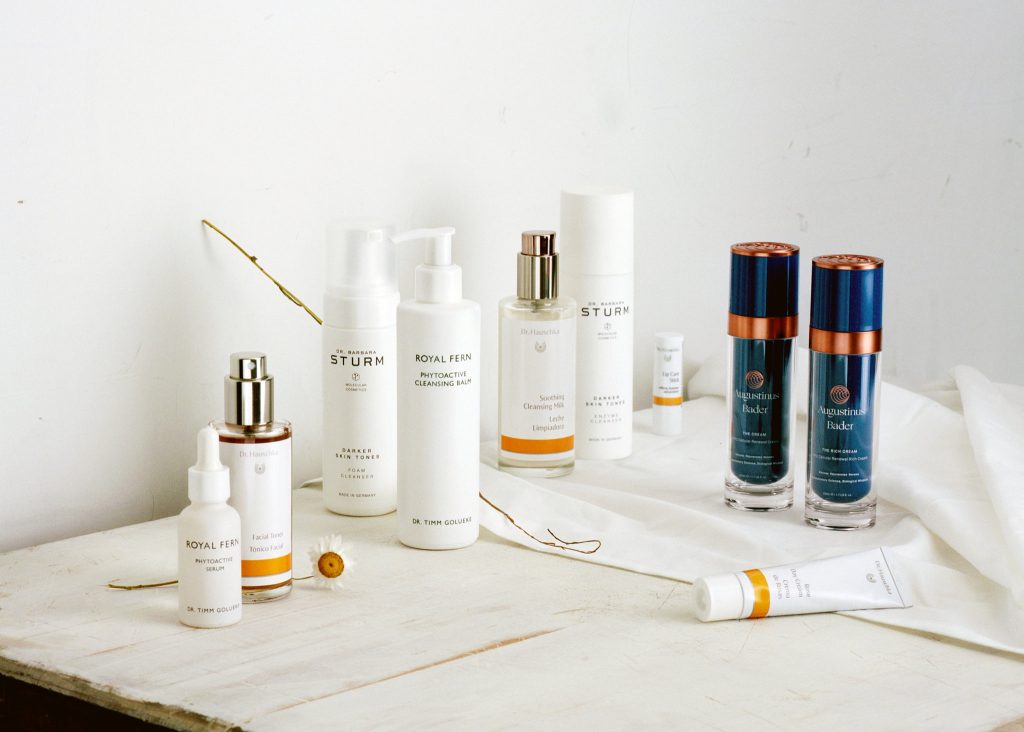
This growing momentum towards sustainable beauty showcases a collective aspiration for a greener future, prompting deeper discussions on environmental consciousness in our everyday choices. As consumers continue to champion brands that align with their values, it will be intriguing to observe how the beauty landscape adapts to these emerging calls for sustainability, creating a marketplace that prioritizes the health of the planet alongside the pursuit of beauty.
DISCOVER MORE: Click here for insights on sustainable skincare trends.
The Evolution of Consumer Preferences
As the sustainable beauty trend solidifies its standing in the skincare market, understanding the nuances of consumer preferences becomes essential. With heightened awareness of environmental issues, modern shoppers are becoming increasingly discerning about the products they choose. Research shows that a significant portion of consumers now actively seeks out products with natural ingredients. This shift represents a movement that transcends mere aesthetics, aiming for a more profound connection between individuals and the health of the planet.
Natural Ingredients Taking Center Stage
At the heart of sustainable beauty lies the commitment to natural ingredients. Ingredients such as shea butter, coconut oil, and activated charcoal are gaining popularity due to their effective properties and low environmental impact. These components not only provide skincare benefits but also align with a holistic approach to beauty that prioritizes health and safety. Here are some reasons why these natural ingredients are captivating consumers:
- Health Benefits: Natural ingredients often come with fewer side effects compared to synthetic alternatives, appealing to those with sensitive skin.
- Environmental Sustainability: Sourced responsibly, these ingredients typically have a lower environmental impact, which resonates with eco-conscious consumers.
- Ethical Practices: Many brands prioritize fair trade practices, ensuring that producers of natural ingredients are compensated fairly.
A Shift Towards Clean Beauty Standards
The concept of clean beauty is gaining traction as brands respond to consumer demands for products that are free from harmful chemicals. Ingredients such as parabens, sulfates, and phthalates are being scrutinized, leading to a push for cleaner formulations. According to a study from the Environmental Working Group (EWG), over 60% of consumers express concern regarding harmful chemicals in cosmetics, further supporting the demand for cleaner alternatives. Brands, in response, are developing products that include fewer ingredients, focusing on efficacy while eliminating anything considered unnecessary or harmful.
The Role of Scientific Advancements
The integration of scientific advancements with natural ingredients is another crucial aspect of this evolving beauty landscape. Companies are harnessing biotechnology to enhance the potency of natural extracts. For example, innovative extraction methods allow brands to maximize the benefits found in botanical ingredients. Vitamin C derived from plants is being fortified to deliver more substantial anti-aging benefits, while plant stem cells are now being used to rejuvenate skin health. This blend of nature and science is compelling for consumers who seek both effectiveness and sustainability in their skincare routines.
Future Implications for the Beauty Industry
As the sustainable beauty movement continues to gain momentum, it prompts industries to rethink their production and consumer engagement strategies. The future of skincare will likely be characterized by:
- Enhanced Traceability: Greater emphasis on knowing the source of ingredients.
- Eco-Friendly Practices: Companies adopting renewable energy sources and reducing waste in production.
- Community Engagement: Brands working closer with local communities to ensure ethical sourcing.
The dialogue surrounding sustainable beauty is evolving, with consumers increasingly becoming advocates for brands that reflect their values. As the industry adapts to these expectations, the next chapter of skincare promises to prioritize both individual well-being and the health of the planet, fostering an enlightened approach to beauty.
The Rise of Sustainable Beauty: How Natural Ingredients are Transforming Skincare Products
As the beauty industry evolves, there is a notable paradigm shift towards sustainable beauty, emphasizing the importance of using natural ingredients in skincare products. This movement not only caters to consumers’ rising awareness regarding chemical-laden products but also aligns with global sustainability goals. By harnessing the power of nature, brands are able to create formulations that are effective and environmentally friendly.
The use of natural ingredients—like botanical extracts, oils, and minerals—offers a wealth of benefits. For example, ingredients such as aloe vera and coconut oil are not only gentle on the skin but also packed with nutrients that promote hydration and healing. This shift reflects a broader trend of consumers demanding more transparency about what they apply to their skin. Brands are now obligated to highlight the source and sustainability of their ingredients, which builds consumer trust and loyalty. Furthermore, many consumers are inclined to support brands that take an ethical approach towards sourcing, thus driving companies to adopt sustainable practices.
The integration of sustainability is seen not only in formulations but also in packaging. Many brands are shifting towards eco-friendly packaging, utilizing recyclable materials, and minimizing plastic waste in response to growing concerns about climate change. This holistic approach helps to redefine the standards for beauty products and encourages others to follow suit. As a result, the landscape of beauty is becoming increasingly focused on both efficacy and sustainability.
Advantages of Natural Ingredients in Skincare
| Category | Benefits |
|---|---|
| Gentle on Skin | Natural ingredients are less likely to irritate, making them suitable for sensitive skin. |
| Nutrient-Rich | Packed with vitamins, minerals, and antioxidants that promote skin health and vitality. |
In conclusion, the rise of sustainable beauty, driven by the use of natural ingredients in skincare, not only transforms product formulations but also reshapes the industry standards. As more consumers choose to embrace sustainable options, the momentum for change continues to grow, encouraging brands to adopt practices that celebrate both beauty and the planet.
DISCOVER MORE: Click here to learn how skincare can help
Emerging Trends in Sustainable Beauty
The rise of sustainable beauty has triggered several key trends that are shaping the way consumers view skincare products. Brands are evolving to meet the demand not only for natural ingredients but also for effective formulations that align with the ethical values of their customers. Here, we explore some of the most noteworthy trends that are reimagining the beauty industry.
The Popularity of Zero-Waste Packaging
As consumers become more conscious of their ecological footprint, the demand for zero-waste packaging is accelerating. Traditional beauty packaging, often made of plastics, contributes vastly to landfill waste. To combat this, brands like Lush and Ethique are leading the charge by implementing packaging-free products or using biodegradable materials. This trend is not merely a fad; a study by Forum for the Future reveals that 90% of consumers want brands to switch to sustainable packaging solutions. As a result, brands are also adopting refill systems that encourage consumers to return containers, thus fostering a circular economy.
Subscription Models and Personalized Skincare
Subscription models have gained traction, catering to the growing demand for personalized skincare routines. Companies like Birchbox and Ipsy allow consumers to discover sustainable beauty products tailored to their specific skincare needs. This approach not only empowers shoppers to experiment with natural ingredients but also reinforces their commitment to sustainability. The concept of personalized beauty extends beyond merely matching products with skin types; it involves a comprehensive approach that considers individual values regarding ethical sourcing and environmental impact.
Community-Centric Brands
There is a noticeable shift towards community-centric brands that emphasize local sourcing and social responsibility. Brands like Herbivore Botanicals are taking meaningful steps toward supporting local farms and communities, forging connections that enhance the integrity of their ingredients. This trend mirrors an increasing desire for transparency, as consumers are eager to know the origins of their products and the ethical practices behind them. Statistics show that 72% of millennials are willing to pay more for ethically sourced products, compelling brands to embrace a socially responsible ethos.
The Role of Influencers and Social Media
In this digital age, the influence of social media on consumer behavior cannot be overstated. Many skincare brands are enlisting influencers to promote sustainable beauty practices, leveraging platforms like Instagram and TikTok to showcase the benefits of natural ingredients. This has opened up new channels for education and engagement; consumers can now access tutorials and product reviews that reinforce their commitment to sustainable beauty. According to a report by HubSpot, 78% of consumers admitted that social media posts from influencers impacted their purchase decisions. Thus, influencers are not just sharing beauty tips—they’re shaping an entire movement.
The Importance of Education and Awareness
Educating consumers about the merits of sustainable beauty is imperative for shifting perceptions. Brands are increasingly investing in educational resources—from blog posts to interactive webinars—that demystify natural ingredients and highlight their benefits. Recent research from Green Beauty Team suggests that 66% of consumers are willing to change their purchasing habits based on these educational initiatives. Empowering consumers with knowledge about the environmental benefits of choosing natural solutions and understanding ingredient origins will undoubtedly enhance brand loyalty and pave the way for an informed marketplace.
The landscape of skincare is not just evolving; it’s completely transforming. The embrace of sustainable and ethical practices is redefining what it means to care for ourselves and the planet, leading to a more informed and conscientious consumer base.
DISCOVER MORE: Click here to find out how quality sleep impacts your skin
Conclusion: A New Era of Conscious Beauty
The rise of sustainable beauty represents a significant shift in consumer expectations and industry standards. As more people prioritize natural ingredients and ethical practices, brands are compelled to adapt and innovate to stay relevant. The trends we’ve explored—such as zero-waste packaging, personalized skincare subscriptions, and community-centric initiatives—all illustrate a collective movement towards a more sustainable and responsible beauty landscape. This transformation is driven not only by consumer demand but by a growing awareness of the environmental impact tied to traditional beauty practices.
Additionally, the role of social media influencers cannot be understated; their reach and ability to educate consumers fosters a community actively seeking sustainable options. It’s clear that today’s consumers are not just purchasing products; they are investing in brands that reflect their values, aligning beauty with principles of sustainability and integrity. Moreover, as companies focus on educational initiatives that inform consumers about the benefits of natural ingredients, they bolster brand loyalty and create a well-informed marketplace.
As we move forward, the future of beauty promises to be inclusive of sustainable solutions and transparency. It beckons consumers to make choices that are not only beneficial to their skin but also kind to the planet. By embracing these changes, we have the potential to not only redefine skincare routines but also to leave a lasting positive impact on our environment. The sustainable beauty revolution is here, and it invites us all to join the journey.
Related posts:
The Importance of Sustainability in Choosing Natural Ingredients for Beauty Products
The Revolution of Natural Ingredients: How Beauty Brands Are Changing the Industry
How Natural Ingredients Are Transforming the Makeup Industry: Trends and Innovations
How to Identify Authentic Natural Ingredients in Beauty Products: Tips and Tricks
Benefits of Essential Oils in Skincare Routine
The Ethics of Using Natural Ingredients: How to Ensure Conscious and Responsible Beauty

Linda Carter is a writer and beauty expert specializing in skincare routines, cosmetic ingredients, and holistic self-care practices. With extensive experience helping individuals achieve healthy, radiant skin and make informed beauty choices, Linda shares her knowledge on our platform. Her goal is to empower readers with practical advice and science-backed strategies for lasting beauty and skin health.