The Role of Strategy Games in Improving Problem-Solving Skills
Uncovering the Impact of Strategy Games
In today’s fast-paced world, honing problem-solving skills is more crucial than ever. While many may consider strategy games as mere entertainment, they actually serve a significant purpose in enhancing these vital skills. By presenting a variety of complex challenges, strategy games encourage players to think critically and adapt swiftly to evolving scenarios, thus promoting cognitive growth.
Here’s how engaging with strategy games can enhance problem-solving abilities:
- Critical Thinking: These games require players to assess multifaceted situations and make critical decisions based on often incomplete information. For instance, in a game like Risk, players must weigh the risks of sending troops into battle against their opponents while considering the potential outcomes and the overall strategy of claiming territories. This cultivates the ability to analyze situations from multiple perspectives.
- Resource Management: Games like Civilization teach players how to effectively allocate finite resources—such as time, money, and manpower—to navigate various challenges within the game. Players must strategize to build a civilization that can thrive through trade, science, and military might, highlighting real-world skills in planning and prioritization.
- Adaptability: Flexibility is essential in strategy games, as users learn to adjust their approaches based on opponents’ moves and shifting game conditions. In StarCraft, for example, players must quickly alter their tactics in response to the strategies employed by their rivals, pushing them to think on their feet and be innovative in their problem-solving.
Notable examples of strategy games that have stood the test of time and continue to attract players of all ages include:
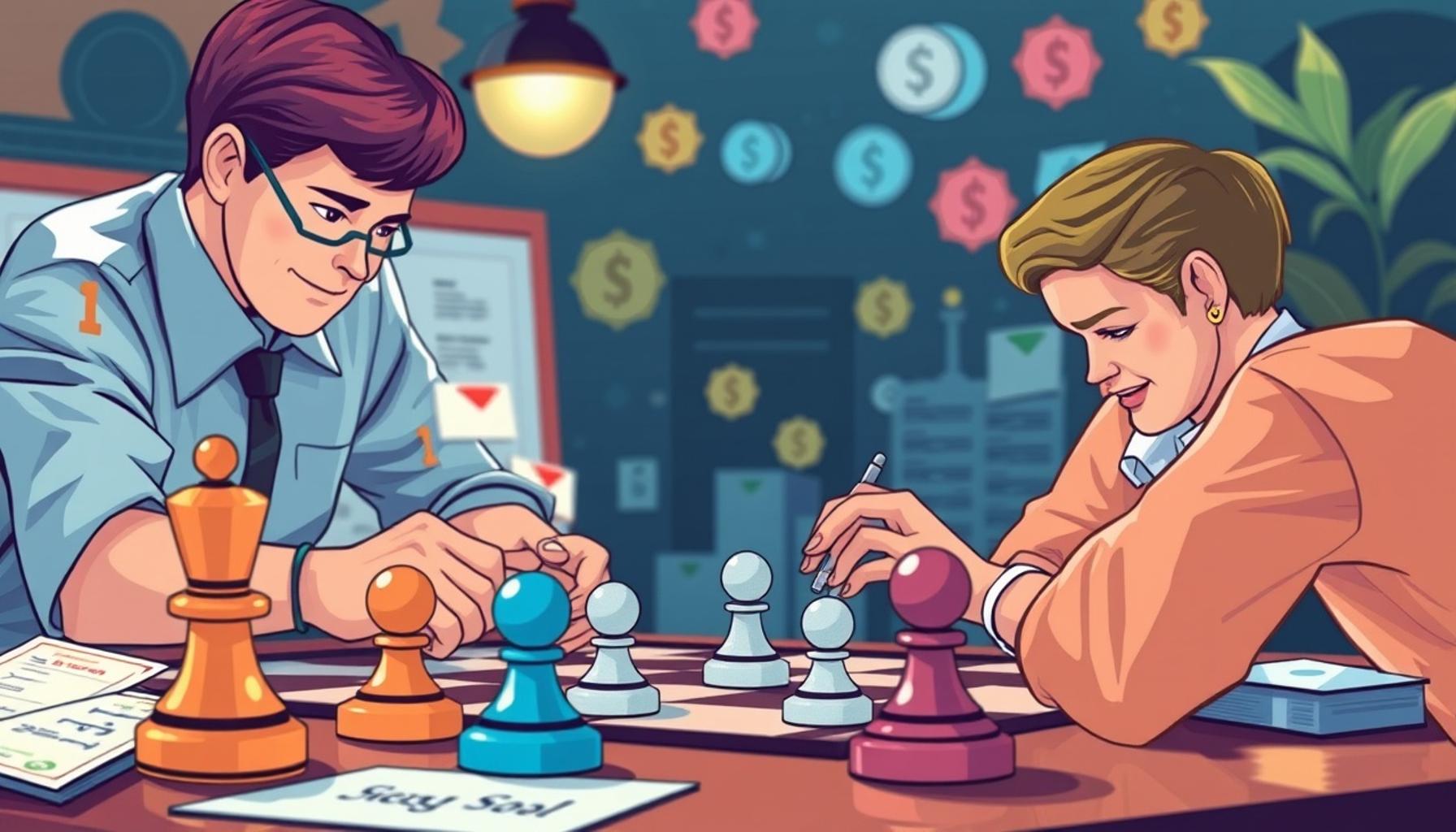
- Chess, a classic game that requires players to embody foresight and meticulous planning by anticipating their opponent’s moves several steps in advance.
- StarCraft, a real-time strategy game where rapid decision-making and effective tactical execution can mean the difference between victory and defeat in fast-paced scenarios.
- Civilization, where players engage in long-term strategies involving complex resource management and diplomacy as they guide their civilization from ancient times into the future.
By engaging with these games, individuals not only enjoy a challenging and entertaining pastime but also develop skills that are applicable to real-world situations. The compelling nature of strategy games makes them not just a hobby but a practical tool for improving cognitive functions. It is through these platforms that people can foster a deeper understanding of critical thinking, resource allocation, and adaptability, which are essential in both personal and professional contexts.
Furthermore, research has shown that participation in strategy games can lead to improved performance in academic and career-related tasks. For instance, students involved in strategy gaming often exhibit enhanced mathematical skills, better memory retention, and increased focus—qualities that are invaluable in today’s competitive landscape. Thus, embracing the world of strategy games may offer an unexpected route to personal development and lifelong learning.

DISCOVER MORE: Click here to delve deeper
Engagement Through Complex Challenges
One of the most compelling aspects of strategy games is their ability to immerse players in multifaceted challenges that require a strategic approach. Unlike traditional video games, which often prioritize quick reflexes and hand-eye coordination, strategy games center around the cognitive demands of planning, execution, and evaluation. The need for effective problem-solving rises to the forefront as players navigate through various dilemmas, further highlighting the cognitive benefits associated with these games.
Problem-solving capacities are not merely enhanced by the act of playing; instead, the environment within these games fosters a mindset focused on analytical thinking. Players are regularly placed in situations where they must forecast potential setbacks while developing corresponding strategies to overcome them. For example, in a game such as Age of Empires, players are pushed to consider multiple approaches when expanding their territories, negotiating with other players or AI-controlled civilizations, and managing a range of resources. These elements are all designed to simulate real-life challenges, making them an excellent training ground for effective problem-solving.
Elements of Strategy Games that Enhance Skills
The mechanics of strategy games include various elements that directly contribute to the enhancement of problem-solving skills. Below are key components that illustrate how engaging with strategy games leads to improved cognitive functions:
- Strategic Planning: Players must outline comprehensive strategies that include both short-term tactics and long-term objectives. This dual-layer approach encourages foresight and the consideration of various outcomes, as each decision can drastically affect future gameplay.
- Complex Decision-Making: Strategy games often present players with multiple pathways and scenarios. They must evaluate the potential risks and rewards of each decision, honing their ability to make informed choices. In games like Europa Universalis, players manage empires while engaging in trade, warfare, and diplomacy, creating a rich tapestry of decisions that leave lasting consequences.
- Team Collaboration: Many strategy games allow for multiplayer experiences, necessitating collaboration with other players. These interactions demand effective communication and the ability to integrate diverse perspectives into a cohesive plan, which sharpens collaborative problem-solving skills.
- Trial and Error: Failure is often part of the gaming experience. Players quickly learn from their mistakes, requiring them to analyze past decisions and adapt their strategies moving forward—replicating the iterative nature of real-life problem-solving.
As players dive deeper into the complexities of these games, they cultivate a toolkit of skills that can be translated into various aspects of life. The ingrained habits of assessment, adjustment, and strategizing lend themselves to academic pursuits and professional growth. Emphasizing the cognitive element of gaming enriches the dialogue surrounding strategy games and their potential as more than just a pastime; they become instruments of cognitive development and lifelong learning.
The Impact of Strategy Games on Cognitive Development
Strategy games have long been regarded as tools for enhancing cognitive abilities, particularly in problem-solving. Engaging in these games requires players to think critically and explore multiple pathways to achieve their goals. This mental exercise not only sharpens analytical thinking skills but also fosters creativity in devising unconventional solutions to complex challenges. Through the comparison of various strategies and outcomes, players enhance their ability to adapt and innovate, crucial components in both educational and professional settings.
Social Interaction and Collaborative Problem Solving
Many strategy games incorporate elements of teamwork and competition, which further develop interpersonal skills. Players must communicate effectively, negotiate strategies, and often collaborate on solutions to win. This social interaction leads to a deeper understanding of group dynamics and enhances the ability to resolve conflicts—an essential problem-solving skill in today’s increasingly collaborative working environments. The cumulative effect of these interactions reinforces not only cognitive abilities but also emotional intelligence.
Real-World Applications of Strategic Thinking
The skills accrued through playing strategy games can be directly applicable to real-world scenarios. For instance, military leaders and business executives use strategy to navigate challenges and make informed decisions. By simulating complex environments where players must weigh risks and rewards, strategy games function as practical training grounds for emerging leaders. This application of strategic thinking encourages individuals to approach real-life problems with a well-rounded, nuanced perspective, further honing their problem-solving skills.
| Category | Advantages |
|---|---|
| Cognitive Skills | Enhances critical thinking and decision-making abilities. |
| Teamwork | Fosters collaboration and effective communication in problem-solving. |
| Real-World Applications | Prepares individuals for challenges in professional settings, enhancing strategic thinking. |
DISCOVER MORE: Click here to learn about the impact of Sudoku
Real-World Applications of Skills Gained from Strategy Games
The multifaceted skill set developed through playing strategy games often translates seamlessly into real-world situations, making players more adept problem-solvers in various domains. Whether in academic settings, workplaces, or everyday life, the principles learned in strategic gameplay can become invaluable tools for navigating complex challenges.
In the realm of education, the use of strategy games in curricula has garnered attention for their ability to enhance student engagement and critical thinking. Educators have harnessed these games to create immersive learning environments where students tackle historical events or scientific phenomena through strategic decision-making. For instance, educators utilizing games like Civilization VI encourage students to analyze the impact of their decisions on the development of societies, fostering a deeper understanding of both history and cause-and-effect relationships. This experiential learning format pushes students to actively apply problem-solving skills rather than passively absorbing information.
Career Advancement Through Enhanced Thought Processes
In professional settings, employers increasingly recognize the benefits of hiring individuals who possess strong problem-solving skills honed through strategy games. Many organizations emphasize “soft skills” such as communication, collaboration, and critical thinking in their recruitment processes. Players of games like XCOM or Starcraft often develop an ability to think on their feet and adapt strategies in response to an evolving environment, making them assets in fast-paced corporate climates. Furthermore, industries such as technology and engineering value candidates who demonstrate a keen analytical approach and can deconstruct complex problems, showcasing the practical consequences of gaming experiences.
- Project Management: The ability to set clear objectives, allocate resources efficiently, and foresee potential risks—skills refined in strategy games—are directly applicable to project management. Players adept at multitasking and balancing competing priorities are often more successful in delivering projects on time and within budget, a priority for many organizations.
- Negotiation Skills: Strategy games often involve negotiation with other players or computer-generated opponents, cultivating essential negotiation skills. In a business environment, these skills translate to higher success rates in closing deals or securing advantageous terms, essential elements in sales and contracts.
- Innovation: Engaging in strategy games stimulates creativity by forcing players to devise unique strategies that may not conform to traditional methods. This out-of-the-box thinking is a mainstay in industries that thrive on innovation, such as marketing and product development.
The analytical mindset that players acquire through continuous gameplay primes them to tackle challenges that are often recursive and nuanced, just like those encountered in strategy games. The ongoing practice of evaluating needs, developing strategies, and adjusting to feedback prepares individuals for complex problem-solving in their careers. As more people discover the benefits of incorporating strategy gaming into their skill-building repertoire, the potential for positive influence on both personal and professional development rises significantly.
DIVE DEEPER: Click here to discover more
Wrapping Up: The Enduring Benefits of Strategy Games
In conclusion, the exploration of strategy games reveals their profound impact on cultivating essential problem-solving skills that extend far beyond the realm of entertainment. As we’ve seen, these games not only enhance critical thinking, adaptability, and creativity but also create valuable connections to real-world applications in both personal and professional settings. The shift toward integrating strategy games within educational curricula underscores their effectiveness in developing engaged learners who can analyze situations and make informed decisions, preparing students for the complexities of the world around them.
Moreover, the skills honed through gameplay—such as project management, negotiation expertise, and innovative thinking—align closely with the demands of today’s dynamic workforce. Employers across various industries increasingly seek candidates who can demonstrate these capabilities, linking gaming experiences to competitive advantages in hiring practices. As the gaming industry evolves and continues to intertwine with educational frameworks and professional development programs, the conviction that strategy games are instrumental in shaping adept problem-solvers only strengthens.
To fully appreciate the value of strategy games, it is worthwhile for educators, employers, and individuals alike to actively engage with and promote these tools. By embracing strategic gameplay, we not only enhance our capacity for analytical thinking but also foster a culture where creativity and problem-solving flourish. The realm of strategy gaming stands as a testament to the idea that learning through play can lead to substantial growth, drastically influencing the problem-solving abilities that shape our society today and into the future.
Related posts:
The Effects of Memory Palaces on Spatial Memory Enhancement
Exploring the Effects of Memory Games on Cognitive Speed
How Puzzles Enhance Problem-Solving Skills and Memory Retention
How Playing Chess Enhances Strategic Thinking and Patience
Exploring the Impact of Mind Games on Mental Health and Cognitive Resilience
The Role of Strategy-Based Puzzles in Developing Critical Thinking Skills

Linda Carter is a writer and puzzle expert specializing in mind games, brain teasers, and cognitive challenges. With extensive experience helping individuals enhance their problem-solving skills and think critically, Linda shares her knowledge on our platform. Her goal is to empower readers with practical advice, engaging puzzles, and strategies to sharpen their minds and achieve success in the captivating world of mind games and puzzles.