How Brain Teasers Can Sharpen Logical Reasoning
The Art of Problem Solving with Brain Teasers
Have you ever wondered how some people effortlessly navigate through complex problems? The answer often lies in a unique mental exercise known as brain teasers. These stimulating puzzles are more than just entertaining diversions; they are powerful tools that can prime the brain for heightened cognitive performance.
Brain teasers come in various forms, including riddles, logic puzzles, and mathematical challenges. Each type requires different skills and encourages individuals to think outside the box. For instance, a riddle like, “What has keys but can’t open locks?” engages lateral thinking, prompting the solver to consider unconventional answers—such as a piano. This kind of mental flexibility is invaluable when faced with real-world challenges.
Benefits of Brain Teasers
- Improve analytical thinking – Engaging with brain teasers compels individuals to dissect problems into smaller, manageable parts, fostering a more systematic approach to challenges.
- Enhance problem-solving abilities – Regular practice with these puzzles equips individuals with a toolkit of strategies they can deploy in various situations, from workplace dilemmas to personal decisions.
- Boost memory retention – The mental exercise required to solve brain teasers can strengthen neural connections, making it easier to recall information.
- Stimulate cognitive development – Particularly for children and adolescents, these puzzles cultivate essential skills that contribute to overall brain development and academic success.
Incorporating brain teasers into daily routines can offer long-term advantages. For example, professional fields such as technology and engineering often require innovative solutions to intricate problems. Therefore, individuals who sharpen their reasoning skills through brain teasers may find themselves better equipped to tackle these challenges effectively.
In the United States, educators and mental health professionals increasingly advocate for integrating brain teasers into learning and therapy. Schools use logic puzzles during math classes, while therapists employ them as cognitive exercises to enhance mental flexibility.
The question then becomes: how can you seamlessly work brain teasers into your everyday life? Start by dedicating a few minutes each day to solve a puzzle from a book or an app, or even engage friends and family in a game of riddles. You might be surprised at the immediate benefits experienced through this enjoyable practice.
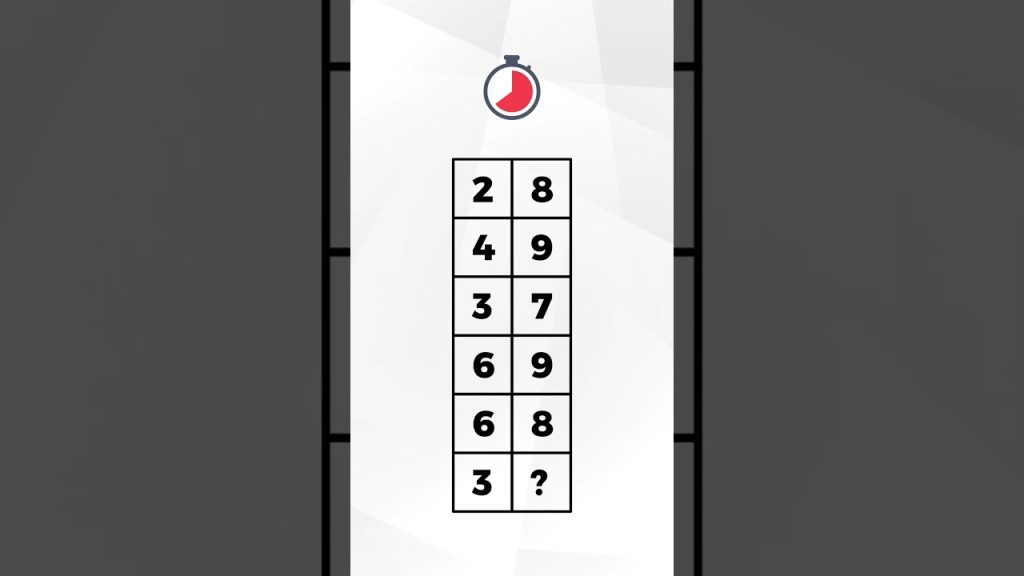
Ultimately, embracing brain teasers is not just about seeking entertainment; it’s about cultivating a sharper, more agile mind. So, embark on this journey today and unlock your brain’s potential!
DIVE DEEPER: Click here to discover the impact on teamwork
Unlocking the Mind: The Mechanics Behind Brain Teasers
When we talk about logical reasoning, we refer to the ability to analyze information, draw conclusions, and make decisions based on evidence. Brain teasers serve as a fascinating playground for this intellectual exercise. The very act of engaging with these puzzles and challenges can act as a cognitive workout, increasing one’s adeptness at reasoning through complex scenarios.
From elementary school classrooms in suburban America to corporate strategy meetings in bustling cities, the use of brain teasers has gained traction for fostering critical thinking. Logical reasoning is a skill that transcends age, and it is essential for success in various domains: education, professional fields, and everyday life. Here’s how brain teasers bolster these abilities:
- Encouraging Pattern Recognition: Many brain teasers require solvers to identify patterns within sequences or relationships. This aspect of problem-solving sharpens the ability to recognize underlying structures in more complex scenarios, whether in mathematical calculations or data analysis.
- Promoting Deductive Reasoning: Solving puzzles often entails making deductions based on given information. Engaging with brain teasers fosters the skill of drawing logical inferences—an ability that is crucial in fields like law and science.
- Enhancing Combinatorial Thinking: Some brain teasers involve finding the best combination of elements or strategies to arrive at a solution. This requires abstract thinking and an understanding of how parts relate to a whole, valuable in disciplines such as engineering or finance.
Moreover, indulging in brain teasers can lead to heightened mental resilience. Encountering a challenging puzzle can stimulate frustration; however, working through that challenge can cultivate patience and perseverance. Learning that not all problems yield immediate solutions reinforces the idea that some situations require time and multiple approaches to resolve.
Cognitive neuroscientists have conducted numerous studies to examine the impact of brain teasers on cognitive function. Findings suggest that individuals who regularly tackle these challenges often show improved cognitive flexibility—a critical component in navigating dynamic and complex environments. For instance, professions in technology and healthcare often necessitate quick, efficient decision-making, and individuals trained in logical reasoning are usually better prepared to handle emergencies or innovations.
In terms of academic performance, students engaging with brain teasers have been reported to excel. Schools across the United States have taken notice, integrating problem-solving based on brain teasers into their curricula to enhance students’ logical reasoning abilities. While the traditional methods of learning are indispensable, these innovative methods provide a refreshing twist, fostering an engaging learning environment.
As we continue to explore the numerous advantages of brain teasers, it becomes evident that these seemingly simple puzzles are not merely child’s play. Instead, they offer a serious cognitive payoff, sprinkling fun into the substantial work of developing logical reasoning skills. The question beckons: are you ready to indulge in this fascinating world of puzzles and boost your brain’s capacity?
Exploring the Impact of Brain Teasers on Logical Thinking
Brain teasers are more than just enjoyable puzzles; they serve as potent tools for enhancing logical reasoning. Engaging in exercises that challenge the mind can stimulate critical thinking and problem-solving skills. Numerous studies showcase how brain teasers elevate cognitive functioning, particularly in areas related to assessment and evaluation.
The Mechanism Behind Brain Teasers
When tackling brain teasers, individuals are prompted to approach problems from various angles, encouraging flexible thinking. This process is crucial as it develops the brain’s capacity to draw connections between seemingly unrelated concepts. Additionally, the persistence required to solve these puzzles cultivates patience and resilience in facing challenges.
Application in Real-World Situations
Incorporating brain teasers into your daily routine can translate into better decision-making abilities in real-world scenarios. Whether in a professional setting or personal life, heightened logical reasoning skills allow for more effective analysis of information and improved creativity in finding solutions. This can lead to enhanced performance at work, smarter financial decisions, and improved interpersonal communication.To further illustrate the benefits of brain teasers, the following table highlights some notable advantages in sharpening logical reasoning.
| Category | Benefits |
|---|---|
| Cognitive Enhancement | Improves problem-solving abilities and critical thinking. |
| Increased Patience | Fosters resilience in tackling difficult challenges. |
Integrating brain teasers into daily life not only sharpens logical reasoning but also nourishes the brain’s overall health, making them a worthwhile pursuit for individuals seeking mental enhancement. With consistent practice, the benefits can be widely observed across various aspects of life, paving the way for greater intellectual success.
DIVE DEEPER: Click here to discover the benefits of Sudoku
Expanding Cognitive Horizons: The Role of Brain Teasers in Daily Life
As multifaceted tools for enhancing logical reasoning, brain teasers also incorporate an element of fun that can transform mundane tasks into engaging activities. This playful nature makes brain teasers more approachable, leading not only to improved problem-solving skills but also to increased engagement and motivation in learning environments. Imagine a classroom where students are eagerly racing each other to solve a riddle or debating possible solutions to a puzzling scenario. This competitive spirit, embedded in brain teasers, fosters teamwork and collaborative learning, crucial skills in both educational and professional settings.
Additionally, brain teasers can be tailored to fit various age groups and cognitive stages. For younger children, simple puzzles such as age-appropriate riddles can spark curiosity and develop foundational reasoning skills. As children grow, the complexity can be adjusted, introducing them to logic games or mathematical challenges that promote deeper reasoning. For adults, more advanced puzzles can serve to maintain mental sharpness, acting as a barrier against cognitive decline—a significant concern for the aging population. Studies suggest that engaging with intellectually stimulating activities, like brain teasers, can enhance brain plasticity and may even reduce the risk of conditions such as Alzheimer’s disease.
The incorporation of brain teasers in workplaces has also gained momentum, especially in fields like marketing and product development, where innovative thinking is paramount. Many companies have adopted ‘puzzle breaks’ during team meetings to stimulate creative thinking. Employees immerse themselves in short brain teasers or logic challenges, after which they return to discussions with fresh perspectives. This technique not only rejuvenates minds but often leads to unexpected breakthroughs in strategy or design. A company known for its creative problem-solving culture, for example, is Google, which frequently leverages puzzles as part of its brainstorming sessions.
Moreover, the digital age has ushered a plethora of resources and apps that provide access to brain teasers at our fingertips. Platforms such as Lumosity or Brainteaser offer interactive puzzles that can train various cognitive skills, promoting logical reasoning, memory, and attention. These digital tools, coupled with tracking capabilities, allow users to monitor their progress and tailor their engagement according to personal development goals. The convenience of such tools means that brain teasers can seamlessly integrate with daily routines, making it easier for individuals to engage their minds even during short breaks in busy schedules.
The use of brain teasers extends beyond individual development; they are increasingly recognized in psychological practices as well. Therapeutic settings often employ cognitive exercises, including brain teasers, designed to enhance critical thinking and decision-making in clients. Therapists may use these puzzles as a means to build confidence in decision-making skills, helping individuals to navigate their lives more effectively. In such contexts, brain teasers serve not only as tools for honing reasoning but also as instruments for personal empowerment.
With their diverse applications across various spheres of life, brain teasers undoubtedly hold a profound potential to enhance logical reasoning, making them invaluable assets in both educational systems and professional environments. The interplay of fun and intellectual challenge invites everyone to engage in a lifelong quest of cognitive sharpening, proving that the mind’s playground is always open, just waiting for the next puzzle solver to step in.
DIVE DEEPER: Click here to discover more
Unlocking the Mind: The Lasting Impact of Brain Teasers on Logical Reasoning
In conclusion, brain teasers serve as a multifaceted tool that not only enhances logical reasoning but also brings an element of enjoyment to the cognitive process. Through their engaging nature, these puzzles stimulate curiosity and foster problem-solving abilities in individuals of all ages, from children to adults. By incorporating brain teasers into daily routines—whether in the classroom, workplace, or during leisure time—individuals can cultivate essential 21st-century skills like collaboration, creativity, and critical thinking.
Moreover, the adaptability of brain teasers to suit various cognitive stages allows for a tailored learning experience, ensuring that everyone finds a level that challenges yet encourages growth. With technology paving the way for easy access to a plethora of brain teasers and cognitive apps, individuals are empowered to take charge of their mental sharpness, seamlessly integrating cognitive challenges into their busy lives.
Importantly, the role of brain teasers in therapeutic settings cannot be overlooked, as they contribute to improved decision-making and critical thinking skills, offering personal empowerment to many. As we uncover the wide-ranging applications of brain teasers, it becomes evident that they are much more than just playful puzzles; they are gateways to a sharper, more agile mind.
So, whether you are a student, a professional, or simply a curious mind, embarking on the journey of solving brain teasers could unlock new dimensions of reasoning and creative thought—one puzzle at a time.
Related posts:
The Role of Strategy Games in Improving Problem-Solving Skills
Exploring the Impact of Mind Games on Mental Health and Cognitive Resilience
How Playing Chess Enhances Strategic Thinking and Patience
The Role of Strategy-Based Puzzles in Developing Critical Thinking Skills
Exploring the Effects of Memory Games on Cognitive Speed
The Effects of Memory Palaces on Spatial Memory Enhancement

Linda Carter is a writer and puzzle expert specializing in mind games, brain teasers, and cognitive challenges. With extensive experience helping individuals enhance their problem-solving skills and think critically, Linda shares her knowledge on our platform. Her goal is to empower readers with practical advice, engaging puzzles, and strategies to sharpen their minds and achieve success in the captivating world of mind games and puzzles.