Menu

Unveiling the Future: How Strategy Exercises in Mind Games Can Enhance Decision-Making in Critical Situations

Mind games enhance decision-making in critical situations by fostering focus, creativity, and stress management. Engaging in strategic exercises develops cognitive flexibility, risk assessment skills, and emotional intelligence, equipping individuals and organizations to navigate complexities and make informed choices under pressure. Embracing these tools promotes resilience and innovative problem-solving.

Developing Critical Thinking: The Impact of Strategic Puzzles on Problem Solving

This article explores how strategic puzzles enhance critical thinking and problem-solving skills. By engaging in analytical challenges, individuals develop creative solutions, improve resilience, and foster collaboration. The integration of these puzzles into education and professional settings prepares learners and employees for complex real-world challenges, promoting innovation and adaptability.

Competition and Collaboration: The Dynamics of Strategy Exercises in Board Games

Explore the fascinating interplay of competition and collaboration in board games, where strategic exercises challenge players to navigate alliances and rivalries. Game mechanics foster critical decision-making, highlighting the complexities of social interaction and human behavior. Engage with these dynamics to enhance your gaming experience and understand teamwork in everyday life.

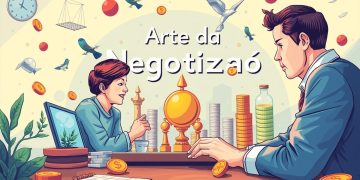
The Art of Negotiation: How Strategy Games Enhance Your Interactive Skills

Mastering negotiation skills is essential in today's interactions, and strategy games offer a unique platform for skill development. By engaging in complex scenarios, players enhance problem-solving, social dynamics, and emotional intelligence. These experiences foster effective communication and adaptability, preparing individuals for successful negotiations in real-life situations.

The Art of Strategy: How Board Games Develop Critical Thinking Skills

Board games are effective tools for enhancing critical thinking skills, fostering analytical abilities, decision-making, teamwork, and communication. Engaging in strategic gameplay not only sharpens cognitive growth but also promotes collaboration and social interaction, making board games valuable for personal and educational development in today's complex world.

The Evolution of Strategy Games: From Tradition to Innovation in Modern Puzzles

Explore the captivating journey of strategy games as they transition from traditional board games like chess and Go to innovative digital experiences. This evolution highlights advancements in technology, gameplay mechanics, and storytelling, resulting in complex, engaging interactions that appeal to diverse audiences in modern puzzles.

Collaboration Strategies in Team Games: The Importance of Communication in Collective Puzzles

Effective communication is essential in team games, driving collaboration strategies that enhance performance in collective puzzles. By defining roles, practicing active listening, and utilizing technology, teams can foster trust and adaptability, ultimately leading to successful outcomes in competitive environments. Emphasizing these communication methods cultivates a cohesive team dynamic.

The Role of Strategy Games in Education: Shaping Critical Minds Since Childhood

Strategy games are revolutionizing education by developing critical thinking, teamwork, and emotional intelligence in children. These engaging tools foster cognitive skills through interactive play, preparing students for real-world challenges. Their integration into curricula promotes digital literacy, resilience, and collaboration, shaping well-rounded thinkers for the future.

Developing Planning Skills through Logic and Strategy Puzzles

Engaging with logic and strategy puzzles enhances planning skills by fostering critical thinking, decision-making, and adaptability. These puzzles improve problem-solving abilities, concentration, and resource management, translating to real-world applications in education and professional settings, ultimately unlocking personal and professional potential.


Mind Games and the Psychology of Strategy: How Cognitive Challenges Influence Decision-Making

This article explores the profound impact of mind games and cognitive challenges on decision-making. It highlights how psychological factors, like cognitive biases and emotional responses, shape strategic choices in various contexts, including chess, negotiations, and sports. Understanding these dynamics enhances our ability to navigate complex decisions effectively.