Classic vs. Modern Brain Teasers: A Comparison of Challenges and Strategies
Understanding the Appeal of Brain Teasers
Brain teasers have long captivated the minds of individuals seeking to sharpen their cognitive skills while enjoying an entertaining pastime. These mental challenges not only provide a source of amusement but also stimulate critical thinking and problem-solving abilities.
Classic Brain Teasers
Classic brain teasers have adorned books, family gatherings, and social settings for generations. Their simplicity and inherent wisdom make them timeless. Examples include classic riddles like the famous, “What has keys but can’t open locks?” with the answer being a piano. Logic puzzles, such as Sudoku, challenge players’ reasoning skills while word games like Scrabble engage vocabulary and spelling.
- Riddles: These often involve clever wordplay and can range from straightforward to highly intricate, appealing to all ages.
- Logic puzzles: Such as chess problems or grid-based mysteries, require systematic deduction and strategic planning.
- Word games: Classic games like crossword puzzles provide linguistic challenges that often require a broad knowledge of language and culture.
Modern Brain Teasers
Modern brain teasers have evolved with the advent of technology, incorporating digital elements that enhance engagement. Apps and online platforms offer interactive experiences, catering to a tech-savvy audience. For instance, digital escape rooms have revolutionized the traditional concept, inviting teams to solve riddles and puzzles in a virtual environment filled with captivating storytelling and immersive graphics.
- AI-generated challenges: Algorithms now generate new riddles and logic puzzles, providing an endless stream of resources for puzzle enthusiasts.
- Multimedia formats: Many modern teasers utilize audio and visual clues, making the experience more dynamic. For example, a puzzle may include a video segment where players must decipher visual clues to move forward.
- Mobile apps: Many apps now offer gamified mental challenges that track progress and provide feedback, appealing to a competitive audience.
Exploring Challenges and Strategies
Each type of brain teaser presents unique challenges that can vary significantly. From simple wordplay found in quick riddles to the complex dynamics of team-based puzzle-solving in digital escape rooms, these challenges cater to diverse preferences. While classic puzzles often emphasize linguistic and logical reasoning, modern teasers encourage teamwork, creativity, and adaptability.
As far as strategies go, inviting lateral thinking and experience-based approaches is crucial. Classic brain teasers generally benefit from a well-versed vocabulary and logical reasoning. On the other hand, modern puzzles may require players to adopt collaborative strategies, employing apps that may assist them in tracking clues or online forums that provide hints and solutions.
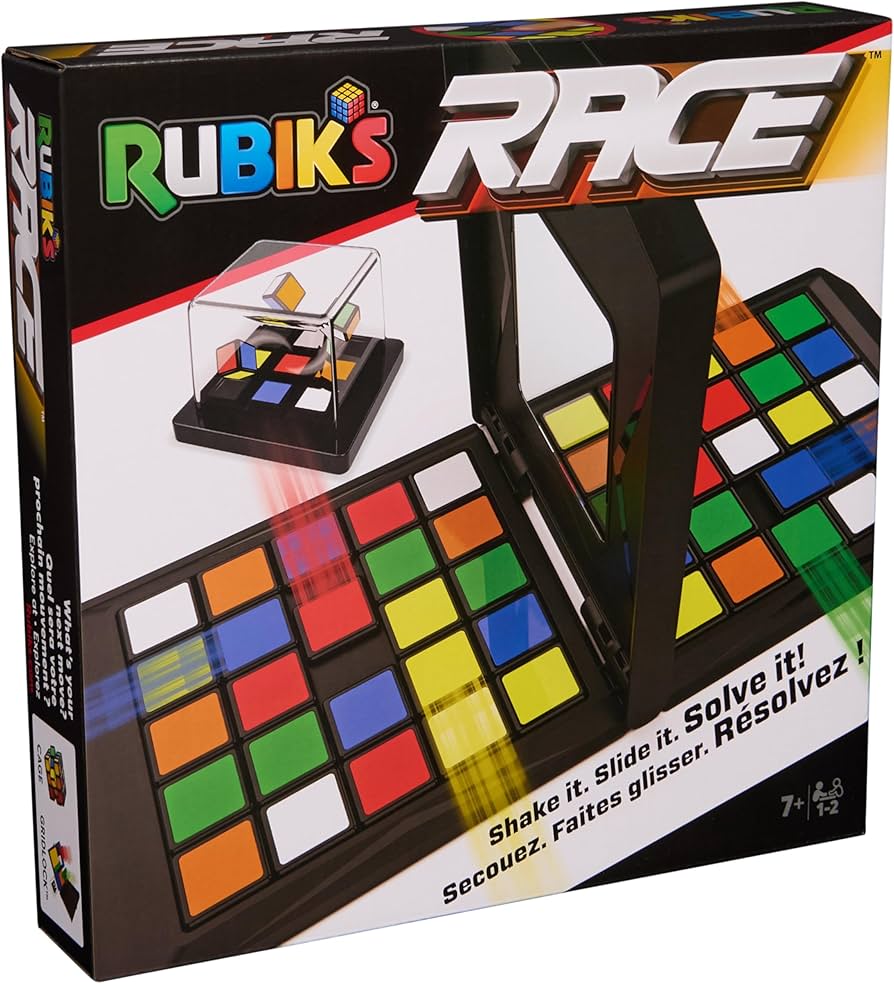
Brain teasers, regardless of their traditional or modern form, contribute significantly to cognitive development. They expand one’s capacity for critical thinking and encourage mental agility by providing a multifaceted approach to problem-solving. The choice between engaging with classic versus modern brain teasers reflects not only personal preferences but also highlights the ways in which the landscape of entertainment and cognitive stimulation has evolved alongside technology.
DISCOVER MORE: Click here to learn about memory tests and workplace productivity
Classic Brain Teasers: Enduring Challenges and Timeless Strategies
Within the realm of brain teasers, classic puzzles stand as a testament to the enduring nature of human curiosity and intellect. These traditional brain challenges often rely on linguistic play, logic, and deduction, presenting solvers with a personal yet universal appeal. While the simplicity of their structure may appear easy at a glance, classic brain teasers demand critical thinking and mental agility, revealing layers of complexity as one delves deeper.
Among the spectrum of classic brain teasers, riddles shine brightly as a quintessential example of engaging puzzles. Riddles invite solvers to unravel clever wordplay, often leading to a “Eureka” moment that feels satisfying upon resolution. They can vary from the quick and humorous to the intricate and thought-provoking, making them suitable for all ages. For instance, the riddle, “I speak without a mouth and hear without ears. I have no body, but I come alive with wind. What am I?” with the answer being an “echo,” exemplifies how a few well-chosen words can challenge our understanding fundamentally.
In addition to riddles, logic puzzles have gained their place in the classic brain teaser category. These types of challenges, such as Sudoku or grid-based mysteries, require solvers to engage in systematic deduction. The satisfaction derived from strategically placing numbers in Sudoku is not just about completing the puzzle; it is about exercising the mind’s ability to foresee outcomes and navigate through reasoning. The logical nature of these puzzles hones one’s ability to assess various scenarios, making them an excellent training ground for developing critical thinking skills.
Moreover, word games have consistently fascinated fans of all ages. Games like crossword puzzles or Scrabble combine language prowess with strategic thinking, challenging players not only to recall vocabulary but also to think creatively about word formations. As one layers letters and expands vocabulary horizons, these games transform each play session into a delightful exploration of language and memory.
The Engaging Nature of Classic Brain Teasers
The engaging nature of classic brain teasers lies in their accessibility. They require minimal resources—often just a pen and paper—or can be enjoyed verbally in a group setting, making them perfect for family gatherings or casual social interactions. Furthermore, classic brain teasers often reflect cultural nuances, occasionally embodying historical references or folklore that resonate with specific audiences, providing an added layer of connection. Notably, they foster not just individual thought but also social interaction as participants often share ideas and collaborate to unveil solutions together.
In conclusion, the timeless quality of classic brain teasers is rooted in their ability to stimulate thought and conversation while remaining fundamentally enjoyable. As we navigate the challenges such puzzles present, the strategies employed can vary significantly, often hinging on logic and linguistic skill. These time-honored challenges cultivate an appreciation for cognitive diversity, inviting individuals to sharpen their minds through shared experiences. As we compare them to the modern brain teasers that have emerged, it becomes clear that both types offer unique approaches to mental engagement while serving the same ultimate goal: enhancing our problem-solving capabilities.
Understanding the Landscape of Brain Teasers
As we delve deeper into the world of brain teasers, it’s important to understand the fundamental differences between classic and modern challenges. While both types aim to engage the mind and test cognitive abilities, their styles, contexts, and methodologies differ significantly.
The Appeal of Classic Brain Teasers
Classic brain teasers, often rooted in historical contexts, rely heavily on logic and fundamental reasoning skills. These puzzles typically invite solvers to look for patterns and apply deductive reasoning, often leading to a singular answer. Examples include riddles and lateral thinking challenges that have been passed down through generations. Their charm lies in the simplicity of their language and presentation, which allows individuals of all ages to engage and learn.
Modern Brain Teasers and Their Innovative Approaches
In contrast, modern brain teasers have evolved to incorporate elements of technology and contemporary themes. They frequently utilize interactive formats such as apps and online puzzles that challenge players in dynamic and engaging ways. Modern teasers may also integrate multimedia elements, requiring solvers to think outside traditional paradigms. This shift not only attracts a younger audience but also emphasis on collaborative solving, enhancing the social experience of puzzle-solving.
Strategies for Success
When approaching these two types of brain teasers, the strategies employed can vary greatly. Classic teasers often benefit from a methodical approach where one analyzes the constraints and pieces of information presented. In contrast, modern challenges may require adaptability, as solvers must navigate varying formats and unexpected twists along the way. Balancing creativity and logic is crucial in both settings, fostering a well-rounded cognitive development.
| Category | Description |
|---|---|
| Classic Brain Teasers | Focus on logic and reasoning with a straightforward end goal. |
| Modern Brain Teasers | Incorporate technology and interactivity, leading to multifaceted solutions. |
Unlocking a World of Possibilities
Engaging with both classic and modern brain teasers offers a comprehensive cognitive workout. Whether one prefers the nostalgia of classic puzzles or the intrigue of modern challenges, both serve to enhance problem-solving skills, creativity, and critical thinking. The exploration of these puzzles opens doors to new learning opportunities, collaboration, and fun!
DISCOVER MORE: Click here to dive deeper
Modern Brain Teasers: Innovative Challenges and Evolving Strategies
As the world evolves, so too does the realm of brain teasers. Modern brain teasers reflect advancements in technology and changes in cultural landscape, offering dynamic challenges that resonate with contemporary audiences. Unlike their classic counterparts, which often rely on linguistic and logical prowess, modern brain teasers leverage digital platforms, interactive formats, and collaborative problem-solving approaches, creating a unique experience for solvers.
One of the hallmark features of modern brain teasers is their integration with technology. Digital platforms like smartphone applications or online puzzle websites have transformed traditional puzzles into immersive experiences. For example, apps such as “Brainly” or “Elevate” offer users daily challenges that test numerical reasoning, vocabulary, and logic in interactive ways. The accessibility of these platforms opens up a world of puzzles that can be updated frequently, providing fresh content and challenges tailored to various skill levels. This adaptability keeps solvers engaged and continuously sharpening their mental faculties.
Moreover, escape rooms have emerged as a popular modern brain teaser format, combining physical elements with mental challenges. In an escape room, participants must solve a series of puzzles within a set time frame to “escape” from a themed room. This experience highlights the value of teamwork and communication, as players must collaborate to connect clues, decipher codes, and solve riddles. The interactive nature of escape rooms capitalizes on cognitive and social strategies, blending logic and creativity in thrilling scenarios that push the boundaries of traditional problem-solving.
Another intriguing facet of modern brain teasers is the rise of gamification in education and psychology. Many educational institutions now employ puzzles and challenges as teaching tools, leveraging game-like elements to encourage engagement and retention. Platforms such as Kahoot! enable teachers to create quizzes and challenges that harness competitive spirit while promoting learning. This trend underscores how modern brain teasers are not just about solving a puzzle but also about enriching the learning process, illustrating the versatility of challenges in diverse settings.
Creative Problem-Solving in the Modern Era
The shift from classic to modern brain teasers also reflects a broader movement toward creative problem-solving. In our increasingly digital world, the emphasis is not solely on finding the right answer but on developing innovative strategies to arrive there. For example, many modern brain teasers prioritize lateral thinking, where solvers need to think outside the box. The famous “Nine Dots Puzzle,” which challenges solvers to connect nine dots with four straight lines without lifting the pencil, epitomizes this approach. It compels individuals to abandon conventional methods of placement and to reconsider their thought processes.
Additionally, social media has played a significant role in disseminating modern brain teasers. Platforms like Facebook or Instagram feature daily challenges that invite users to problem-solve in real time while fostering a sense of community. The viral nature of these puzzles often translates into shared experiences among friends and family, as users post their solutions, engage in discussions, and collectively navigate the challenges posed. This interactive dimension makes modern brain teasers not just a solitary activity but an opportunity for collaboration and social engagement.
Lastly, the diversity of modern brain teasers allows for personalization, as solvers can select puzzles that resonate with their interests and cognitive strengths. From numerical riddles to mesmerizing visual illusions, opportunities abound for individuals to tailor their brain-teasing journey, enhancing the appeal and effectiveness of these modern challenges in improving critical thinking skills.
DIVE DEEPER: Click here to uncover the science behind memory tests
Conclusion: Bridging the Gap Between Classic and Modern Brain Teasers
In exploring the landscape of brain teasers, it becomes evident that both classic and modern forms possess unique attributes that cater to different problem-solving preferences and environmental contexts. Classic brain teasers, with their emphasis on linguistic and logical reasoning, have cultivated a foundation of critical thinking that remains relevant in today’s cognitive development discussions. They serve as timeless tools for individuals seeking to hone their analytical skills through structured challenges that promote mental agility.
Conversely, the rise of modern brain teasers reflects our rapidly changing culture and technological advancements. By utilizing interactive platforms and collaborative approaches, these puzzles foster engagement and encourage a social dimension to problem-solving. The integration of gamification and immersive experiences such as escape rooms not only enriches individual skillsets but also cultivates teamwork and creativity in problem resolution.
Ultimately, the transition from classic to modern brain teasers illustrates a broader understanding of the importance of adaptability and innovation in cognitive challenges. While classic puzzles lay the groundwork for logical thought, modern iterations invite solvers to embrace lateral thinking and social interaction. As we continue to challenge our minds—whether through a classic riddle or a modern-day escape room—both formats serve as valuable tools for growth, learning, and connection.
For those intrigued by the potential of brain teasers in improving cognitive skills, the conversation between these two worlds invites exploration and experimentation. Whether rediscovering the charm of classic puzzles or diving into the immersive experiences offered by modern challenges, each path offers exciting opportunities for mental engagement and discovery.
Related posts:
Brain Teasers as a Tool for Cognitive Assessment in Educational Settings
The Psychology Behind Brain Teasers: How They Stimulate the Brain
Brain Teasers and Emotional Intelligence: How Solving Challenges Increases Empathy
The Role of Brain Teasers in Boosting Creativity and Lateral Thinking
Integrating Brain Teasers into Your Daily Routine: Practical Tips to Stimulate the Brain
The Role of Brain Teasers in Learning: Enhancing Memory and Problem Solving

Linda Carter is a writer and puzzle expert specializing in mind games, brain teasers, and cognitive challenges. With extensive experience helping individuals enhance their problem-solving skills and think critically, Linda shares her knowledge on our platform. Her goal is to empower readers with practical advice, engaging puzzles, and strategies to sharpen their minds and achieve success in the captivating world of mind games and puzzles.