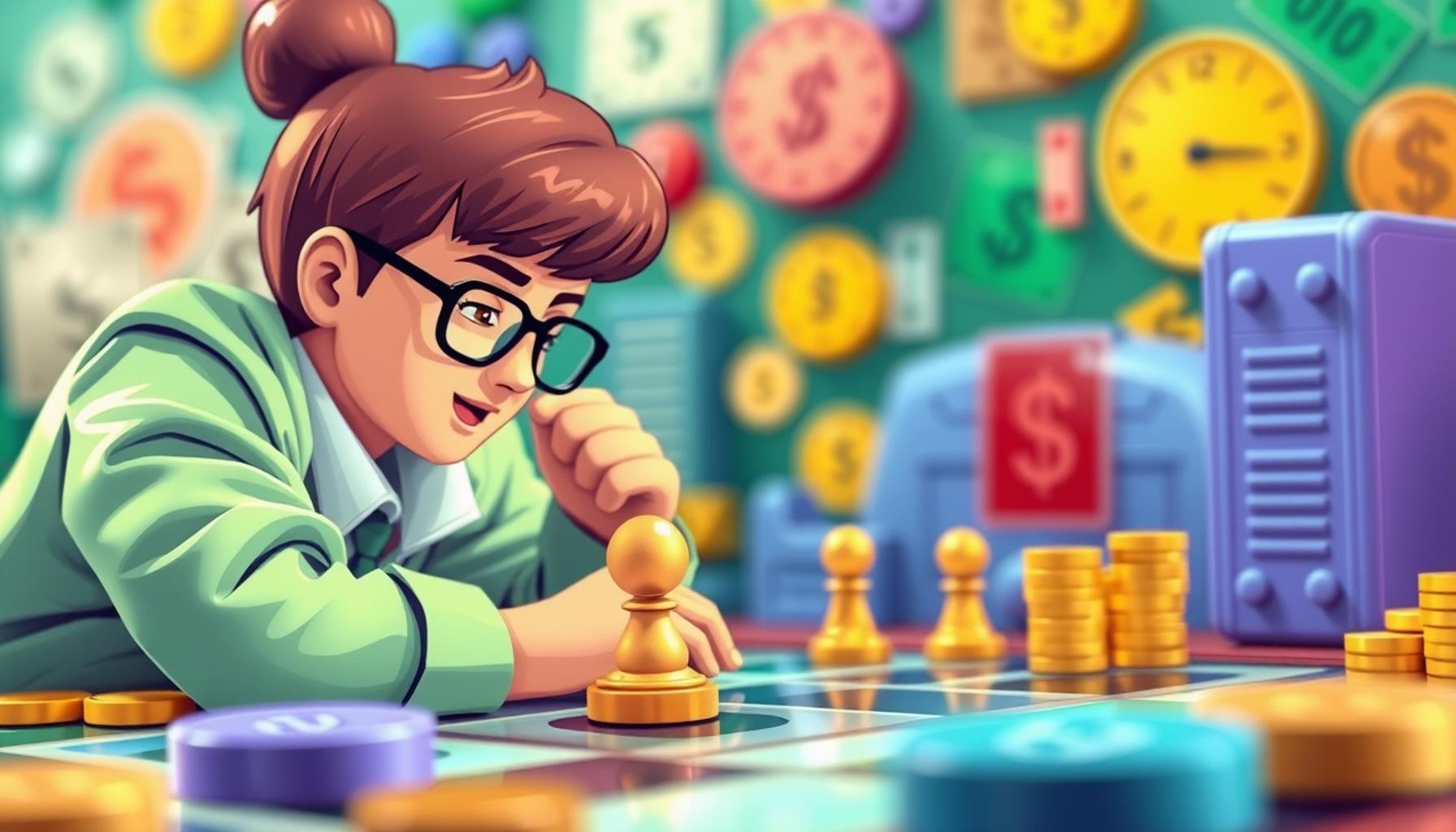
Competition and Collaboration: The Dynamics of Strategy Exercises in Board Games

The Dynamics of Competition and Collaboration in Board Games
In the intricate universe of board games, players navigate a multifaceted landscape where strategic exercises merge competition with collaboration. This complex tapestry captivates players, prompting them to make astute decisions about when to forge alliances and when to pursue individual victory. The unique interplay between these two forces not only enhances gameplay but also serves as a compelling reflection of human interaction and psychology.
Consider the vital role of game mechanics, which are often designed to create opportunities for both cooperative and competitive play. In cooperative games like “Pandemic”, players must work together to stop a global outbreak, pooling resources and strategizing in tandem. Meanwhile, competitive games like “Catan” allow for negotiable resource trading, often requiring players to foster temporary alliances to block their opponents’ progress. This blend showcases the spectrum of gameplay and emphasizes that while players may be competing for individual victory, collaboration can be beneficial, if not essential.
When it comes to decision-making, players constantly encounter pivotal choices that can shift the game’s outcome. A player may need to ally with another to stave off a common threat, only to turn to ruthless competition when they recognize an opportunity to take the lead. This back-and-forth creates a dynamic atmosphere, where trust is both a currency and a liability. Players may find themselves pondering questions such as:
- When is the best time to cooperate for mutual benefit?
- How do personal objectives affect the willingness to partner with others?
- Can competition serve to bolster the collaborative spirit?
Equally important is the element of social interaction, which lies at the heart of board gaming. These games often become a forum for negotiation and strategy exchange, allowing players to develop social bonds and navigate shifting alliances. Games like “Risk” illuminate this concept through the ebb and flow of alliances that can dramatically influence gameplay. Players might start by aligning forces to conquer territories, yet as the power dynamics shift, those exact alliances can fall apart in moments of betrayal.
Ultimately, delving into the balance of competition and collaboration offers a profound understanding of strategy in board games. This interplay invites players to reflect on their decisions and the social ramifications of their choices, making it a rich area for both enthusiasts and scholars. By engaging with these dynamics, players not only enhance their gaming experience but also gain insights into the complexities of teamwork and rivalry in everyday life. Join us as we further dissect these engaging interactions, one game at a time.
DISCOVER MORE: Click here to dive deeper
Understanding the Game Mechanics of Strategy
The appeal of board games lies not only in their entertainment value but also in their intricate game mechanics that shape player interactions through both competition and collaboration. These mechanics are meticulously crafted to create an environment where players must weigh their options carefully, fostering critical thinking and strategic planning. In popular games like “Catan”, where resource management is key, players are pushed to negotiate trades and temporary alliances for mutual benefit, even as they remain aware that their ultimate goal is to dominate the board. This creates a vibrant atmosphere of dynamic shifts between teamwork and rivalry.
Moreover, the design of certain games promotes partnerships that can turn into fierce competition almost at a moment’s notice. Take “Ticket to Ride” for instance: players must collaborate to construct railway routes, yet the limited number of routes forces them to outmaneuver one another to secure vital connections. Analogous real-life scenarios, such as businesses collaborating on a project only to later compete for market supremacy, highlight the parallels that can be drawn from these board game mechanics.
At the core of these interactions is a deep-seated element of decision-making. Each player is frequently faced with crucial choices that can lead to unforeseen alliances or vicious betrayals. The strategic importance of timing cannot be overstated—players must decide whether to join forces against a stronger opponent or risk a solitary path that could lead to dominance or downfall. This strategic tug-of-war poses intriguing questions that resonate beyond the game board:
- What factors influence a player’s willingness to cooperate versus compete?
- How can game design facilitate the balance between collaboration and rivalry?
- In what ways do individual player goals align or conflict with group objectives?
As players delve into the mechanics of competition and collaboration, they discover that understanding the psychology behind these interactions is vital to success. Successful collaborators often find themselves better positioned for victory; by leveraging relationships built during cooperative exchanges, players can create strategic advantages. Games such as “Arkham Horror” further emphasize this dynamic, as players must combine their strengths to combat common foes while guarding against the individual ambitions that threaten to disrupt their plans.
Additionally, the element of social interaction enriches this dynamic. Board games encourage players to engage with one another, forming connections that can lead to alliances or calculate betrayals. The social milieu often influences decisions, as emotional responses come into play, heightening the stakes of the competition. Players might find themselves forming bonds over shared strategies and then having to reconsider those bonds when they’re faced with the need to outdo those same allies.
In essence, the dynamics of strategy exercises found in board games offer a microcosm of real-world interactions, revealing how competition and collaboration can coexist and clash. As we further investigate these dimensions, it becomes increasingly clear that these games not only entertain but also educate players about the complexities of human relations. Stay tuned as we explore deeper into these interactions, unveiling the rich social fabric interwoven within the game experience.
| Category | Key Features |
|---|---|
| Strategic Thinking | Encourages players to develop critical problem-solving skills. |
| Team Dynamics | Fosters collaboration through shared goals and strategies. |
| Competitive Edge | Helps players understand market dynamics and adjust tactics for success. |
| Social Interaction | Builds connections and communication among participants. |
In board games, the interplay between competition and collaboration yields unique benefits that elevate the gameplay experience. For instance, participants engage in strategic thinking, where critical problem-solving skills are refined. Players learn to navigate complex scenarios, predicting opponents’ moves while optimizing their own strategies. This process not only enhances their individual capabilities but also reinforces the importance of team dynamics, as collaboration becomes essential for achieving shared goals.As players vie for dominance, they develop a competitive edge by understanding market dynamics. Adapting strategies in response to shifting conditions prepares players for similar real-world scenarios. Moreover, board games serve as a platform for social interaction, allowing players to build meaningful connections through shared experiences and communication. Exploring these facets of board games offers insights into their profound influence on personal growth and interpersonal relationships, inviting readers to delve deeper into their profound effects.
DISCOVER MORE: Click here to uncover the benefits of jigsaw puzzles
The Role of Game Environment and Player Dynamics
The environment of a board game plays a pivotal role in shaping the dynamics of competition and collaboration. Each game’s physical setup—its board layout, the distribution of resources, and the scope of player interaction—significantly influences how players approach both cooperative and competitive strategies. For example, in “Pandemic”, players collaboratively tackle outbreaks through shared resources and fallen trust. However, as the clock ticks down, personal objectives start to emerge, forcing players to sometimes prioritize their own survival over the group’s welfare, revealing an intricate dance between altruism and self-interest.
In contrast, games like “Risk” embody the cutthroat nature of global domination, where alliances are often temporary, and betrayal becomes the norm. Players are encouraged to forge and dissolve relationships based on shifting power dynamics, mirroring the geopolitical alliances seen in real-world politics. The unpredictability of such environments accentuates the need for players to remain alert and adaptable. Players engaged in similar high-stakes scenarios may find themselves negotiating peace at one moment, only to wage war in the next. This fluidity underscores a broader truth: in uncertain environments, the ability to oscillate between cooperation and competition is essential.
This interplay is further complicated by the psychological dynamics inherent in board games. The motivations behind player behavior can vary widely—ranging from pure victory-seeking to a desire for social interaction or strategic challenge. Research indicates that social players often thrive in environments that allow for pragmatic collaborations, while more competitive individuals may perceive alliances as merely stepping stones toward their ultimate conquest. Moreover, games are designed to create narratives around these interactions, enhancing engagement and emotional investment. Players experience a journey filled with suspense, blunders, and triumphs, often leading them to reflect upon interpersonal relationships and decision-making processes.
Furthermore, in many board games, the element of randomness is a critical factor that either encourages collaboration or fuels competition. The roll of dice or drawing of cards introduces elements beyond a player’s control, leading to unforeseen alliances forming out of necessity. For example, in “7 Wonders”, players draft cards to build civilizations, but the randomness of available cards may prompt players to band together against a common threat, such as a rapidly advancing opponent. The result is a continuous balancing act of reacting to both chance events and the decisions of others.
- How do game developers incorporate randomness and player interactions to influence strategic outcomes?
- What methods do players use to communicate their intentions and persuade others in cooperative scenarios?
- How does player culture and group dynamics impact competitive and collaborative behaviors in diverse gaming communities?
As we continue to peel back the layers of strategy exercises in board games, we see that both competition and collaboration are not just divergent paths but interlinked avenues that shape the overall gaming experience. The richness of player interactions, environments, and underlying motivations composes a complex narrative that is both a reflection of individual personalities and a study of broader social dynamics. By exploring such themes within board games, players not only cultivate entertainment but also gain insights into the nuances of strategy and human behavior.
DIVE DEEPER: Click here to unlock your creativity
Conclusion
The intricate dance between competition and collaboration in board games reveals much more than just the pursuit of victory; it reflects the complexities of human interaction and strategic thinking. As players navigate the various challenges posed by game environments, they are forced to make crucial decisions that can lead to temporary alliances or fierce rivalries. The psychological motivations behind these choices add an unparalleled depth to the gaming experience, highlighting the intricate balance of personal goals against team objectives.
Moreover, the element of randomness serves as a catalyst for spontaneous collaboration, leading players to adapt their strategies in real-time. This unpredictability mirrors real-life situations where cooperation can shift unexpectedly in response to changing circumstances. It is this very characteristic that makes board gaming not only a form of entertainment but also a practical framework for understanding social dynamics and strategic planning.
As players continue to engage in these strategic exercises, they gain valuable insights that extend beyond the gaming table. Competitors learn the importance of trust and communication, while collaborators appreciate the art of negotiation and adaptability. Therefore, the next time you gather for a game night, consider how the principles of competition and collaboration evolve throughout each round, and reflect on what these dynamics reveal about our interactions in everyday life. Ultimately, board games offer a unique lens through which we can explore fundamental aspects of strategy, community, and human behavior—making them worthy of our attention and study.
Related posts:
Mind Games and the Psychology of Strategy: How Cognitive Challenges Influence Decision-Making
Collaboration Strategies in Team Games: The Importance of Communication in Collective Puzzles
Unveiling the Mysteries of Strategy Exercises in Puzzles: Methods and Benefits
Unveiling the Future: How Strategy Exercises in Mind Games Can Enhance Decision-Making in Critical S...
The Role of Strategy Games in Education: Shaping Critical Minds Since Childhood
The Art of Negotiation: How Strategy Games Enhance Your Interactive Skills

Linda Carter is a writer and puzzle expert specializing in mind games, brain teasers, and cognitive challenges. With extensive experience helping individuals enhance their problem-solving skills and think critically, Linda shares her knowledge on our platform. Her goal is to empower readers with practical advice, engaging puzzles, and strategies to sharpen their minds and achieve success in the captivating world of mind games and puzzles.