Exploring the Impact of Mind Games on Mental Health and Cognitive Resilience
Understanding Mind Games
Mind games encompass a wide array of activities that stimulate our cognitive functions and emotional well-being. From classic puzzles like Sudoku to modern virtual reality games, each of these tools invites us to engage our minds in profound and often surprising ways. As the field of mental health increasingly incorporates gamification strategies, mind games are emerging as significant contributors to cognitive development and emotional resilience across various demographics in the United States.
The Benefits of Mind Games
Numerous studies highlight the multifaceted advantages that mind games can offer to mental health:
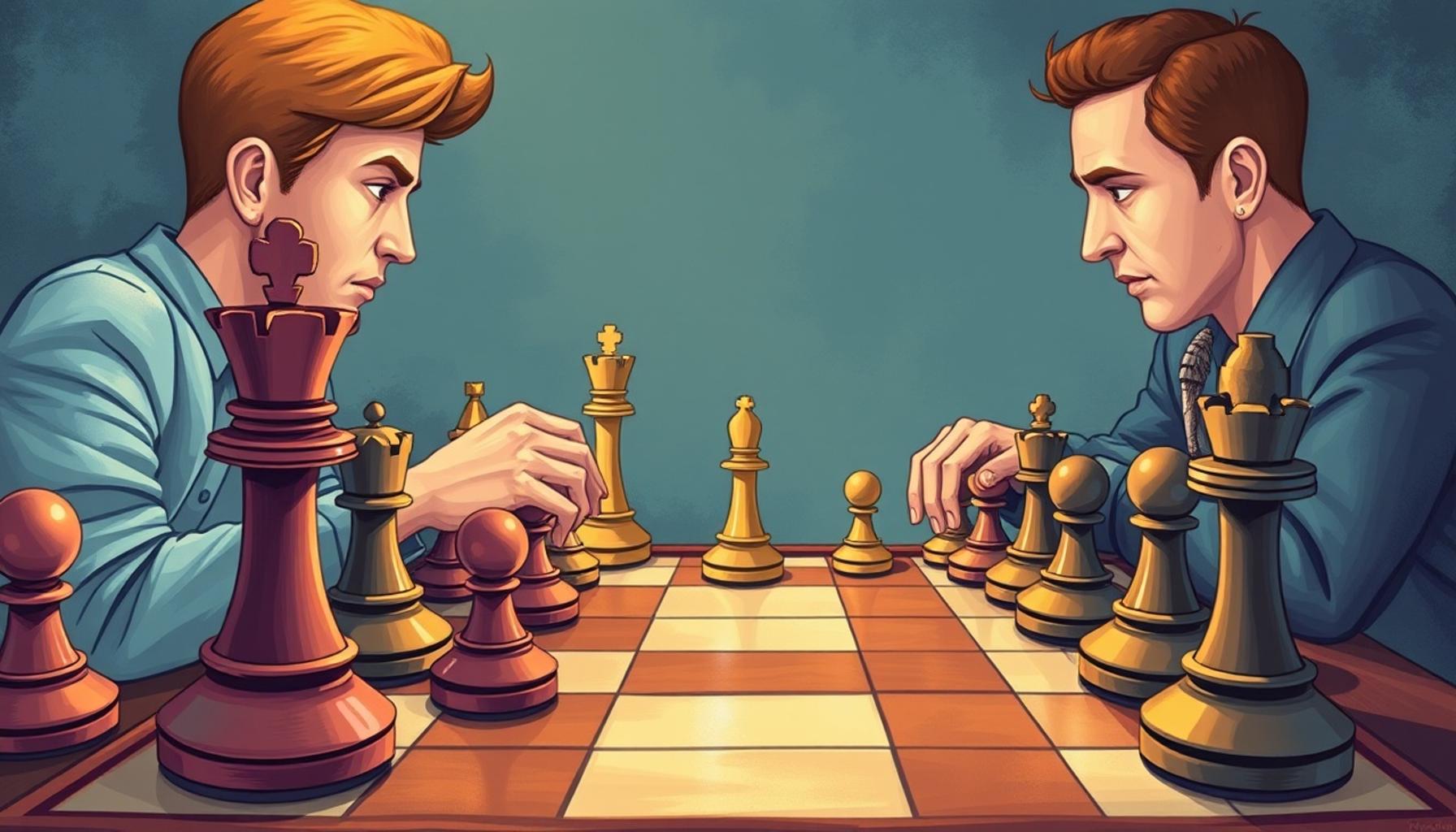
- Enhancement of Cognitive Skills: Regularly engaging in activities such as chess, which requires strategic planning and foresight, has been shown to significantly improve problem-solving abilities. Research indicates that children who play chess develop better critical thinking skills, which translates into their academic performance.
- Stress Relief: Mind games, including jigsaw puzzles and word searches, serve as a form of mental escape, effectively lowering stress and anxiety levels. For instance, a 2021 study found that individuals who spent time solving puzzles reported decreased stress levels and an improved mood.
- Social Connection: Many mind games are designed for multiplayer engagement, such as card games like Bridge or online gaming platforms that connect players worldwide. These interactions not only build friendships but also foster a sense of community, which is essential for mental well-being.
The Role of Cognitive Resilience
Cognitive resilience is a concept that refers to our brain’s capacity to bounce back from challenges and adapt to change. Mind games can significantly enhance this resilience:
- Boosting Adaptability: Engaging with complex challenges found in games like Escape Rooms or strategy video games requires quick thinking and adaptability. This constant mental workout helps individuals develop a flexible mindset that can better handle life’s unpredictabilities.
- Building Emotional Strength: The process of overcoming obstacles within mind games can cultivate a stronger emotional foundation. For example, players who consistently face defeat in competitive environments often develop perseverance and a growth mindset, which are essential traits for personal development.
- Encouraging Lifelong Learning: Mind games inherently reward curiosity and skill development, prompting players to continuously seek improvement. Whether it’s a complex board game that requires learning new strategies or a coding game that teaches programming logic, the incentive to master new abilities keeps our brains engaged.
As we delve deeper into the world of mind games, their implications for mental health and cognitive resilience become increasingly significant. The studies and anecdotal evidence suggest a thriving potential for these activities to enhance our lives. In a fast-paced world filled with stressors, embracing the power of mind games could be a gateway to a healthier, more fulfilling existence. The journey of exploration into how these engaging activities shape our cognition and emotional landscapes is one worth undertaking, suggesting further research and adoption in therapeutic practices across communities in the United States.
DISCOVER MORE: Click here to learn about the impact of memory games
The Transformative Power of Mind Games
Mind games are not merely a source of entertainment; they serve as a dynamic platform for enhancing mental health and promoting cognitive resilience. The breadth and variety of these games allow individuals from different backgrounds to find activities that resonate with their interests and personal challenges. As we peel back the layers of how these games influence our cognitive and emotional landscapes, it becomes evident that their impact extends far beyond a fleeting amusement.
Mind Games and Neuroplasticity
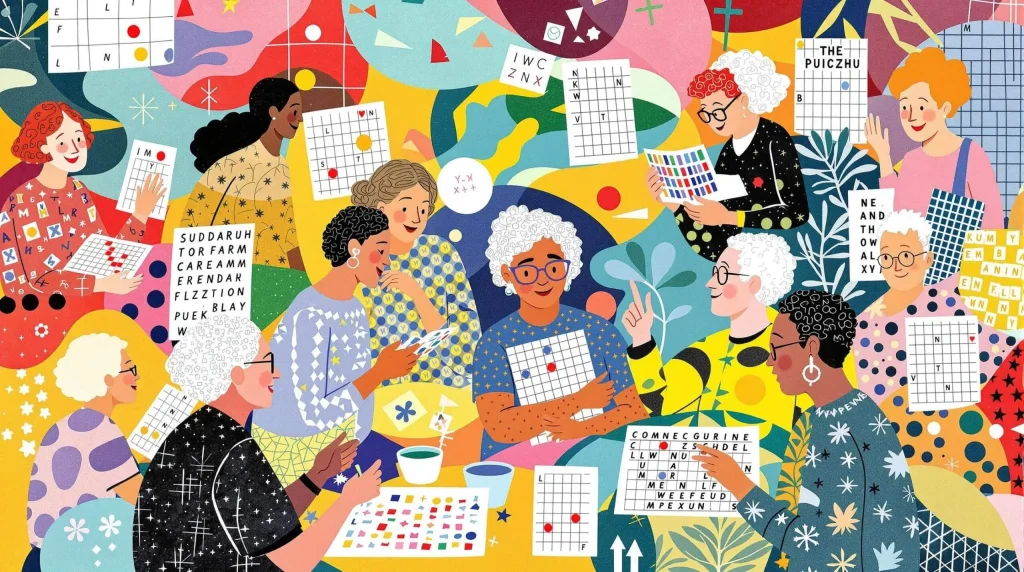
One of the most remarkable aspects of engaging with mind games is their ability to promote neuroplasticity, the brain’s ability to reorganize itself by forming new neural connections throughout life. This adaptability is crucial for mental health, especially when facing life’s adversities. By challenging our cognitive boundaries, mind games stimulate growth in neural pathways and enhance brain function. Studies suggest that activities such as crossword puzzles and memory-enhancing games can improve cognitive flexibility and memory recall, providing a solid foundation for better mental health outcomes.
Types of Mind Games and Their Impact
The type of mind games we engage in also plays a significant role in determining their effectiveness on mental health:
- Strategy Games: Games like chess and go demand strategic thinking and foresight, training the brain to anticipate future moves and develop tactical plans. Research reveals that regular players exhibit improved cognitive function, which is linked to better decision-making skills in daily life.
- Trivia and Quiz Games: These games enhance knowledge retention and stimulate memory. Engaging in trivia not only fosters a competitive spirit but also encourages social interaction, creating opportunities for stress relief through friendly competition.
- Creative Games: Activities such as storytelling games and improvisational theater foster creativity, which is pivotal for cognitive resilience. These games invite players to explore new perspectives and think outside the box, which may carry over into their approach to life’s challenges.
In light of the pressing challenges surrounding mental health in the U.S.—from anxiety and depression to everyday stress—turning to mind games as a therapeutic tool offers a proactive approach towards building a robust mental framework. As we strive for balance in our fast-paced lives, integrating mind games into our routine may not just be an entertaining distraction, but rather a vital contribution to our cognitive health and emotional stability.
The exploration of mind games’ impact on mental health and cognitive resilience reveals a vibrant possibility for personal growth and self-improvement. By understanding how these games can reshape our cognitive abilities and emotional fortitude, we can take concrete steps toward fostering a healthier and more resilient society.
Mind Games and Their Psychological Benefits
Engaging in mind games—whether they are puzzles, strategy games, or cognitive tests—has been shown to positively influence mental health. These activities not only entertain but also stimulate mental faculties, enhancing both cognitive performance and emotional well-being. Research indicates that puzzle-solving and strategy games can help improve mood and alleviate symptoms of anxiety and depression, thereby fostering a stronger sense of resilience in individuals.
Challenge and Cognitive Enhancement
Mind games challenge the brain, inviting players to think critically and solve complex problems. This engagement creates neuroplasticity, which is crucial for maintaining cognitive resilience. Studies suggest that individuals who regularly enjoy cognitively demanding games score higher on tests of executive function and working memory, skills pivotal for overcoming life’s stressors. Moreover, there are social aspects associated with mind games that strengthen interpersonal connections. Playing collaboratively fosters teamwork, communication, and problem-solving skills, all essential for personal and professional success.
Incorporating Mind Games into Daily Routines
To reap the maximum benefits, integrating mind games into daily routines can be remarkably effective. By setting aside just 20–30 minutes a day, individuals can improve their mental agility and emotional strength. Various online platforms and mobile apps provide access to a multitude of mind games that fit effortlessly into modern lifestyles, appealing to a broad audience looking to enhance their cognitive resilience in a fun and engaging way. The ongoing exploration of the relationship between mind games and mental health continues to unveil new insights. This area of research is critical, highlighting the importance of mental engagement as a tool for promoting psychological well-being and cognitive longevity.
| Category | Advantages |
|---|---|
| Mental Stimulation | Enhances cognitive functions like memory and attention. |
| Emotional Well-Being | Reduces symptoms of anxiety and contributes to a positive mood. |
DISCOVER MORE: Click here to uncover the science of memory
Engagement and Social Benefits of Mind Games
While the cognitive advantages of mind games are formidable, the social benefits they foster are equally significant. In a time when social isolation is prevalent, particularly among the older demographic, games that bring people together can act as a crucial lifeline. Participating in interactive mind games, whether through digital platforms or in traditional settings, creates communal experiences that cultivate connections and promote mental well-being.
Combatting Loneliness through Multiplayer Mind Games
Multiplayer mind games, such as online trivia contests or cooperative strategy games, serve as effective tools for combating loneliness, which has become an increasing concern in the U.S. research suggests that engaging with others during gameplay leads to a reduction in feelings of isolation. For instance, platforms that allow friends and family to connect virtually, like Words with Friends or Jackbox Games, not only stimulate cognitive skills but also create a shared experience that bridges distances.
The Role of Mind Games in Stress Reduction
Mind games can also be a vital component in stress management. When individuals immerse themselves in puzzle-solving or strategic gameplay, they often find themselves mentally transported, offering a much-needed escape from daily pressures. This phenomenon, sometimes referred to as a “flow state,” occurs when people are fully absorbed in an activity—leading to feelings of happiness and fulfillment. Researchers have highlighted that the act of playing mind games can trigger the release of dopamine, a neurotransmitter associated with pleasurable activities, reinforcing the concept that engaging with mind games can create positive mental states.
Mind Games as Tools for Cognitive Rehabilitation
For individuals recovering from mental health conditions or cognitive impairments, mind games present a unique opportunity for rehabilitation. Programs integrating brain training games, such as Lumosity or BrainAge, have shown promise in enhancing memory, attention, and speed of processing. Several studies indicate that sustained engagement with these games can lead to substantial improvements in cognitive functions, particularly for those recovering from strokes, traumatic brain injuries, or age-related cognitive decline. This use of mind games highlights their potential as versatile tools in therapeutic settings, pushing forward the narrative of not only entertainment but also recovery and rehabilitation.
Strengthening Emotional Resilience through Failure and Adaptation
The iterative nature of most mind games—where players often face challenges, failures, and the necessity for adaptation—can fundamentally strengthen emotional resilience. By navigating the ups and downs of strategic games, individuals learn to cope with setbacks in a safe environment, can foster a growth mindset that translates to real-life situations. This willingness to confront challenges without the fear of dire consequences enhances personal adaptability and resilience. Whether it be learning to regroup after losing a chess match or rethinking strategies in a complex puzzle, these experiences empower individuals to approach life’s adversities with a more adaptable mindset.
The multifaceted benefits of engaging with mind games extend into both personal and social realms, revealing their potential as more than just a pastime but an indispensable asset for mental health and cognitive resilience. As more individuals embrace these activities, the conversation about their role in holistic well-being will undoubtedly continue to evolve, shining a light on innovative approaches to mental health care.
DIVE DEEPER: Click here to uncover strategies for mastering logic games
Conclusion: The Transformative Power of Mind Games
As we have explored, the intersection of mind games with mental health and cognitive resilience reveals a rich tapestry of benefits that extend beyond mere entertainment. Engaging in these mentally stimulating activities not only enhances our cognitive abilities but also promotes essential social interactions, contributes to stress reduction, and serves as a valuable tool in cognitive rehabilitation.
The therapeutic potential of mind games is particularly significant in today’s society, where challenges like social isolation and increasing mental health issues are prevalent. By encouraging connections through multiplayer platforms and creating shared experiences, mind games become a bridge, fostering community and reducing feelings of loneliness. Additionally, their capacity to cultivate a flow state offers players an escape from daily stress, promoting overall emotional well-being.
Mind games also play a pivotal role in building emotional resilience. Through repeated exposure to challenges and adaptations within gameplay, individuals can strengthen their capacity to cope with hardships in real life. This safe environment facilitates learning and growth, ultimately empowering participants to tackle adversities with grace and confidence.
In conclusion, as the conversation around mental health continues to evolve, it is crucial to recognize the valuable role that mind games can play. Their capacity to enhance cognitive function, foster social ties, and build resilience underscores the need for further exploration and integration into mental health practices. By embracing mind games, we might just discover a powerful ally in our quest for holistic well-being.
Related posts:
How Visualization Techniques in Puzzles Improve Creative Thinking
The Influence of Escape Rooms on Team Collaboration and Cognitive Agility
The Benefits of Jigsaw Puzzles on Visual-Spatial Intelligence
The Science Behind Brain Training Games: Do They Really Enhance Cognitive Function?
How Brain Teasers Can Sharpen Logical Reasoning
The Connection Between Mindfulness and Puzzle Solving in Enhancing Focus

Linda Carter is a writer and puzzle expert specializing in mind games, brain teasers, and cognitive challenges. With extensive experience helping individuals enhance their problem-solving skills and think critically, Linda shares her knowledge on our platform. Her goal is to empower readers with practical advice, engaging puzzles, and strategies to sharpen their minds and achieve success in the captivating world of mind games and puzzles.