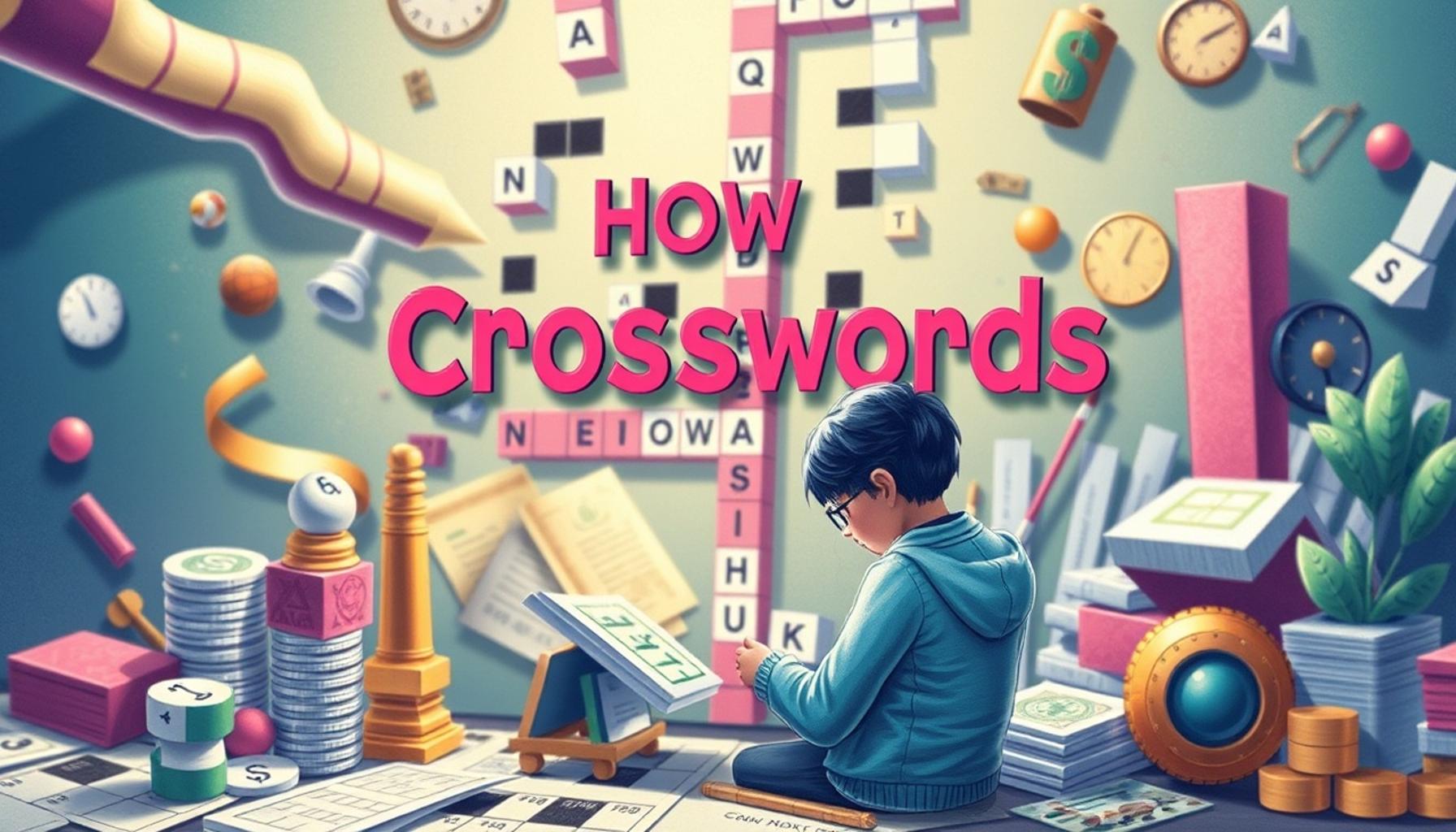
How Crosswords Enhance Memory Retention
The Cognitive Benefits of Solving Crossword Puzzles
Engaging in crossword puzzles is more than just a fun pastime; it serves as a powerful tool for enhancing memory retention. Cognitive scientists note that incorporating regular mental exercises, such as solving crosswords, can lead to significant improvements in various aspects of cognitive functioning. Engaging in this stimulating activity not only entertains but also fundamentally reshapes our brains, fostering a more agile and sharper intellect.
Boosts Vocabulary
One of the primary benefits of solving crosswords is its ability to boost vocabulary. Each puzzle presents a unique challenge that compels individuals to learn new words and recall them while under pressure. For example, when you encounter a clue like “A fruit that’s also a color” (answer: “orange”), it encourages you not only to think quickly but also to expand your linguistic repertoire. This constant exposure to diverse words bolsters one’s language skills, enriching communication abilities in both written and verbal forms.
Enhances Problem-Solving Skills
The process of filling in the blanks requires pressing critical thinking and quick decision-making skills. As you wrestle with tricky clues, you develop problem-solving skills that can be applied beyond the puzzle. For instance, when faced with a particularly challenging crossword, you might break down the clues, analyze possible answers, and draw connections—all skills that are invaluable in real-life situations, such as tackling complex work assignments or making important decisions.
Stimulates the Brain
Regular mental workouts keep the brain active and engaged, fostering better memory pathways. This stimulation is crucial as we age. A study published in the journal “Neurology” highlighted that older adults who routinely completed crosswords exhibited slower cognitive decline compared to those who did not engage in such brain-stimulating activities. This underscores the idea that keeping the brain stimulated can be a protective factor against age-related memory loss.
Social Interaction and Memory Enhancement
Moreover, crosswords can double as a social activity, allowing friends and family to collaborate. This collaborative endeavor reinforces learning and memory enhancement. For instance, sitting around a table with loved ones to tackle a weekend crossword can spark discussions, debates, and even shared laughter. These moments not only create memories but also lead to a richer understanding of language and knowledge as participants share insights and strategies.
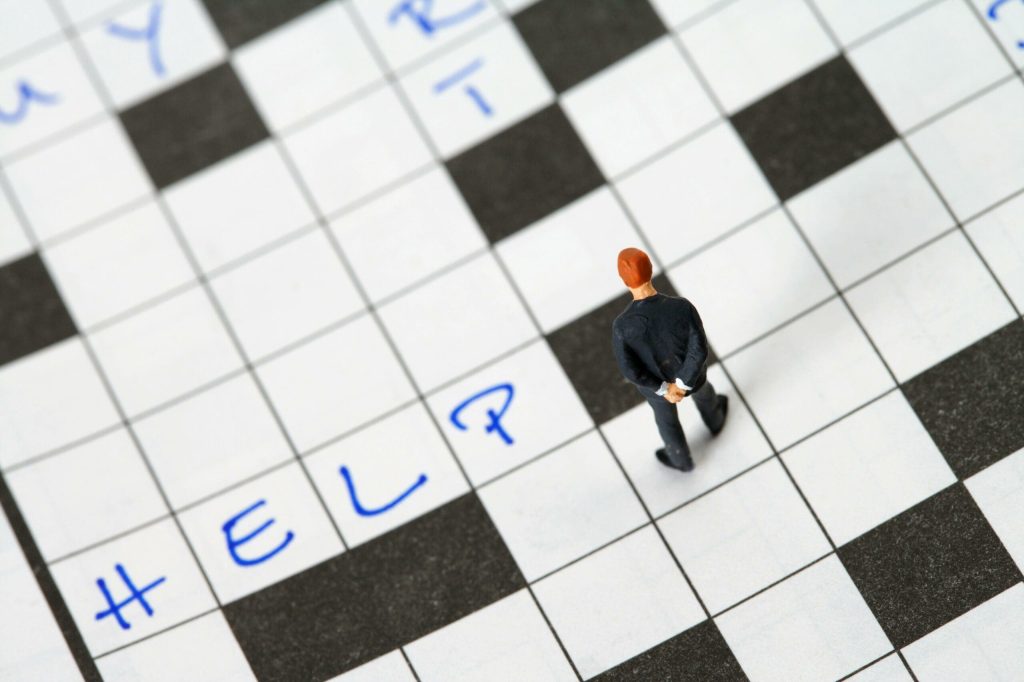
As we uncover the intricate relationship between crossword puzzles and their contributions to memory retention, it becomes evident that indulging in daily crosswords can substantially reshape your cognitive landscape. By challenging the brain, enhancing vocabulary, and fostering social bonds, crosswords emerge as a multifaceted tool for cognitive health. Whether you are a seasoned puzzler or a newcomer, there’s never a better time to dive into the world of crosswords and enjoy their myriad benefits.
DISCOVER MORE: Click here to learn the science behind memory tests
Crosswords as a Memory Retention Tool
Crossword puzzles stand as a fascinating confluence of entertainment and cognitive exercise. Their structured design not only enlivens our minds but actively contributes to memory retention through various cognitive mechanisms. While they may seem like simple word games at first glance, the impact they have on our brain’s ability to store and retrieve information is unparalleled. Here are several ways in which crosswords can effectively boost our memory capabilities.
Engagement of Different Memory Types
The beauty of crosswords lies in their ability to engage multiple forms of memory, namely short-term, long-term, and working memory. As you tackle clues and search for answers, you exercise your short-term memory by trying to remember words and associations. Simultaneously, the process encourages the transfer of information to your long-term memory as you learn and commit new vocabulary to remember for future puzzles. Engaging with difficult clues stimulates the working memory, which is essential for problem solving and can become stronger with practice.
Cognitive Flexibility through Diverse Clues
Crossword puzzles often contain clues that vary in style and context, ranging from straightforward definitions to cryptic hints. This variety necessitates cognitive flexibility, prompting solvers to think beyond traditional frameworks. For instance, a clue that requires lateral thinking pushes your mind to link seemingly unrelated concepts. This cognitive flexibility not only enhances problem-solving capabilities but also strengthens the brain’s ability to adaptively regurgitate information, thereby improving memory retention.
The Role of Repetition in Learning
Another noteworthy aspect of crosswords is the role of repetition in learning. Many experienced puzzlers quickly notice recurring themes and words across different puzzles. This repetitive exposure solidifies knowledge by reinforcing neural pathways, making it easier to recall information later. Over time, solving a crossword with repeated elements furthers comprehension and mastery of the language. A great example of this is frequently seeing the same answers in different newspapers or puzzle books, helping to engrain these terms into long-term memory.
Hands-On Learning and Active Participation
With crosswords, you are not merely a passive consumer of information; you become an active participant in your cognitive development. Engaging in the puzzles requires hands-on learning that promotes ownership of the knowledge gained. As you fill in the grid, you actively analyze the clues, challenge your assumptions, and engage mentally with the material, creating lasting cognitive connections that enhance memory retention.
Through these mechanisms, it becomes clear that crossword puzzles are more than just a leisurely escape; they serve as a formidable ally in enhancing memory retention. By bridging the gap between entertainment and education, crosswords provide a unique avenue for cognitive strengthening and skill enhancement. As the world continues to embrace digital forms of games and puzzles, the cherished tradition of solving crossword puzzles remains a timeless method to keep our brains sharp and our memories intact.
How Crosswords Enhance Memory Retention
Crosswords are not merely a pastime for puzzle enthusiasts; they are a powerful tool for improving cognitive functions, particularly memory retention. Engaging with these intricate grids challenges the brain and stimulates different areas of cognition.
One of the prominent benefits of solving crosswords is their ability to enhance vocabulary and language skills. As players encounter new words, they are likely to look up definitions, fostering a deeper understanding and retention of vocabulary. This enriches their language repertoire, making it easier to recall words in both written and spoken communication.
Another essential advantage is the boost in problem-solving skills. Crosswords require logical thinking and strategy, forcing the solver to explore various answers before arriving at the correct one. This process enhances memory by creating stronger neural pathways, which can lead to improved recall in other areas of life.
Furthermore, regular engagement with crosswords has been linked to delaying the onset of memory-related conditions. Research indicates that cognitive activities such as crossword puzzles can lower the risk of diseases like Alzheimer’s by keeping the brain active and engaged. Thus, the simple act of filling in a few squares can contribute significantly to long-term memory retention.
| Category | Advantages |
|---|---|
| Vocabulary Enhancement | Increases exposure to new terms, fostering better word recall. |
| Cognitive Engagement | Stimulates brain areas responsible for memory and reasoning. |
| Delayed Cognitive Decline | Regular practice linked to lower risk of Alzheimer’s and dementia. |
As the benefits illustrate, incorporating crosswords into daily routines can bring substantial improvements to memory retention. The more you engage with these puzzles, the better your brain functions over time.
DIVE DEEPER: Click here to uncover the impact of memory games
The Social Aspect of Crossword Solving
Engaging in crossword puzzles often transforms into a social activity, fostering collaboration and communication. Whether in a casual setting with friends or during a competitive event, solving crosswords together allows individuals to share knowledge and strategies. This interaction not only makes the experience enjoyable but also reinforces memory retention, as participants can discuss and explain clues to each other. Conversations surrounding the puzzle stimulate verbal memory, promoting the exchange of ideas that can lead to deeper understanding and memorization of new vocabulary.
Emotional Connection and Memory
The integration of emotional engagement with puzzles can significantly enhance memory retention. Research shows that emotions play a pivotal role in how we encode and recall information. When solving crosswords that bring about nostalgia—perhaps involving historical references or personal memories—puzzlers are more likely to retain the answers. For instance, encountering a clue linked to a favorite childhood television show might evoke feelings that facilitate the retention of that specific answer. This emotional connection to the material makes recalling the information easier in the future.
Boosting Vocabulary and Linguistic Skills
Crossword puzzles serve as a powerful tool for expanding vocabulary, a crucial aspect of memory retention. As solvers encounter diverse words and synonyms, they not only recognize these terms but also learn how to use them contextually. Expanding one’s vocabulary strengthens both short-term and long-term memory, as new words are added to the brain’s lexicon. This process can be particularly beneficial for students or individuals learning a second language, as frequent engagement with crosswords helps in mastering nuanced language structures and expressions.
The Science Behind Cognitive Benefits
Numerous studies suggest that engaging in puzzles like crosswords leads to a decreased risk of cognitive decline as we age. According to a study by the American Academy of Neurology, adults who regularly participate in mentally stimulating activities, including crossword puzzles, show slower rates of cognitive decline compared to those who do not. This highlights not merely the immediate benefits of improved memory retention but also the long-term cognitive health advantages linked to habitual puzzle-solving.
Creating a Rewarding Experience
Completing a crossword can offer a sense of achievement that contributes to a positive mental state. The feeling of accomplishment from solving challenging clues releases dopamine, a neurotransmitter associated with pleasure and reward. This not only reinforces the behavior of solving crosswords but also promotes continued engagement, further strengthening the neural connections that aid memory retention. The more one engages in crossword-solving, the more proficient they become, making the process enjoyable and beneficial for cognitive health.
Thus, the multifaceted benefits of crossword puzzles extend well beyond simple entertainment; they harbor profound implications for memory retention and cognitive enhancement. They provide a unique platform for learning through social interaction, emotional engagement, vocabulary expansion, and overall mental stimulation, paving the way for a sharper mind and stronger memory throughout life.
DISCOVER MORE: Click here to enhance your productivity techniques
Conclusion
In conclusion, the merits of crossword puzzles extend far beyond basic wordplay, fundamentally enhancing memory retention and cognitive abilities. As demonstrated throughout this article, engaging with crosswords fosters a range of skills including vocabulary expansion, emotional connections to information, and the promotion of social interactions—all of which significantly contribute to improved memory. For instance, individuals often cite personal anecdotes about how completing a puzzle reignites memories associated with specific words, creating a deeper understanding and attachment to the material.
Furthermore, the scientific backing that links regular puzzle-solving to a decreased risk of cognitive decline supports the idea that these brain teasers are not only a source of entertainment but also a vital component of lifelong cognitive health. Studies have shown that individuals who engage regularly in mentally stimulating activities, like crossword puzzles, may have a lower chance of developing Alzheimer’s disease and other forms of dementia. The act of solving crosswords is not merely about finding the right words, but it encourages the brain to work through connections, associations, and recall—a workout for one’s cognitive muscles.
In a society that increasingly values mental agility, incorporating crossword puzzles into one’s routine can yield profound benefits. They encourage critical thinking while building neural connections. With a variety of themed puzzles available—ranging from pop culture references to history and science—there is truly something for everyone to delve into. These challenges offer a rewarding experience that fosters joy and achievement, especially when shared with others. For families or friends, tackling a tough puzzle together can serve as an engaging activity that strengthens social bonds.
For those seeking to challenge their minds, enhance memory retention, and even enjoy a sense of community through shared experiences, crosswords are an accessible and enjoyable solution. Consider platforms like The New York Times or local newspapers that offer daily puzzles, providing an opportunity to engage with a wider community of enthusiasts. So, the next time you find yourself with a pencil and a puzzle in hand, remember that you’re not just participating in a fun activity; you’re actively investing in your cognitive future. Explore new themes and expand your knowledge as well as your skills, making every crossword session a stepping stone to greater mental agility.
Related posts:
The Connection Between Mindfulness and Puzzle Solving in Enhancing Focus
Exploring the Effects of Memory Games on Cognitive Speed
The Science Behind Brain Training Games: Do They Really Enhance Cognitive Function?
The Effects of Memory Palaces on Spatial Memory Enhancement
The Influence of Escape Rooms on Team Collaboration and Cognitive Agility
The Role of Strategy-Based Puzzles in Developing Critical Thinking Skills

Linda Carter is a writer and puzzle expert specializing in mind games, brain teasers, and cognitive challenges. With extensive experience helping individuals enhance their problem-solving skills and think critically, Linda shares her knowledge on our platform. Her goal is to empower readers with practical advice, engaging puzzles, and strategies to sharpen their minds and achieve success in the captivating world of mind games and puzzles.