How Playing Chess Enhances Strategic Thinking and Patience
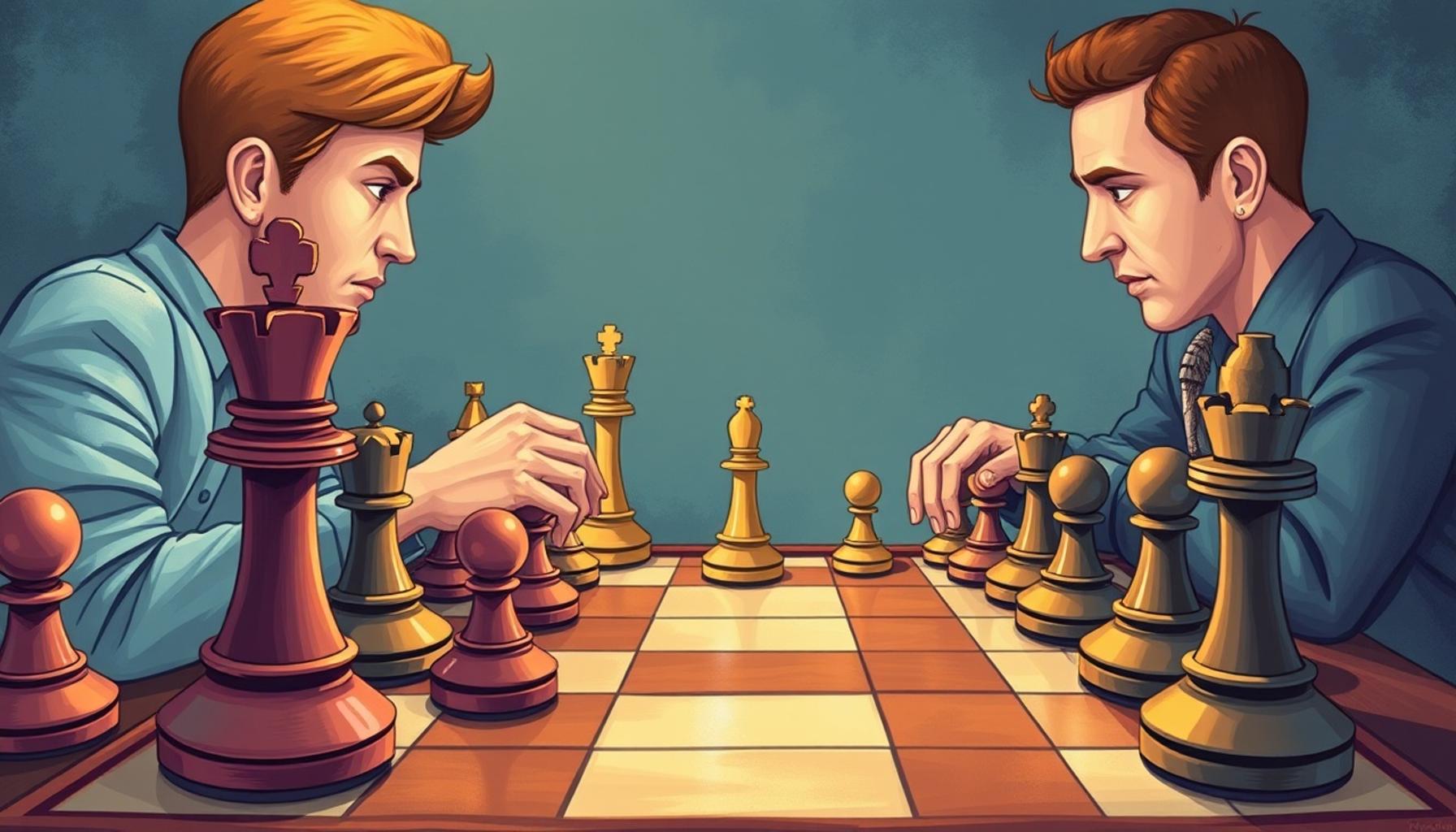
Understanding the Cognitive Gains from Chess
With roots dating back nearly 1,500 years, chess has transcended cultures and generations to become a global phenomenon. The game is not only a captivating pastime but also a rigorous exercise for the mind. In the United States, chess clubs and online platforms, such as Chess.com, have seen a surge in participation, especially following the pandemic that had many confined at home seeking intellectual engagement. So, what exactly are the mental benefits that make chess an effective tool for nurturing strategic thinking and patience? Let’s delve deeper.
Sharpening Problem-Solving Skills
At its core, chess is about problem-solving. Players are constantly confronted with a variety of board positions, each requiring careful analysis. For example, a player may find themselves in a precarious situation where the king is exposed; they must quickly assess potential threats and devise a plan of action. This need to analyze positions, foresee moves, and develop counter-strategies cultivates strong analytical skills that can translate into real-life scenarios, such as in academic or career challenges.
The Importance of Long-Term Planning
Successful chess players are often likened to strategic generals. Each move they make is a step in a larger strategy, with potential consequences several moves down the line. This foresight encourages players to think beyond immediate actions, fostering a mindset that values long-term goals over short-term gains. Just as a company devises a five-year plan, a chess player plans several moves in advance, weighing risks and rewards.
Embracing Adaptability
In chess, one’s strategy must often change in response to an opponent’s moves. A well-executed opening might suddenly falter due to an unexpected counter from an opponent. This element of adaptability enhances cognitive flexibility, an essential life skill. Adaptability is not only valuable on the chessboard but also in daily life where unpredictability is the norm—be it in work projects, personal relationships, or other forms of competition.
The Role of Focus and Concentration
Chess requires unwavering concentration. The intricate details of each position demand sustained mental efforts, as even a single lapse in focus can lead to a quick defeat. This level of engagement can carry over into various forms of cognitive tasks, improving attention span and the ability to concentrate on tasks, vital in today’s distraction-filled world.
Chess as an Educational Tool
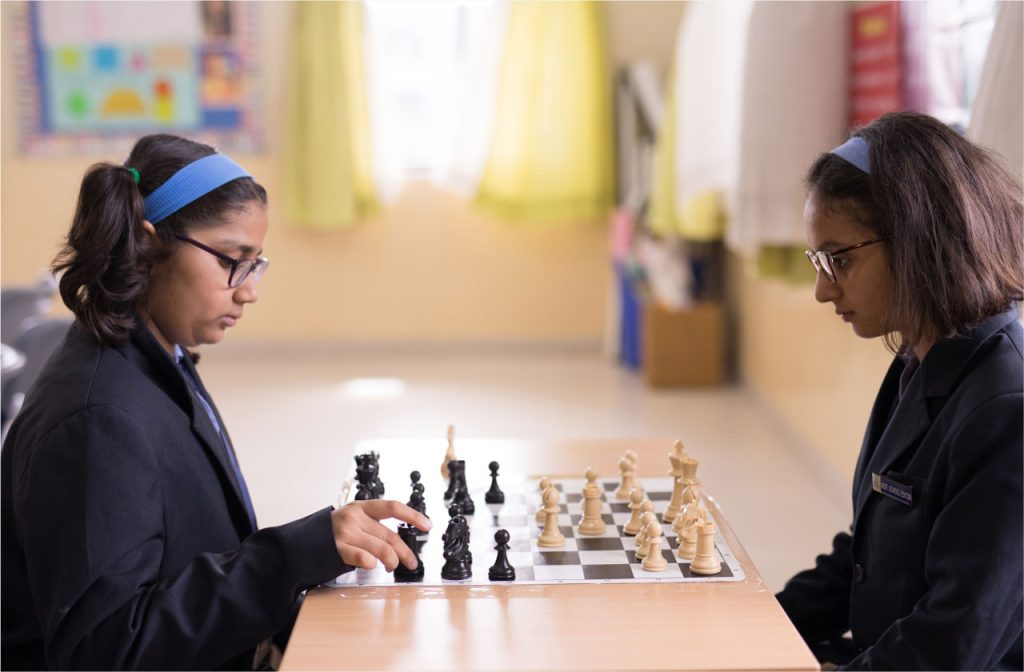
Various studies have underscored chess’s benefits over the years, especially among children. Research from reputable institutions indicates that chess can enhance cognitive functions, leading to:
- Improved Academic Performance: Many students have shown marked improvement in math and reading skills as a result of increased critical thinking abilities developed through chess.
- Boosted Self-Esteem: The mastery of complex chess strategies can lead to enhanced self-confidence. Engaging in friendly competitions fosters a healthy competitive spirit that encourages personal growth.
- Enhanced Patience: Losing matches teaches players the importance of resilience, as they learn to accept setbacks while maintaining a constructive attitude.
This exploration of chess reveals that this time-honored game offers more than just entertainment; it builds critical skills applicable across various aspects of life. As players engage in this battle of wits, they not only unlock the secrets of the game but also the potential within their own minds. So, whether you’re a lifelong enthusiast or a curious newcomer, the game of chess offers an abundance of cognitive rewards just waiting to be discovered.
DISCOVER MORE: Click here to enhance your everyday life
The Cognitive Foundations of Chess Mastery
Chess is often viewed as a battle of intellect, where each move is a calculated decision that can influence the outcome of the game. This intricate dance of tactics and strategies demands more than mere knowledge of the rules; it requires a deep understanding of strategic thinking and the virtues of patience. As players navigate through complex positions, they engage in a profound cognitive process that sharpens their mental faculties—skills that ripple beyond the chessboard into everyday life.
Building Strategic Thinking through Gameplay
Every chess match is essentially a test of strategic prowess. Players must evaluate potential moves not just for their immediate effect, but for their long-term impact on the game. This level of critical analysis nurtures a strategic mindset, empowering players to approach challenges methodically. For instance, a chess player may assess a challenging position where multiple winning paths exist, deliberating to find the most advantageous route. These skills are parallel to those required in the corporate world, where strategic decision-making is key to navigating competitive landscapes.
The Need for Patience in Chess
Chess is often described as a game of patience. Unlike other fast-paced games, chess demands players to think deeply about each move, weighing the pros and cons before committing. This focus on deliberation not only sharpens cognitive skills but also instills a sense of calm and patience. Players learn to resist the urgency of immediate gratification, understanding that taking time can lead to more favorable outcomes. The capacity to remain composed under pressure is a valuable lesson that can be applied in high-stress scenarios, be it in the workplace or personal life.
Learning from Defeats
In the world of chess, losses are inevitable and serve as powerful teachers. Each defeat offers a unique opportunity to reflect on one’s decisions and strategies. This process encourages players to develop resilience and adaptability—traits that are essential for success in various life domains. Rather than shying away from challenges, chess players are pushed to acknowledge their mistakes and view setbacks as stepping stones for growth. This iterative learning process fosters a mindset that embraces long-term development over immediate success.
The Social Aspect of Chess
Engaging in chess also promotes social interaction, an often-overlooked benefit that enhances both strategic thinking and patience. Whether through local clubs or online platforms, players engage with opponents and allies, sharing insights and strategies. This collaborative environment encourages discussion around tactics and problem-solving approaches, further honing cognitive skills while cultivating patience as individuals wait for their turns and contemplate their decisions.
In essence, chess is more than just a game; it is an intellectual endeavor that promotes strategic thinking and fosters patience. By understanding and applying the lessons derived from each match, players can unlock a wealth of cognitive advantages that extend into various aspects of their lives. As chess continues to evolve as a valuable educational tool, it offers insights not only into one’s own strategy but also into the broader principles of decision-making and personal growth.
| Advantage | Description |
|---|---|
| Enhanced Decision-Making | Playing chess teaches players to weigh the consequences of their actions, thus improving their strategic thinking. |
| Increased Patience | Chess demands deep concentration and patience, as players must think several moves ahead without rushing decisions. |
| Cognitive Development | Regular engagement in chess boosts critical thinking skills, enhancing both creativity and logical reasoning. |
| Social Skills | Chess fosters camaraderie and communication, contributing positively to social interactions and relationships. |
Chess, an ancient yet dynamically evolving game, serves as a remarkable tool for personal development. As players immerse themselves in its intricacies, they develop a keen sense of how patience and strategic foresight interplay in achieving success. With every match, individuals gain insights not only into the game’s tactics but also into their own decision-making processes. Engaging in chess promotes a deeper understanding of how to anticipate opponents and make calculated choices, enhancing both individual and collective skills in real-life scenarios. This multifaceted approach helps to mold not just sharper minds, but also more composed individuals, making chess an invaluable educational tool in both formal and informal settings.
DISCOVER MORE: Click here to learn about the benefits of brain teasers
Enhancing Skills Beyond the Chessboard
The impact of chess on strategic thinking and patience transcends the confines of the game itself, spilling into other areas of life and development. In a world characterized by rapid changes and often chaotic environments, the learned skills from chess can play a pivotal role in navigating complex scenarios, both personally and professionally.
Chess as a Tool for Education
Chess has increasingly found its way into educational institutions across the United States. Schools have recognized the unique benefits of incorporating chess into curricula, ranging from enhancing mathematical and analytical skills to improving memory and concentration. Programs like Chess in the Schools and the First Move initiative aim to teach children vital life skills through chess, reinforcing the correlation between strategic thinking and effective problem-solving. Students who engage in regular chess practice demonstrate improvements in critical thinking, as they learn to evaluate the ramifications of each decision they make on the board—a direct parallel to their academic pursuits.
Finding Calming Focus through Chess
For many, the fast pace of modern life can lead to heightened stress levels. Engaging in chess offers a rare opportunity for mental respite, as players are required to focus intently on the game at hand. Research indicates that activities requiring deep concentration, like chess, can serve as forms of meditation that cultivate a sense of calm and presence. This ability to pause, reflect, and respond patiently is particularly beneficial for individuals facing high-stress environments, such as corporate professionals and students under academic pressure. Players find that the meditative aspects of chess help them cultivate a mindset that appreciates the value of slow and deliberate decision-making.
The Role of Emotional Intelligence in Chess
Understanding one’s own emotions and those of others is a critical component of both chess and effective leadership. Players learn to read their opponents, assessing not only their moves but their motivations, emotional states, and strategies. This practice fosters emotional intelligence, a trait that is invaluable in today’s interconnected world. Managers and team leaders who practice chess often find themselves better equipped to manage interpersonal relationships and conflicts, as they can anticipate reactions and plan accordingly. Developing this insight through chess gameplay enhances not only individual performance but also team dynamics, promoting a collaborative atmosphere built on mutual understanding.
Long-Term Strategic Planning
Chess entrenches the value of long-term planning in the minds of its players. Beginners may often focus on immediate tactics, but seasoned players recognize that victory stems from solid positioning and a series of well-thought-out maneuvers executed over time. This long-term view is essential in various professional fields, particularly in business strategy, where foresight and well-defined goals can lead to sustainable success. As chess players envision their next moves multiple steps ahead, they learn to translate this foresight to real-world scenarios, developing comprehensive strategies that resonate with stakeholders and encourage long-term growth.
Ultimately, chess players fine-tune their ability to think several moves ahead—not just in a game, but in their everyday decisions and actions. This skill enhances their strategic thinking and fortifies their patience, making it a valuable lifelong pursuit that extends far beyond the chessboard.
DISCOVER: Click here to dive into the world of brain teasers
Conclusion
In conclusion, the journey through the chessboard reveals profound insights into the enhancement of strategic thinking and patience, skills that are increasingly vital in our fast-paced, interconnected society. Engaging with chess not only cultivates an analytical mindset and the ability to foresee multiple outcomes, but also nurtures the vital trait of patience—a necessity for thoughtful decision-making in both personal and professional contexts.
As evidenced by innovative educational programs embedding chess into school curricula, students gain remarkable benefits, ranging from improved critical thinking skills to enhanced emotional intelligence. The parallels drawn between chess strategies and real-world applications allow players to navigate life’s complexities with increased confidence and foresight. Furthermore, the meditative qualities of chess offer a refuge from modern stress, promoting mental clarity and a calming focus that many practitioners find crucial in today’s high-pressure environments.
Ultimately, the game of chess emerges as a dynamic tool for personal development, transforming not just the way one plays, but also how one approaches challenges outside the realm of the chessboard. By embracing these lessons, individuals can not only improve their game but can also apply these enriched abilities to foster greater success and well-being in various aspects of life. As you reflect on this timeless game, consider incorporating chess into your own routine—it may very well unlock new dimensions of thinking and personal growth you never knew existed.
Related posts:
Exploring the Effects of Memory Games on Cognitive Speed
Exploring the Impact of Mind Games on Mental Health and Cognitive Resilience
How Puzzles Enhance Problem-Solving Skills and Memory Retention
The Influence of Escape Rooms on Team Collaboration and Cognitive Agility
How Brain Teasers Can Sharpen Logical Reasoning
The Role of Strategy-Based Puzzles in Developing Critical Thinking Skills

Linda Carter is a writer and puzzle expert specializing in mind games, brain teasers, and cognitive challenges. With extensive experience helping individuals enhance their problem-solving skills and think critically, Linda shares her knowledge on our platform. Her goal is to empower readers with practical advice, engaging puzzles, and strategies to sharpen their minds and achieve success in the captivating world of mind games and puzzles.