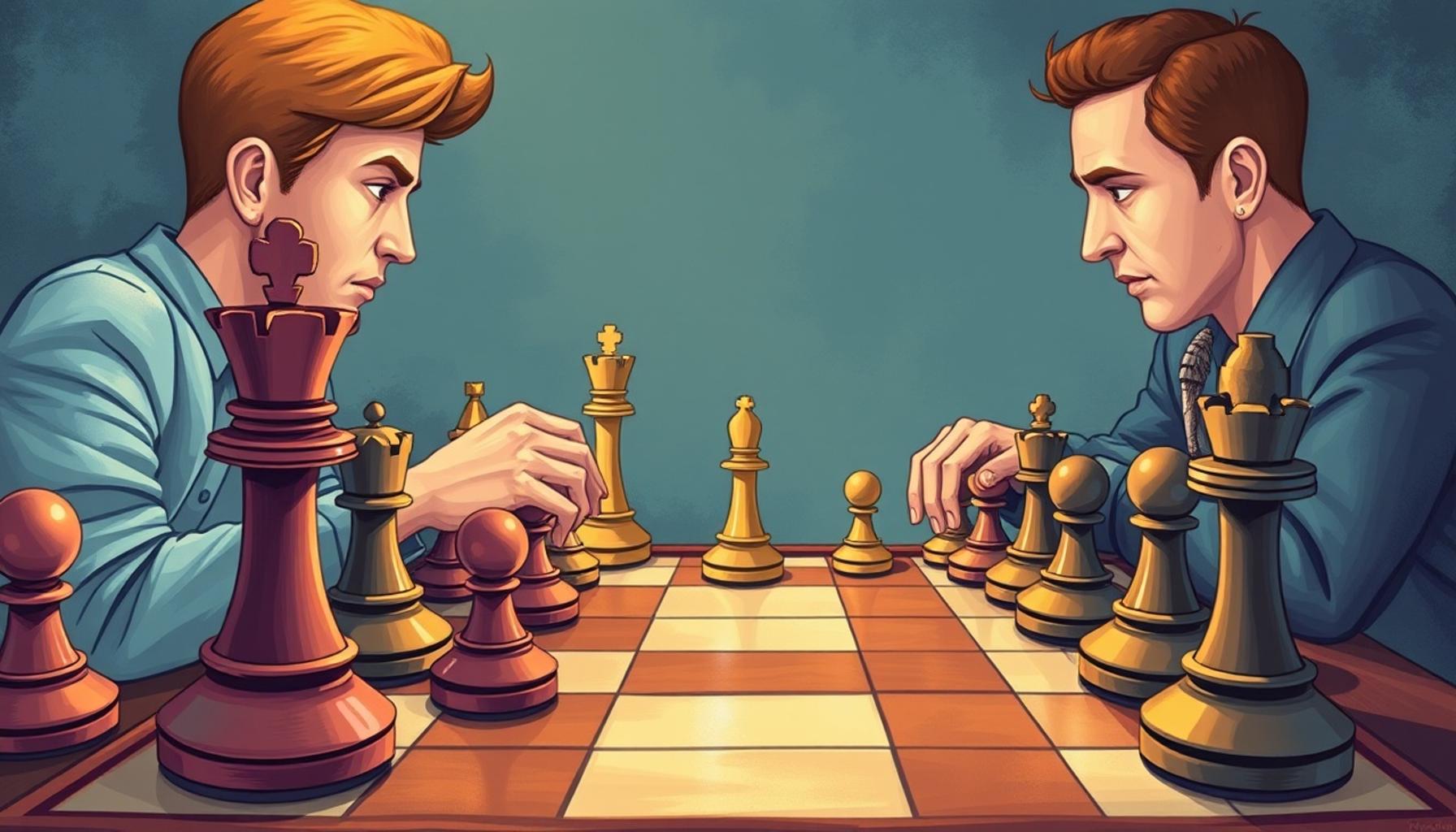
How Puzzles Enhance Problem-Solving Skills and Memory Retention
Understanding the Cognitive Benefits of Puzzles
Puzzles are engaging activities that offer more than just entertainment; they also serve as powerful tools for enhancing cognitive abilities. Engaging in puzzle-solving activities can significantly improve problem-solving skills and boost memory retention. As people immerse themselves in various types of puzzles, they unknowingly engage a multitude of mental faculties that are essential for personal development and academic success.
Research has consistently shown that regular engagement in puzzle-solving leads to numerous cognitive benefits. These benefits are crucial in today’s fast-paced world where critical thinking and mental agility are in high demand. For instance:
- Improved Critical Thinking: Whether solving a Sudoku or a logic puzzle, individuals are required to assess information, hypothesize possible solutions, and make decisions quickly and effectively. This process not only sharpens their analytical skills but also cultivates the ability to think outside the box.
- Increased Memory Capacity: Studies indicate that solving puzzles can bolster both short-term and long-term memory by exercising the brain. Engaging regularly in activities like crosswords and word searches can enhance vocabulary recall and retention, making them a fun way to enrich language skills.
- Enhanced Focus: Completing puzzles demands concentration and attention to detail. The immersive nature of puzzles stimulates mental acuity and helps individuals improve their focus, which is beneficial in both professional and personal realms.
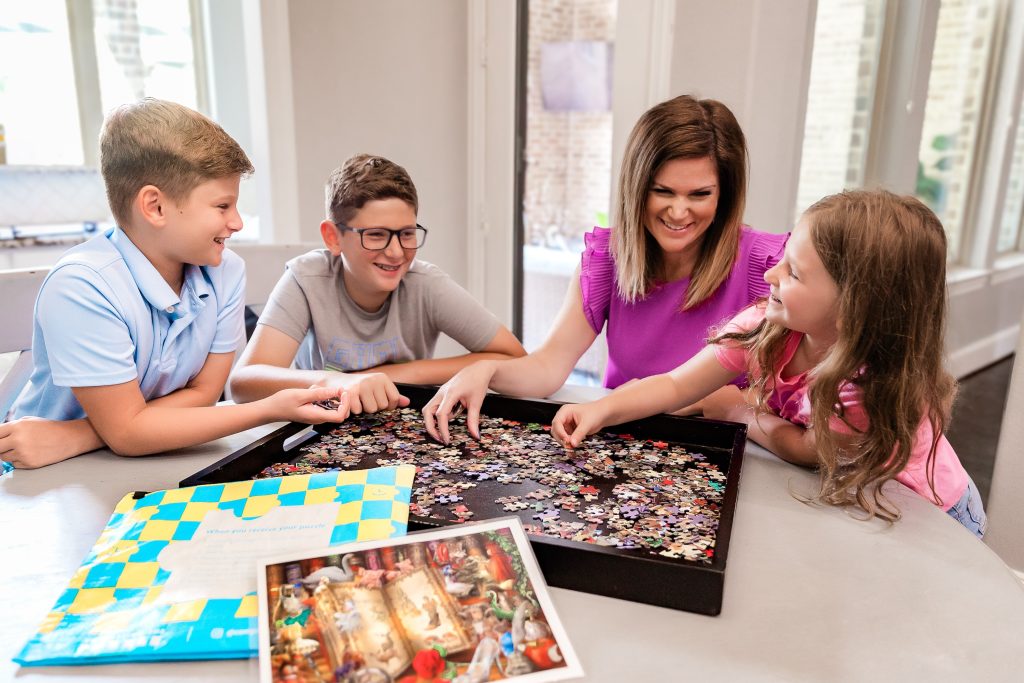
From the classic newspaper crossword puzzles enjoyed by many during breakfast to the challenging jigsaw puzzles that bring families together on a rainy day, these activities provide an accessible way to challenge the brain. In fact, puzzle competitions are increasingly popular in communities across the United States, offering a platform for enthusiasts to showcase their skills and celebrate their shared love for puzzles.
The rise of online puzzle platforms has further broadened their accessibility, attracting a diverse age range from children honing their problem-solving skills to older adults keeping their minds sharp. The cognitive advantages of puzzles cannot be overstated, as they contribute significantly to lifelong learning and personal growth.
By understanding how puzzles stimulate and sharpen our minds, individuals can better leverage their potential for enhancing cognitive function and enriching their lives. Exploring the world of puzzles could lead you to discover not just a new hobby, but also a powerful ally in the journey of intellectual development.
DISCOVER MORE: Click here to dive deeper
The Mechanics of Problem-Solving Through Puzzles
Puzzle solving can be viewed as a mental workout, one that targets multiple cognitive pathways simultaneously. When individuals engage with puzzles, they find themselves navigating through complex scenarios that require them to analyze, synthesize, and evaluate information. This dynamic interplay of mental activities is particularly effective in honing problem-solving skills.
At a fundamental level, puzzles function by presenting challenges that must be overcome through logical reasoning and creative thought. For instance, when faced with a jigsaw puzzle, one must visualize the overall image and determine how different pieces fit together. This process involves recognizing patterns, spatial reasoning, and forward-thinking—skills that are invaluable in real-world situations, from academic endeavors to workplace problem-solving.
Moreover, puzzles can significantly enhance memory retention by promoting active engagement. Research has shown that engaging with puzzles stimulates the hippocampus, the part of the brain responsible for memory formation. This stimulation not only aids in recalling information but also strengthens connections between neurons, making it easier to retain new knowledge. Engaging in activities such as crossword puzzles or chess challenges individuals to remember vocabulary, rules, and strategies, thereby solidifying information in their memory.
- Cognitive Engagement: Puzzles require a hands-on approach that enhances cognitive engagement. By actively working through the challenges, individuals reinforce their understanding and memory of subject matter.
- Practice Makes Perfect: Regularly working on puzzles introduces a consistent practice that allows individuals to refine their analytical skills over time, making them more proficient at breaking down complex problems.
- Social Interaction: Many puzzles, especially those in groups, lead to discussions and collaborative problem-solving, which can further enhance understanding and memory through the sharing of perspectives and strategies.
The types of puzzles people choose can vary widely, from mathematical conundrums to word games, each providing unique cognitive benefits. In fact, specialized puzzle books and apps are designed specifically with cognitive enhancement in mind, catering to those looking to boost their brainpower while enjoying the thrill of a challenge. Utilizing puzzles as a bridge between fun and learning is a tactic that resonates with people of all ages, as it fosters both skill development and enjoyment.
As technology progresses, the emergence of mobile applications and online resources has made puzzles more accessible than ever. Today’s puzzles are not confined to paper and cardboard; instead, they are evolving into interactive experiences that can be enjoyed on various devices, meeting the demands of busy lifestyles while still encouraging intellectual engagement.
As we delve deeper into how puzzles effectively sharpen our problem-solving skills and enhance memory retention, it becomes increasingly clear that these simple activities can lead to profound cognitive development, impacting our daily lives and future learning opportunities.
Benefits of Solving Puzzles for Cognitive Development
Puzzles are more than just a source of entertainment; they are cognitive exercises that enhance not only problem-solving skills but also memory retention. Engaging regularly with puzzles can trigger several psychological benefits. Research shows that solving puzzles activates multiple areas of the brain, leading to improved mental agility and creative thinking processes. As individuals work through complex configurations, their ability to analyze data, recognize patterns, and make logical connections improves significantly.Moreover, puzzles help in memorizing information and enhancing focus. When one tackles a jigsaw or crossword puzzle, they are required to recall images, words, or previous steps, reinforcing neurological pathways that are vital for learning and memory. This adds an exciting dimension to why more people, from children to seniors, are encouraged to indulge in puzzling tasks. Additionally, the satisfaction of completing a challenging puzzle boosts one’s self-esteem and motivates further engagement, creating a positive feedback loop beneficial for life-long cognitive health. As we delve deeper into the relationship between puzzles and mental enhancement, it becomes clear that these simple activities are potent tools for developing skills essential not just in gaming, but also in daily life.
DISCOVER MORE: Click here to dive deeper
Types of Puzzles and Their Impact on Cognitive Skills
The diverse world of puzzles offers a plethora of options, each with distinct advantages for enhancing problem-solving skills and bolstering memory retention. While traditional puzzles like jigsaw and crosswords are well-known, an array of more complex and interactive options exist, catering to various cognitive needs and preferences.
Logic puzzles, such as Sudoku, engage players in meticulous thought processes, reinforcing logical reasoning. Studies show that individuals who regularly engage with such number puzzles exhibit improved numerical cognition; they also deal more effectively with quantitative data in day-to-day scenarios. The ability to deduce possible outcomes and eliminate impossibilities is essential not only in solving Sudoku but also in making data-driven decisions in careers ranging from finance to engineering.
Word puzzles like crosswords and anagrams sharpen one’s lexical abilities and mental agility. These activities challenge players to recall vocabulary and manipulate letters for varied outcomes, effectively enhancing language memory. Research indicates that engaging in daily word puzzles can lead to significant improvements in verbal memory, which is particularly beneficial for students and professionals alike, as enriched vocabulary contributes to effective communication skills.
- Visual-spatial puzzles, including tangrams and 3D puzzles, promote visual and spatial reasoning. These skills are crucial for fields such as architecture, art, and various branches of engineering.
- Physical puzzles, like Rubik’s Cubes, encourage tactile engagement while fostering problem-solving techniques. The hands-on effort required to twist and turn the cube helps develop not just memorization but also spatial awareness and persistence.
- Digital puzzles available through mobile apps, such as escape room games, not only provide entertainment but also simulate real-life situations requiring teamwork and strategic thinking, further enhancing interpersonal skills alongside cognitive ones.
Moreover, a noteworthy trend in cognitive development is the incorporation of gamification in puzzle-solving. Game-like elements, including rewards and level progression, can stimulate motivation and engagement, making the experience more immersive. This approach has proven popular in educational settings, where educators use puzzles to teach concepts in math, logic, and even history, demonstrating that learning does not have to be a monotonous task but can become an enjoyable series of challenges. Children exposed to such environments often show enhanced problem-solving abilities compared to those who lack access to engaging problem-solving tools.
For educators and parents, utilizing puzzles as a part of a child’s learning process can yield substantial benefits. Several studies point to the positive correlation between puzzle-solving activities and improved cognitive functions in children. For instance, children who engage in puzzle-solving tend to develop better planning skills and enhanced concentration, which are vital for long-term academic success.
As we contemplate the formative experiences puzzles provide, it becomes evident that these activities not only entertain but also form an invaluable part of cognitive development across all age groups. With such a wide variety of puzzle types available, there is no shortage of opportunities for anyone seeking to enhance their problem-solving skills and improve memory retention in a fun and engaging manner.
DISCOVER MORE: Click here to learn how brain teasers can help
Conclusion
In conclusion, the multifaceted world of puzzles offers far more than mere entertainment; it serves as a powerful tool for enhancing problem-solving skills and boosting memory retention across various age groups. Engaging with a diverse array of puzzles—whether they be logic games, word challenges, or visual-spatial enigmas—helps individuals sharpen their cognitive abilities and develop vital skills relevant both in academics and the workplace. From enhancing logical reasoning and vocabulary to fostering persistence and strategic thinking, each puzzle type delivers unique cognitive benefits that contribute to overall mental acuity.
Moreover, with the rise of gamification in puzzle-solving, learners of all ages are finding new, engaging ways to tackle complex problems. This innovative approach makes learning dynamic, captivating, and effective, revealing that education can indeed be a stimulating journey. As the landscape of cognitive development continues to evolve, the incorporation of puzzles in educational settings, family activities, and personal downtime presents an ideal avenue to cultivate essential skills.
The evident connection between puzzle-solving and cognitive growth suggests that dedicating time to these engaging activities is not only enjoyable but also profoundly beneficial for enhancing both problem-solving capabilities and memory retention. As we embrace the challenge and joy of puzzles, we are, in essence, investing in our cognitive future, ensuring that we remain adaptable, innovative, and intellectually robust in a fast-paced world. With endless varieties of challenges to explore, the adventure of puzzle-solving awaits—let the benefits unfold!
Related posts:
The Connection Between Mindfulness and Puzzle Solving in Enhancing Focus
The Impact of Sudoku on Cognitive Flexibility
Exploring the Effects of Memory Games on Cognitive Speed
How Crosswords Enhance Memory Retention
How Brain Teasers Can Sharpen Logical Reasoning
The Influence of Escape Rooms on Team Collaboration and Cognitive Agility

Linda Carter is a writer and puzzle expert specializing in mind games, brain teasers, and cognitive challenges. With extensive experience helping individuals enhance their problem-solving skills and think critically, Linda shares her knowledge on our platform. Her goal is to empower readers with practical advice, engaging puzzles, and strategies to sharpen their minds and achieve success in the captivating world of mind games and puzzles.