
Light and Technology Therapies: Innovations in Anti-Aging Treatment

Harnessing Science for Radiant Skin
In the pursuit of everlasting youth and vibrancy, the realm of skincare has experienced a revolution, particularly in the domain of anti-aging treatments. Fueled by scientific advancement and a deeper understanding of skin biology, light and technology therapies have emerged as front-runners in this intriguing field. These innovative treatments not only target common skin concerns such as fine lines and wrinkles but also enhance overall skin health, welcoming a transformative chapter in our skincare routines.
Types of Therapies
Among the myriad of available treatments, light therapies stand out for their non-invasive approaches, utilizing different wavelengths to address specific skin issues. Here are some prevalent types:
- LED Light Therapy: This popular technique employs varying colors of light, including red for stimulating collagen production and blue for fighting acne-causing bacteria. Sessions can typically last between 20 to 30 minutes, providing a calming experience that rejuvenates the skin.
- Pulsed Electromagnetic Field (PEMF) Therapy: By creating electromagnetic fields, this therapy aims to enhance circulation and accelerate cellular repair. Scientific studies suggest these benefits can lead to healthier skin by improving nutrient absorption and oxygen delivery to skin cells.
- Laser Treatments: Utilizing advanced technology, various laser treatments target pigmentation, minimizing fine lines, and smoothing skin texture. Fractional CO2 and Erbium lasers are examples of such treatments, with practitioners customizing the procedure to suit individual skin types.
Technological Innovations
The evolution of skincare extends beyond light therapies to embrace groundbreaking technological innovations that enhance the overall effectiveness of these treatments. Here are some developments gaining traction:
- Skin Analysis Devices: These high-tech tools, often integrated with artificial intelligence, analyze individual skin conditions to provide detailed insights. Dermatologists and estheticians are increasingly using them to create personalized skincare regimens based on the specific needs of the patient’s skin.
- At-Home Devices: With a growing demand for accessible skincare, a range of at-home devices has entered the market. From handheld LED masks to microneedling pens, these gadgets allow users to experience professional-grade treatments at home, making high-quality skincare routines a feasible option for many.
- Telehealth Consultations: The rise of telemedicine has transformed how consumers access skincare expertise. Virtual consultations enable dermatologists to remotely assess skin conditions, recommend treatment plans, and even suggest at-home uses of technology, ensuring that everyone has closer access to expert care from the comfort of their homes.
As we explore the potentials of light and technology therapies, it becomes clear they not only aim to create a more youthful appearance but also challenge conventional perceptions of skincare. By leveraging these advancements, individuals can make informed choices and embark on personalized skincare journeys, advancing both their aesthetic and health aspirations. This excitement in the skincare industry invites ongoing investigation into new treatments and innovations, ensuring that the quest for radiant skin is ever-evolving and accessible for generations to come.
LEARN MORE: Click here to discover the effects of stress on skin aging
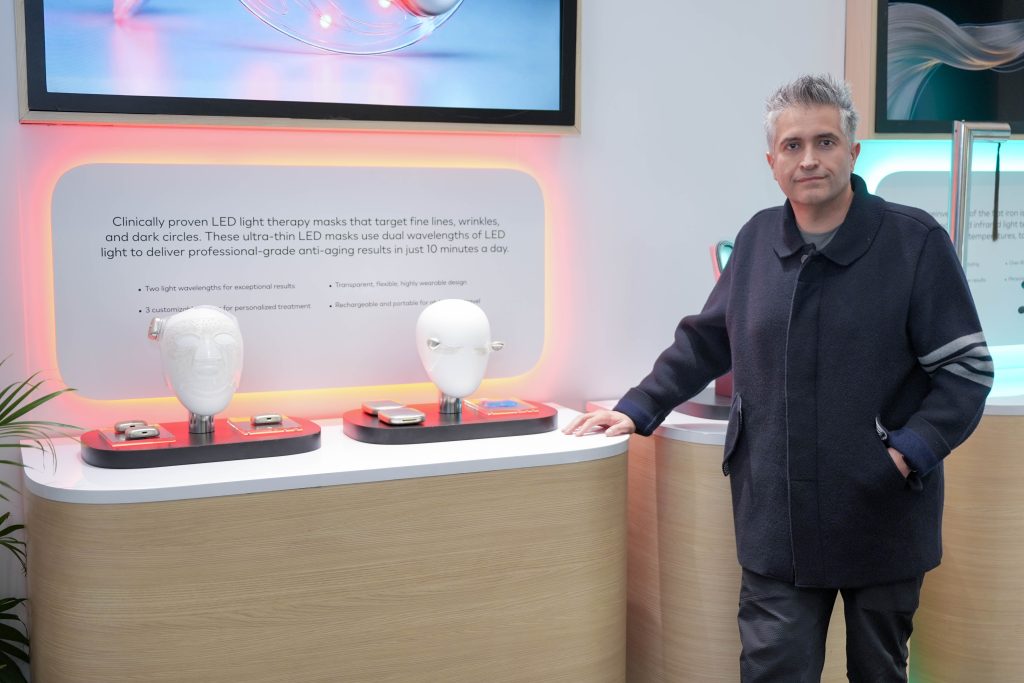
Exploring the Power of Light in Skincare
As the quest for youthful skin continues, light therapies are at the forefront of the innovation wave, alluring skincare enthusiasts with their promise of rejuvenation without the need for invasive procedures. One of the leading forms of these therapies, LED Light Therapy, has gained considerable attention for its ability to harness the power of light to bring about visible changes in skin texture and tone. By utilizing specific wavelengths to target skin concerns, this treatment encourages the skin’s natural healing processes, thus providing a dual benefit of both aesthetic improvement and skin health.
The Science Behind Light Therapy
Light therapy is based on the principle that different wavelengths of light can penetrate various depths of the skin, producing diverse effects. For instance, while red light penetrates deeply to stimulate collagen and elastin production, blue light focuses on eliminating harmful bacteria that lead to breakouts. Studies have shown that combining red and blue light during treatments can not only reduce acne but also aid in diminishing post-acne scars and hyperpigmentation.
Consider a typical session lasting 20 to 30 minutes; clients often describe it as a soothing experience akin to basking in warm sunlight. Yet, the benefits extend well beyond relaxation. Research conducted by dermatological experts indicates that patients who undergo regular LED treatments report improvements in skin elasticity and a decrease in the appearance of fine lines, evidencing the efficacy of this innovative approach.
The Rising Popularity of Home Devices
The trend towards self-care and DIY skincare has fostered a surge in at-home devices that allow consumers to reap the rewards of professional treatments within their own homes. Handheld devices that emit LED light or create micro-injuries through microneedling have emerged as accessible alternatives to in-clinic treatments. These innovations have made it easier for users to integrate effective anti-aging strategies into their daily routines, catering to the growing demand for personalized skincare solutions.
- Handheld LED Masks: Compact and easy to use, these masks offer targeted therapy at home, aligning with busy lifestyles while simultaneously indulging the skin with light energy.
- Microneedling Pens: These devices stimulate collagen production by creating tiny micro-injuries in the skin, enhancing absorption of serums and treatments when used in conjunction with light therapy.
- Smart Devices: Evolving technology has led to the development of smart skincare gadgets that connect with apps to track skin health and customize treatment schedules.
The advent of these at-home technologies has democratized access to high-quality anti-aging treatments, making them available to a wider demographic. With the convenience of being able to manage skincare from one’s own space, individuals can personalize their journeys toward healthier skin.
As we delve deeper into the realm of light and technology therapies, it becomes evident that they stand as powerful allies in the quest for youthful skin. By embracing these innovations, consumers are not only benefitting from visual improvements but are also engaging in a holistic approach that prioritizes long-term skin health, making them vital components of modern skincare regimens.
| Advantage | Description |
|---|---|
| Non-invasive Treatments | Light therapies offer a gentle and non-invasive approach to combating signs of aging, minimizing the risks associated with surgical procedures. |
| Advanced Technology | Utilizing cutting-edge technology such as LED and laser light, these treatments can improve skin tone, texture, and firmness, allowing for improved overall appearance. |
| Targeted Treatment | Technologies like intense pulsed light (IPL) enable targeted action on specific areas of concern, such as wrinkles or sunspots, enhancing the effectiveness of treatments. |
| Minimal Downtime | Patients often enjoy quick recovery times, allowing them to resume daily activities shortly after treatment, making it a convenient choice for busy individuals. |
Innovations in light and technology therapies are reshaping the landscape of anti-aging treatments, inviting individuals to explore the benefits of scientifically advanced methods. Many of these therapies not only promote a youthful appearance but also stimulate collagen production and improve skin health. The use of technology in the cosmetic industry emphasizes a focus on safer, more effective methods in addressing the concerns of aging skin while fostering an environment of curiosity and exploration into the evolving possibilities of beauty and technology combined.
DISCOVER MORE: Click here to uncover the effects of stress on skin aging
Emerging Technologies in Light and Skin Health
As light therapy technologies advance, novel applications are surfacing that promise to revolutionize anti-aging treatments even further. One such innovation is pulsed electromagnetic field therapy (PEMF), which uses magnetic fields to improve cellular function and increase blood circulation in the skin. This therapy works synergistically with light technologies, enhancing their efficiency by boosting overall skin health and rejuvenation.
The Role of Fractional Laser Treatments
Another exciting development in the realm of anti-aging therapies is the emergence of fractional laser treatments. Unlike traditional laser methods that can cause extensive damage to the skin’s surface, fractional lasers target only a fraction of the skin, leaving surrounding areas unscathed. This leads to quicker recovery times and less discomfort. The treatment stimulates collagen production and improves skin texture while combating pigmentation issues, making it a reliable option for those seeking non-invasive facial rejuvenation.
Recent studies indicate that combining fractional lasers with light therapies can amplify results, leading to enhanced skin tightening and reduced signs of aging. Patients report increased satisfaction with their skin’s appearance and significant improvements in fine lines and wrinkles, further solidifying the effectiveness of integrating various technological approaches.
Wearable Technology in Self-Care
Innovation doesn’t stop at in-home devices; wearable light therapy technology is gaining traction as an inventive solution for ongoing skin health management. Companies are developing light-emitting patches that can be placed directly on problem areas, delivering a continuous supply of targeted light wavelengths throughout the day. This hands-free approach caters to multitasking lifestyles, allowing users to integrate skin therapy seamlessly into their daily routine.
For example, a study published in the Journal of Cosmetic Dermatology highlighted the effectiveness of these wearable devices in reducing wrinkles and promoting skin hydration, underscoring their potential as an accessory in one’s skincare arsenal.
Regulatory Perspectives and Safety Concerns
As the popularity of light and technology therapies continues to grow, regulatory agencies such as the U.S. Food and Drug Administration (FDA) are taking steps to ensure safety and efficacy. Some devices are already receiving FDA clearance, which adds a layer of assurance for consumers navigating the vast array of treatment options in the market.
In recent years, there has been a surge in clinical trials investigating the long-term effects of combined light therapies on skin aging. These studies are crucial, as they not only outline potential benefits but also help identify any adverse reactions associated with prolonged use. Keeping a close eye on regulatory updates will be critical for consumers to make informed decisions regarding their anti-aging treatments.
Conclusion of Innovations
As light and technology therapies continue to evolve, it is clear they are reshaping the landscape of anti-aging treatments. From the integration of synergistic therapies and groundbreaking wearables to safety protocols, these advancements empower consumers with greater flexibility and options in their quest for youthful skin. This combination of options, rooted in science and innovation, sets a promising trajectory for the future of skincare.
DISCOVER MORE: Click here to learn about the effects of stress on skin aging
Final Thoughts on Light and Technology Therapies
The advancements in light and technology therapies are not merely trends; they represent a profound shift in the approach to anti-aging treatments. By leveraging the intricate capabilities of fractional lasers, writable light therapy devices, and emerging methods such as PEMF, consumers are now equipped with a variety of effective solutions tailored to their unique skincare needs. These innovations not only streamline treatment protocols but also enhance overall skin vitality and appearance.
As consumers navigate their choices, it’s essential to stay informed by reviewing studies and seeking treatments cleared by regulatory bodies like the FDA. Understanding the science behind these therapies can aid in discerning effective options from those less substantiated. Additionally, the melding of technology with self-care practices, exemplified by wearable devices, facilitates a practical approach for those seeking ongoing skin rejuvenation.
Looking ahead, the fusion of technology and skincare is set to continue its upward trajectory, with more research shedding light on the safety and efficacy of these treatments. As possibilities expand, it becomes clear that the journey towards youthful, healthy skin will be defined by innovation, personalization, and scientific integrity. For those intrigued by the potential of light therapies in combatting the signs of aging, the future promises a wealth of exciting opportunities to explore.
Related posts:
The Advances in Anti-Aging Research: The Future of Skin Treatments
The Role of Hydration in Maintaining Skin Elasticity Over the Years
Anti-Aging Skincare Routines: How to Adapt Your Routine Over the Years
Natural vs. Synthetic Ingredients: What Really Works in Combating Aging
The Role of Nutrition in Preventing Skin Aging: Foods that Accelerate or Delay the Process
The Role of Antioxidants in Preventing Skin Aging

Linda Carter is a writer and beauty expert specializing in skincare routines, cosmetic ingredients, and holistic self-care practices. With extensive experience helping individuals achieve healthy, radiant skin and make informed beauty choices, Linda shares her knowledge on our platform. Her goal is to empower readers with practical advice and science-backed strategies for lasting beauty and skin health.