
Logical Challenges and Education: Incorporating Reasoning Games in Elementary Education
Enhancing Cognitive Skills through Reasoning Games
In today’s fast-paced, technology-driven world, the ability to think critically and solve problems is more important than ever. As such, enhancing children’s reasoning skills through logical challenges has become a fundamental aspect of elementary education. One effective way to achieve this is through the introduction of reasoning games, which can serve as engaging tools to support and develop critical thinking among young learners.
Numerous studies have shown that children who regularly engage with games designed to stimulate cognitive development often exhibit remarkable improvements in various skill sets. For instance, research published in the “Journal of Educational Psychology” highlights that children who partake in problem-solving games demonstrate a marked improvement in their problem-solving skills, enabling them to tackle complex challenges with confidence. These children not only become better thinkers but also show heightened creativity and innovation. They learn to think outside the box, approaching problems from multiple angles to devise effective solutions. Furthermore, these games foster an environment where collaboration thrives, enhancing their ability to work collaboratively with peers—an essential skill in today’s interconnected world.
With the rise of STEM (Science, Technology, Engineering, and Mathematics) education, integrating logical challenges into classrooms has never been more timely. Here are compelling reasons for educators to consider incorporating reasoning games into their curricula:
- Encourages active participation and engagement: Reasoning games often require students to participate actively, making learning interactive and enjoyable.
- Facilitates a fun learning environment: Children are more likely to embrace and retain knowledge when they have fun while learning, and games provide the perfect platform for joyful exploration.
- Promotes resilience in facing challenges: Engaging in logical challenges teaches children that failure is a part of learning. As they navigate through various scenarios, they develop resilience and learn the value of persistence.
As schools across the United States seek effective strategies to prepare students for future academic demands, the introduction of reasoning games not only enhances traditional educational methods but also lays a crucial foundation for lifelong learning. For example, educators can implement games like chess or logic puzzles in classrooms to spark strategic thinking and reinforce essential problem-solving techniques. These games have been proven to inspire young minds, promoting a culture of inquiry and intellectual curiosity.
In the following sections, we will further explore the diverse range of reasoning games available, their practical application within educational settings, and the profound transformations they can initiate in young learners’ cognitive abilities. By unlocking the potential of critical thinking through these engaging modalities, we can pave the way for future generations of innovators and leaders.
DISCOVER MORE: Click here to learn about enhancing recall skills through group activities
The Transformative Power of Reasoning Games
As educators strive to equip young students with the cognitive skills necessary for success in an increasingly complex world, the role of reasoning games has emerged as a vital component in elementary education. These games, ranging from simple puzzles to more intricate strategic challenges, not only captivate children’s attention but also engage them in the process of learning through play. By integrating these games within the classroom, educators can create an environment that not only promotes critical thinking but also nurtures a love for learning.
One of the fundamental advantages of incorporating reasoning games into elementary curricula is their ability to enhance logical reasoning skills. Children exposed to structured problem-solving within the context of games develop the capacity to analyze situations, identify patterns, and evaluate possible outcomes. According to a study conducted by the American Psychological Association, children who engage in reasoning games show significant improvements in cognitive flexibility and problem-solving. This flexibility translates into better academic performance across various subjects, particularly in STEM fields where analytical skills are paramount.
Moreover, reasoning games can effectively cater to diverse learning styles. For instance:
- Visual learners can benefit from games that employ visual strategies, such as puzzle-solving or board games that include colorful components.
- Auditory learners may find verbal-based games stimulating, where discussions and verbal reasoning enhance their learning experience.
- Kinesthetic learners can thrive in interactive scenarios involving movement, such as scavenger hunts that require solving clues to advance.
Incorporating these varied approaches ensures that all students are engaged, reinforcing the notion that education is not a one-size-fits-all endeavor. It is particularly relevant in classrooms across the United States where diversity in learning preferences is increasingly recognized.
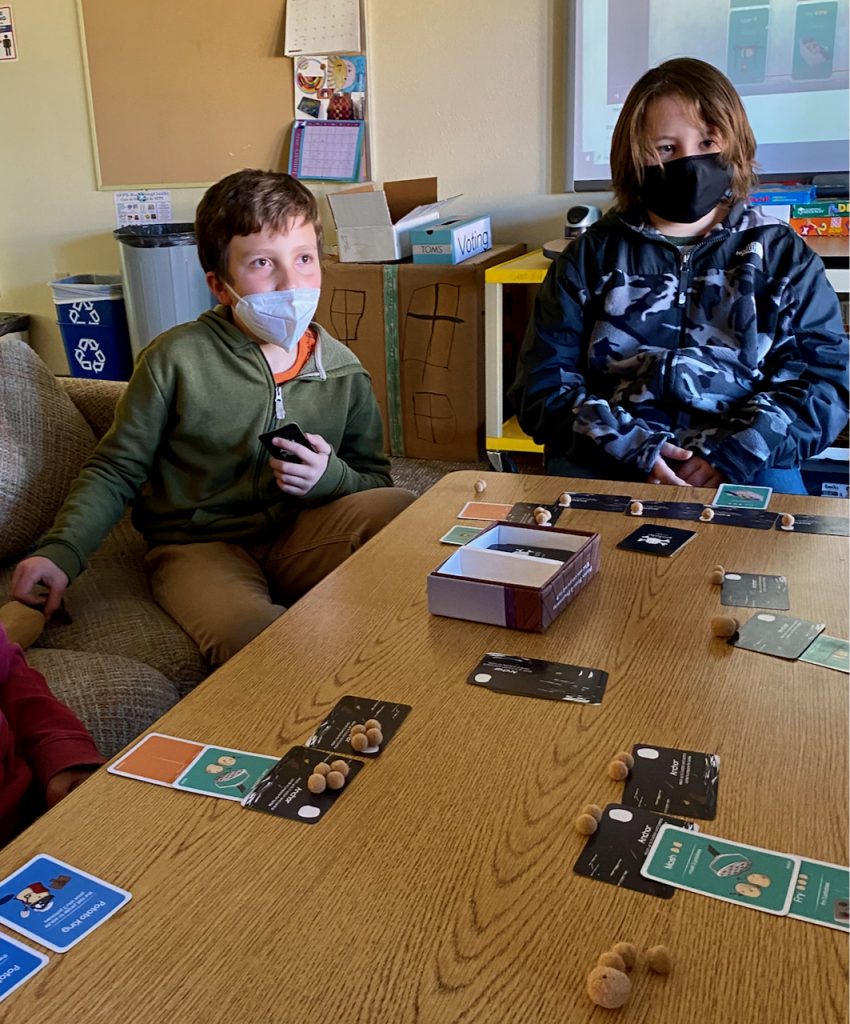
Furthermore, the social aspect of reasoning games fosters essential collaborative skills. As children play together, they learn to communicate effectively, share ideas, and collectively strategize. This interaction not only builds camaraderie among peers but also teaches vital lessons in teamwork and conflict resolution. According to the National Education Association, skills like these are crucial, as children who collaborate in learning settings are more likely to excel in future professional environments.
The potentially long-lasting impacts of integrating reasoning games into elementary classrooms cannot be overstated. As students engage in these activities, they build a toolkit of skills that extend beyond the classroom. The confidence gained from tackling challenges head-on instills a sense of resilience, motivating them to face new challenges with determination and innovative thinking. All of these factors collectively contribute to developing well-rounded individuals ready to navigate their future endeavors successfully.
In essence, incorporating reasoning games into education serves a dual purpose: it creates an interactive learning environment and lays a foundation for students’ intellectual growth. The upcoming sections of this article will delve into specific game types, their implementation in classrooms, and practical examples that can effortlessly be adopted by educators eager to foster a culture of critical thinking and problem-solving among young learners.
| Advantage | Description |
|---|---|
| Enhanced Problem-Solving Skills | Reasoning games encourage students to think critically and devise solutions to complex challenges effectively. |
| Engagement and Motivation | Incorporating games into education makes learning interactive and fun, thereby increasing student participation and interest. |
The integration of logical challenges and reasoning games in elementary education serves to fortify essential academic skills while simultaneously catering to the unique learning needs of children. Using gameplay, educators help students grasp abstract concepts through tangible experiences. This innovative approach not only sharpens critical thinking abilities but also promotes collaboration among peers by solving challenges together, thereby fostering a sense of community within the classroom.Moreover, as schools aim to cultivate a love for learning, these reasoning games serve as a vehicle to ignite curiosity. Children who engage with these activities often demonstrate improved retention of concepts, as they can continue to relate the game mechanics back to the subject matter being taught. In retrospect, the shift towards gamified learning environments presents not only a cutting-edge pedagogical tool but also an essential strategy in nurturing the problem solvers of tomorrow.
DISCOVER MORE: Click here to dive into the world of brain teasers
Exploring Various Types of Reasoning Games
To effectively integrate reasoning games into elementary education, it is vital to explore the plethora of game types available. These games not only vary in format but also in the cognitive skills they enhance. Additionally, they can be tailored to meet specific curriculum objectives, ensuring that educational standards are upheld. Below are several types of reasoning games that have proven effective in classrooms across the United States.
- Logic Puzzles: These classic games challenge students to think critically as they decipher clues, draw connections, and reach conclusions. For instance, games like Sudoku or logic grid puzzles can be adapted to various themes that resonate with students, making learning contextual and engaging.
- Board Games: Traditional board games such as chess and checkers encourage strategic planning and foresight. Furthermore, contemporary educational board games like “Rush Hour” or “Logic Links” combine fun elements with rigorous problem-solving scenarios, allowing students to practice logical reasoning in a relaxed setting.
- Card Games: Simple card games like “Set” or math-based card games can enhance cognitive skills through pattern recognition and quick thinking. In addition, these games can stimulate healthy competition, motivating students to improve their logical skills while ensuring engagement remains high.
- Digital Games: In an increasingly digital world, technology-integrated reasoning games offer exciting alternatives. Platforms like Kahoot and Quizlet provide gamified assessments where students can collaboratively solve problems and enhance their reasoning skills through instant feedback.
Implementing these diverse game types allows educators to create a well-rounded curriculum that not only meets academic goals but also fosters a love for problem-solving. Each game type serves as a valuable tool for skill development, with unique attributes that can cater to different learning preferences.
Furthermore, the timing of game integration can significantly impact its effectiveness. Incorporating reasoning games into routine lessons—such as starting or ending class with a short puzzle—enhances the learning experience without consuming excessive time. Such practices help establish reasoning games as integral components of children’s educational journeys, rather than mere distractions. Research from the Educational Research Review supports this approach, noting that when games are seamlessly woven into lessons, students exhibit improved attention spans and retention rates.
The role of educators as facilitators is crucial when integrating reasoning games into elementary education. Teachers can beliberate choosing games that align with specific learning objectives. Through active engagement and targeted questioning, educators can guide students to reflect on their methods and strategies, further enhancing their reasoning skills. Additionally, encouraging students to create their own games can foster creativity and deepen their understanding of logical concepts.
As schools across the country increasingly prioritize STEM education, the incorporation of reasoning games could play a vital role in preparing students for future challenges. This preparation not only contributes to a solid foundation in cognitive abilities but also equips students with the skills necessary to collaborate effectively in team-based projects, a competency increasingly valued in today’s workforce.
In summary, the integration of various types of reasoning games into elementary education presents abundant opportunities for cultivating critical thinking and problem-solving skills among young learners. The diversity of available games ensures that educators can cater to a range of learning preferences while maintaining an engaging classroom atmosphere conducive to intellectual growth.
DIVE DEEPER: Click here to discover more
Conclusion
Incorporating reasoning games into elementary education is not merely an innovative trend but a necessary evolution in teaching methodologies aimed at addressing the increasingly complex cognitive demands placed on young learners. As explored throughout this discussion, these games—ranging from logic puzzles and board games to digital platforms—offer a dynamic approach to developing crucial skills such as critical thinking and problem-solving.
By actively engaging with reasoning games, students enjoy a multifaceted learning experience that enhances their ability to navigate challenges both in and out of the classroom. Moreover, these games promote collaboration and healthy competition, which align perfectly with the objectives of STEM education and the skills employers seek in a rapidly evolving job market.
Educators play a pivotal role in this integration process; their guidance and creativity in selecting suitable games facilitate a structured learning environment where children are encouraged to explore and hone their reasoning skills. This strategy not only meets academic standards but also fosters a lasting enthusiasm for learning.
The insightful findings from research, such as those highlighted in the Educational Research Review, underline the positive correlations between game-based learning and improved focus and retention among students. As schools continue to embrace these educational tools, it becomes evident that incorporating reasoning games is a practical and impactful method for fostering intelligent and adaptable future generations.
Ultimately, as we delve deeper into innovative educational practices, the inclusion of reasoning games represents a promising pathway toward enriching elementary education, ensuring that young minds not only grasp fundamental concepts but are also equipped to tackle the logical challenges of tomorrow.
Related posts:
How Logical Challenges Can Improve Decision-Making in Everyday Life
The Cognitive Benefits of Solving Logical Puzzles
Deconstructing Modern Puzzles: The Influence of Technology on Logical Challenges
The Science Behind Logic Games: How They Enhance Creativity and Problem Solving
Classical Logical Challenges: History and Evolution of Mind Games
Developing Critical Thinking Through Logical Challenges

Linda Carter is a writer and puzzle expert specializing in mind games, brain teasers, and cognitive challenges. With extensive experience helping individuals enhance their problem-solving skills and think critically, Linda shares her knowledge on our platform. Her goal is to empower readers with practical advice, engaging puzzles, and strategies to sharpen their minds and achieve success in the captivating world of mind games and puzzles.