
Logical Challenges and Neuroscience: What Happens in Our Brain When Solving Puzzles
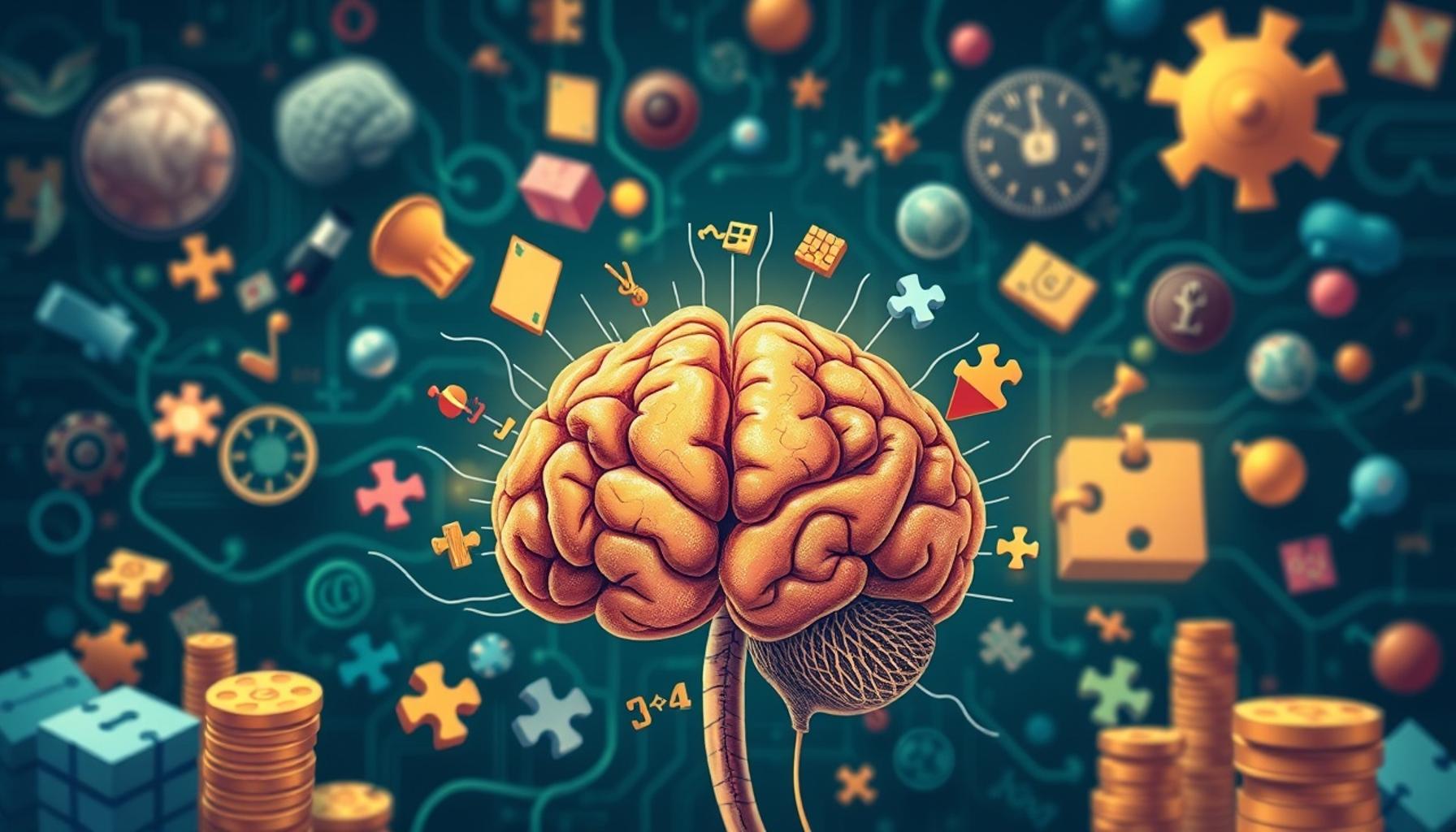
The Brain and Puzzles: A Deep Dive into Cognitive Engagement
Puzzles have captivated human minds for centuries, acting as both recreational activities and tools for cognitive development. From jigsaw puzzles that challenge our spatial awareness to complex logic puzzles that stimulate critical thinking, the engagement with these logical challenges offers significant insight into the workings of our brains. But what really happens in our brains when we engage with these intriguing conundrums? Neuroscience provides powerful insights that illuminate the intricate relationship between problem-solving and brain function.
Engagement of Brain Regions
When we tackle puzzles, different brain areas light up in response to the challenges presented. Notably, the frontal lobe plays a pivotal role, as it is responsible for higher-order executive functions such as decision-making, planning, and problem-solving. As we analyze a crossword clue or strategize in a Sudoku game, the frontal lobe works tirelessly to decipher solutions, while regions such as the parietal lobe, associated with spatial awareness, may also activate during more visual puzzles. Understanding which regions are engaged can offer valuable insights into the specific cognitive skills being exercised.
Neurotransmitter Release
Furthermore, solving puzzles triggers the release of dopamine, a neurotransmitter intricately linked to feelings of pleasure and motivation. This dopamine release not only enhances our mood but also encourages a cycle of engagement—solving a puzzle brings joy, which makes us more inclined to tackle another one. For instance, solving a particularly tough puzzle can lead to a rush of satisfaction akin to completing a challenging workout, reinforcing the brain’s positive response to intellectual challenges.
Neuroplasticity and Long-Term Cognitive Benefits
Engaging with complex logical challenges may also promote neuroplasticity, the brain’s remarkable ability to reorganize itself by forming new neural connections throughout life. Studies have shown that activities that require intensive cognitive effort—such as puzzles—can enhance brain adaptability and learning capacity. Regular engagement with puzzles can, over time, lead to long-term gains in cognitive function, keeping our brains sharp and agile as we age.
The dynamic interaction between logical challenges and our brain’s architecture unlocks a world of possibilities for cognitive enhancement. From traditional crosswords to intricate Sudoku, each type of puzzle offers unique benefits that extend beyond mere entertainment. As we dive deeper into this fascinating subject, we will explore how various puzzles affect our neural pathways, providing intriguing examples and research findings.
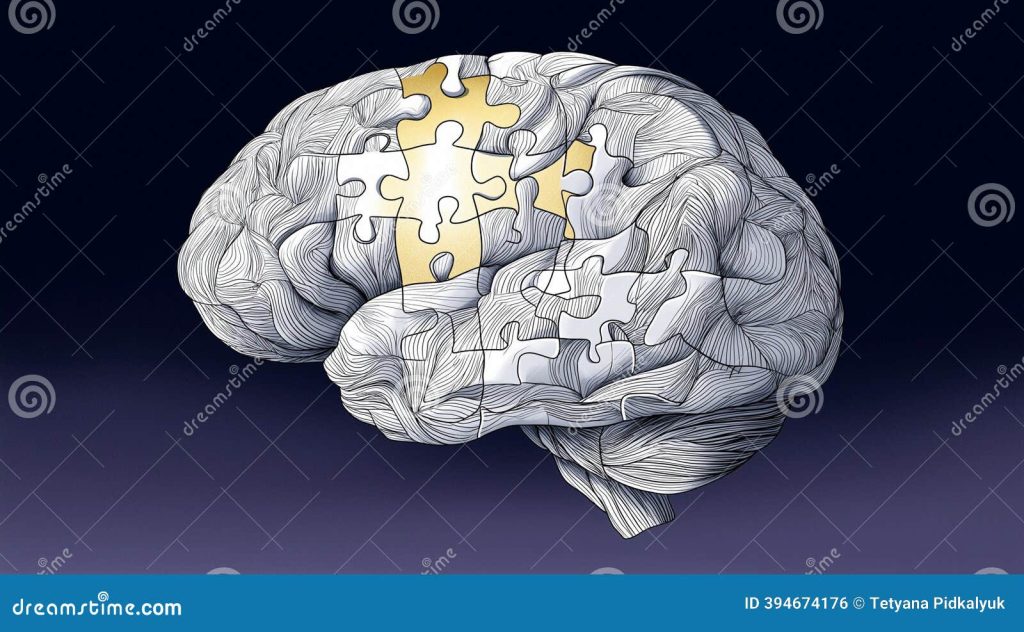
Moreover, incorporating puzzles into daily routines could serve as an effective strategy for maintaining cognitive health. The act of regularly challenging oneself with diverse puzzles not only makes for an enjoyable pastime but could also act as a buffer against cognitive decline. As we continue to investigate this exciting field, one thing becomes clear: the cognitive workout provided by puzzles is not only beneficial but also essential for nurturing the mind in our fast-paced world.
DISCOVER MORE: Click here to learn how brain teasers can help
The Mechanisms Behind Puzzle Solving: Insights from Neuroscience
The process of solving puzzles is much more than a mere exercise in logic; it is a complex interplay of various cognitive functions and brain activities. As we embark on the journey of tackling a challenging riddle or a perplexing brainteaser, numerous cognitive processes are initiated, offering a fascinating glimpse into how our brains operate under pressure. Understanding these mechanisms can not only enhance our appreciation for puzzles but also motivate us to incorporate such challenges into our lives for cognitive enrichment.
The Role of Memory in Problem Solving
Memory is a fundamental component when we confront puzzles. Two primary types of memory come into play—short-term memory and long-term memory. Short-term memory aids in holding and manipulating information, allowing us to keep track of clues or steps in a complex puzzle. Meanwhile, long-term memory provides a repository of prior knowledge and experiences that can inform our strategies for solving present challenges. Research indicates that individuals who engage in puzzle-solving often exhibit enhanced memory function over time, a testament to the brain’s ability to adapt and strengthen neural pathways.
The Emotional Connection
Interestingly, the emotional aspect of puzzle-solving also influences our cognitive engagement. When we experience frustration or excitement while working on a puzzle, our brains release a cocktail of hormones and neurotransmitters that can affect performance. For instance, when we finally unlock a solution after considerable effort, the release of endorphins can evoke feelings of happiness and fulfillment. This emotional reward system enhances our motivation, encouraging us to seek more challenging puzzles, thereby creating a positive feedback loop in our cognitive development.
Puzzles and Attention Span
Maintaining focus is critical when navigating logical challenges, and studies suggest that puzzles improve our attentional control. Engaging with puzzles requires sustained concentration, particularly in complex tasks that demand multiple steps. Evidence points to puzzles enhancing our ability to focus, potentially impacting everyday tasks like reading or studying. Here are a few specific cognitive benefits associated with solving puzzles:
- Improved attention span: Regularly engaging in puzzles may lead to longer periods of concentration, helping individuals perform better in work or academic settings.
- Heightened critical thinking: Puzzles encourage us to think outside the box and develop innovative solutions, fostering a critical mindset applicable across various aspects of life.
- Stress reduction: As we immerse ourselves in the challenge of a puzzle, the focused activity can serve as a distraction from daily stressors, promoting relaxation and mental clarity.
The intricacy of brain function during puzzle-solving unveils the remarkable adaptability of our cognitive faculties. The examination of how memory, emotional responses, and attention span converge in these moments paves the way for further exploration of their implications in our day-to-day intellectual engagement. As we delve deeper into the neuroscience behind puzzles, we begin to appreciate their role not only as a source of entertainment but also as powerful tools for cognitive enhancement.
As we delve deeper into the realm of logical challenges and their intersection with neuroscience, it’s fascinating to uncover the intricate processes that unfold in our brains during puzzle-solving activities. When we engage in seemingly simple tasks like crossword puzzles or Sudoku, our brains are activated in remarkable ways, showcasing their adaptability and complexity.
Research has illustrated that solving puzzles stimulates specific areas of the brain, primarily the prefrontal cortex, which is responsible for decision making, problem-solving, and complex thought. This heightened activity not only enhances our cognitive abilities but also strengthens neural connections, offering long-term benefits such as improved memory and heightened critical thinking skills.
Moreover, the thrill associated with solving puzzles can actually lead to the release of dopamine, a neurotransmitter linked with feelings of pleasure and satisfaction. This biochemical response reinforces our desire to tackle more challenges, fostering a cycle of continuous cognitive engagement. The process of overcoming difficulties, whether a tricky riddle or a strategic game, ignites our brain’s reward pathways, encouraging not just participation but also enhancing our problem-solving repertoire.
In addition to enhancing cognitive function, regular engagement with logical challenges may contribute to long-term brain health. Studies have shown that individuals who frequently partake in such mental exercises display a lower risk of cognitive decline as they age. This correlation emphasizes the importance of incorporating puzzle-solving not only as a leisure activity but also as a crucial component of maintaining brain vitality.
Such profound insights into how our brain operates when faced with logical challenges invite further exploration into specific techniques and puzzles that can yield the highest cognitive benefits. Understanding these cognitive mechanics can empower individuals to take proactive steps towards improving their mental acuity through engaging and enjoyable activities.
| Category | Advantages |
|---|---|
| Cognitive Engagement | Enhances decision-making and problem-solving skills |
| Neural Connectivity | Strengthens connections in the brain, promoting better memory |
| Reward Mechanism | Increases dopamine levels, enhancing motivation for further challenges |
| Long-term Benefits | Reduces risk of cognitive decline through regular mental exercise |
As the scientific community continues to unveil the fascinating interactions between logical challenges and our brain, countless opportunities emerge for us to unlock our full cognitive potential.
DIVE DEEPER: Click here to discover the secrets of strategy exercises
The Neural Pathways Activated by Solving Puzzles
Delving deeper into the brain’s workings during puzzle-solving reveals fascinating neural pathways and networks at play. Various brain regions collaborate, enhancing our problem-solving abilities and cognitive performance. The prefrontal cortex, often dubbed the brain’s command center, lights up when tackling complex logical challenges. This area is crucial for decision-making, planning, and reasoning. As we work through the layers of a puzzle, the prefrontal cortex orchestrates a symphony of thought processes, guiding us in evaluating options and deriving solutions.
The Impact of Functional Connectivity
Recent studies have demonstrated that engaging in puzzles can significantly improve the functional connectivity within the brain. This refers to how different regions communicate and collaborate with one another. When we face a puzzle, the brain forms temporary, dynamic networks that facilitate the exchange of information between distinct regions. For instance, coherent communication between the prefrontal cortex and parietal lobes—responsible for mathematical reasoning and spatial awareness—can be the key to unlocking intricate solutions.
Moreover, evidence suggests that frequent puzzle solvers develop more robust connections in these areas, leading to enhanced performance in a variety of cognitive tasks outside of traditional puzzle environments. Activities such as math problem-solving, strategic planning, and even creative endeavors are greatly benefited by improved neural connectivity.
Neuroplasticity: The Brain’s Ability to Adapt
One of the most exciting aspects of engaging with logical challenges is the phenomenon known as neuroplasticity. This remarkable quality of the brain allows it to reorganize and form new neural connections throughout life in response to learning and experience. When we consistently challenge ourselves with puzzles, we stimulate neuroplastic changes, equipping ourselves with improved analytical capabilities. Research has shown that puzzle-solving not only strengthens existing neural pathways but also promotes the growth of new ones, ultimately enhancing our overall cognitive reserve.
Specific Types of Puzzles and Their Effects
Different types of puzzles can elicit varying responses from the brain, showcasing its adaptive nature. For instance, crossword puzzles not only stimulate verbal skills but also enhance associative thinking. Studies have indicated that regular crossword engagement is linked with improved vocabulary and language processing abilities. On the other hand, puzzles that require visual-spatial reasoning, such as Sudoku and logic grid puzzles, activate distinct neural circuits associated with spatial awareness and executive functions.
- Crossword puzzles: Boost verbal fluency and improve memory through enhanced word processing.
- Sudoku and logic grids: Foster analytical and problem-solving skills by challenging spatial reasoning.
- Jigsaw puzzles: Encourage collaboration and teamwork, activating social areas of the brain when tackled in groups.
Understanding how different puzzles activate specific regions of the brain provides a unique window into how our cognitive skills develop over time. By strategically choosing the types of puzzles we engage with, we can not only enjoy a fulfilling pastime but also stimulate our brains in targeted ways, ultimately sharpening our mental acuity.
DISCOVER MORE: Click here to enhance your problem-solving skills
Conclusion: Unlocking the Mysteries of the Mind Through Puzzles
The intricate relationship between logical challenges and our brain’s functioning reveals remarkable insights into cognitive health and development. As we engage in solving puzzles, we stimulate a dynamic interplay between various brain regions, especially the prefrontal cortex, which is essential for reasoning and decision-making. This enhanced neural activity illustrates the brain’s adaptability, showcasing the concept of neuroplasticity—its capacity to form new connections and strengthen existing ones. The result? Improved cognitive performance across a multitude of tasks in everyday life.
Additionally, understanding how different types of puzzles—whether they be crosswords, Sudoku, or jigsaw puzzles—affect our mental processes opens doors to targeted cognitive training. These activities not only bolster specific skills such as verbal fluency and spatial reasoning but also contribute to a more comprehensive cognitive reserve, essential for maintaining mental sharpness as we age.
In a world where cognitive challenges are becoming increasingly vital, further exploration into the neuroscience of puzzle-solving offers promising avenues for enhancing mental agility. Whether you are a casual puzzler or an avid enthusiast, the mental workout provided by these challenges can lead to sustained cognitive benefits. So, the next time you pick up a puzzle, remember: you’re not just having fun but actively reshaping your brain, one logical challenge at a time.
Related posts:
The Cognitive Benefits of Solving Logical Puzzles
Deconstructing Modern Puzzles: The Influence of Technology on Logical Challenges
The Evolution of Logical Challenges Throughout History: From Ancient Structures to Modern Games
Logical Challenges and Artificial Intelligence: Exploring How Machines Solve Puzzles
The Importance of Logical Challenges in Developing Critical Thinking in Children
Developing Critical Thinking Through Logical Challenges

Linda Carter is a writer and puzzle expert specializing in mind games, brain teasers, and cognitive challenges. With extensive experience helping individuals enhance their problem-solving skills and think critically, Linda shares her knowledge on our platform. Her goal is to empower readers with practical advice, engaging puzzles, and strategies to sharpen their minds and achieve success in the captivating world of mind games and puzzles.