Memory Tests and Emotional Intelligence: Exploring the Link Between Recall and Emotional Awareness
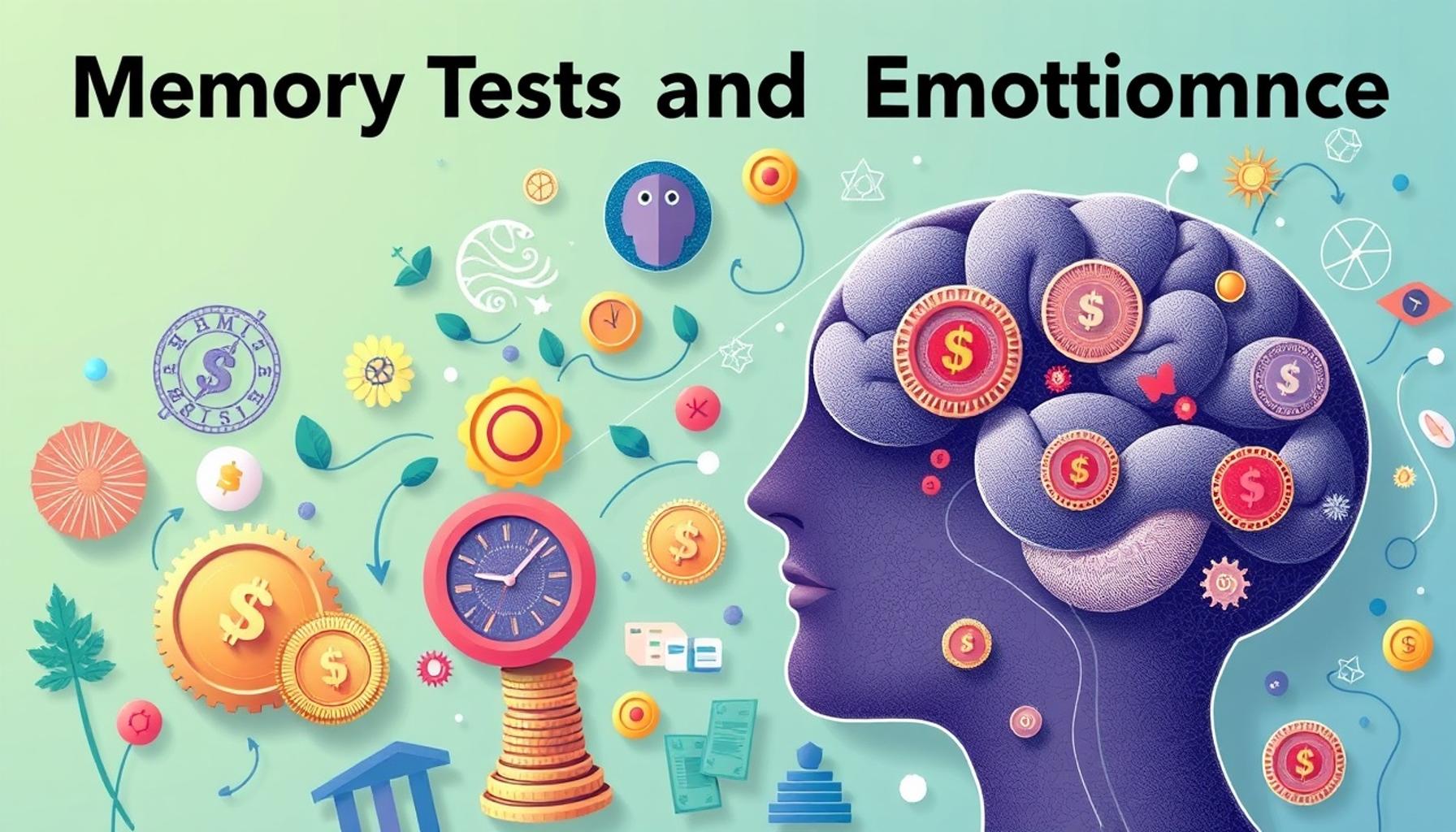
Exploring the Interplay Between Memory and Emotional Intelligence
The intricate relationship between memory and emotional intelligence has piqued the interest of researchers and psychologists alike. By delving into how our ability to recall personal experiences influences our emotional awareness, we gain compelling insights into human behavior. This connection is not purely theoretical; it holds profound implications for our everyday lives, shaping our interactions and overall well-being.
Key Aspects of Memory and Emotions
- Memory Tests: These assessments measure how effectively individuals can remember information. They range from straightforward recall tasks, such as listing items learned in a short time, to complex emotional scenarios that require the integration of past experiences with current emotional states. For example, a memory test may ask participants to recount a significant emotional event and how it impacted their feelings at that time.
- Emotional Awareness: This term encompasses the ability to recognize, understand, and manage one’s own emotions, as well as those of others. Individuals with high emotional awareness can navigate social contexts more adeptly, recognizing subtleties in others’ emotions and adjusting their responses accordingly.
- The Link: Research indicates that individuals who exhibit strong memory recall are often more emotionally aware. This enhanced emotional intelligence can lead to improved interpersonal skills and decision-making capabilities. For instance, individuals who vividly remember their personal moments of joy or sorrow are typically better equipped to empathize with others facing similar experiences.
Studies consistently demonstrate that people who can vividly recall emotional experiences often develop a heightened sense of empathy and social skills. For instance, a person who remembers a time when they supported a friend through a challenging period is likely to engage with greater understanding when encountering similar situations in the future. Recognizing this connection not only empowers individuals to enhance both their memory capabilities and emotional intelligence but also underscores the importance of reflection on past experiences in personal growth.
As we delve deeper into this subject, a series of intriguing questions emerge:
- How can structured memory training programs enhance emotional intelligence? There are various strategies, such as mindfulness practices, which can help individuals strengthen their memory while fostering emotional awareness.
- Are certain types of memories, such as those linked to trauma or significant life changes, more influential on one’s emotional awareness than others? Understanding specific memory types can lead to targeted therapeutic approaches.
- What implications does this connection have for education and mental health? Educators and mental health professionals can leverage this knowledge to develop programs that nurture both memory retention and emotional intelligence, ultimately fostering more resilient individuals.
Investigating these topics prompts us to uncover not just the science behind memory tests and emotional intelligence, but also the profound ways they intertwine to form the very foundation of rich human experiences. By fostering an awareness of these connections, we open pathways for personal development, improved relationships, and enhanced societal interactions.
DON’T MISS: Click here for best practices
The Dynamics of Memory Recall and Emotional Awareness
Understanding the relationship between memory tests and emotional intelligence requires a nuanced exploration of how we process and recall emotional experiences. Memory does not work in isolation; it is intertwined with our emotions, shaping our perception of past events and influencing future responses. One of the most compelling aspects of this relationship is how different types of memories contribute to our emotional awareness, providing insights that can enhance our empathy and social interactions.
Types of Memory and Their Emotional Resonance
Memory can be classified into several categories, each impacting our emotional intelligence in distinct ways. For instance, episodic memory pertains to our recollection of personal experiences and events, which are deeply rooted in emotions. When we recall a cherished moment, like a family gathering or a significant achievement, the emotional weight of that memory can bolster feelings of happiness and connectedness. Conversely, memories tied to loss or trauma can evoke feelings of sadness or anxiety, potentially guiding our empathy towards others in similar situations.
Moreover, the role of emotional memory expands beyond positive or negative recollections. Research has shown that individuals who can vividly remember specific emotional events often possess heightened levels of emotional awareness. They can tap into their feelings to better understand and respond to the emotional needs of those around them. This capability is crucial in fostering deeper relationships and enhancing communication skills.
Memory Tests as a Reflection Tool
Memory tests serve as valuable tools in evaluating how these different types of memory function. They can illuminate how well individuals retain emotional experiences and integrate those memories into their everyday lives. Common formats of memory assessments include:
- Free Recall Tasks: Participants are asked to recount a series of words or events with minimal cues, providing insight into their recall abilities.
- Emotional Recognition Tasks: These require individuals to identify emotions conveyed in facial expressions or stories, demonstrating how well personal experiences shape their emotional recognition.
- Contextual Memory Tests: Here, individuals must remember details from emotionally charged scenarios, offering a glimpse into the interplay between emotional significance and recall accuracy.
Through these tests, researchers can ascertain how individuals recall emotional experiences and how this recall can enhance their emotional intelligence. Those who excel in these assessments often display heightened empathy, proving that memory is not only a cognitive process but also a deeply emotional one. This correlation suggests that memory is more than a mere retrieval mechanism; it is an active agent in shaping our emotional landscape and interpersonal acumen.
Exploring these dimensions of memory and emotional intelligence could have significant implications for personal development. By understanding the ways in which memories influence emotions, individuals can adopt strategies aimed at enhancing their recall abilities, thereby enriching their emotional intelligence and promoting more meaningful connections with others.
Memory Tests in Emotional Intelligence
Memory tests have gained recognition as pivotal tools for assessing emotional intelligence (EQ). The underlying premise is that our ability to recall past emotional experiences significantly influences how we understand and manage emotions in ourselves and others. Research shows that individuals with strong memory recall related to emotional experiences tend to exhibit higher levels of empathy and emotional regulation. This correlation reveals how memory not only shapes our understanding of past interactions but also informs our future responses in emotionally charged situations. Moreover, memory tests can be structured to evaluate specific emotional recall, enabling researchers to identify patterns within emotional responses. For instance, participants might be asked to recount personal experiences linked to feelings of joy or sadness, allowing evaluators to measure the depth and accuracy of these recollections. Such an approach underlines the cognitive processes involved in both memory and emotional intelligence, emphasizing that a well-developed memory can enhance our emotional awareness.Importantly, enhancing memory through targeted cognitive exercises can be beneficial. Techniques such as mindfulness and reflective journaling have been shown to improve not only memory recall but also emotional processing. As individuals practice recalling emotional events, they strengthen their empathetic skills and better navigate social situations. Thus, the interplay between memory tests and emotional intelligence continues to spark intrigue in psychological research, inviting a deeper investigation into their profound link.
| Category | Details |
|---|---|
| Cognitive Recall | Link to emotional intelligence is profound; enhancing memory enhances understanding of emotions. |
| Empathy Development | Enhancing memory recall can lead to improved empathetic skills, allowing better interpersonal understanding. |
The findings surrounding memory tests and their impact on emotional intelligence suggest that fostering better recall may ultimately lead to deeper emotional awareness and improved relationships. As we explore these relationships further, we may unlock new methods to enhance both personal and collective emotional health.
DISCOVER MORE: Click here to delve deeper
Unveiling the Mechanisms Behind Memory and Emotion
As we delve deeper into the connection between memory tests and emotional intelligence, it becomes evident that understanding this link involves exploring the biological and psychological mechanisms at play. One such mechanism is the impact of the amygdala, a small almond-shaped cluster of nuclei located deep within the temporal lobes of the brain. The amygdala plays a crucial role in processing and storing emotional memories. It enables the brain to attach emotional significance to specific memories, strengthening the likelihood of those memories being recalled later.
This connection between the amygdala and memory recall illustrates why individuals often find it easier to remember experiences tied to strong emotions, be they joyous or distressing. For example, a person may vividly remember their wedding day due to the overwhelming joy and love they felt, while the memory of a painful breakup may linger with equal intensity. Neuroimaging studies have shown that when recalling these types of memories, there is heightened activity in the amygdala, signaling its role in emotional memory integration.
The Effect of Memory on Emotional Intelligence Development
The intertwining of emotional memory and intelligence presents implications for personal growth and emotional awareness. Individuals who actively engage in memory recall exercises not only bolster their retainment capacities but also enhance their understanding of emotional dynamics. Consider practical methods, such as keeping a journal, where individuals document both their experiences and emotional responses. This practice encourages reflection, allowing them to draw connections between their moods and interactions.
Research demonstrates that journaling can significantly enhance self-awareness by allowing individuals to categorize their emotional experiences. A 2020 study published in the journal Emotion found that individuals who kept an emotional journal showed improved emotional regulation and higher empathy scores, underscoring how memory recall exercises can cultivate emotional intelligence.
Cultural Influences on Memory and Emotional Intelligence
Cultural contexts also play a vital role in shaping the relationship between memory and emotional intelligence. The way emotions are expressed and processed can vary dramatically across different societies. For instance, in the United States, cultural norms often celebrate individual achievements and personal milestones, which can lead to a wealth of positive episodic memories. In contrast, cultures that emphasize community and collectivism may foster memories centered on group experiences, thus enhancing emotional intelligence through shared understanding and empathy.
Furthermore, different cultural backgrounds can affect how people recall emotional memories. Those from cultures that prioritize emotional restraint might experience and express their memories differently than those from more expressive societies. This variability highlights the importance of context in both memory recall and emotional awareness, suggesting that intercultural exchange can further enrich one’s emotional intelligence.
Therapeutic Implications of Memory and Emotion
The intersection of memory and emotional intelligence has significant therapeutic applications. Techniques such as cognitive-behavioral therapy (CBT) often involve revisiting emotional memories to restructure negative thought patterns. By helping individuals confront, process, and reframe these memories, therapists can enhance clients’ emotional resilience and awareness. This therapeutic approach underscores the belief in the transformative power of memory, suggesting that by improving recall and emotional understanding, individuals can foster healthier relationships and more adaptive behaviors.
As understanding of the relationship between memory tests and emotional intelligence evolves, it presents exciting possibilities for enriching our emotional landscape. Utilizing structured memory assessments, personal reflection practices, and therapeutic approaches could serve as powerful tools for enhancing emotional competence, leading to deeper human connections and personal fulfillment.
DISCOVER MORE: Click here for in-depth insights
Conclusion: Bridging Memory and Emotional Intelligence
In exploring the intricate relationship between memory tests and emotional intelligence, it becomes increasingly clear that our capacity for recall is deeply intertwined with our emotional landscape. The role of the amygdala in encoding emotional memories demonstrates how our emotional experiences can significantly influence our memory retention. As we engage in memory recall exercises, we not only sharpen our cognitive abilities but also enhance our emotional awareness, paving the way for personal growth and deeper interpersonal connections.
The therapeutic implications of this connection are profound. By utilizing methods such as journaling and cognitive-behavioral therapy, individuals can confront and reframe their emotional memories, fostering resilience and empathy. These practices validate the notion that memory is not just a passive repository of past events, but rather an active participant in shaping our emotional intelligence.
Moreover, cultural influences cannot be overlooked. They color our experiences and how we process emotions, reminding us that emotional intelligence is not merely an individual endeavor but a collective journey shaped by shared experiences and social norms. Intercultural exchange can enrich this journey, offering diverse perspectives that enhance emotional competence.
In conclusion, as we continue to unravel the complex web of memory and emotional intelligence, it is essential to recognize how intertwined they are in defining our human experience. By reflecting on our emotional memories and understanding their significance, we can unlock pathways to greater emotional awareness, foster healthier relationships, and ultimately lead more fulfilling lives. The implications of this exploration beckon for further research and inquiry, encouraging ongoing reflection and adaptation in a dynamically evolving emotional landscape.
Related posts:
Exploring the Connection Between Memory Tests and Aging: Strategies for Maintaining Cognitive Health
The Science Behind Memory Tests: Understanding Neuroplasticity and Cognitive Function
Memory Tests as Tools for Enhancing Learning: Techniques and Strategies
Adapting Memory Tests for Individuals with Learning Disabilities: Inclusive Approaches and Best Prac...
Memory Tests in Competitive Settings: How They Can Enhance Performance in Mind Sports
Using Memory Tests to Foster Social Connections: Group Activities that Enhance Recall Skills

Linda Carter is a writer and puzzle expert specializing in mind games, brain teasers, and cognitive challenges. With extensive experience helping individuals enhance their problem-solving skills and think critically, Linda shares her knowledge on our platform. Her goal is to empower readers with practical advice, engaging puzzles, and strategies to sharpen their minds and achieve success in the captivating world of mind games and puzzles.