Natural Ingredients to Combat Aging: Myths and Truths

The Pursuit of Youthfulness
The human desire for youth and vitality is as old as time itself. With advancements in science and an increased focus on health and wellness, many individuals are now exploring the use of natural ingredients as a means to combat the visible signs of aging. However, navigating the sea of claims and products can be challenging and overwhelming. Understanding which natural elements are genuinely effective—and which ones are not—empowers consumers to make informed choices in their skincare routines.
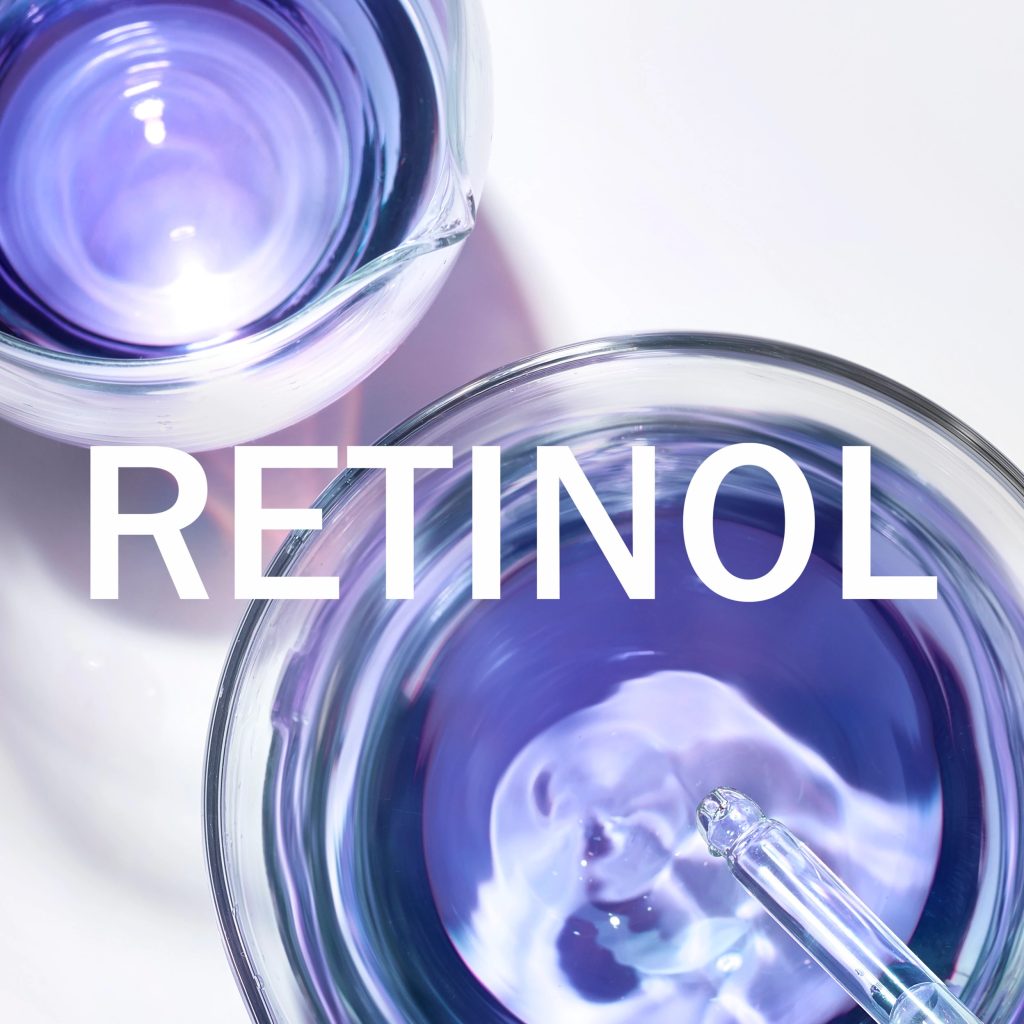
The surge in interest around natural ingredients is reflected in the popularity of various components touted for their protective and rejuvenating properties. Among them is Retinol, a powerful derivative of vitamin A that is renowned for its ability to boost cell turnover, thereby promoting a fresher, smoother complexion. Many dermatologists endorse Retinol for its science-backed efficacy in reducing fine lines and wrinkles. Conversely, Hyaluronic Acid stands out for its remarkable ability to retain moisture, attracting water to the skin and providing a plump, youthful appearance. This ingredient has become a staple in many serums and moisturizers, appreciated for its suitability across different skin types.Antioxidants like vitamins C and E also play a crucial role in anti-aging skincare. They work synergistically to combat the damaging effects of free radicals—unstable molecules that can cause premature aging. For instance, Vitamin C not only protects but also aids in collagen synthesis, giving the skin structure and elasticity.Additionally, plant extracts such as green tea and aloe vera have garnered attention for their soothing and rejuvenating effects. Green tea, rich in polyphenols, is celebrated for its anti-inflammatory properties, while aloe vera has been historically used for its skin-healing capabilities.
Despite the promising attributes of these natural ingredients, misconceptions abound. Some consumers assume that all natural products are inherently safe, a tendency that overlooks the potential for allergic reactions or adverse effects. Moreover, the quest for instant results can lead to frustration, as effective skincare often requires consistent use over an extended period. Another prevalent myth is that all skin types respond similarly to these ingredients. In reality, individual skin characteristics can drastically influence how one’s skin reacts to certain products. Sensitive skin might flare up due to a seemingly benign natural extract, while others with robust skin might see quicker benefits.
Exploring the landscape of skincare requires awareness and understanding. This article aims to dissect the truths and myths surrounding these popular natural ingredients, providing readers with the knowledge to discern what genuinely works in their anti-aging efforts. By unveiling the science behind these claims, we hope to equip you with the tools necessary to make thoughtful decisions on your journey toward maintaining youthful, healthy skin.
DISCOVER: Click here to uncover the benefits
Unpacking Natural Ingredients: Efficacy vs. Exaggeration
As the market for anti-aging skincare continues to saturate with a plethora of options, consumers are increasingly turning toward natural ingredients in their quest for youthful skin. This interest is not unfounded; many naturally derived substances indeed carry beneficial properties. Yet, separating the useful from the overrated is crucial for achieving desired results. Understanding how these ingredients function and their limitations can empower consumers in their skincare choices.
Among the myriad of natural ingredients heralded for their anti-aging properties, it is imperative to delve deeper into the science behind them. As previously mentioned, Retinol, despite being a derivative of vitamin A, is often misunderstood when categorized strictly as “natural.” While its origins stem from natural sources, the potency and effectiveness we see in skincare products are usually enhanced through chemical processes. Many individuals expect miracles from Retinol, with some complaining of irritation or redness when first introducing it into their routine. This scenario emphasizes the need for a gradual introduction and understanding individual skin responses.
In contrast, Hyaluronic Acid deserves recognition, not just for its hydration prowess but for its adaptability. It is a naturally occurring substance in our bodies, capable of holding up to 1,000 times its weight in water. Its ability to provide lasting moisture can indeed lead to plumpness and elasticity—a hallmark of youthful skin. This ingredient typically garners fewer complaints, as it is generally well-tolerated across skin types. However, users often overlook that while Hyaluronic Acid hydrates the skin, it does not directly stimulate collagen production, which means complementary ingredients may still be necessary for comprehensive anti-aging benefits.
When exploring the landscape of antioxidants like vitamins C and E, the conversation shifts toward protecting the skin from oxidative stress. These vitamins are crucial for neutralizing free radicals, which are responsible for cellular damage and premature aging. However, misconceptions linger; some consumers mistakenly believe that a single application of a vitamin C serum will undo years of damage. Instead, these antioxidants work best as part of a consistent skincare routine, and their efficacy can diminish if not stored properly or used within a reasonable timeframe after opening.
Natural plant extracts also deserve attention, with two key players being green tea and aloe vera. Green tea is lauded not only for its caffeine content but for its high concentration of polyphenols, which have demonstrated anti-inflammatory and skin-soothing properties. On the other hand, aloe vera has long been celebrated for its ability to heal and hydrate the skin. Nevertheless, the myth that they can single-handedly reverse aging is misleading; instead, these ingredients contribute positively to a well-rounded skincare regimen.
To navigate the uncharted territories of natural anti-aging solutions, consider the following aspects:
- Individual Variability: Each person’s skin type requires unique consideration, and results can vary significantly based on individual sensitivities.
- Importance of Consistency: Most natural ingredients yield the best results over time—patience is essential.
- Understanding Limitations: While natural ingredients offer benefits, they cannot entirely replace professional treatments or comprehensive skincare regimens.
In sum, the journey through natural anti-aging ingredients is laden with opportunities and challenges. By grasping the reality of these substances, consumers can enlighten their journeys for a healthier and more youthful complexion. As we delve deeper into this landscape, separating fact from fiction continues to be the ultimate objective in any anti-aging endeavor.
| Myths | Truths |
|---|---|
| All Natural Ingredients Are Safe | Some natural substances can cause allergic reactions or skin irritation. |
| Natural Equals Effective | Effectiveness varies; scientific studies support some ingredients over others. |
When delving into the intricate world of aging and skincare, it is crucial to discern between myth and truth, especially when it comes to the claim that natural ingredients are inherently safe for all skin types. While the allure of nature suggests a pure and gentle effect, the reality is that some natural ingredients can provoke allergic reactions or skin irritation. For instance, essential oils, often touted for their benefits, can be potent allergens for many individuals.Moreover, the misconception that “natural equals effective” lingers in the skincare debate. Scientific evidence backs various natural components for their anti-aging effects—such as retinol derived from vitamin A, or antioxidants like vitamin C. Yet, not all ingredients marketed as natural are substantiated by robust studies proving their efficacy in combatting aging. Thus, understanding these distinctions paves the way for informed choices in skincare. A closer look at these truths can lead to an enlightened perspective on what truly nourishes our skin and reverses the signs of aging.
DIVE DEEPER: Click here to discover the crucial role of pH in skincare
Natural Ingredients: The Science of Skin Renewal
As the quest for eternal youth continues, understanding the various natural ingredients in anti-aging products becomes increasingly vital. While many beauty enthusiasts are eager to embrace the allure of “natural,” it’s essential to sift through the marketing haze to identify scientifically substantiated elements. A particularly fascinating category that often flies under the radar is peptides. These fragments of proteins are naturally occurring in the skin and play a crucial role in cell communication. Certain peptides, like Matrixyl, have been shown to promote collagen synthesis, presenting a compelling argument for their inclusion in anti-aging formulations. However, skeptics often question their efficacy when applied topically, leading to ongoing discussions about bioavailability and absorption rates.
Another powerhouse in the realm of natural anti-aging is rosehip oil. Rich in essential fatty acids and vitamins, particularly vitamin A, rosehip oil is often touted for its potential to hydrate the skin and reduce the appearance of scars and fine lines. Some studies suggest that continuous use of rosehip oil can improve skin elasticity and firmness, showcasing its rejuvenating properties. However, the reality remains—while rosehip oil can support a healthy, glowing complexion, it is not a miracle treatment for pre-existing wrinkles or deep-set lines. Instead, it works best as a supportive ally within a broader skincare strategy.
A closer look at grapeseed oil also sheds light on its antioxidant-rich profile. Known for its high concentrations of vitamin E and polyphenols, grapeseed oil can help combat oxidative stress and protect the skin from environmental aggressors. Consumers often mistakenly believe that merely applying grapeseed oil will act as a defensive shield against aging. In truth, its protective qualities must be complemented by a holistic approach that includes sun protection, hydration, and nutrition to truly combat the signs of aging.
Exploring the benefits of botanical extracts, such as rosemary and licorice root, uncovers another layer of potential. Rosemary contains compounds that promote blood circulation, enhancing nutrient delivery to the skin and encouraging a vibrant appearance. Meanwhile, licorice root is celebrated for its skin-brightening properties, attributed to its ability to reduce hyperpigmentation. However, reliance solely on these plant-based extracts without understanding their active components can lead to disappointment when results vary. Users should ideally incorporate such ingredients alongside an understanding of their action mechanisms.
Regenerative Exploration
As consumers continue to delve into the world of natural anti-aging ingredients, they must recognize the importance of sourcing. Organic certifications and sourcing transparency can significantly impact the effectiveness and purity of these ingredients. For instance, essential oils like frankincense are prized for their rejuvenating properties, yet their potency can vary dramatically based on cultivation and extraction methods. The process of distilling these oils is intricate and may yield different outcomes, influencing not only scent but efficacy as well.
To truly benefit from natural anti-aging ingredients, it’s essential to engage in product education. Attentive shoppers should seek out formulations that provide clear, research-backed benefits while being mindful of the potential for skin sensitivities. Additionally, consideration of ingredient stability is crucial, as some natural substances can degrade more rapidly than synthetic equivalents, rendering them ineffective if not utilized correctly.
- Informed Choices: Always prioritize products that provide transparency regarding ingredient sourcing and formulation science.
- Expect Realistic Outcomes: Align expectations with realistic timelines; the search for youthful skin requires time and consistent application.
- Integrative Approach: Combine natural ingredients with lifestyle factors, such as a balanced diet and sun protection, to enhance the efficacy of anti-aging efforts.
As more consumers educate themselves about natural ingredients and their roles in combating aging, the body of knowledge surrounding these substances expands. The intersection of nature and science offers a promising landscape, where understanding both myths and truths can empower individuals to achieve their skin health goals with confidence.
DISCOVER MORE: Click here for deeper insights
Wrapping Up the Journey Through Natural Anti-Aging
In the ever-evolving landscape of skincare, natural ingredients are increasingly recognized for their potential in the fight against aging. However, as we’ve seen, the allure of nature must be approached with caution and discernment. Not every fragrant oil or green extract is the panacea for youthful skin; understanding the science behind these ingredients is paramount. While substances like peptides, rosehip oil, and various botanical extracts show promise, their efficacy is often most pronounced when perceived through the lens of realistic expectations and combined with a comprehensive skincare regimen.
The journey to combat aging is not a sprint, but rather a marathon that requires patience, education, and holistic efforts. Holistic practices, which integrate diet, hydration, sun protection, and a thoughtful application of natural products, are essential in maximizing results. As consumers, it’s crucial to seek out products that not only highlight natural ingredients but do so with transparency and scientific support. This empowers individuals to make informed choices and allows for a more tailored approach to skincare.
As the dialogue surrounding natural anti-aging continues to grow, both consumers and manufacturers have the opportunity to engage in a deeper understanding of the ingredients at hand. By bridging the gap between myth and truth, we can cultivate a skincare philosophy that celebrates both nature and science, ultimately leading us toward healthier, more vibrant skin.
Related posts:
Advancements in Anti-Aging Technology: How Artificial Intelligence is Transforming Skincare
Studies on the Effect of Pollution on Skin Aging Speed
The Role of Antioxidants in Preventing Skin Aging
Facial Exercises: The New Trend to Rejuvenate Appearance
The Role of Hydration in Maintaining Skin Elasticity Over the Years
The Influence of Nutrition on Skin Health and the Fight Against Aging

Linda Carter is a writer and beauty expert specializing in skincare routines, cosmetic ingredients, and holistic self-care practices. With extensive experience helping individuals achieve healthy, radiant skin and make informed beauty choices, Linda shares her knowledge on our platform. Her goal is to empower readers with practical advice and science-backed strategies for lasting beauty and skin health.