Studies on the Effect of Pollution on Skin Aging Speed

Unveiling the Connection Between Pollution and Skin Aging
As cities grow and industries expand, the impact of pollution on our environment becomes increasingly apparent. But did you know that aside from affecting air quality, pollution can also have detrimental effects on your skin? Various studies reveal a concerning link between environmental pollutants and the acceleration of skin aging.
Key Findings in Recent Research
Research highlights several critical factors that contribute to this phenomenon, including:
- Particulate Matter (PM): These tiny particles, often less than 2.5 micrometers in diameter, can penetrate the skin barrier, leading to inflammation and oxidative stress. They can originate from vehicle emissions, industrial discharges, and even construction sites, attaching themselves to the skin and triggering a cascade of damaging effects.
- Chemical Exposure: Substances such as heavy metals (like lead and mercury) and volatile organic compounds (VOCs) can wreak havoc on the skin’s cellular functions. These chemicals may disrupt essential processes, leading to skin barrier dysfunction, cellular aging, and an overall faded complexion.
- UV Radiation: Pollution can exacerbate the effects of UV radiation. Studies have shown that particulate matter can increase the skin’s susceptibility to UV rays by creating a “reactive oxygen species” environment, which enhances skin damage and accelerates signs of aging.
In urban areas across the United States, the effects are even more pronounced. The American Academy of Dermatology has reported that individuals living in cities with elevated pollution levels may experience:
- Premature Wrinkles: Increased fine lines and texture changes are often observed. Pollutants can degrade collagen, a vital protein that helps maintain skin firmness and elasticity, ultimately resulting in sagging skin and deeper wrinkles.
- Hyperpigmentation: Exposure to pollutants can trigger an overproduction of melanin, leading to dark spots and an uneven complexion. This effect is particularly troublesome for those with darker skin tones, as the contrast can be more pronounced.
- Loss of Elasticity: Skin may become less firm and resilient due to the breakdown of vital structural components like collagen and elastin. This loss can result in a less youthful appearance and increase the visible signs of aging.
With these findings in mind, understanding the science behind pollution and its effects on skin aging is more crucial than ever. Experts advise incorporating protective ingredients such as antioxidants into skincare regimens, as they can help neutralize the effects of free radicals produced by pollutants. Additionally, maintaining a sturdy skincare foundation that includes moisturizers and sunscreens becomes vital in urban landscapes plagued by pollution.
In the ensuing sections, we will delve deeper into these studies and uncover innovative skincare strategies to combat these challenges, ensuring that even amid pollution, we can support our skin’s health and resilience.
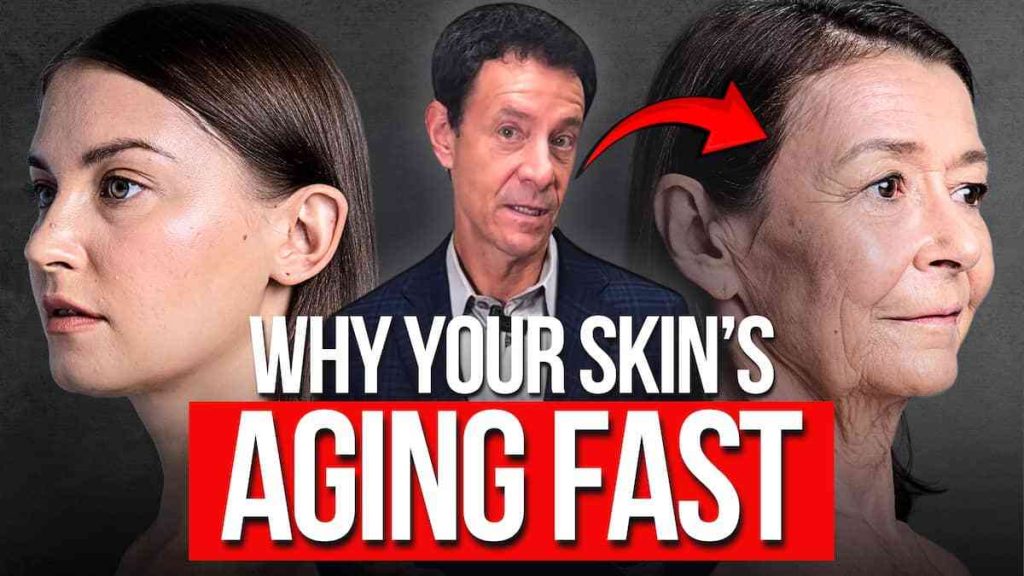
LEARN MORE: Click here to discover how quality sleep impacts your skin
The Science Behind Pollution and Skin Aging
A growing body of evidence suggests that the relationship between pollution and skin aging is not just a fleeting concern but a significant public health issue. Numerous studies indicate that skin aging is accelerated by various environmental pollutants, prompting researchers to investigate the specific mechanisms behind this correlation. Understanding how these elements interact with our skin can help us develop effective protective measures.
Mechanisms of Skin Damage Induced by Pollution
At the cellular level, exposure to pollution can result in a series of damaging reactions that combine to hasten the aging process. The following factors are crucial in understanding the impact of various pollutants on skin health:
- Oxidative Stress: Pollution generates a high concentration of free radicals in the environment. These unstable molecules can damage skin cells, leading to oxidative stress, which is known to cause premature aging. According to research published in the Journal of Dermatological Science, increased levels of oxidative stress markers correlate directly with age-related skin changes.
- Inflammation: Chronic exposure to pollutants such as nitrogen dioxide and particulate matter can lead to skin inflammation. This reaction disrupts the skin barrier and triggers various inflammatory processes that may contribute to conditions such as rosacea and eczema. A study by the American Dermatology Association highlighted that inflamed skin quickly shows signs of aging, such as redness and uneven texture.
- Degradation of Skin Proteins: Research indicates that certain pollutants, including heavy metals and volatile organic compounds, can break down essential skin proteins like collagen and elastin. A significant decrease in these proteins leads to sagging skin, fine lines, and wrinkles, making it one of the most concerning effects of pollution on skin aging.
In particular, urban landscapes are frequently associated with heightened pollution levels, resulting in concerning skin health implications for residents. A cross-sectional study conducted in New York City demonstrated that individuals living in high-traffic areas showed a marked increase in hyperpigmentation and skin roughness compared to those in cleaner environments.
The Role of Lifestyle Factors
Combating the effects of pollution on skin aging also involves recognizing how various lifestyle factors can either mitigate or amplify damage. Essential components such as diet, skincare, and sun protection are paramount in maintaining skin health in polluted environments. Here are several lifestyle recommendations supported by recent research:
- Antioxidant-Rich Diet: Consuming foods high in antioxidants, such as berries, nuts, and leafy greens, can help combat oxidative stress at a cellular level. The American Journal of Clinical Nutrition emphasizes that nutritional antioxidants can effectively neutralize free radicals, possibly slowing the aging process.
- Daily Sunscreen Application: Applying broad-spectrum sunscreen daily is vital, especially in polluted areas where pollutants can heighten UV damage. The Skin Cancer Foundation underscores the importance of regular sunscreen use to protect against skin aging and skin cancer.
- Regular Skincare Regimen: Incorporating products that contain antioxidants, such as Vitamin C or E, can offer added protection against pollution-induced skin damage. Dermatologists recommend using a consistent skincare routine tailored to individual skin needs to strengthen the skin barrier.
By understanding how pollution contributes to skin aging and implementing protective measures, individuals can combat its detrimental effects effectively. The next sections will further explore targeted strategies and groundbreaking research that aim to preserve the youthful appearance of our skin in an increasingly polluted world.
| Category | Key Features |
|---|---|
| Effect of Air Pollution | Chronic exposure to pollutants like PM2.5 can significantly accelerate skin aging by diminishing collagen and elastin levels. |
| Oxidative Stress | Pollutants increase oxidative stress in skin cells, leading to enhanced fine lines and wrinkles. |
| Skin Barrier Disruption | Exposure to toxins can weaken the skin barrier, making it more vulnerable to external aggressors and dehydration. |
| Inflammation | Airborne pollutants may stimulate inflammatory responses, contributing to premature skin aging. |
The correlation between pollution and accelerated skin aging has become a critical area of research. Factors such as ultraviolet radiation and urban air pollution are being scientifically investigated for their roles in exacerbating skin conditions. In particular, studies highlight that the exposure to toxic substances can damage skin cells at a molecular level, leading to premature visible signs of aging. Research indicates that increasing industrial emissions and vehicular discharge contribute not only to environmental concerns, but also adversely affect skin health. Therefore, understanding the dynamics between pollution and skin aging is essential, prompting interest in protective skincare formulations while encouraging further inquiry into effective countermeasures against these environmental aggressors. The quest for effective skincare solutions, including antioxidants and sunscreen, emerges as a vital conversation in dermatology, calling for more extensive studies to bolster consumer awareness and health advocacy.
DISCOVER MORE: Click here to learn how quality sleep impacts skin aging
Impact of Environmental Factors on Skin Aging
In addition to the direct effects of pollution, the surrounding environmental factors also play a significant role in accelerating skin aging processes. Specifically, factors like humidity, temperature, and urban infrastructure contribute to how pollutants affect our skin. A notable study published in the Journal of Investigative Dermatology established that fluctuating temperatures combined with high pollution levels can exacerbate the skin’s aging signs, creating a perfect storm that accelerates the deterioration of skin quality.
Urban Heat Islands and Their Contribution
Urban areas are often characterized by what is known as the “Urban Heat Island” effect, where cities become significantly warmer than their rural surroundings due to human activities and infrastructure. This increase in temperature can accelerate skin aging by enhancing the harmful effects of pollution. The Environmental Science & Technology journal reports a direct correlation between elevated temperatures and an increase in skin water loss, which may lead to dryness and irritation. Such conditions can compromise the skin barrier, making it more susceptible to the detrimental impacts of pollutants.
Moreover, the interplay between heat and pollution can lead to increased skin irritation and a higher incidence ofr conditions such as contact dermatitis, which can further accelerate aging. Residents in cities like Los Angeles, known for its combination of high sun exposure, warm temperatures, and elevated pollution levels, report significant skin issues, including increased pigmentation and accelerated wrinkle formation. A study tracked urban skincare behaviors, revealing that over 70% of individuals living in polluted areas feel their skin has aged faster compared to those in cleaner environments.
The Role of Sleep and Stress
Another layer in this complicated relationship between pollution and skin aging is the psychological impact of living in a polluted environment. Chronic stress, often heightened by urban living conditions, can adversely affect skin by increasing cortisol levels, known to degrade collagen and elastin, essential for youthful skin. Research in the International Journal of Dermatology suggests that those exposed to high pollution levels experience greater stress, leading to accelerated aging indicators such as sagging skin and pronounced lines, particularly under the eyes.
Data-Driven Insights into Skin Health
Quantitative data provides a clearer picture of the severity of pollution’s effects on skin aging. A 2021 epidemiological study confirmed that residents living within a mile of high-traffic areas showed a 24% higher incidence of skin aging signs compared to those away from such pollutants. These numbers underscore the importance of addressing pollution as a public health concern directly impacting dermatological health.
Furthermore, researchers found a direct link between particulate matter exposure and the prevalence of premature aging signs in specific demographic groups. For instance, women aged 30-50, predominantly urban dwellers, exhibit major signs of aging almost two years earlier than their rural counterparts due to consistent exposure to airborne pollutants. These findings advocate for tailored interventions and protective strategies aimed explicitly at vulnerable populations.
As awareness grows regarding the influence of pollution on skin aging, a collective call to address these environmental challenges becomes increasingly urgent. Innovative solutions, ranging from urban planning to public health initiatives, must consider the multifaceted impacts of pollution on individual skin health, ultimately fostering a healthier environment for all.
LEARN MORE: Click here to uncover the connection
Conclusion
The relationship between pollution and skin aging is a growing area of concern among dermatologists and environmental scientists alike. As highlighted throughout this article, the evidence is mounting that exposure to harmful pollutants significantly impacts the speed of skin aging, facilitating the premature appearance of wrinkles, pigmentation, and loss of elasticity. Particularly in urban environments, residents are facing not just the immediate discomforts associated with high pollution levels, but also the long-term consequences that these environmental factors have on their skin health.
Moreover, studies indicate that the combination of environmental factors such as urban heat islands significantly exacerbates these effects. With people living in metropolitan areas reporting accelerated signs of aging compared to those in less polluted regions, the data suggests a pressing need for effective public health interventions and awareness campaigns. The psychological toll associated with pollution, including increased levels of stress that contribute to skin deterioration, cannot be overlooked either.
As researchers delve deeper into the link between environmental pollutants and skin health, further studies will be essential in developing protective measures and skincare regimens tailored to those living in polluted areas. Citizens, policymakers, and dermatology professionals must collaborate to address these urgent issues, promoting both environmental sustainability and skin health. Ultimately, as we learn more about the detrimental effects of pollution on our skin, it becomes increasingly clear that fostering a cleaner environment is not just an ecological imperative but also a vital component of preserving our vitality and youthful appearance.
Related posts:
Facial Exercises: The New Trend to Rejuvenate Appearance
The Role of Antioxidants in Preventing Skin Aging
The Role of Nutrition in Preventing Skin Aging: Foods that Accelerate or Delay the Process
The Role of Hydration in Maintaining Skin Elasticity Over the Years
The Influence of Nutrition on Skin Health and the Fight Against Aging
Light and Technology Therapies: Innovations in Anti-Aging Treatment

Linda Carter is a writer and beauty expert specializing in skincare routines, cosmetic ingredients, and holistic self-care practices. With extensive experience helping individuals achieve healthy, radiant skin and make informed beauty choices, Linda shares her knowledge on our platform. Her goal is to empower readers with practical advice and science-backed strategies for lasting beauty and skin health.