The Connection Between Natural Ingredients and Aromatherapy in the Skin Care Industry
Exploring the Fusion of Nature and Aromatherapy in Skin Care
As consumers increasingly seek products that are authentic and environmentally friendly, the skin care industry is undergoing a remarkable shift. This change is driven by an enhanced consciousness about the ingredients in personal care items, as well as a growing desire for products that not only enhance appearance but also promote holistic well-being. The return to natural ingredients is at the forefront of this movement, allowing users to connect more deeply with the items they apply to their skin.
One of the key elements of this transformation is the incorporation of aromatherapy, a practice that utilizes the therapeutic properties of essential oils derived from plants. These natural extracts do more than just smell good; they serve as powerful tools for enhancing both physical and mental health. The synergy between aromatherapy and skin care offers a multi-faceted approach to beauty that is increasingly being embraced by brands and consumers alike.
- Natural Ingredients: The rich diversity of natural components such as aloe vera, jojoba oil, and sheabutter is celebrated for their nourishing qualities. For example, aloe vera is well-known for its soothing properties, making it ideal for calming sunburned skin or alleviating irritation. This gentle approach resonates with individuals looking for effective skin care solutions without harsh chemicals.
- Aromatherapy Benefits: The aromatic nature of essential oils like lavender, tea tree, and frankincense enhances the sensory experience of applying skincare. Lavender oil is particularly recognized for its calming effects, potentially reducing stress and anxiety, which can significantly impact skin health. Moreover, tea tree oil possesses natural antibacterial properties, making it an excellent choice for combating acne.
- Sustainable Practices: With an increasing focus on sustainability, many brands are now committed to using responsibly sourced ingredients. Brands such as Herbivore Botanicals and RMS Beauty prioritize eco-friendly practices, which not only minimize environmental impact but also support the livelihoods of local communities where the ingredients are sourced. By promoting fair trade and ethical sourcing, consumers can feel good about their purchases.
The marriage of natural ingredients with aromatherapy creates innovative skin care solutions that provide both aesthetic and therapeutic benefits. This connection invites consumers to engage with their skincare regimens on a deeper level, allowing them to not only care for their skin but also nurture their mental wellness.
As the allure of natural skin care continues to captivate enthusiastic consumers, it opens avenues for exploration into the various healing properties of these ingredients. Are you prepared to embark on this aromatic journey and unlock the rejuvenating possibilities that lie within the essence of nature?
DISCOVER MORE: Click here to dive into the latest trends
The Therapeutic Power of Natural Ingredients and Aromatherapy
The skin care industry is witnessing a renaissance as it warmly embraces the rich tapestry of natural ingredients and the art of aromatherapy. Not only do these elements cater to consumer demand for cleanliness and authenticity, but they also draw upon age-old traditions that structure modern beauty practices. Within this dual focus, the interplay between nature’s bounty and the therapeutic benefits of essential oils unveils a powerful narrative about skin care and wellness.
One of the most compelling aspects of natural ingredients is their well-documented efficacy. For instance, aloe vera has long been cherished for its moisturizing and healing capabilities, evident in its use to soothe sunburns and accelerate skin recovery. Similarly, jojoba oil closely mimics the skin’s natural sebum, making it an excellent choice for all skin types, from dry to oily. Moreover, sheabutter is renowned for its rich vitamin content, offering deep hydration that supports skin elasticity and reduces signs of aging.
Furthermore, the incorporation of aromatherapy enhances this connection by amplifying the overall experience and benefits derived from these natural ingredients. Essential oils, such as lavender, are known for their calming properties, encouraging relaxation and stress relief during the skincare routine. This is particularly important because stress can lead to various skin issues, from breakouts to premature aging. The soothing scent of lavender not only provides an aromatic indulgence but also positively influences mental wellness, creating a holistic beauty ritual.
- Antimicrobial Actions: Tea tree oil is another powerful ally in the skin care arsenal, acclaimed for its natural antibacterial and antifungal properties. Many brands are incorporating tea tree oil into their formulations to target acne and blemishes, promoting clearer skin without the harshness associated with synthetic treatments.
- Immune Support: Essential oils like frankincense and geranium offer additional reparative properties. Frankincense is lauded not only for its rejuvenating effects on mature skin but also for its capabilities to improve skin tone and texture. A rising trend among skin care enthusiasts is to combine these oils in DIY facial treatments to harness their medicinal qualities and customize skincare.
- Anti-Inflammatory Benefits: Chamomile essential oil is noted for its anti-inflammatory qualities, making it a choice ingredient in products targeting sensitive skin. With consumers gravitating towards gentler and more soothing formulations, chamomile serves as an ideal counterpart to chemical-laden alternatives.
The seamless integration of natural ingredients with aromatherapy not only enriches effectiveness but also reinvigorates the enchanting experience of skincare. By elevating routine applications into fragrant rituals, the skin care industry is introducing rejuvenating experiences that serve a dual purpose: enhancing one’s beauty while nurturing mental and emotional wellness.
As consumers continue to explore the vast landscape of natural skin care and aromatherapy, they are also rediscovering the profound connection between what they apply on their skin and their overall health. This journey signifies a return to nature’s roots, suggesting that the secrets to radiant skin may lie within the very essence of the earth itself.
The Connection Between Natural Ingredients and Aromatherapy in the Skin Care Industry
The skin care industry is undergoing a profound transformation, emphasizing the importance of natural ingredients and aromatherapy. This shift not only reflects a growing consumer demand for health and wellness, but it also signifies a deeper connection between what we apply on our skin and our overall well-being. Natural ingredients, sourced from plants, provide a wealth of benefits, enhancing the efficacy of skin care products while minimizing adverse effects.
| Natural Ingredients | Benefits in Aromatherapy |
|---|---|
| Essential Oils | Promote relaxation and emotional balance |
| Botanical Extracts | Enhance skin hydration and nourishment |
The integration of essential oils, such as lavender and tea tree, demonstrates how aromatherapy unites the senses with skin care. Not only do these oils have potent skin benefits like antibacterial properties, but they also serve as mood enhancers. Moreover, botanical extracts containing vitamins and antioxidants further enrich skin formulations, ensuring consumers receive skincare solutions that work in harmony with their body’s natural processes.
As the market evolves, the synergy between natural ingredients and aromatherapy is set to redefine skin care routines, encouraging individuals to consider both their skin health and mental well-being. By exploring these connections, consumers can make informed choices that lead to holistic personal care experiences.
DISCOVER MORE: Click here to learn about pollution’s impact on skin aging
The Allure of Personalized Skin Care Formulations
The intersection of natural ingredients and aromatherapy allows for a unique customization in skincare, which has become increasingly desirable among consumers. The modern beauty enthusiast is no longer content with one-size-fits-all products; instead, they seek out formulations that cater to their individual skin needs and preferences. This desire for personalization not only underscores a shift in purchasing behavior but also highlights the growing understanding of the skin’s unique chemistry.
Brands are now harnessing the potential of botanicals and essential oils to create products that can be tailored to specific skin concerns or preferences. For example, those with oily skin might gravitate toward a blend containing niacinamide to regulate oil production and peppermint oil for its refreshing properties. On the other hand, an individual seeking hydration and radiance may opt for formulations infused with rosehip oil and ylang-ylang. This shift towards customized products acknowledges that makeup and skincare are inherently personal and can profoundly impact one’s self-image and confidence.
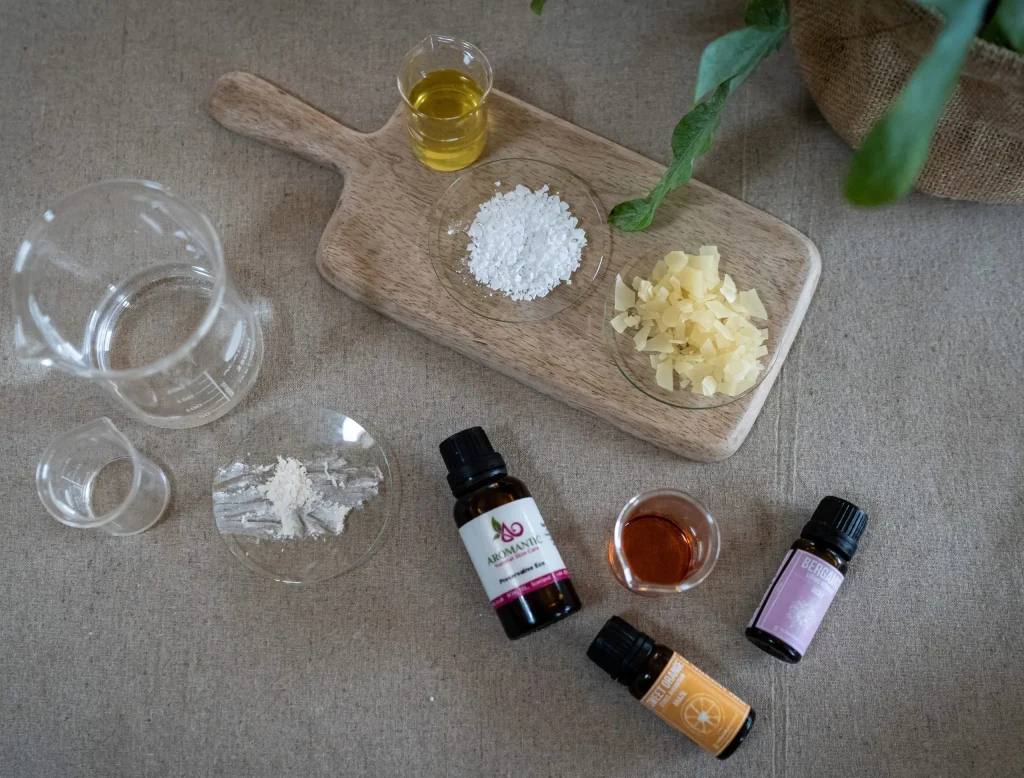
Companies are embracing technology to facilitate this personalization. Tools such as skin diagnostic apps and content-driven platforms allow users to track their skin’s health and receive product suggestions based on real-time feedback. The integration of technology with aromatherapy enables consumers to blend various essential oils into their skincare routines, elevating their daily ritual into a highly individualized experience. Some brands are even offering DIY kits, empowering customers to create their blends of moisturizers, serums, and masks using their chosen natural ingredients and aromatic profiles.
The Environmental and Ethical Considerations
The burgeoning connection between natural ingredients and aromatherapy also aligns with a broader cultural shift towards sustainability and ethical consumerism. Eco-conscious brands are sourcing ingredients from sustainable farms and implementing ethical practices in their supply chains. This focus not only satisfies the ethical demands of today’s consumers but also enhances the integrity of the products themselves. Ingredients like argan oil and coconut oil are often harvested through fair trade practices, providing economic support to communities while delivering pure, effective compounds to the skincare market.
- Biodiversity Benefits: The utilization of diverse natural ingredients contributes to preserving biodiversity. Many companies partner with local farmers, promoting agroecological practices that ensure the sustainability of resources for future generations.
- Packaging Innovations: Along with the focus on the product’s formulation, brands are also adapting their packaging to eco-friendly materials, further appealing to the sustainability-conscious consumer. Biodegradable or reusable containers complement the holistic values of skincare infused with natural ingredients and essential oils.
This rising awareness among consumers regarding the environment, coupled with the desire for high-quality, personalized skincare, creates a perfect storm for the growth of the natural ingredients and aromatherapy markets. As these areas continue to evolve, they are likely to shape the future of the skin care industry, one that marries beauty with responsibility, nature with science, and self-care with self-love. This exploration into natural skincare not only nurtures the skin but also fosters a deeper connection with the planet, demonstrating that caring for oneself and the environment can indeed go hand in hand.
DIVE DEEPER: Click here to discover the impact of natural ingredients
Conclusion: The Future of Natural Ingredients and Aromatherapy in Skin Care
In conclusion, the integration of natural ingredients and aromatherapy in the skincare industry represents a transformative shift towards more holistic and effective beauty solutions. As consumers increasingly prioritize personalized skincare regimens, the demand for formulations that address unique skin concerns using botanicals and essential oils grows immensely. This not only reflects a deeper understanding of individual skin chemistry but also showcases the desire for a truly customized experience that resonates on a personal level.
The growing emphasis on sustainability and ethical practices further enriches this connection, positioning eco-conscious brands as leaders in an ever-evolving market. By sourcing ingredients responsibly, focusing on biodiversity, and embracing innovative packaging solutions, these brands appeal to a demographic that is not only concerned with the efficacy of their skincare products but also with their environmental impact.
As we witness the convergence of beauty and responsibility, the melding of aromatherapy with natural skincare ingredients stands to redefine industry standards. Whether through technological advancements that encourage DIY formulations or the creation of blends tailored to enhance both skin health and emotional well-being, the future of skincare shines brightly. This exploration into natural ingredients and aromatherapy not only nurtures our skin but fosters a more profound connection with nature, ultimately reaffirming that self-care and environmental stewardship are inherently intertwined. We invite readers to dive deeper into this exciting realm, discovering how the power of nature can elevate their skincare rituals and cultivate not just beauty, but a lifestyle infused with intentionality.
Related posts:
The Role of Natural Ingredients in the Formulation of Anti-Aging Products
DIY: Recipes for Beauty Products with Natural Ingredients You Can Make at Home
The Revolution of Natural Ingredients: How Beauty Brands Are Changing the Industry
The Science Behind Natural Ingredients: How They Affect Skin and Hair Health
The Rise of Sustainable Beauty: How Natural Ingredients are Transforming Skincare Products
How Natural Ingredients Are Transforming the Makeup Industry: Trends and Innovations

Linda Carter is a writer and beauty expert specializing in skincare routines, cosmetic ingredients, and holistic self-care practices. With extensive experience helping individuals achieve healthy, radiant skin and make informed beauty choices, Linda shares her knowledge on our platform. Her goal is to empower readers with practical advice and science-backed strategies for lasting beauty and skin health.