The Effects of Stress on the Skin: How to Incorporate Relaxation Techniques into Your Skincare Routine
The Impact of Stress on Skin Health
Stress is an often overlooked aspect of overall health that can have significant repercussions for our skin. When individuals experience high stress levels—due to work pressures, personal relationships, or even global events—this mental strain manifests in various physical signs, particularly on the skin. Understanding the connection between emotional well-being and skin health is crucial for those seeking not only a glowing complexion but also overall wellness.
Acne is one of the most common skin issues exacerbated by stress. When you are under pressure, your body releases cortisol, a hormone that increases oil production in your skin. This excess oil can clog pores and lead to breakouts, often leaving individuals frustrated as they grapple with unwanted blemishes that seem resistant to topical treatments. A study highlighted that individuals experiencing chronic stress are more susceptible to acne flare-ups, emphasizing the need to manage stress effectively.
Furthermore, skin conditions such as eczema and psoriasis can significantly worsen due to elevated stress levels. Both conditions are characterized by inflammation, and stress can trigger the immune system to react more aggressively, worsening symptoms like itching, redness, and scaling. Those suffering from these conditions often notice that flare-ups coincide with stressful periods, underscoring the complex relationship between mental health and dermatological issues.
Additionally, stress can lead to skin dryness and increased sensitivity. When the body is under stress, the skin’s moisture barrier can become compromised, leading to a lack of hydration. This can result in flaky, dull, and irritated skin. Common products that are typically effective may suddenly seem harsh, causing individuals to seek new skincare solutions that may not address the root cause of the problem.
Fortunately, adopting relaxation techniques can dramatically improve skin health. Integrating practices such as meditation into your daily routine has been shown to lower cortisol levels, thereby benefiting the skin. Taking just a few minutes each day to meditate can enhance emotional regulation and support skin rejuvenation.
Yoga, often regarded as a holistic approach to well-being, improves not only flexibility but also blood circulation. Enhanced blood flow delivers more oxygen and nutrients to the skin, promoting vitality and radiance. Many yoga practitioners report a noticeable glow and improved skin conditions, demonstrating that the relationship between body and mind is profoundly intertwined.
Aromatherapy is another beneficial tool for managing stress. Utilizing calming scents, like lavender or chamomile, during skincare routines can create a relaxing atmosphere that enhances the overall experience. Scents have been shown to influence mood and can be an excellent addition to a skincare ritual, further boosting both mental tranquility and skin health.
This exploration of the intricate relationship between stress and skin health highlights the importance of recognizing emotional triggers and addressing them through practical, actionable methods. Combining skincare routines with relaxation techniques lays the foundation for healthier, more resilient skin. The journey to achieve stress-free, glowing skin begins with understanding, self-care, and the cultivation of mindfulness.
DIVE DEEPER: Click here to learn more about ethical beauty
Recognizing Common Stress-Induced Skin Conditions
The relationship between stress and skin health is more interconnected than many might realize. When the body is under stress, it prompts a series of physiological changes that can lead to various skin concerns. Recognizing these conditions can be the first step towards effectively managing them and incorporating relaxation techniques into a skincare routine.
Stress-induced acne is one of the most prevalent issues faced by individuals under pressure. As mentioned earlier, the stress hormone cortisol can lead to increased oil production. It’s essential to note that high levels of cortisol don’t just result in localized breakouts; prolonged exposure can lead to a steady stream of acne flare-ups. According to a survey conducted by the American Academy of Dermatology, 70% of acne patients report stress as a significant factor in their skin issues. This stark statistic highlights the need for both skincare and stress management.
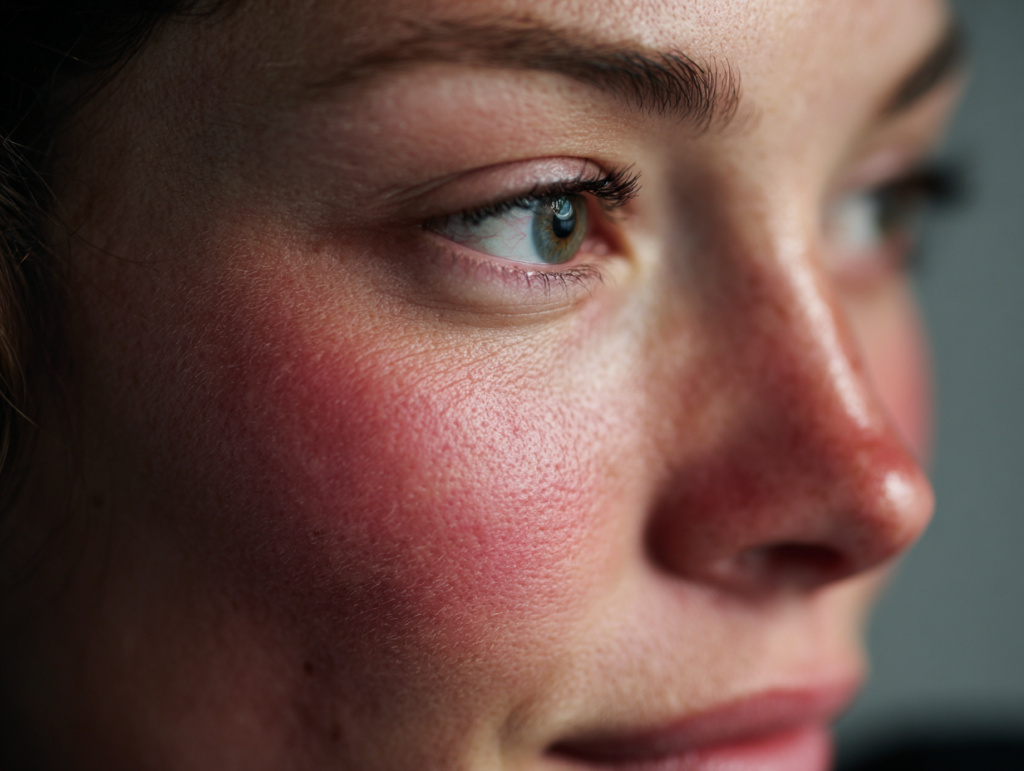
In addition to acne, many individuals suffer from rosacea, a condition characterized by facial redness, inflamed pimples, and spider veins. Stress is known to be a prominent trigger for rosacea flare-ups. A study published in the Journal of Investigative Dermatology found that managing psychological stress can reduce the severity of symptoms in rosacea patients. Individuals dealing with this condition often experience additional embarrassment due to the visible manifestations of their stress, leading to a cycle that perpetuates both emotional and physical distress.
Dryness and irritation are further examples of how stress manifests on the skin. When your brain perceives a threat, it diverts resources from non-essential functions, including those related to skin hydration. Experts from the University of California have discovered that stress can disrupt the skin barrier, leading to increased transepidermal water loss (TEWL). This disruption can result in skin that feels tight, looks flaky, and reacts negatively to common skincare products. Addressing this concern requires a two-fold approach: restoring skin moisture and promoting relaxation.
Common Skin Conditions Linked to Stress
- Acne – Increased oil production leads to more breakouts.
- Rosacea – Stress worsens inflammation and redness.
- Eczema – Stress triggers flare-ups of itchy, inflamed skin.
- Psoriasis – Elevated stress levels may exacerbate this autoimmune condition.
- Skin Sensitivity – Stress can compromise the skin barrier, increasing irritation.
Understanding how stress affects the skin can empower individuals to take control of both their mental and physical health. By acknowledging these common stress-induced skin conditions, one can begin to incorporate relaxation techniques that will not only alleviate stress but also enhance their overall skincare regimen. This approach goes beyond the surface, promoting holistic wellness and healthy skin.
| Advantage | Description |
|---|---|
| Enhanced Hydration | Incorporating relaxation practices such as meditation or yoga can promote better hydration levels, leading to more supple skin. |
| Reduction in Inflammation | Techniques like deep breathing and progressive muscle relaxation can reduce stress-induced inflammation, improving skin clarity and appearance. |
Stress has a profound effect on skin health, and the integration of relaxation techniques into your skincare routine yields notably positive outcomes. Stress often triggers various skin concerns, including acne and eczema flare-ups. By actively engaging in practices that promote relaxation, you can mitigate these effects and usher in a healthy glow.To begin with, hydration plays a critical role in maintaining skin health. Studies indicate that stress can lead to dehydration and thus impact your skin’s ability to retain moisture. Relaxation techniques not only reduce stress but also promote better hydration by encouraging more mindful water intake and improving overall body functions. This results in skin that feels fresher and appears radiantly hydrated.Moreover, inflammation is a commonly overlooked aspect severely influencing skin quality. High-stress levels have a proven correlation with increased levels of inflammatory markers in the body, which can exacerbate chronic skin conditions. Engaging in simple, yet effective relaxation strategies like deep breathing aids in calming the mind and body, ultimately leading to the reduction of inflammatory responses. The outcome is not only a decrease in redness and irritation but also a return to a more even-toned complexion.Incorporating these relaxation techniques does not merely enhance your skincare routine; it transforms the way you interact with your skin. It invites you to establish a holistic approach that recognizes both the emotional and physical facets of skincare. Those seeking glowing skin will benefit immensely from exploring various relaxing habits that seamlessly fit into their daily regimen.
DIVE DEEPER: Click here to discover the skincare revolution
Incorporating Relaxation Techniques for Healthier Skin
Once you have identified the common stress-induced skin conditions, the next step is to integrate effective relaxation techniques into your skincare routine. These techniques not only help in alleviating stress but can also transform the health and appearance of your skin by addressing the underlying factors contributing to various skin issues.
Meditation is a powerful tool that has gained significant traction among individuals seeking to enhance their mental clarity and emotional resilience. Engaging in just 10 to 15 minutes of meditation daily can help lower cortisol levels and improve your skin’s condition. Studies have shown that mindfulness practices can reduce the intensity of stress-related conditions such as acne and eczema. Creating a tranquil environment, perhaps using soothing essential oils like lavender or chamomile, can further amplify the benefits. Incorporating meditation during your morning skincare ritual, such as while applying moisturizers or serums, can create a multi-sensory experience that promotes both emotional and skin health.
Yoga is another beneficial practice that combines physical movement with deep breathing, making it effective for stress relief. Certain poses, such as Child’s Pose or Legs-Up-The-Wall, promote relaxation by improving blood circulation, which can enhance skin vitality. Furthermore, regular yoga can decrease inflammation and lessen the severity of conditions like rosacea and psoriasis that can worsen with stress. Consider dedicating a few minutes of your day to practicing yoga, possibly turning it into a pre-skincare activity to relax your mind and prepare your skin for absorption of products.
Breathing exercises also play a vital role in stress management. Deep diaphragmatic breathing can immediately lower stress response levels. Whenever you feel anxious or overwhelmed, taking several slow, deep breaths—inhale for a count of four, hold for four, and exhale for six—can help calm the mind and body. This simple technique can be integrated into your skincare regimen, helping to create a mindful moment during application, which could be particularly beneficial during evening routines when winding down for the day.
Utilizing Aromatherapy for Skin Health
Aromatherapy, which utilizes essential oils to promote physical and emotional health, can play a significant role in enhancing your skincare experience. Certain scents, such as rose, frankincense, and bergamot, have been found to have calming effects that can reduce anxiety and improve skin conditions exacerbated by stress. By incorporating aromatherapy into your skincare products—such as using a face oil infused with calming scents or using a scented candle while you pamper your skin—you create a calming atmosphere that promotes relaxation. This dual approach will not only help reduce stress but also allow your skin to reap the benefits of high-quality ingredients.
Creating a Consistent Self-Care Ritual
Finally, establishing a consistent self-care ritual is paramount in combating the effects of stress on the skin. A nourishing skincare routine complemented by relaxation techniques can act as an anchor during chaotic times. Consistency is key; therefore, dedicate a specific time each day, whether it be morning or evening, for your skincare ritual. During this time, prioritize your mental and emotional well-being alongside treating your skin. As you engage in cleansing, exfoliating, or moisturizing, remind yourself of the positive intentions behind your actions, reinforcing both mental clarity and skin health.
By integrating these relaxation techniques into your skincare routine, you not only combat the visible effects of stress on your skin but also nurture your overall well-being. The interplay of mental health and skin vitality underscores the importance of a holistic approach to skincare, fostering a balanced life where you can thrive both inside and out.
DISCOVER MORE: Click here to uncover the latest trends
Conclusion: Embracing a Holistic Approach to Skincare
In a world where stress is often unavoidable, understanding its effects on the skin is crucial for maintaining a vibrant complexion. Skin conditions like acne, rosacea, and eczema are often exacerbated by the tension we experience in our daily lives. However, by incorporating relaxation techniques into your skincare routine, you can tackle these issues from both the inside and out, promoting not just skin health but overall well-being.
Practices such as meditation, yoga, and breathing exercises can significantly lower stress levels, which in turn may lead to improvements in various skin conditions. Meanwhile, adding aromatherapy into your regimen enhances not just the sensory experience but also provides calming properties that support skin vitality. Beyond these practices, establishing a consistent self-care ritual enables you to stay committed to nurturing both your skin and your mind, creating a sanctuary amidst life’s chaos.
As you embark on this journey of integrating relaxation techniques into your skincare, remember that small, intentional acts can lead to impactful results. By prioritizing moments of mindfulness and self-care, you can bridge the gap between mental and physical health, transforming your skincare routine into a holistic practice. In doing so, you may find not only clearer skin but also a renewed sense of balance in your life, allowing you to thrive in an ever-demanding world.
Related posts:
The Importance of Customizing Your Skincare Routine for Different Skin Types
Skincare for Travelers: How to Maintain an Efficient Routine Anywhere
The Importance of Personalization in Skincare Routines: How to Choose Products for Your Skin Type
Night Skincare vs. Day Skincare: What Should Each Routine Include?
Trends in Sustainable Skincare: Eco-Friendly Products and Conscious Practices for Skin Care
The Role of Technology in Skincare Routines: Devices and Apps that Transform Skin Care

Linda Carter is a writer and beauty expert specializing in skincare routines, cosmetic ingredients, and holistic self-care practices. With extensive experience helping individuals achieve healthy, radiant skin and make informed beauty choices, Linda shares her knowledge on our platform. Her goal is to empower readers with practical advice and science-backed strategies for lasting beauty and skin health.