The Evolution of Skincare Products: From Basic to Advanced
The Historical Context of Skincare Practices
The journey of skincare can be traced back thousands of years, with ancient civilizations relying on natural remedies to treat their skin. For example, the Egyptians used oils and fragrances to maintain skin health, with Queen Cleopatra famously using milk baths to achieve a glowing complexion. Similarly, the Chinese incorporated herbal extracts and natural oils into their skincare routines, often blending ingredients like ginseng and green tea to address various skin concerns. Roman women, on the other hand, commonly applied strawberry and almond oil to keep their skin moisturized and youthful.
Key Ingredients from the Past
Traditional skincare practices often revolved around the use of simple, accessible ingredients. Below are some notable examples:
- Herbal extracts: Plants such as chamomile and calendula were prized for their anti-inflammatory properties, commonly used to soothe irritations and redness.
- Natural oils: Oils like olive oil and coconut oil have been mainstays in skincare due to their ability to hydrate and protect the skin’s barrier.
- Zinc oxide: This naturally occurring mineral was among the first formulations of sunscreen, providing a protective barrier against harmful UV rays while preventing sunburn.
The Rise of Scientific Formulations
As the understanding of skin physiology has advanced through scientific research, skincare products have evolved significantly. The 20th century marked a pivotal shift, as dermatologists and chemists began to study the skin at a molecular level. Consequently, modern formulations now incorporate sophisticated ingredients designed to target specific skin concerns with enhanced effectiveness.
Modern Innovations in Skincare
Today, consumers are greeted with a diverse array of skincare solutions that often promise transformative results. Some groundbreaking innovations include:
- Retinoids: Known for their powerful anti-aging properties, retinoids help stimulate cell turnover, reduce fine lines, and improve overall skin texture, making them staples in many skincare regimens.
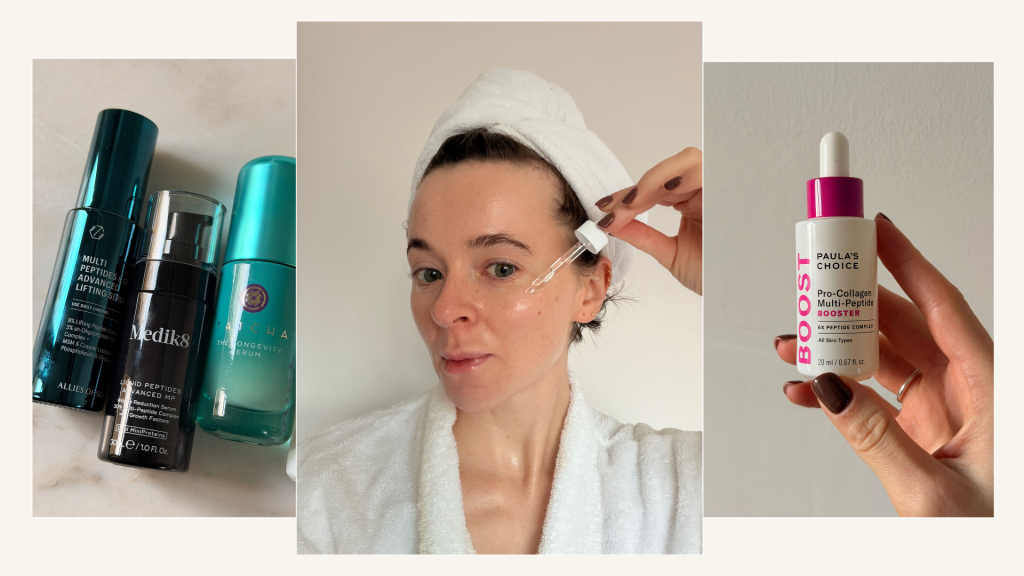
- Peptides: These small chains of amino acids play a crucial role in the production of collagen, which is essential for maintaining skin firmness and elasticity. Peptide-infused products are increasingly popular among those seeking to combat signs of aging.
- Advanced serums: Modern serums are often formulated with concentrated doses of antioxidants like vitamin C and hyaluronic acid, targeting everything from dullness to hyperpigmentation with impressive precision.
Consumer-Driven Changes
The evolution of skincare products is not merely a tale of scientific advancement; it also reflects shifting consumer preferences. Today’s consumers are more informed than ever, seeking transparency regarding ingredient safety and efficacy, often turning to social media and online reviews to guide their choices. This heightened awareness has fostered a competitive landscape where brands are continually pushed to innovate and improve their formulations to meet the discerning needs of the market.
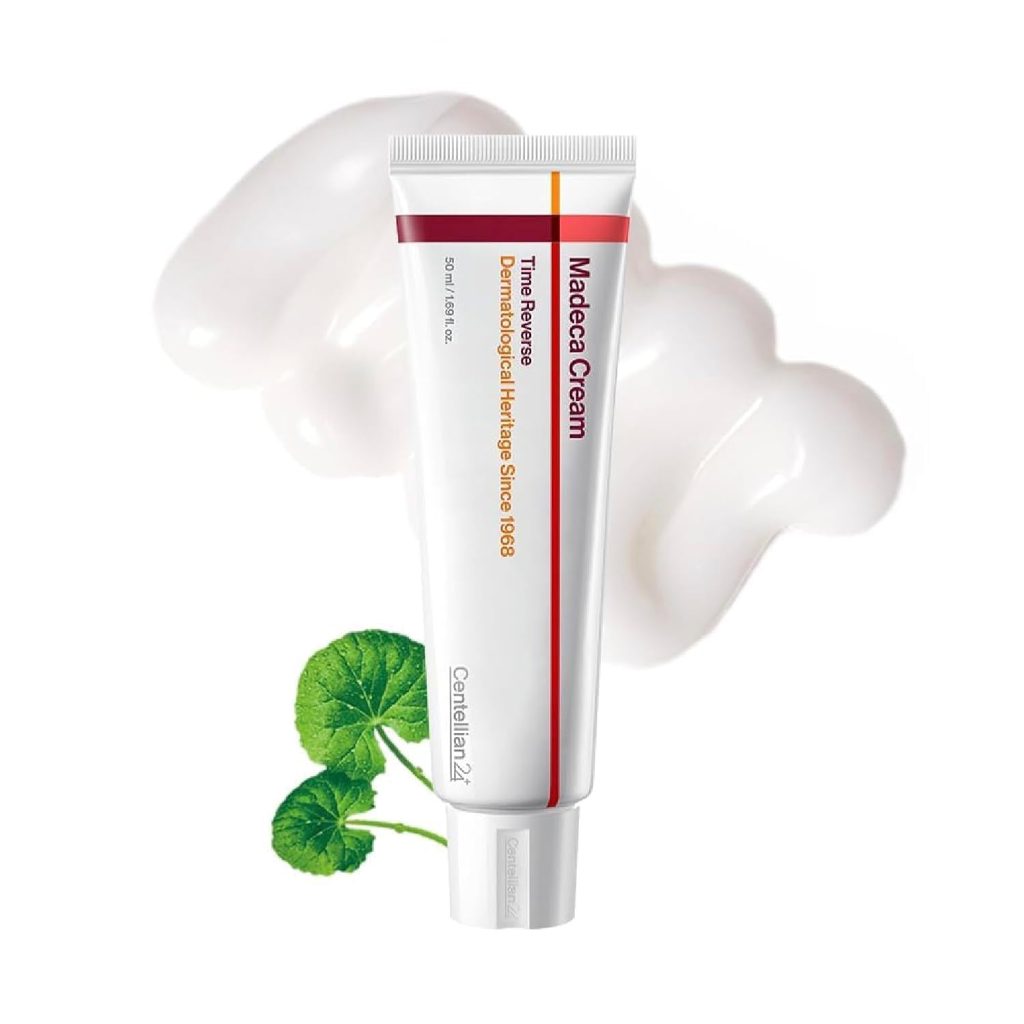
In summary, the transformation of skincare products from rudimentary remedies to sophisticated solutions illustrates a blend of ancient wisdom and modern expertise. As this vibrant industry continues to grow and evolve, the quest for healthier skin becomes a collective pursuit that encourages exploration and discovery among consumers, ensuring that skincare remains at the forefront of personal care.
DISCOVER MORE: Click here to uncover essential techniques
Understanding the Transition: From Basic to Advanced Skincare
The evolution of skincare products represents a remarkable journey from the fundamentals to the highly specialized formulations we see today. This transition is driven by a combination of scientific breakthroughs, consumer demand, and an increasing understanding of skin health. Each phase in this evolution showcases how our relationship with skincare has changed over centuries, paralleling advancements in technology and shifts in consumer attitudes.
Early Innovations: The Intersection of Nature and Necessity
The early approaches to skincare were largely based on the resources available in one’s environment, reflecting a pragmatic understanding of the skin’s needs. Practitioners of ancient skincare often tailored their routines according to their local flora and fauna, developing a keen intuition about the effects of specific ingredients. This early knowledge formed the foundation for many modern principles in skincare:
- Holistic Approaches: Early skincare traditions often emphasized the connection between overall health and skin appearance. Ancient Greeks and Chinese cultures, for instance, believed that dietary habits and lifestyle choices significantly influenced skin quality.
- Ingredient Diversity: With herbal extracts and natural components at the forefront, the idea of using multiple ingredients to achieve desired results was born. This precursor to today’s formulations laid the groundwork for the complex ingredient lists we encounter now.
- Cultural Rituals: Many cultures developed unique rituals around skincare, elevating the practice into a form of self-care. In Japan, the traditional double cleansing method—first oil-based, followed by a water-based cleanser—has gained global popularity, emphasizing the importance of thorough cleansing in any skincare routine.
Technological Advancements: The Birth of the Skincare Industry
Fast forward to the 20th century, when advancements in chemistry and dermatology opened a new chapter in skincare. The introduction of synthetic ingredients transformed not only product offerings but also the way consumers approached their skin health. The mid-1900s saw the launch of the first commercial sunscreen, which highlighted a growing public awareness of sun damage and its long-term effects on skin health. This era was characterized by several notable developments:
- Formulation Techniques: Learnings from biochemistry paved the way for the creation of emulsifiers, preservatives, and active ingredients, allowing for more stable and effective products that could penetrate the skin barrier more effectively.
- Increased Research: The rise of clinical research studies enabled dermatologists to develop a deeper understanding of skin conditions, leading to ingredient innovations that addressed acne, rosacea, and other skin ailments with unprecedented accuracy.
- The Over-the-Counter Revolution: As consumers became increasingly interested in skincare, products traditionally obtained through dermatologists began to be widely available at retail outlets. This accessibility marked the beginning of a skincare market ready for the modern consumer.
As we delved deeper into the 21st century, the convergence of advanced scientific research, technology, and cultural shifts brought forth the advanced skincare products we have today. Recognizing this evolution allows us to appreciate the complexity and depth of our current offerings. From a handful of natural ingredients to a kaleidoscope of specialized formulations, the transformation demonstrates how our quest for healthy skin has grown significantly over time.
The Evolution of Skincare Products: From Basic to Advanced
The skincare landscape has dramatically transformed over the decades, evolving from simple cleansers and moisturizers to a complex science of active ingredients and personalized formulations. This evolution reflects a growing understanding of skin health and the diverse needs of different skin types. Now, as advanced skincare technology continues to gain momentum, consumers are more empowered than ever in making informed decisions about their beauty routines.
In the early days, skincare was centered around the essentials: cleansing and moisturizing. Traditional products were often free of synthetic ingredients and focused heavily on natural components. However, as research into dermatology and cosmetic chemistry advanced, so did the formulation of skincare products. This led to the introduction of targeted treatments such as serums, exfoliants, and specialized creams addressing specific concerns like acne, aging, and hyperpigmentation.
Todays’ advanced skincare products boast cutting-edge technology, incorporating innovative ingredients such as hyaluronic acid, retinoids, peptides, and antioxidants. These components work synergistically not just to enhance the skin’s appearance, but also to improve its overall health. Consumers can now find potent solutions embedded in daily products, providing both immediate and long-term benefits.
Moreover, the rise of personalized skincare through the use of diagnostic tools is allowing for customized regimens that cater specifically to individual skin conditions. As understanding of the skin microbiome grows, new products are being formulated to restore and maintain a healthy balance of skin flora, furthering this advancement.
| Category | Advantages |
|---|---|
| Natural Ingredients | Focus on gentle formulations with minimal side effects. |
| Targeted Treatments | Address specific issues like aging, acne, and dryness efficiently. |
As consumers increasingly seek transparency in ingredients and efficacy, brands are responding with innovation and education. This means that anyone seeking to enhance their skincare routine has endless options that not only promise beautiful skin but are also backed by science. The modern evolution of skincare continues to pave the way for exciting developments that cater to a diverse range of needs.
DISCOVER MORE: Click here to dive into the details
Modern Trends: Customization and Personalization in Skincare
As we entered the 21st century, the skincare industry witnessed an unprecedented surge in demand for products that not only cater to diverse skin types but also reflect individual preferences and lifestyles. The modern consumer is not just looking for basic skincare solutions; they are seeking advanced formulations tailored to their unique skin concerns. Current trends showcase a radical shift towards personalization and customization, mainstays in today’s skincare landscape.
Data-Driven Solutions: The Rise of Personalized Skincare
The growth of technology has led to a wave of personalized skincare products that use algorithms and artificial intelligence to recommend specific formulations. With the advent of skin analysis apps and quizzes, consumers can receive customized recommendations based on their individual skin types, concerns, and geographic conditions, challenging the one-size-fits-all model. Companies such as Curology and Function of Beauty have capitalized on this trend, providing tailored serums and creams that address issues like acne, hyperpigmentation, and hydration.
The Power of Active Ingredients: From General to Targeted Treatments
The sophistication of modern skincare formulations is largely attributed to the emergence of active ingredients, which offer targeted solutions for various skin issues. Today’s products often feature high concentrations of proven actives, such as:
- Retinoids: Heralded for their anti-aging properties, retinoids help increase cell turnover and enhance skin texture, making them essential in serums aimed at reducing the appearance of fine lines.
- Peptides: These short chains of amino acids are celebrated for their ability to stimulate collagen production, thus improving skin elasticity and firmness.
- Hyaluronic Acid: Known for its exceptional hydrating capabilities, hyaluronic acid is a staple in moisture-rich formulations, capable of holding up to 1,000 times its weight in water.
The commitment to scientific research has enabled brands to develop clinically-backed contradictions in their products. As a result, informed consumers turn to ingredients with clear benefits, often seeking formulations containing a combination of actives to achieve comprehensive skin health.
Clean Beauty Movement: Conscious Consumerism Takes Center Stage
The conversation surrounding skincare has expanded to include discussions about ingredient integrity and environmental sustainability. The clean beauty movement emphasizes transparency in ingredient sourcing and formulation practices. Brands focus on eliminating harmful chemicals, parabens, and sulfates, making a significant impact on the evolving skincare landscape.
Consumers are increasingly aware of the need for sustainability, favoring brands that employ eco-friendly packaging and support ethical manufacturing practices. This shift not only aligns with personal health but also reflects a broader global consciousness regarding the environment.
The Role of Social Media: Influencers Shaping Skincare Trends
The influence of social media cannot be understated in the evolution of skincare products. Platforms like Instagram and TikTok have democratized information about skincare, with influencers and dermatologists sharing insights and recommendations. Viral skincare trends, such as the 10-step Korean skincare routine and gua sha facial massage, have altered how consumers engage with products, creating a culture where experimentation and sharing are paramount. This online dynamic has led consumers to discover a wealth of options that align with their skincare journeys, further amplifying the push for advanced solutions.
In this continuously evolving landscape, it is clear that skincare has transcended its basic origins, evolving into a multifaceted industry that prioritizes personalization, cutting-edge ingredients, and holistic practices. As consumers become more educated and engaged, the future of skincare will likely see even more innovations that cater to individual needs, reflecting our ever-deepening understanding of skin health.
DON’T MISS: Click here to discover essential products for healthy skin
Conclusion: A New Era in Skincare Innovation
The evolution of skincare products has come a long way, progressing from simple and basic solutions to an intricate world of advanced formulations crafted for individual needs. With the relentless force of technological advancements, personalization has become the cornerstone of modern skincare. Gone are the days of generic products; today’s consumers seek tailored solutions that resonate with their unique skin concerns and lifestyles.
As we explore the landscape shaped by data-driven innovations, active ingredients with proven efficacy, and the clean beauty movement, it’s evident that informed consumer choices drive the industry forward. The role of social media in this narrative cannot be ignored, as it not only amplifies awareness of revolutionary skincare techniques but also fosters a community centered around experimentation and engagement.
This heightened consciousness about ingredients and sustainability underscores a broader shift towards conscious consumerism, compelling brands to advocate for transparency and eco-friendly practices. However, the evolution continues, and as the industry adapts to these changing consumer preferences, the future will likely unveil even more innovations—potentially integrating biotechnology, personalized routines, and sustainable practices that further enhance skin health.
In summary, the journey of skincare from basic products to advanced solutions signifies more than just a trend; it represents a refined understanding of the diverse needs of our skin. As we stand on the brink of a new era in skincare, the possibilities are endless. Embracing this evolution invites consumers to explore and invest in products that not only enhance their beauty but also celebrate individual uniqueness. The quest for healthy and radiant skin is a personal journey, and with these advancements, the tools for success are more accessible than ever.
Related posts:
How Skincare Products Are Evolving to Meet the Specific Needs of Different Age Groups
The Influence of Technology on Skincare Product Formulation: Innovations and Advances
Trends in Customized Skincare Products: The Rise of Bespoke Beauty
The Impact of Skincare Products on Skin Health: Myths and Truths
The Benefits of Natural Ingredients in Beauty Products: Myths and Truths
The Impact of Packaging on the Perception and Use of Skincare Products

Linda Carter is a writer and beauty expert specializing in skincare routines, cosmetic ingredients, and holistic self-care practices. With extensive experience helping individuals achieve healthy, radiant skin and make informed beauty choices, Linda shares her knowledge on our platform. Her goal is to empower readers with practical advice and science-backed strategies for lasting beauty and skin health.