The Impact of Social Media on New Makeup Trends
Digital Transformation of Makeup Trends
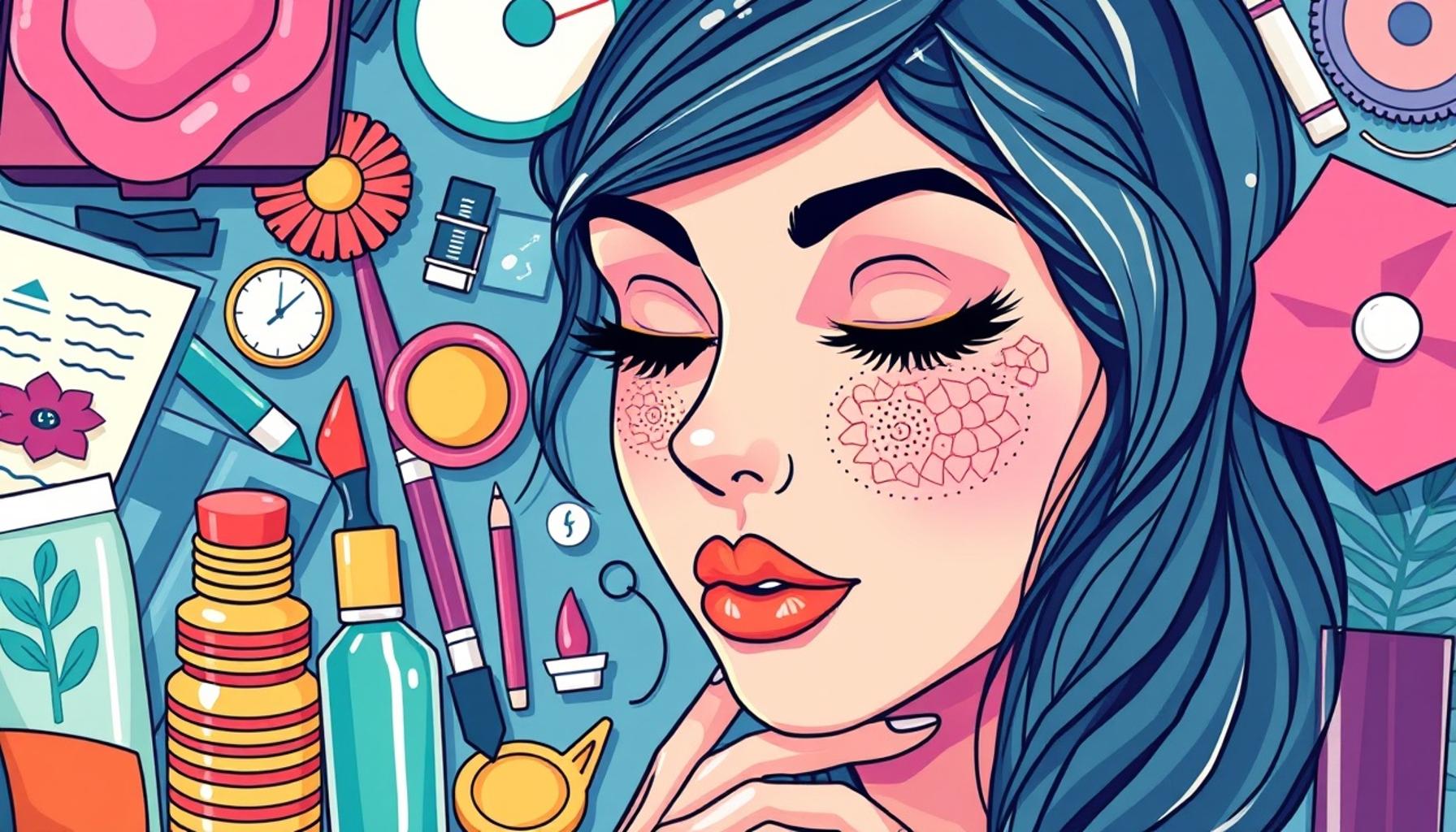
Social media platforms have completely reshaped the beauty industry, with an extraordinary influence on how makeup trends are born and spread. The accessibility of platforms like Instagram, TikTok, and YouTube has made it easier than ever for makeup enthusiasts to consume and contribute to beauty trends at breakneck speed. These platforms are not just about sharing images; they are bustling hubs of creativity and interaction where trends can rise, fall, and evolve practically overnight.
Real-Time Trend Sharing
One of the most striking attributes of social media is its ability to facilitate real-time trend sharing. Just a decade ago, beauty trends seeped into the mainstream through magazines, ads, or word-of-mouth. Now, an innovative eye makeup technique or an exciting product launch can trend globally within hours. For instance, the #MakeupTransformation trend saw countless beauty aficionados share their before-and-after looks, encouraging followers to explore their creativity. Viral challenges, such as the “No Mirror Makeup Challenge,” push users to experiment, creating a wave of content that fuels viewer engagement and inspires others to participate.
Influencer Collaborations
Another significant aspect is the rise of influencer collaborations that have become commonplace in the beauty industry. Major brands frequently partner with social media stars who have amassed large followings to launch exclusive products. This relationship is mutually beneficial; influencers gain credibility and diversification while brands connect with a targeted audience that values authentic recommendations. For example, the collaboration between makeup guru James Charles and Morphe led to the widely acclaimed Morphe x James Charles palette, which flew off the shelves and influenced countless makeup looks across social media.
Diverse Representations
The democratization of beauty styles is also noteworthy, as diverse representations flood social media. Users from all walks of life are embracing their unique aesthetic preferences, leading to wider acceptance and celebration of various beauty standards. Social media has amplified voices that traditionally went unheard, with individuals sharing makeup techniques pertinent to their cultures or skin types. This evolution not only challenges conventional beauty norms but also invites discussions around inclusivity and representation in mainstream beauty narratives.
In this vibrant and interconnected community, beauty enthusiasts navigate a continuously shifting landscape, with the latest palettes and techniques often dictated by their social media feeds. The consequences of this evolution are profound—consumers are no longer passive recipients of beauty trends but are empowered to explore, innovate, and redefine beauty standards on their terms. The porcelain skin of yesterday or the overly contoured looks have given way to an array of expressions, from neon eye colors to raw, dewy finishes.
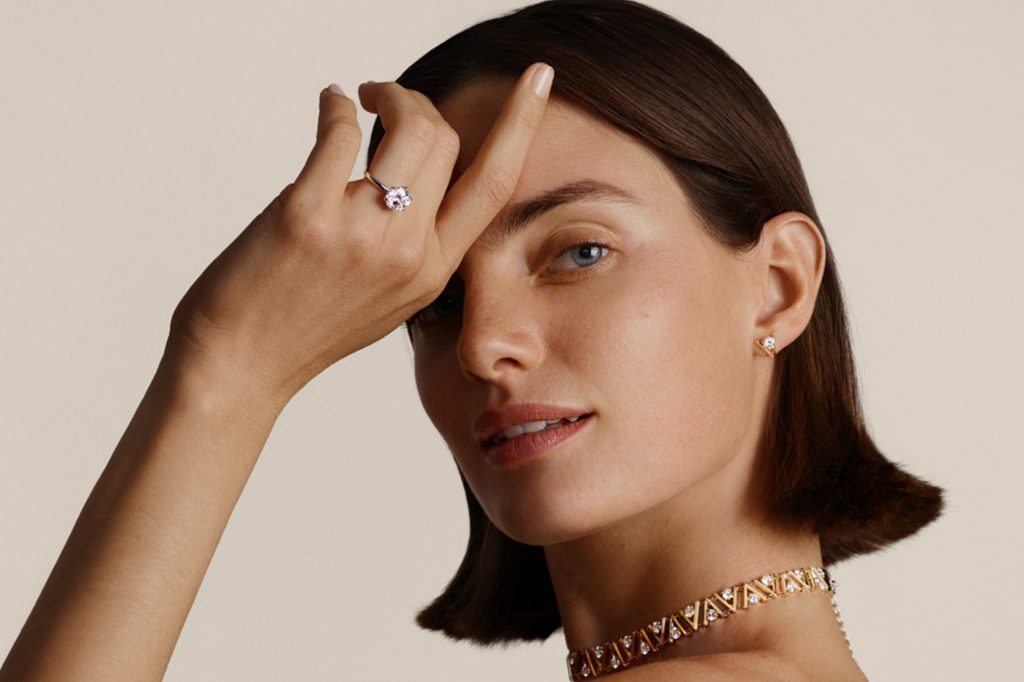
As they scroll through an endless stream of content, makeup lovers are encouraged to think beyond the conventional and embrace bold choices, making beauty not just a personal endeavor but a communal celebration of creativity.
DISCOVER MORE: Click here to learn how fragrance can enhance your skincare routine
The Evolution of Beauty Standards
As social media continues to redefine the narrative of beauty, the evolution of beauty standards takes center stage. Platforms such as Instagram and TikTok enable users to showcase makeup looks that reflect personal styles, breaking away from the established conventions seen in traditional media. This democratization of beauty allows anyone with a smartphone and creativity to potentially influence the latest trends, leading to a sensory overload of innovative styles and techniques that defy conventional makeup norms.
Global Participation in Makeup Trends
Social media has made it possible for makeup enthusiasts from different corners of the globe to participate in shaping the trends we see today. With hashtags like #BeautyInAllShades and #InclusiveBeauty, users can showcase their culture and heritage through makeup. This global exchange of ideas not only fosters diversity but also encourages individuals to try out styles they may not have previously considered. Here are some notable ways social media fosters global participation:
- Cross-Cultural Influences: Trends like K-beauty (Korean beauty) and J-beauty (Japanese beauty) have transcended their origins and developed a dedicated following in the U.S., showcasing techniques and products that promote skin health.
- Experimental Techniques: Social media has given rise to unique techniques such as “Euphoria make-up,” inspired by the television series that features exaggerated and artistic looks, encouraging users to step outside their comfort zones.
- Eco-Conscious Choices: With growing awareness of sustainability, many makeup creators on platforms advocate for eco-friendly brands, which encourages companies to shift their focus toward more sustainable practices in makeup production.
Impact of User-Generated Content
User-generated content has reshaped marketing strategies for beauty companies. Brands are recognizing the power of authentic user reviews and makeup tutorials, pushing them to create interactive campaigns that engage their audience. This shift in focus means aspiring makeup artists and enthusiasts become key players in promoting products, creating genuine excitement around their launches. As a result, the beauty landscape is now saturated with real-life reviews and tutorials, allowing consumers to make informed decisions based on peer experiences instead of curated images alone.
With the rising influence of platforms dominated by beauty content, makeup brands are adapting to this rapid change by investing in social media marketing strategies. This not only includes partnerships with influencers but also encourages consumers to express their opinions online, creating a two-way conversation. Furthermore, brands that actively engage with their audience on these platforms are more likely to cultivate a loyal customer base that feels valued and understood.
The convergence of social media and makeup trends has opened up exciting new avenues for creativity and self-expression, fundamentally altering how beauty is perceived and practiced. As we delve deeper into this vibrant ecosystem, we begin to uncover how these shifts not only reflect changing consumer preferences but also herald a new era of beauty that is as inclusive as it is innovative.
The Impact of Social Media on New Makeup Trends
Social media platforms like Instagram, TikTok, and YouTube have reshaped the landscape of makeup trends, creating an instantaneous and interactive global marketplace for beauty enthusiasts. A significant factor in this evolution is the power of influencers and content creators who skillfully leverage their large followings to introduce and popularize new trends in makeup. The viral nature of social media facilitates rapid dissemination of these trends, allowing them to reach a diverse audience almost overnight.
As trends gain traction on these platforms, they also influence product development by major beauty brands. Companies are now increasingly responsive to the demands illustrated through social media engagement. For instance, makeup brands often look to popular influencers for inspiration when creating new products that resonate with the latest trends, ensuring they remain competitive and relevant in a saturated market.
Additionally, user-generated content has become a pivotal part of how consumers interact with and adopt new makeup trends. Platforms encourage users to share their looks, inspiring others to recreate the styles showcased. This grassroots approach not only fosters a sense of community among beauty enthusiasts but also democratizes beauty, allowing individuals from all backgrounds to express their creativity. Furthermore, innovative techniques, such as augmented reality (AR) filters that allow users to “try on” makeup virtually, are also playing their part in shaping consumer decisions.
To understand the full impact of social media on makeup trends, it’s essential to explore the key advantages that this dynamic creates. Below is a table that highlights some important categories related to the topic:
| Category | Key Features |
|---|---|
| Viral Trends | Trends spread quickly across platforms, gaining global recognition. |
| Influencer Power | Influencers set trends, impacting consumer behaviors and preferences. |
| User Engagement | Community-driven trends foster creativity and personal expression. |
| Brand Responsiveness | Brands adapt to trends swiftly, keeping their offerings fresh and relevant. |
As evident, the synergy between social media and makeup trends creates a vibrant ecosystem that is constantly evolving, making it an exciting time for both consumers and brands alike.
DISCOVER MORE: Click here for essential tips
Emergence of Influencer Culture
As social media platforms burgeon, the emergence of influencer culture has fundamentally altered the landscape of makeup trends. Influencers, individuals who have cultivated a substantial following by sharing lifestyle and beauty content, have become powerful advocates for brands and styles. This rise has ushered in a new era of marketing, where the influence of a single post can propel a product into the limelight, resulting in what is often termed the “viral effect.” Social media influencers are not just trendsetters; they hold the cachet to shape consumer preferences entirely.
The Role of Authenticity in Promotion
One of the most compelling features of influencer culture is the emphasis on authenticity. Followers are increasingly drawn to influencers who present relatable, unscripted content rather than overly polished advertisements. This shift has prompted beauty brands to establish partnerships with micro-influencers—those with smaller but highly engaged followings. These individuals often demonstrate makeup products in a more genuine context, resulting in a more profound connection with potential customers. Research suggests that consumers are roughly six times more likely to engage with content shared by micro-influencers compared to traditional celebrities, indicating a shift in consumer trust.
Sparking Challenges and Competition
However, the influence of social media and its champions is not without challenges. The democratization of makeup trends means an influx of *competition*. With countless creators vying for attention, it leads to a phenomenon often dubbed the “trend fatigue.” Followers may feel overwhelmed by the need to keep up with the constant stream of new trends, from bold lip looks to intricate eye designs that seem to change weekly. For example, trends like the “graphic eyeliner” or “cloud skin” makeup styles often emerge rapidly, leading influencers to race against each other to create the next “hot” look. This rapid pace can also result in a quick turnover of what is considered “in” or “out,” making it challenging for both consumers and brands to stay ahead.
Impact on Product Development
Beauty brands recognize the need to remain fluid in their product offerings to cater to this ever-evolving landscape. Fast fashion has extended beyond clothing to beauty, with brands releasing new lines or limited editions that mirror trending looks seen online. This phenomenon has also led many companies to embrace a strategy called “reactive marketing,” where they quickly respond to emerging trends by launching products that align with viral looks showcased by influencers. Research from Mintel suggests that nearly 40% of consumers seek products that align with social media trends, emphasizing the urgency for brands to innovate constantly.
The convergence of influencer culture and rapid product development has introduced a unique dynamic into the beauty industry. As social media continues to impact consumer behavior, makeup brands must not only keep pace with trends but also stay attuned to the desires of their audience, creating a vibrant, ever-changing ecosystem that keeps beauty enthusiasts engaged and inspired. Understanding this interplay between social media and makeup trends is crucial for brands aiming to thrive in the current marketplace. The interaction will continue to define what beauty means; where trends come and go at a lightning pace, driven by the very individuals who participate in their everyday practice.
DISCOVER MORE: Click here to learn about the latest in sustainable beauty
Conclusion
The influence of social media on new makeup trends is undeniable, shaping an ever-evolving landscape that reflects not only consumer preferences but also the dynamics of marketing itself. As we’ve explored, the rise of influencer culture has been pivotal in dictating what styles become popular, with influencers wielding substantial power over consumer choices through engaging and authentic content. This has led to a significant shift towards micro-influencers, who foster deeper connections with their audiences and demonstrate the importance of relatability in promotion.
Moreover, the rapid pace of trend emergence, dubbed “trend fatigue,” challenges both consumers and brands to stay relevant in a saturated market. As demonstrated, trends can shift almost overnight, making it imperative for beauty brands to adopt innovative strategies, such as reactive marketing, to keep up with the virtual landscape. Research indicates that a growing percentage of consumers actively seek out products aligned with social media trends, highlighting the need for brands to be not only agile but also responsive to the desires and expectations of their audiences.
Ultimately, the interplay between social media and makeup trends represents a transformative force in the beauty industry. As both consumer behavior and aesthetics continue to evolve at breakneck speed, understanding these shifts will be crucial for brands aiming to capture the attention of today’s beauty enthusiasts. The collaboration between creativity and technology in this digital age will continue to redefine beauty norms and trends, inviting scholars and marketers alike to investigate the implications of this exciting new era.
Related posts:
The 'Skinimalism' Trend: Fewer Products, More Focus on Skin Health
Trends in Inclusive Makeup: Celebrating the Diversity of Shades and Textures
The Influence of Social Media on Current Beauty Trends
The Rise of Natural and Sustainable Ingredients in Beauty Trends of 2023
The Rise of Inclusive Skincare: Celebrating Diversity in Beauty Routines
The Popularity of Natural Glow: How to Achieve Radiant Skin in 2023

Linda Carter is a writer and beauty expert specializing in skincare routines, cosmetic ingredients, and holistic self-care practices. With extensive experience helping individuals achieve healthy, radiant skin and make informed beauty choices, Linda shares her knowledge on our platform. Her goal is to empower readers with practical advice and science-backed strategies for lasting beauty and skin health.