The Revolution of Natural Ingredients: How Beauty Brands Are Changing the Industry
The Natural Ingredients Revolution in Beauty
The beauty industry is undergoing a significant transformation. Natural ingredients are no longer just a trend; they represent a fundamental shift in consumer preferences and market dynamics. Today’s consumers are far more informed and discerning about what they apply to their skin and hair. Fueled by the rise of social media and access to information, there exists a growing demand for transparency, sustainability, and efficacy.
Once dominated by synthetic products laden with questionable chemicals, the beauty market is now witnessing a renaissance that champions nature-based alternatives. Brands across the spectrum are responding to this movement, and the results are notable:
- Increased Variety: There is now a plethora of products highlighting organic and plant-based ingredients. For instance, brands like Herbivore Botanicals utilize ingredients such as blue tansy oil, known for its calming properties, and provide an extensive range of skincare products that cater to various skin types.
- Innovative Formulations: Companies are blending the traditions of herbal medicine with modern science. A prominent example is Drunk Elephant, which combines naturally derived ingredients with cutting-edge formulations. Their approach emphasizes removing potentially harmful additives traditionally found in skincare.
- Eco-friendly Practices: Sustainable sourcing and minimal packaging have become essential practices as brands strive to reduce their environmental footprint. For instance, brands like Lush focus on going plastic-free, offering products that are not only effective but also environmentally responsible.
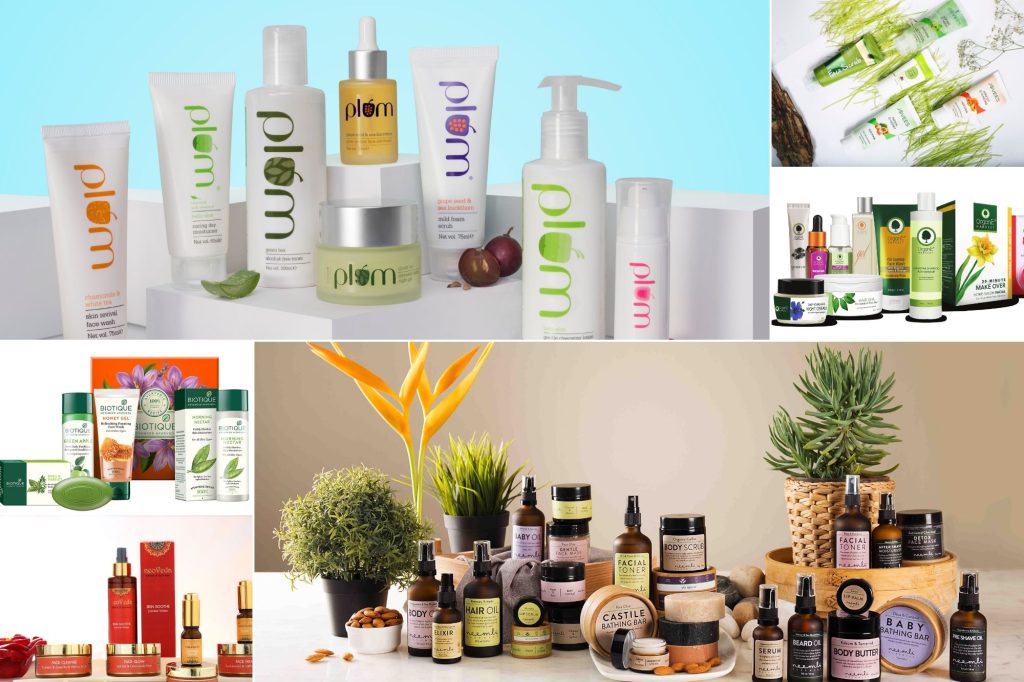
This natural ingredients revolution is not merely a branding exercise; it reflects a profound change in consumer sentiment. To understand this landscape better, we must recognize key players shaping the industry. Many established brands are reformulating their products to incorporate more natural ingredients, while new startups are emerging solely to cater to the clean beauty movement. Brands like Plum Beauty and True Botanicals are examples of newcomers successfully positioning themselves within this niche.
Exploring this transformation, we will delve into:
- Case Studies: A closer look at brands leading the charge with unique natural offerings and what sets them apart in an increasingly crowded market.
- Consumer Trends: An analysis of the shift towards clean beauty: what it means for consumer choices and how it shapes the future landscape of the beauty sector.
- Challenges: The hurdles brands face while transitioning to natural ingredients, including sourcing challenges and differing consumer expectations.
As we uncover how natural ingredients are reshaping the beauty industry, it becomes evident that this revolution is not just about skincare—it’s about setting new standards for health and wellness across the United States. Join us on this journey to explore the potential and promise of a more natural approach to beauty.
DON’T MISS: Click here to discover essential tips
Pioneering the Clean Beauty Movement
The shift towards natural ingredients in the beauty industry is not simply a marketing trend; it signifies a fundamental reevaluation of how consumers perceive the formulations of their personal care products. With the increasing prevalence of *clean beauty*—a term that encompasses products free from harmful chemicals and toxins—brands are placing a premium on transparency and integrity in their ingredient lists. This movement resonates especially with Millennials and Gen Z consumers, who tend to prioritize health, environmental responsibility, and ethical sourcing in their purchasing decisions.
Increasing awareness about the potential hazards associated with synthetic chemicals has fueled this revolution. Reports have surfaced linking certain chemical additives to skin irritations, hormonal imbalances, and even long-term health risks. Consequently, beauty brands are now more meticulous than ever about their formulations. According to a recent survey by Statista, over 60% of consumers express a desire for natural ingredients in their beauty products, emphasizing efficacy without compromising safety.
As part of this trend, several key characteristics define the reformulation and innovation landscape:
- Ingredient Integrity: Brands are being held accountable for the origin and quality of their ingredients. For instance, brands such as Beautycounter have committed to stringent testing, ensuring their products meet rigorous safety standards and provide full transparency regarding ingredient sourcing.
- Holistic Health Approach: The modern consumer demands not just external beauty solutions but also products that contribute to overall wellness. *Herbal essences*, *essential oils*, and *botanical extracts* are now integrated into products that promise not only cosmetic enhancement but also therapeutic benefits.
- Community Engagement: Brands are increasingly focusing on building a community around their products. *Social media* platforms serve as informative hubs for consumers craving knowledge about ingredient benefits and the brands’ sustainability efforts. Community-driven initiatives often involve shared values that appeal to a target audience seeking authenticity.
The rise of these natural ingredient-focused brands signifies a break from the status quo. Notable examples include Fenty Skin, which emphasizes a minimalistic approach with its clean formulations, and RMS Beauty, renowned for its raw and organic ingredients that seamlessly blend cosmetic appeal with nutrition for the skin. These brands prove that effective beauty solutions can be achieved without reliance on harsh chemicals, thereby paving the way for new industry standards.
This burgeoning demand for transparency also pushes companies to rethink their packaging and production practices. Brands are investing in eco-friendly materials and adopting sustainable practices—steps that not only appeal to environmentally conscious consumers but also foster a sense of corporate responsibility.
As we navigate this era of change, it’s evident that the natural ingredients revolution is leading the beauty industry into uncharted territory. To fully grasp the implications and future trajectory of this movement, an examination of the case studies of trailblazing brands, consumer trends, and potential challenges within the market is essential.
The Impact of Natural Ingredients on Consumer Behavior
The shift towards natural ingredients in the beauty industry has significantly influenced consumer behavior in recent years. With a growing awareness of the potential harms of synthetic chemicals, many consumers are now prioritizing products that boast organic, environmentally friendly components. This demand has prompted brands to reformulate their products and embrace transparency in their ingredient sourcing.
Increased Transparency
Brands are now more obligated than ever to be transparent about their ingredients. Consumers often seek clean labels, reading ingredient lists with a keen eye. This transparency in product formulation fosters trust and enables consumers to make informed choices. The rise of third-party certifications for organic and cruelty-free products also supports this movement, giving consumers additional assurance about the authenticity of what they’re purchasing.
Holistic Beauty Approach
Additionally, the incorporation of natural ingredients complements the growing interest in holistic beauty. Consumers are beginning to understand that beauty is not just skin deep; the effectiveness of a product directly correlates with the quality of its ingredients. Brands that promote natural beauty solutions are gaining traction among consumers who believe that what they apply to their skin should be as healthy as what they consume.
Challenges and Opportunities in Utilization
Though the rise of natural products presents numerous opportunities for beauty brands, it is not without challenges. The sourcing of sustainable ingredients can be problematic due to supply chain complexities and fluctuating availability. However, brands addressing these challenges by investing in local farmers or innovative sourcing methods are setting themselves apart in a crowded market. Moreover, the educational aspect of this revolution cannot be overlooked. Brands must educate consumers on the benefits of natural ingredients, guiding them through the landscape of beauty alternatives available today. By doing so, they foster a loyal customer base that appreciates not only the end product but the values behind its creation.With this revolution in the beauty industry, both businesses and consumers have the chance to reevaluate their choices, leaning towards a more sustainable and health-conscious future. As beauty brands commit to natural ingredients, the landscape will undoubtedly continue to evolve, shaping consumer preferences along the way.
| Category | Advantage |
|---|---|
| Consumer Trust | Increased transparency regarding ingredient sourcing leads to stronger consumer trust. |
| Sustainable Sourcing | Brands adopting sustainable ingredient sourcing gain a competitive edge and consumer loyalty. |
DIVE DEEPER: Click here to uncover the connection
Innovation Through Collaboration and Education
The revolution of natural ingredients has prompted beauty brands to explore innovative partnerships and educational initiatives that enhance both product efficacy and consumer understanding. Collaborations between beauty companies and scientists, herbalists, and community farmers are increasingly common, resulting in high-quality, sustainably sourced ingredients. For example, the Essential Oils Coalition has emerged, bringing together brands to create guidelines for the ethical sourcing and use of essential oils. This not only enhances the quality of the products but fosters consumer trust through shared knowledge and transparency.
Moreover, educational campaigns aimed at informing consumers about the benefits of natural ingredients are gaining momentum. Brands such as Herbivore Botanicals have established extensive educational platforms on their websites, detailing the properties and origins of their ingredients. By demystifying the formulation process, these brands empower consumers to make informed choices about what they apply to their skin. The rise of beauty blogs and social media influencers also contributes to this educational groundwork, providing a wealth of information on natural ingredients while sparking discussions about wellness, sustainability, and beauty routines.
- Ingredient Efficacy: As part of this education-driven approach, brands are increasingly backing their claims with data. Conducting clinical trials and collaborating with dermatologists to validate the efficacy of their natural ingredients has become commonplace. For instance, clinical studies on *aloe vera’s* hydrating abilities or *green tea’s* antioxidant properties reinforce consumer confidence in what they are purchasing.
- Accessibility of Natural Ingredients: With a focus on inclusivity, brands are working to make natural beauty accessible to a wider audience. Initiatives such as community workshops centered around natural beauty formulations are cropping up in urban areas, aiming to educate consumers from diverse backgrounds on incorporating natural ingredients into their beauty regimes.
- Customized Products: The demand for personalization is shaping the natural beauty landscape. Brands like Function of Beauty offer customized formulations based on individual skin and hair needs, utilizing natural ingredients tailored to meet the specific concerns of consumers. This customization not only caters to unique necessities but also aligns with the increasing desire for authenticity in beauty products.
Additionally, the promotion of natural ingredients often intersects with the larger conversation about sustainability and environmental impact. Brands that embrace eco-friendly production processes and packaging are forging ahead in a competitive landscape. According to Grand View Research, the clean beauty market is predicted to reach over $25 billion by 2025, driven largely by environmentally conscious consumers. Companies that prioritize sustainable sourcing, such as Lush and 100% Pure, are not only carving a niche for themselves but are also inspiring industry-wide shifts toward sustainable practices.
Fashion-forward clean beauty brands like Ilia Beauty and Kjaer Weis exemplify how sustainability can be intertwined with chic aesthetics. These brands demonstrate that high-quality packaging and product design can coexist with eco-friendly philosophies, thus attracting style-conscious consumers who are equally invested in the health of the planet.
With ongoing advancements in ingredient research and a community-driven approach to beauty, the industry is likely to witness even more profound changes that emphasize *natural ingredients*. The journey toward revolutionizing beauty continues, showcasing the dynamic relationship between consumer expectations, environmental responsibility, and product innovation.
DIVE DEEPER: Click here to discover more
Conclusion: Embracing the Future of Beauty
The ongoing revolution of natural ingredients within the beauty industry is not merely a trend; it signifies a profound shift in consumer values and expectations. As brands increasingly prioritize transparency, sustainability, and education, they are fostering a more inclusive and informed approach to beauty. The collaborations between beauty brands, scientists, and local farmers are paving the way for high-quality, ethically sourced ingredients that consumers can trust. Moreover, the rise of educational initiatives empowers individuals to understand the true benefits of these natural elements, bridging the gap between formulation and application.
As the market for clean beauty continues to expand—projected to surpass $25 billion by 2025—companies that prioritize eco-friendly practices and innovative product offerings are well-positioned for success. The integration of personalization in skincare and cosmetics highlights the industry’s commitment to meeting diverse consumer needs, further emphasizing the demand for authenticity. Additionally, the intersection of style and sustainability displayed by brands like Ilia Beauty and Kjaer Weis demonstrates that responsible choices can also align with modern aesthetics.
Looking ahead, the beauty industry stands at a pivotal moment, where natural ingredients are not just an alternative, but a standard. This transformation invites consumers to participate actively in the conversation about health, wellness, and the environment. As awareness grows and innovations continue, the revolution of natural ingredients will certainly shape the future of beauty, compelling all stakeholders to embrace practices that nurture both people and the planet.
Related posts:
The Science Behind Natural Ingredients: How They Affect Skin and Hair Health
The Rise of Sustainable Beauty: How Natural Ingredients are Transforming Skincare Products
The Connection Between Natural Ingredients and Aromatherapy in the Skin Care Industry
The Ethics of Using Natural Ingredients: How to Ensure Conscious and Responsible Beauty
DIY: Recipes for Beauty Products with Natural Ingredients You Can Make at Home
The Importance of Sustainability in Choosing Natural Ingredients for Beauty Products

Linda Carter is a writer and beauty expert specializing in skincare routines, cosmetic ingredients, and holistic self-care practices. With extensive experience helping individuals achieve healthy, radiant skin and make informed beauty choices, Linda shares her knowledge on our platform. Her goal is to empower readers with practical advice and science-backed strategies for lasting beauty and skin health.