The Revolution of Sustainable Skincare Products: How the Industry is Changing

Shifting Consumer Values
As awareness of environmental issues becomes more prevalent, the beauty industry is witnessing a profound transformation. Today’s consumers prioritize sustainable skincare products that align with their values, making eco-consciousness a central element of their purchasing decisions. This change is not merely a trend; it represents a fundamental shift in how consumers interact with brands and the products they choose.
Natural Ingredients: A Return to Nature
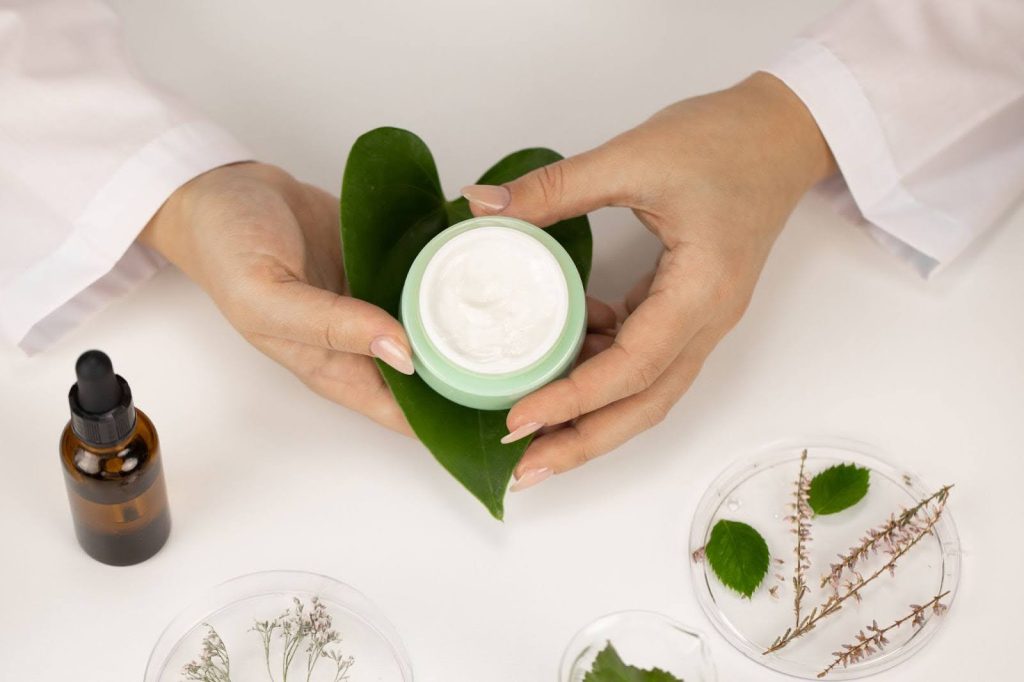
The move towards natural ingredients is palpable across the industry. Many brands are reformulating their products to include botanicals, essential oils, and certified organic components. For instance, companies like Burt’s Bees and Josie Maran have built their reputations on using plant-based ingredients that nourish the skin without harmful additives, such as parabens and sulfates. This focus on purity is resonating with modern consumers who are increasingly wary of synthetic chemicals and their potential effects on health and the planet.
Eco-Friendly Packaging: Reducing the Footprint
Equally significant is the trend towards eco-friendly packaging. Recognizing that plastic waste is a pressing concern, many brands are redesigning their packaging systems to incorporate recyclable and biodegradable materials. For example, brands like Aveda are leading the charge by producing packaging made from 100% recycled materials. Furthermore, some companies are even moving towards refill stations, reducing the need for single-use containers and encouraging a more sustainable consumption model.
Transparent Sourcing: Building Trust
Today’s consumers demand transparent sourcing practices. They want to know where their products originate and how they are made. Brands that openly share their supply chain processes are cultivating trust and loyalty among shoppers. A notable example is the company Kjaer Weis, which not only lists its ingredients but also provides detailed information about their sourcing and sustainability credentials. This level of transparency is becoming an expectation rather than a luxury.
The Market Demand for Sustainability
The urgency surrounding climate change and its consequences has compelled companies to innovate and rethink their traditional methods. Research reveals that 75% of millennials are now inclined to spend more on products that are sustainable, showcasing a significant shift that brands cannot ignore. This proactive mindset among consumers is driving the industry towards new standards of responsibility and authenticity.
As we delve deeper into this evolving landscape, the implications for both consumers and brands become clear. The demand for sustainability is not just about the products we choose; it represents a larger movement towards mindful consumption that is reshaping how businesses operate. For brands, adapting to these expectations is crucial for survival in an increasingly discerning market. By exploring the intricacies of this evolution, we gain a better understanding of how sustainability is not just shaping the future of skincare but redefining the entire beauty industry.
Dive Deeper: Click here to discover the latest in anti-aging therapies
Innovative Formulations: Beyond the Surface
The search for effective skincare is intertwined with the quest for sustainability. Brands are increasingly focusing on innovative formulations that not only meet performance expectations but also adhere to sustainable practices. This involves harnessing the power of nature through scientifically backed methods. For example, brands are now using biotechnology to create ingredients that mimic the benefits of popular but unsustainable resources, like coral or certain endangered plant species. These sustainable bioproducts provide a viable alternative that meets consumer demand without compromising the environment.
Vegan and Cruelty-Free Options: A Growing Standard
The rise of ethical consumerism has fueled the demand for vegan and cruelty-free skincare products. A growing segment of the market has responded by ensuring that their offerings are devoid of animal-derived ingredients and free from animal testing. In the United States, organizations like The Leaping Bunny Program provide certifications that guide consumers toward brands committed to these ethical practices. Not only does this reinforce animal welfare, but it also aligns with an increasing number of consumers who want their skincare routines to reflect their personal ethics.
Local Sourcing: Supporting Sustainability
Another significant trend in sustainable skincare is the shift toward local sourcing. Brands are recognizing the environmental impact of transporting ingredients across the globe and are leaning towards using local botanicals and produce when formulating their products. This not only minimizes carbon emissions associated with transportation but also strengthens local economies. Examples can be found in brands like Skinfix, which sources ingredients from local suppliers and focuses on community support, thereby creating a more sustainable supply chain.
Green Certifications: Navigating the Market
As the market becomes inundated with new players claiming sustainability, green certifications are becoming essential for consumers wanting to navigate this landscape. Certifications such as USDA Organic, EcoCert, and Fair Trade help add accountability and credibility to brands committed to eco-friendly practices. As consumers look to make informed choices, these certifications serve as important guideposts that signify a brand’s genuine commitment to sustainability.
Consumer Education: Empowering Decisions
To empower informed decisions, brands are increasingly engaging in consumer education about the importance of sustainable skincare. They are facilitating workshops, creating informative content on social media, and collaborating with influencers who advocate for eco-friendly practices. Additionally, many brands are utilizing their platforms to demystify the concept of sustainability, explaining ingredient sourcing, production processes, and the long-term benefits of choosing sustainable products. In this way, consumers are not just passive recipients but active participants in the movement towards sustainability.
As we observe these multifaceted changes, it becomes evident that the revolution in sustainable skincare products is not merely about creating greener alternatives. It encompasses a comprehensive transformation of the beauty industry, reshaping consumer expectations and redefining brand responsibilities. The ongoing evolution emphasizes that sustainability is integral to modern skincare, challenging brands to innovate while remaining accountable to both consumers and the planet.
| Category | Key Features |
|---|---|
| Natural Ingredients | Products made with plant-based and organic materials, free from harsh chemicals. |
| Eco-Friendly Packaging | Utilization of recyclable or biodegradable materials in packaging to reduce plastic waste. |
| Cruelty-Free Practices | Commitment to no animal testing and ethical sourcing of ingredients. |
| Transparency | Full disclosure of ingredient sourcing and production processes to promote consumer trust. |
The revolution of sustainable skincare products is not just a trend; it’s a transformative movement affecting consumer choices and industry practices alike. With an increasing awareness of environmental issues, consumers are gravitating towards brands that prioritize sustainability. The narrative around skincare is shifting, emphasizing the importance of using naturally derived components that are gentle on both skin and planet.Moreover, eco-friendly packaging solutions are becoming a hallmark of leading brands. Rather than contributing to the global plastic crisis, these products encourage a circular economy through recyclable and biodegradable materials. This shift not only benefits consumers but also positions brands as leaders in environmental stewardship.The demand for cruelty-free practices reflects evolving consumer values, pushing brands to adopt ethical practices. Transparency in ingredients and production becomes a focal point, paving the way for informed consumer choices while fostering trust. As more people embrace this ethos, the impact on the skincare industry is multifaceted, inspiring innovation and redefining beauty standards.
DISCOVER MORE: Click here to learn about the latest innovations
Packaging Innovations: Redefining Beauty
As part of the sustainability revolution, packaging innovations are transforming how skincare products are presented, used, and disposed of. Traditional packaging materials like plastic are gradually being replaced with eco-friendly alternatives. Brands are now integrating biodegradable, recyclable, and even compostable materials into their designs. For example, companies like Zero Waste Beauty offer skincare in reusable glass jars, while others leverage bioplastics made from sustainably sourced materials. This shift not only reduces waste but also enhances the overall consumer experience, making sustainability an attractive feature of the product itself.
Refillable Systems: Closing the Loop
The introduction of refillable systems marks a revolutionary step in the skincare industry, pushing towards a circular economy. Brands such as Aveda and Kiehl’s have pioneered refill programs that allow customers to return empty containers for a discount on future purchases. This initiative encourages consumers to participate in sustainability efforts by extending the lifecycle of their products. By reducing the need for new packaging with each purchase, refillable systems minimize waste and promote responsible consumption.
Transparency and Traceability: Building Trust
Modern consumers are increasingly demanding transparency and traceability in their skincare products. Brands are responding by providing detailed information about ingredient sourcing, production processes, and environmental impact. Initiatives like the “Farm to Face” concept in skincare emphasize a narrative where customers can trace the origin of their skincare ingredients back to sustainable farms. This demand for transparency not only fosters trust but also encourages brands to adhere to eco-friendly practices. For example, some companies use blockchain technology to ensure complete traceability in their supply chains, allowing consumers to verify the sustainability claims being made.
Community Engagement: Fostering Responsibility
As sustainability becomes a core value in the skincare world, community engagement is gaining traction. Brands are increasingly collaborating with local communities to source ingredients sustainably and ethically. Initiatives that educate communities on sustainable farming practices can have a profound effect on both product quality and social responsibility. A notable example is the partnership between SheaMoisture and women-led cooperatives in Africa, where local women harvest shea nuts, ensuring fair wages and empowering communities. By prioritizing community involvement, brands not only enhance their sustainability profile but also deepen their impact on social equity.
Scientific Research and Development: Driving Sustainable Practices
The rise of sustainable skincare is supported by heightened scientific research and development into environmentally friendly ingredients and production methods. Research institutions and beauty companies are forming partnerships to explore innovative alternatives to traditional synthetic ingredients, paving the way for cleaner formulations. Initiatives like the Green Chemistry movement aim to reduce hazardous substances in chemistry and promote the use of sustainable raw materials. The findings from such research guide product development, leading to formulations that are both effective and safe for the environment.
With these dynamic shifts, the sustainable skincare revolution goes beyond mere trends; it signifies a lasting transformation driven by consumer values and innovative practices. As brands lean into these changes, they not only cater to modern expectations but also redefine their role within a rapidly evolving beauty landscape. The revolution of sustainable skincare products illustrates the industry’s potential to innovate while nurturing the planet, fostering a beauty regime that reflects a commitment to environmental stewardship.
DIVE DEEPER: Click here to learn more
Conclusion: Embracing a Greener Future in Skincare
The revolution of sustainable skincare products represents a pivotal shift in the beauty industry, where ecological responsibility and consumer awareness drive innovation. As brands evolve to prioritize eco-friendly packaging, refillable systems, and ingredient transparency, they are not only meeting the demands of savvy consumers but also fostering a culture of sustainability. This movement highlights a growing recognition that the health of our planet and our skincare routines are intertwined.
Additionally, the merge of community engagement with sustainable practices emphasizes social responsibility, enhancing the ethical dimensions of beauty products. Collaborations with local communities and investments in scientific advancements underscore a collective effort towards a more transparent and equitable skincare landscape. With these practices in place, consumers can now choose products that reflect their values, ultimately leading to a broader impact on environmental conservation and social equity.
As we navigate through this transformative period, it is clear that the future of skincare will depend on continuous innovation and commitment to sustainability. By engaging in this revolution, brands hold the key to not only redefining beauty standards but also promoting practices that protect our Earth for generations to come. As a consumer, being informed and mindful about the products you choose paves the way for a more responsible and enriching beauty routine.
The evolution of sustainable skincare is much more than a trend; it is a movement that inspires us all to be advocates for the health of our planet while enjoying the beauty we cherish.
Related posts:
The Benefits of Natural Ingredients in Beauty Products: Myths and Truths
Trends in Customized Skincare Products: The Rise of Bespoke Beauty
The Influence of Technology on Skincare Product Formulation: Innovations and Advances
The Importance of a Nighttime Skincare Routine: Essential Products for Healthy Skin
The Evolution of Skincare Products: From Basic to Advanced
How Diet Influences the Effectiveness of Skincare Products

Linda Carter is a writer and beauty expert specializing in skincare routines, cosmetic ingredients, and holistic self-care practices. With extensive experience helping individuals achieve healthy, radiant skin and make informed beauty choices, Linda shares her knowledge on our platform. Her goal is to empower readers with practical advice and science-backed strategies for lasting beauty and skin health.