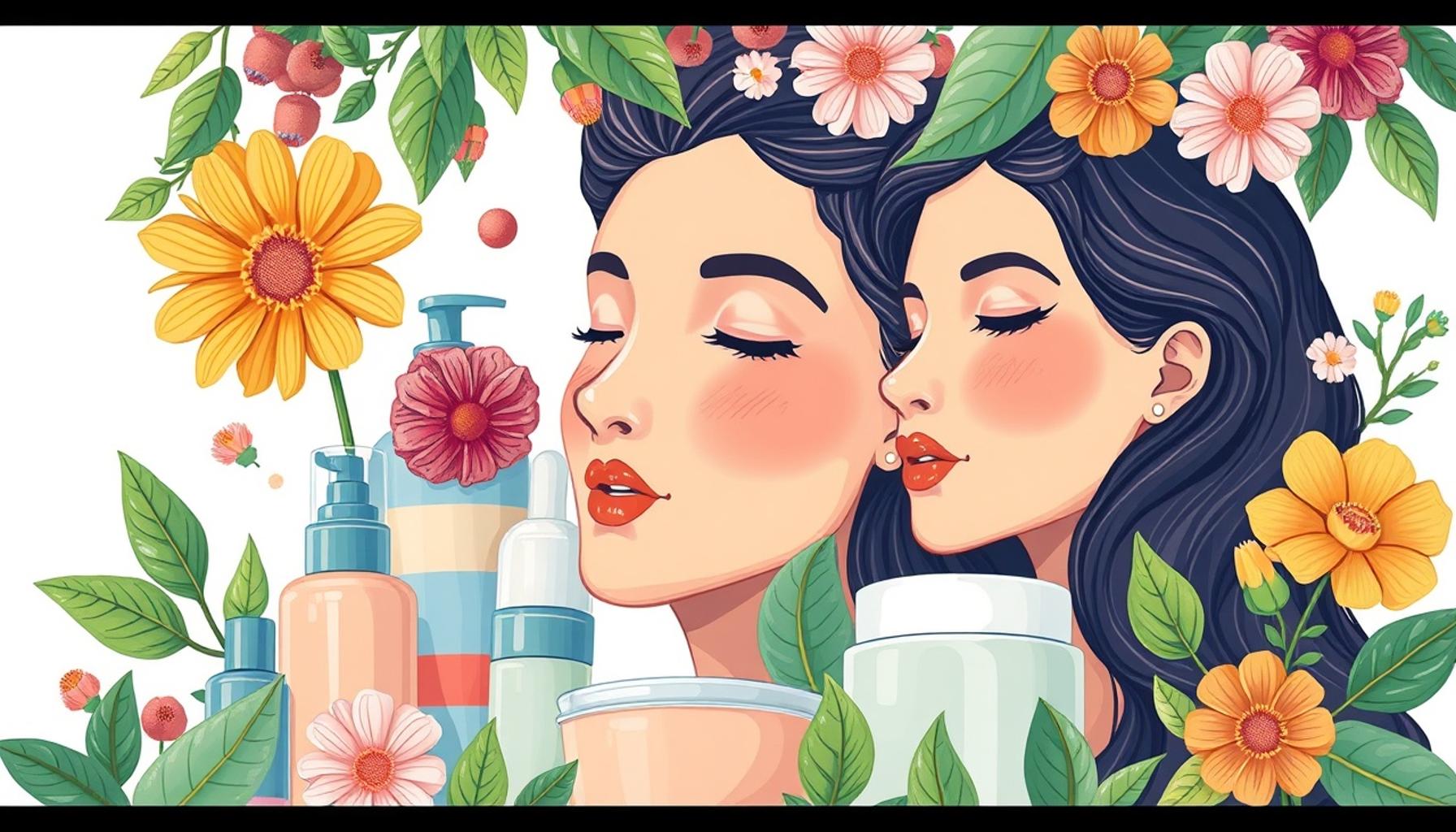
The Rise of Inclusive Skincare: Celebrating Diversity in Beauty Routines

The Importance of Inclusivity in Skincare
In an age where self-expression is paramount, the beauty industry is responding to the demand for inclusivity with a renewed vigor. The shift toward a more inclusive skincare approach reflects not just a market trend but a fundamental change in how society views beauty, identity, and individuality. The modern skincare landscape recognizes that every person is unique, and their skin reflects their diverse backgrounds, experiences, and needs.
Factors Driving the Inclusivity Movement
Several key factors contribute to this ongoing revolution in skincare. With the advent of social media and digital platforms, consumers now possess a greater awareness of the variety of skin types and tones across different populations. This has allowed for more informed choices when selecting skincare products that suit individual needs.
- Awareness: As discussions around race, gender, and inclusivity gain traction, consumers are more informed than ever about the need for products that cater to various skin types. Individuals are actively seeking brands that reflect their unique skin concerns.
- Innovation: Skincare brands are responding to this shift by developing products with wider formulations. For instance, the rise of tinted moisturizers and foundations with expansive shade ranges is a testament to the industry’s adaptability. Brands like Fenty Beauty have set industry standards by producing over 50 shades of foundation, catering to a broad spectrum of skin tones.
- Representation: The media plays a pivotal role in this inclusivity drive. Advertisements and campaigns now feature models of various ethnicities, skin colors, and ages, which resonate with a broader audience. This focus on representation not only fosters relatability but also empowers individuals to feel valued.
The Impact of Inclusive Skincare
Data indicates that approximately 60% of consumers prioritize inclusivity when making skincare product selections. People today seek tailored products that not only meet their skin’s unique demands but also create a sense of belonging in the beauty community. Brands like Dove and Neutrogena have made significant strides by crafting lines specifically for different skin conditions, such as rough, acne-prone, or sensitive skin.
- Tailored products: Companies now produce formulations that directly target specific conditions and skin types. For example, products designed for darker skin tones, which are often prone to hyperpigmentation, emphasize the importance of formulating solutions with these unique needs in mind.
- Inclusive marketing: As brands adopt inclusive marketing strategies, they not only showcase products but also tell powerful stories that highlight the diverse identities of consumers. By featuring a range of models, they enable potential customers to see themselves reflected in the advertisements.
- Accessible information: Many brands now provide educational resources that promote the importance of inclusive skincare. Through blogs, social media, and FAQs, consumers can learn about their skin and find solutions that cater to their specific needs.
Looking Ahead
As the beauty industry continues to embrace inclusivity, it raises essential questions about the future of skincare in a diverse society. The shift from generic products to personalized solutions signifies a commitment to a more equitable beauty industry. As consumers prioritize inclusivity, brands are increasingly compelled to innovate and adapt their offerings.
Ultimately, this commitment to welcoming every skin type and condition is more than just a business strategy; it’s a celebration of the multifaceted nature of human identity. As we move forward, the inclusive skincare movement has the potential to empower individuals, enabling them to express their identities boldly and authentically.
DIVE DEEPER: Click here to learn about the Skinimalism trend
The Evolution of Skincare Products
As inclusivity gains momentum, the skincare industry is witnessing a remarkable evolution in product offerings. This transformation is not merely a reaction to consumer demand; it represents a broader understanding of skincare science and an acknowledgment of the diverse needs of individuals across various demographics. Brands have begun to appreciate that a one-size-fits-all approach is outdated and ineffective in addressing the complexities of diverse skin types.
Formulation Innovation
The formulation of skincare products has become more sophisticated, catering to the unique demands of a wide array of skin types. For instance, darker skin tones often require formulations that address specific issues like hyperpigmentation and acne scars, which can differ significantly from concerns of lighter skin tones. Acknowledging these differences has led to the creation of products enriched with targeted ingredients that help remedy the specific needs of various demographics.
- Moisturizers: Brands are now offering moisturizers formulated differently for oily, dry, and combination skin, allowing consumers to find products tailored to their individual skin concerns.
- Sunscreens: Innovations in sunscreen formulations, such as those that leave no white cast, have made sun protection more accessible for people with deeper skin tones, emphasizing the importance of inclusivity in all product categories.
- Serums and Treatments: The rise of active ingredients tailored to specific skin issues found in diverse populations has led to the introduction of serums targeting conditions prevalent in certain groups, like melasma or post-inflammatory hyperpigmentation.
Consumer Expectations
Today’s consumers are savvier than ever and demand transparency and inclusivity from brands. According to a recent survey, over 70% of consumers are more likely to support brands that highlight diversity in their product lines and marketing. This shift in consumer expectations is influencing companies to adopt more inclusive strategies. The result is a marketplace where consumers can not only choose from a wide array of products but also feel a sense of connection and validation in their choices.
- Feedback Loops: Brands are leveraging social media to gather feedback and insights directly from consumers. This has led to faster iterations of products based on real-world experiences, creating a personalized shopping experience.
- Customization: Some companies are offering customizable skincare solutions, allowing individuals to choose formulations based on their unique skin profiles, fostering a deeper connection between consumers and brands.
- Community Engagement: Many brands are actively engaging with communities representing diverse skin needs, encouraging dialogue about skincare challenges and solutions that resonate with various groups.
As the industry pivots to embrace more inclusive practices, we observe a deeper connection between consumers and brands. The evolution of skincare products, combined with heightened consumer expectations, is setting the stage for a more equitable beauty landscape. This inclusive landscape not only champions diversity but also redefines what it means to care for one’s skin in a way that feels personal and empowering.
The Rise of Inclusive Skincare: Celebrating Diversity in Beauty Routines
Inclusive skincare is not merely a trend; it is a revolutionary shift toward embracing diversity in beauty routines. As consumers increasingly advocate for representation, brands are pivoting to cater to a myriad of skin types, tones, and conditions. This movement extends beyond just product lines—it encompasses an entire culture of beauty that redefines norms and fosters acceptance.
Understanding Diverse Skin Needs
The foundation of inclusive skincare lies in acknowledging that everyone’s skin is unique. Factors such as ethnicity, age, and environmental conditions greatly affect skin health. For example, products that hydrate and nourish dry skin may not be effective for those with oily skin. Brands are responding by conducting research and developing formulations that cater specifically to underrepresented groups. This not only addresses skin concerns more effectively but also promotes a sense of belonging among consumers who have been historically neglected in the beauty industry.
The Role of Education and Advocacy
Education is an invaluable aspect of this inclusive movement. Brands are investing in workshops, online tutorials, and influencer partnerships to educate consumers about the diverse products available. Such initiatives aim not only to inform but to empower individuals to make choices that suit their specific skincare needs. Advocacy can also be seen in the rise of brands that prioritize sustainable practices, further intertwining social responsibility with beauty.
Media Representation and Real Life Examples
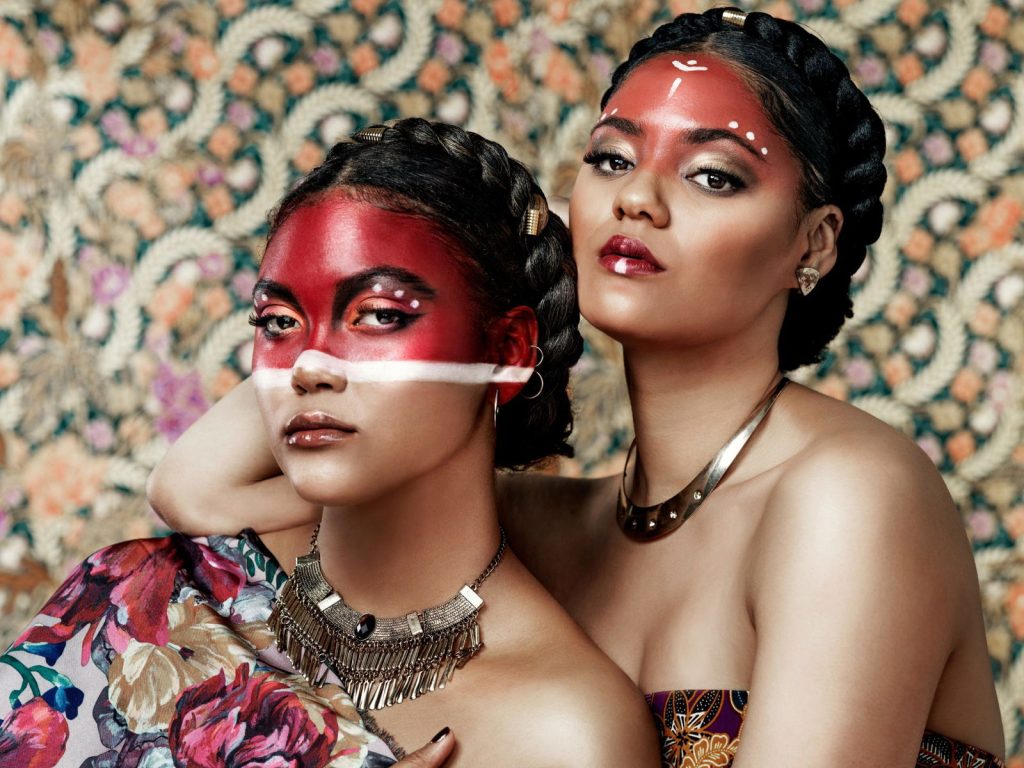
The impact of media representation cannot be overstated. Campaigns now showcase models of all skin tones, types, and backgrounds, illustrating real beauty that resonates with a wide audience. High-profile examples, such as Fenty Beauty or Glossier, emphasize the importance of diversity in the products they offer and the models they feature. These brands demonstrate that inclusivity can drive successful business models while creating a greater impact on societal norms around beauty.To encapsulate the essence of this evolution, an organized approach through educational resources, customer feedback, and brand responsibility can help shape a future where inclusion is an enduring standard rather than a fleeting trend.
| Category | Key Features |
|---|---|
| Diverse Product Formulations | Tailored ingredients to cater to various skin types and tones. |
| Representation in Marketing | Inclusive campaigns showcasing real models from different backgrounds. |
As inclusivity in skincare continues to grow, the awareness and appreciation of diverse beauty will undoubtedly pave the way for a more equitable industry, one where every individual’s needs are acknowledged and celebrated.
DISCOVER MORE: Click here to learn about sustainable skincare trends
The Role of Representation in Marketing
In recent years, the beauty industry has begun to recognize an essential fact: representation matters. The push for inclusive skincare isn’t only about product formulation; it’s about how brands portray diversity in their marketing campaigns. Consumers want to see real people with various skin types, tones, and backgrounds reflected in advertising. This shift is not only driven by consumer demand but also by a growing awareness of social responsibility within the industry.
Authentic Storytelling
Brands that embrace authentic storytelling resonate more deeply with their audiences. Niche skincare labels are springing up, celebrating the unique narratives of individuals with diverse backgrounds. For example, the brand Fenty Skin, launched by beauty mogul Rihanna, has been lauded for not only offering products suitable for all skin types but for its campaigns that include a broader spectrum of consumers. Through storytelling, Fenty invites customers to relate to the brand viscerally, making products feel more personal and effective.
- Crossover Campaigns: Collaborations between skincare brands and influencers from various cultural backgrounds have become increasingly important. These partnerships ensure not just visibility, but also that the products being promoted genuinely address the unique skincare needs of their audiences.
- Customer-Centric Ads: A notable trend is the use of customers in advertisements. Real people are now featured in product promotions, as brands understand that consumer relatability can drive purchasing decisions.
- Diverse Models: Beyond using models of various ethnicities, brands are focusing on showcasing individuals with different skin concerns, such as eczema or acne, representing a wide range of beauty.
Building Trust Through Transparency
As consumers increasingly demand information about product formulations, brand ethics, and manufacturing processes, transparency has taken center stage. Brands that prioritize ethical sourcing, cruelty-free testing, and sustainable packaging are finding favor among consumers who value a holistic approach to skincare. A survey revealed that 85% of consumers would pay more for products from brands committed to ethical practices.
- Ingredient Transparency: Clear labeling that outlines beneficial ingredients and potential allergens builds consumer trust. Brands like Youth To The People have excelled in this area, offering detailed breakdowns of each ingredient’s benefits on their packaging.
- Inclusivity Beyond Skin: Leading brands are expanding their definitions of inclusion. For instance, recognizing that skincare concerns also exist among individuals with disabilities, many are developing accessible products tailored for all users, ensuring no one is left behind.
- Consumer Education: Providing informative content about product benefits through blogs or social media gives customers knowledge and confidence in their choices, making them feel empowered rather than overwhelmed.
With representation and transparency working hand in hand, the landscape for inclusive skincare continues to evolve, inviting consumers to engage with brands that genuinely reflect their diverse stories. In this newfound era, skincare is not just a routine—it’s an empowering journey where every individual can find their unique place in the beauty narrative. As this paradigm grows, we anticipate groundbreaking innovations and heartfelt stories that collectively redefine beauty in the skincare industry.
DISCOVER MORE: Click here to learn about the latest techniques
Conclusion: A New Era of Skincare Inclusivity
The rise of inclusive skincare marks a transformative shift within the beauty industry, reshaping how consumers engage with their skincare routines. As brands embrace diversity and strive for representation, they not only cater to a broader audience but also foster a sense of belonging among individuals who have long been marginalized in traditional beauty narratives. This movement towards inclusivity is not merely a trend but a vital response to an increasingly diverse consumer landscape, where every skin type, tone, and unique condition deserves recognition and respect.
Furthermore, the emphasis on ethical practices and transparency is setting new standards for consumer trust. Brands that prioritize ingredient honesty, sustainable practices, and accessible products showcase a commitment to holistically improving consumers’ lives, making skincare an empowering choice rather than just a routine. Studies illustrating that 85% of consumers are willing to invest in ethical brands underscore a collective desire for accountability and responsibility in the beauty market.
As we look to the future, the evolution of inclusive skincare opens the door for innovation and collaboration. It invites brands to tell stories that resonate deeply with varied audiences and encourages consumers to participate actively in the beauty dialogue. The real winners in this narrative are the individuals who can see themselves represented, celebrated, and cared for in a traditionally exclusive space. With ongoing advancements, the beauty industry is on the path toward a more just and inclusive approach—one that reminds us that every skin is beautiful.
Related posts:
The Influence of Social Media on Current Beauty Trends
The Impact of Social Media on New Makeup Trends
The Rise of Sustainable Beauty Products: Ecological Trends in 2023
The New Era of Personalized Perfumes: Customized Fragrances for Every Style
Trends in Minimalist Makeup: Less is More in 2023
Trends in Inclusive Makeup: Celebrating the Diversity of Shades and Textures

Linda Carter is a writer and beauty expert specializing in skincare routines, cosmetic ingredients, and holistic self-care practices. With extensive experience helping individuals achieve healthy, radiant skin and make informed beauty choices, Linda shares her knowledge on our platform. Her goal is to empower readers with practical advice and science-backed strategies for lasting beauty and skin health.