The Role of Antioxidants in Preventing Skin Aging
Introduction
In the ongoing journey toward maintaining youthful skin, antioxidants play a crucial role in mitigating the effects of skin aging. These remarkable compounds operate at a cellular level to combat oxidative stress—a significant factor in skin degradation that is accelerated by various internal and external pressures. By understanding the mechanisms through which antioxidants function, individuals can reveal the secrets to a healthier and more vibrant complexion.
At their core, antioxidants are responsible for neutralizing free radicals. These unstable molecules, which can originate from environmental factors such as pollution, UV radiation, and even lifestyle choices like smoking, lead to cellular damage over time. The following key features underscore the importance of antioxidants for skin health:
- Protection: Antioxidants act as a protective shield, defending skin against harsh environmental stressors. For instance, antioxidants can mitigate the damaging effects of UV rays from sun exposure, which is notorious for accelerating skin aging.
- Repair: They actively assist in the repair of damaged skin cells. This function is vital in promoting a more rejuvenated appearance, helping to smooth out imperfections and restore skin’s natural glow.
- Hydration: Antioxidants play a significant role in retaining moisture within the skin, contributing to a plump and youthful look. Enhanced hydration leads to a more resilient skin barrier, which is essential for overall skin health.
A plethora of food sources and skincare products are abundant in antioxidants, making them accessible for inclusion in daily routines. Here are a few notable antioxidants that can have a transformative impact:
- Vitamin C: Renowned for its ability to brighten and even skin tone, this powerful vitamin also stimulates collagen production, a protein essential for maintaining skin elasticity.
- Vitamin E: This nutrient not only provides hydrating benefits but also offers protection against harmful UV rays, effectively reducing the risk of photoaging.
- Coenzyme Q10: A natural antioxidant produced by our bodies, it supports energy production within skin cells. Increased levels of Coenzyme Q10 are linked to reduced fine lines and improved overall skin texture.
By incorporating these antioxidants into skincare routines and diets—think of enjoying a vibrant salad rich in tomatoes, avocados, and spinach or using a serum packed with Vitamin C—individuals can significantly enhance their skin’s defense mechanisms against signs of aging. As research continues to unfold, delving deeper into the myriad benefits of antioxidants may reveal even more exciting strategies for preserving youthful, radiant skin.
DIVE DEEPER: Click here to discover how stress affects your skin
The Impact of Antioxidants on Skin Health
As the quest for youthful and radiant skin continues, the spotlight inevitably falls on antioxidants, the unsung heroes of skincare. To fully appreciate their significance, it is essential to understand how they function to combat the visible signs of aging. Skin health is often a reflection of a well-balanced lifestyle, which includes nutrition, hydration, and properly chosen skincare products, all of which can be enriched with antioxidants. These mighty compounds serve multiple functions, making them indispensable allies in the battle against skin aging.
Oxidative stress is a term that describes an imbalance between free radicals and antioxidants in the body. When free radicals dominate, they inflict damage on lipids, proteins, and even DNA, leading to premature aging and various skin ailments. This damage manifests in several ways, including fine lines, wrinkles, loss of elasticity, and uneven skin tone. Recognizing these impacts emphasizes the necessity of integrating antioxidants into our daily regimen.
The Mechanisms Behind Antioxidants
So, how precisely do antioxidants mitigate these aggressive free radicals? Here are a few key mechanisms:
- Radical Scavenging: Antioxidants work by neutralizing free radicals. By donating an electron, they stabilize the radical, preventing further cellular damage.
- Inflammation Reduction: Many antioxidants possess anti-inflammatory properties that help reduce skin redness and irritation. This can lead to a more even and healthy complexion.
- Stimulation of Skin Regeneration: Antioxidants like Vitamin C not only protect against damage but also promote collagen synthesis and cellular repair, leading to skin that looks younger and more vibrant.
Given these mechanisms, including vibrant sources of antioxidants in your diet becomes not just an option but a necessity. Foods rich in antioxidants—like berries, nuts, dark chocolate, and vibrant leafy greens—serve as delicious weapons in your skincare arsenal. Moreover, certain topical formulations fortified with antioxidants can offer additional benefits, providing an extra layer of protection against environmental aggressors.
Why Antioxidant Diversity Matters
Not all antioxidants are created equal, and a diverse range can offer complementary benefits. For example, Resveratrol, found in red wine, not only provides antioxidant support but also enhances skin hydration. Another potent antioxidant, Beta-Carotene, which is prevalent in carrots and sweet potatoes, promotes healthy skin cell turnover. By incorporating a variety of antioxidants into your routine, you maximize your skin’s defense against aging and enhance its overall health.
In summary, the incorporation of antioxidants into both dietary and skincare practices serves as a vital strategy for preventing skin aging. Their multifaceted roles—ranging from protecting against free radicals to promoting cellular rejuvenation—underscore their undeniable importance in the pursuit of a youthful appearance. As research continues to evolve, the understanding of these powerful compounds will undoubtedly lead to the development of even more effective strategies to preserve the skin’s vitality.
| Antioxidants | Benefits for Skin Aging |
|---|---|
| Vitamin C | Boosts collagen production and reduces fine lines. |
| Vitamin E | Protects skin from UV damage and enhances skin hydration. |
| Beta-Carotene | Reduces skin redness and improves overall tone. |
| Coenzyme Q10 | Enhances skin cell energy and protects against oxidative stress. |
| Selenium | Reduces inflammation and promotes skin elasticity. |
Antioxidants play an essential role in maintaining youthful skin by combating oxidative stress caused by free radicals. As we age, our skin becomes more susceptible to damage from environmental factors such as pollution and UV radiation. This can lead to premature aging, including wrinkles, age spots, and loss of firmness. By incorporating antioxidants into our skincare routines, we can help protect our skin cells from this damage.Moreover, several studies have shown that topical applications of antioxidants can enhance the skin’s resilience and improve its overall appearance. Products enriched with antioxidants not only provide essential nutrients but also help in repairing the skin at a cellular level. Thus, understanding the different types of antioxidants and their specific benefits is crucial for anyone looking to *prevent skin aging* effectively.
DIVE DEEPER: Click here to discover more
Practical Applications of Antioxidants in Skincare
While understanding the science behind antioxidants is vital, the real magic happens when we apply this knowledge to our daily routines. As consumers become more savvy about skincare, recognizing how to leverage the potency of antioxidants can create a transformative effect on skin health and appearance. From dietary choices to tailored skincare products, the integration of antioxidants offers practical solutions to combat visible skin aging.
Topical Antioxidants and Their Benefits
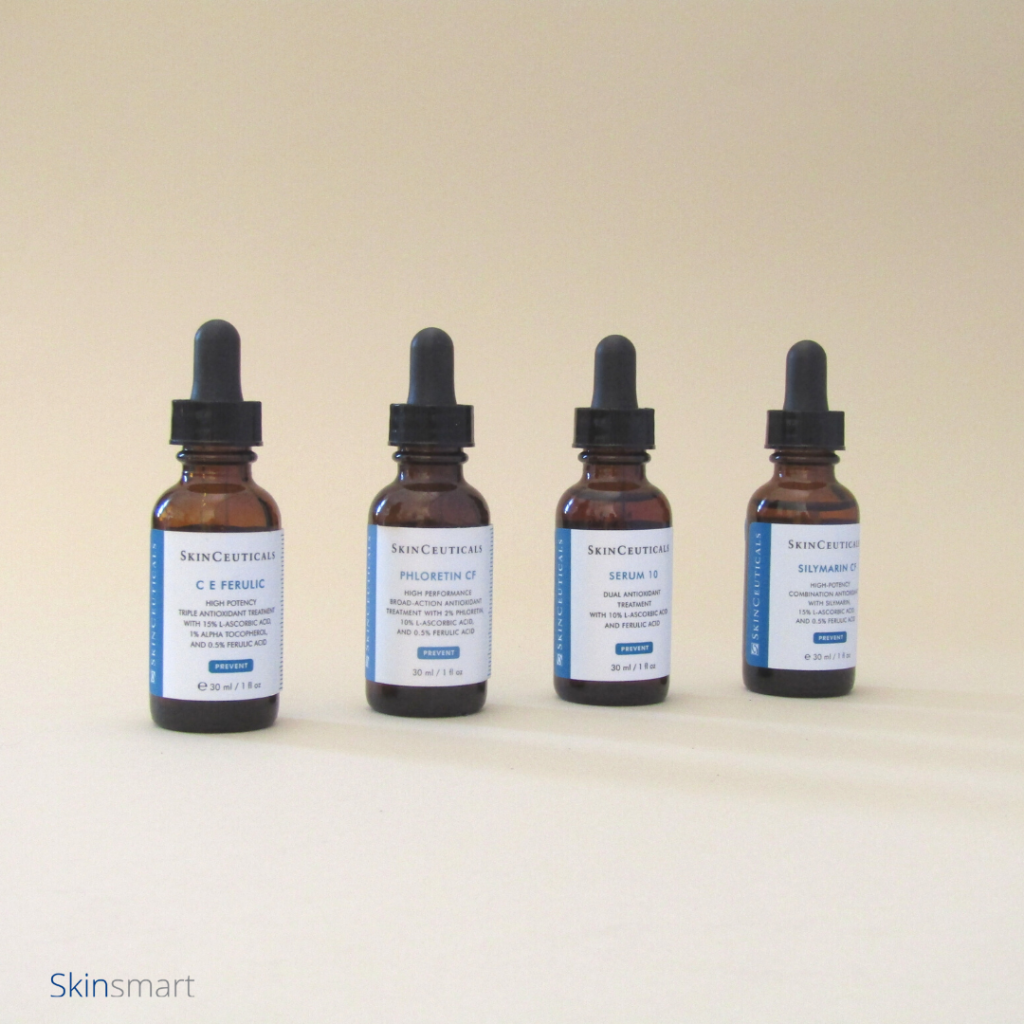
Topical skincare products enriched with antioxidants are specifically designed to penetrate the skin’s barrier and provide direct protection. Ingredients like Vitamin E, Coenzyme Q10, and Green Tea Extract can be found in serums, creams, and even sunscreens. Each of these antioxidants brings unique benefits:
- Vitamin E: Known for its moisturizing properties, Vitamin E aids in lipid retention and combats oxidative stress simultaneously, making it an essential component for dry or aging skin.
- Coenzyme Q10: This powerful antioxidant plays a crucial role in cellular energy production while reducing the appearance of fine lines, giving skin a firmer and plumper look.
- Green Tea Extract: Rich in polyphenols, this extract not only provides antioxidant benefits but also offers anti-inflammatory properties, making it effective in soothing sensitive skin.
For optimal results, it’s essential to choose products that contain stable and potent forms of these antioxidants. For example, the thiol form of Vitamin C, known as Ascorbyl Palmitate, is more stable and less likely to oxidize, providing long-lasting benefits to the skin.
The Role of Sunscreen and Antioxidants
It’s no secret that exposure to harmful UV rays accelerates skin aging. However, incorporating antioxidants into your sunscreen can significantly enhance its protective capacity. Antioxidants work synergistically with SPF to create a double defense against photoaging. Ingredients such as Ferulic Acid and Nicotinamide not only protect against UV-induced damage but also improve skin texture and tone when combined with traditional sun protection. Using these fortified sunscreens daily can lead to healthier skin over time.
Dietary Antioxidants: A Complementary Approach
While topical applications are essential, the foundation of healthy skin begins from within. Consuming a diet rich in antioxidants can enhance your skin’s overall health. Foods such as blueberries, kale, and tomatoes contain high levels of vitamins and minerals that promote skin vitality. Interestingly, certain foods containing carotenoids, like spinach and pumpkin, contribute to skin’s color and texture, offering a natural glow.
Additionally, some research indicates that incorporating omega-3 fatty acids, found in fish and flaxseed, can enhance skin’s barrier function and provide further protection against oxidative stress. Understanding the link between diet and skin health underscores the importance of holistic care in combating aging.
Incorporating antioxidants into both skincare routines and diets presents a formidable strategy against skin aging. As both consumers and skincare enthusiasts become increasingly aware of these benefits, the potential for improving skin health through these powerful compounds remains a topic ripe for exploration and experimentation.
DISCOVER MORE: Click here to learn how stress affects your skin
Conclusion: Embracing Antioxidants for Youthful Skin
In the quest for youthful and radiant skin, antioxidants emerge as powerful allies. Their role in preventing skin aging is multifaceted, encompassing both protective and rejuvenating properties. As outlined, incorporating topical antioxidants such as Vitamin E, Coenzyme Q10, and Green Tea Extract into our skincare regimens can significantly mitigate the harmful effects of free radicals and environmental stressors.
Moreover, the synergy between antioxidants and sunscreen further solidifies their importance in a comprehensive anti-aging strategy. By reinforcing UV protection, antioxidants not only combat photoaging but also enhance skin tone and texture, offering a dual defense that is essential for maintaining healthy skin.
Equally pivotal is the integration of dietary antioxidants into daily nutrition. The consumption of antioxidant-rich foods like blueberries, spinach, and omega-3 fatty acids creates a holistic approach to skin vitality. Research continuously highlights the interconnection between diet and skin health, underscoring that the benefits of antioxidants are best realized from within.
As we navigate through an era increasingly focused on skin wellness, the profound impact of antioxidants offers a beacon of hope for those seeking to preserve skin youthfulness. Embracing these powerful compounds through both topical applications and nutritional choices opens doors to a healthier complexion and a more vibrant life. With ongoing advancements in research, the journey to understanding and effectively utilizing antioxidants is a path worth exploring for any skincare enthusiast.
Related posts:
Anti-Aging Skincare Routines: How to Adapt Your Routine Over the Years
The Role of Nutrition in Preventing Skin Aging: Foods that Accelerate or Delay the Process
How Quality Sleep Affects Skin Aging and Solutions to Improve It
Lifestyle Techniques to Prevent Premature Skin Aging
The Role of Hydration in Maintaining Skin Elasticity Over the Years
The Advances of Science in Anti-Aging Treatments: What's New?

Linda Carter is a writer and beauty expert specializing in skincare routines, cosmetic ingredients, and holistic self-care practices. With extensive experience helping individuals achieve healthy, radiant skin and make informed beauty choices, Linda shares her knowledge on our platform. Her goal is to empower readers with practical advice and science-backed strategies for lasting beauty and skin health.