
The Role of Nutrition in Preventing Skin Aging: Foods that Accelerate or Delay the Process
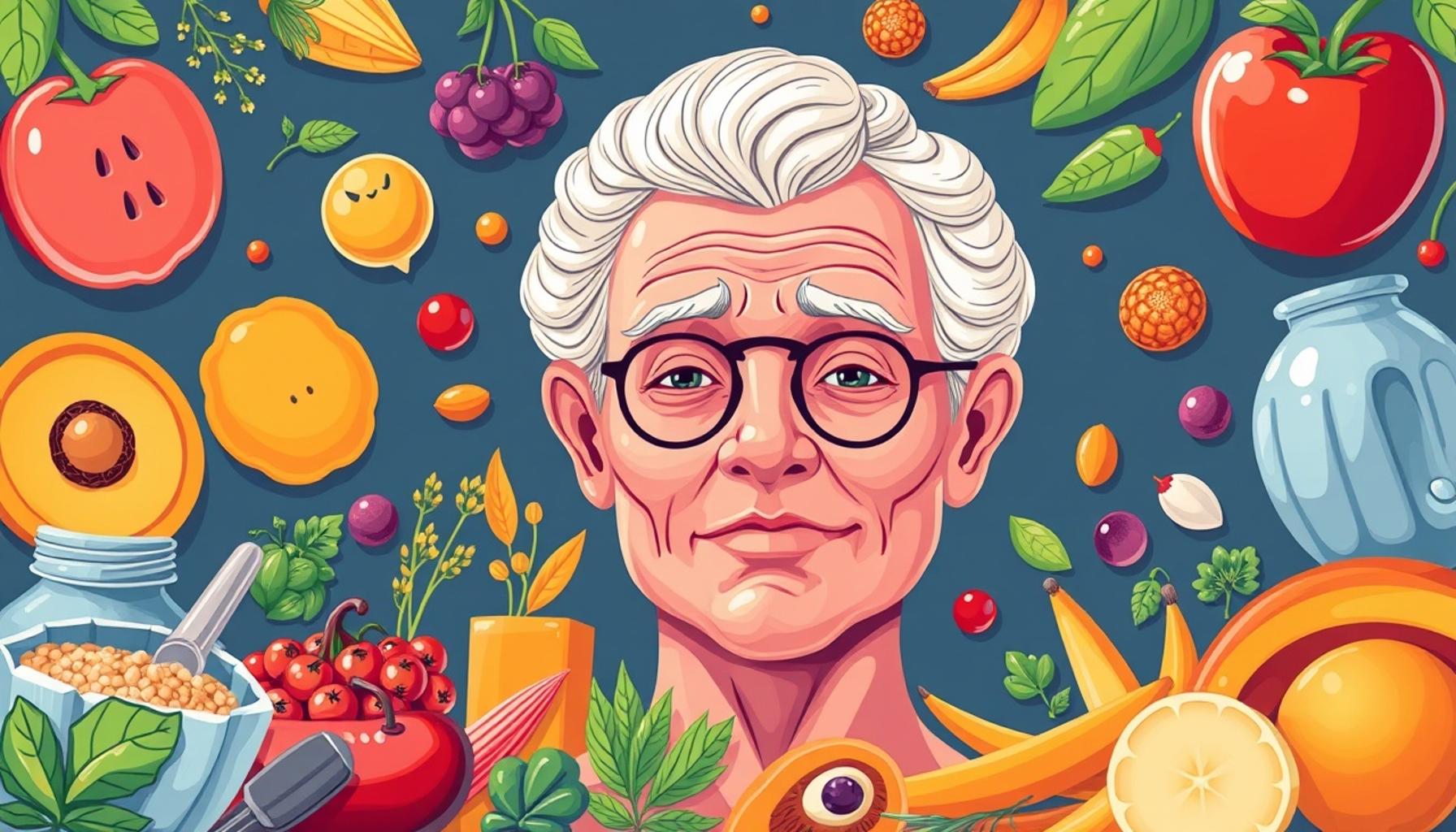
The Role of Nutrition in Skin Health
As we navigate through life, our skin encounters numerous environmental and biological stressors, from pollution to sun exposure, which can lead to visible signs of aging such as wrinkles, dryness, and loss of elasticity. The encouraging aspect of this aging process is that nutrition plays a vital role in mitigating these effects. By educating ourselves on the impact of various foods on skin aging, we can make informed dietary choices that promote healthier, more vibrant skin.
Power of Antioxidants
Among the most significant defenders against skin aging are antioxidants. These powerful compounds are prevalent in colorful fruits and vegetables, such as blueberries, spinach, and sweet potatoes. Antioxidants help neutralize free radicals—unstable molecules that can damage skin cells and accelerate aging. For instance, vitamin C, an antioxidant found in citrus fruits and strawberries, not only fights free radicals but also enhances collagen production, which is essential for maintaining skin’s firmness. Regularly incorporating these foods into your diet can have a profound effect on your skin’s appearance over time.
The Importance of Healthy Fats
Healthy fats are another critical component for maintaining youthful skin. Omega-3 fatty acids, which are abundant in fatty fish like salmon and walnuts, play a vital role in maintaining skin elasticity and hydration. These beneficial fats help form the skin’s lipid barrier, which retains moisture and keeps the skin plump. Furthermore, they possess anti-inflammatory properties that can help soothe irritated skin and reduce redness. Including sources of healthy fats in your meals, like avocado or chia seeds, can significantly enhance skin texture and tone.
Essential Vitamins for Skin Health
Pivotal in the quest for radiant skin are vitamins such as A, C, and E. Vitamin A, found in carrots and sweet potatoes, aids in skin cell turnover, leading to a fresher complexion. Vitamin E, typically present in nuts and seeds, works as an antioxidant that helps repair skin damage caused by UV exposure. Meanwhile, vitamin C not only aids in collagen synthesis but also brightens the skin by diminishing dark spots. A balanced intake of these vitamins can collectively delay signs of aging and improve overall skin health.
Dietary Culprits to Avoid
While many foods can promote skin health, some can have the opposite effect and accelerate aging. Processed sugars, commonly found in sugary snacks and beverages, can lead to a process called glycation. This process damages proteins like collagen and elastin, leading to premature wrinkles. Similarly, trans fats, often present in fast foods and baked goods, can promote inflammation, which may manifest on the skin as redness and puffiness. Alcohol is another common dietary concern; excessive consumption dehydrates the skin, resulting in a dull appearance and exacerbating existing skin conditions.

By understanding the nutritional elements that influence skin aging, we gain the power to take proactive measures in our diets. As we continue to explore this compelling topic, we unveil how daily food choices can profoundly enhance our skin’s vitality and potentially extend its youthful appearance, encouraging our readership to cultivate an informed and health-conscious approach to their dietary habits.
DIVE DEEPER: Click here to uncover the latest in contouring techniques
Nutrition’s Impact on Skin Aging
The link between what we consume and the state of our skin is increasingly supported by scientific research. As skin ages, it becomes more susceptible to damage from oxidative stress, inflammation, and environmental factors. Nutrition is a fundamental player in defending against these challenges and maintaining skin vitality. A thoughtful approach to dietary choices can offer powerful tools in the fight against signs of aging.
Key Nutrients for Skin Rejuvenation
To combat skin aging effectively, a diverse array of nutrients should be part of our daily diet. Notable among these are:
- Beta-Carotene – Found in carrots, sweet potatoes, and kale, beta-carotene is converted into vitamin A in the body, promoting skin renewal and repair.
- Polyphenols – These compounds can be sourced from green tea, berries, and dark chocolate. Polyphenols combat oxidative stress and improve skin hydration.
- Collagen – This protein is essential for skin structure. Bone broth and collagen supplements can support skin elasticity, reducing the appearance of fine lines.
Incorporating a variety of these nutrient-dense foods into your meals can substantially enhance your skin’s health and resilience. While supplements may promise rejuvenation, it is the whole foods that provide a synergistic effect on the body’s ability to repair itself.
The Role of Hydration in Skin Longevity
Adequate hydration is often overlooked when discussing nutrition and skin health. Water plays a critical role in maintaining skin moisture, buoyancy, and elasticity. Dehydrated skin tends to be more prone to wrinkles and sagging. The Institute of Medicine suggests a daily water intake of about 3.7 liters for men and 2.7 liters for women, which can involve both beverages and food sources. Fruits and vegetables with high water content, like cucumbers, oranges, and watermelon, not only hydrate but also offer essential vitamins and antioxidants.
Foods to Embrace for Youthful Skin
Certain foods have demonstrated remarkable effects in slowing down skin aging. These include:
- Fatty Fish – Rich in omega-3 fatty acids, fish like mackerel and sardines contribute to maintaining skin hydration and reducing inflammation.
- Leafy Greens – Spinach and Swiss chard are high in nutrients and antioxidants, providing a natural defense against environmental damage.
- Berries – Blueberries, raspberries, and strawberries are loaded with antioxidants that help combat free radicals, preserving skin integrity.
Focusing on the inclusion of these foods in your diet can significantly enhance not only your skin’s appearance but its overall health. As we explore further, it becomes clear that the dietary approach to skin care is not just a trend, but a lifelong commitment to nurturing our skin from within.
The Connection Between Nutrition and Skin Health
Nutrition plays a crucial role in determining the health and appearance of our skin. As we age, the body’s natural collagen production decreases, leading to sagging skin, wrinkles, and other signs of aging. However, specific foods can help mitigate this process. Antioxidant-rich foods are essential in fighting oxidative stress – a key factor in skin aging caused by free radicals. Consuming a diet high in fruits and vegetables, particularly those rich in vitamins C and E, can enhance skin elasticity and promote a youthful glow. For example, berries, citrus fruits, and leafy greens not only provide vital nutrients but also help in repairing damaged skin cells.Additionally, healthy fats play a pivotal role in maintaining skin hydration. Foods rich in omega-3 fatty acids, like salmon, walnuts, and flaxseeds, contribute to keeping the skin supple and reducing inflammation. This is particularly important as inflammation can lead to chronic conditions, accelerating the aging process.On the flip side, certain foods are known to accelerate skin aging. For instance, diets high in refined sugars and processed foods can lead to glycation, damaging collagen and elastin fibers that keep skin firm. Regular consumption of such foods can result in a dull complexion and increased wrinkle formation.Furthermore, adequate hydration is indispensable. Drinking plenty of water is fundamental for overall skin health. Hydrated skin appears plumper and more vibrant, reducing the visibility of fine lines.By making informed dietary choices, individuals can actively participate in preventing skin aging. As the exploration of nutrition’s impact continues, more innovative approaches to skincare through diet will emerge, offering excited possibilities for maintaining youthful skin. Below, a concise table highlights key nutritional categories that influence skin aging, providing a quick reference for readers seeking to optimize their diets for better skin health.
| Category | Key Features |
|---|---|
| Fruits and Vegetables | Rich in antioxidants, vitamins, and minerals |
| Healthy Fats | Promote hydration and reduce inflammation |
| Processed Foods | Increase glycation and skin aging |
| Water | Essential for skin hydration and elasticity |
As awareness about the relationship between diet and skin health grows, individuals are encouraged to revisit their eating habits and explore the influence of nutrition on their skin’s aging process. For a more radiant and youthful complexion, consider incorporating these beneficial foods into your daily routine.
DISCOVER MORE: Click here to learn about personalized perfumes
Foods That Harm Skin Health
While it’s essential to recognize the foods that promote skin rejuvenation, it’s equally crucial to be aware of those that can accelerate skin aging. Certain dietary choices can lead to skin harm, leaving it looking dull, dry, and aged prematurely. Understanding these food options can help in making informed choices about what to consume for optimal skin health.
Processed Sugars and Refined Carbohydrates
High intake of processed sugars and refined carbohydrates can have a detrimental impact on skin health. Foods such as white bread, pastries, and sugary treats can lead to a process known as glycation, where sugar molecules attach to proteins, including collagen and elastin, in the skin. This reaction results in the formation of advanced glycation end products (AGEs), which can damage skin structure and elasticity, acceleratng the appearance of fine lines and wrinkles. A 2018 study published in the Journal of Investigative Dermatology highlighted the association between high glycemic-index foods and increased signs of skin aging.
Trans Fats and Processed Foods
Another category to watch out for is trans fats, often found in processed and fast foods. These unhealthy fats not only contribute to inflammation but also disrupt the skin’s natural barrier function, making it more susceptible to moisture loss and environmental damage. Foods like margarine, fried foods, and packaged snacks commonly contain trans fats. A shift towards more whole and natural foods can combat the resultant inflammation and promote a healthier complexion.
Excessive Alcohol Consumption
Alcohol can also play a significant role in skin aging. Although moderate consumption may fit into a balanced lifestyle, excessive drinking leads to dehydration – a primary contributor to the skin’s decline in elasticity and smoothness. Moreover, alcohol can cause facial flushing and exacerbate conditions such as rosacea, leaving skin looking puffy and red. A study published by The American Journal of Clinical Nutrition indicates that heavy alcohol consumption can lead to noticeable skin aging compared to non-drinkers.
The Importance of a Balanced Diet
Maintaining a balanced diet is fundamental not only for general wellness but also for skin health. Incorporating damage-reducing foods while minimizing harmful options can create a synergistic effect, preserving skin vitality over the long term. Micronutrients such as vitamins C and E, zinc, and selenium play critical roles in protecting skin cells from oxidative stress. These nutrients can be found in a variety of fruits, vegetables, nuts, and seeds, fostering cellular repair and resilience against aging.
Furthermore, essential fatty acids found in nuts, seeds, and avocados contribute to skin barrier function and moisture retention. This is vital for maintaining a youthful appearance. The Mediterranean diet, renowned for its array of beneficial ingredients like olive oil, legumes, and fresh produce, serves as a great blueprint for skin-friendly eating patterns. Embracing diversity in food choices ensures a wide spectrum of nutrients, each contributing to skin health in unique ways.
Ultimately, the foundation for beautiful, resilient skin lies within dietary habits. By nurturing the body through balanced nutrition, we can forge a powerful alliance against the natural aging process, bolstering skin’s strength and longevity.
DISCOVER MORE: Click here to learn about the crucial role of sunscreen
Conclusion: A Nutritional Approach to Youthful Skin
In the quest for youthful, vibrant skin, nutrition emerges as a pivotal factor. As we’ve explored, the role of nutrition extends beyond merely satisfying hunger; it encompasses the very fabric of our skin’s health. Foods rich in antioxidants, essential vitamins, and healthy fats are proven allies in the fight against skin aging, while those laden with processed sugars, refined carbohydrates, trans fats, and excessive alcohol can significantly accelerate deterioration. Adopting a meticulous approach to diet empowers individuals to harness the potential of skin-friendly foods for healthier, more resilient skin.
The latest research reveals that antioxidants, such as those found in berries, green leafy vegetables, and nuts, can combat oxidative stress effectively, while omega-3 fatty acids from fish and nuts strengthen the skin barrier, enhancing moisture retention. Transitioning to a Mediterranean-style diet, which emphasizes fresh produce, olive oil, and whole grains, not only promotes overall health but serves as a blueprint for preserving skin vitality.
Yet, it’s vital to remember that achieving lasting results takes time and consistency. By making informed dietary decisions, individuals can cultivate a lifestyle that nurtures their skin as well as their overall health. Ultimately, investing in nutrition now means cultivating a glowing, youthful complexion for years to come. As you ponder your next meal, ask yourself: is this choice contributing to my skin’s future? The answer may hold the key to a timeless beauty.
Related posts:
How Quality Sleep Affects Skin Aging and Solutions to Improve It
The Advances in Anti-Aging Research: The Future of Skin Treatments
The Importance of Sunscreen in the Fight Against Signs of Aging
Facial Exercises: The New Trend to Rejuvenate Appearance
Lifestyle Techniques to Prevent Premature Skin Aging
The Influence of Nutrition on Skin Health and the Fight Against Aging

Linda Carter is a writer and beauty expert specializing in skincare routines, cosmetic ingredients, and holistic self-care practices. With extensive experience helping individuals achieve healthy, radiant skin and make informed beauty choices, Linda shares her knowledge on our platform. Her goal is to empower readers with practical advice and science-backed strategies for lasting beauty and skin health.