The Role of Strategy-Based Puzzles in Developing Critical Thinking Skills
Importance of Critical Thinking
In a world where information is abundant and readily available at our fingertips, the ability to process and analyze that information effectively is critical. As individuals navigate daily challenges, be it in their personal lives or in professional environments, critical thinking emerges as an essential skill. Engaging in strategy-based puzzles is one practical way to sharpen these skills, offering participants a rewarding and thought-provoking experience.
Enhancing Problem-Solving Abilities
Strategy puzzles, such as Sudoku, logic games, and board games like Settlers of Catan, demand players to assess situations, anticipate outcomes, and strategize effectively. This process not only enhances problem-solving abilities but also encourages individuals to break down complex problems into manageable parts. For instance, when playing chess, each player must evaluate possible moves considering both their own and their opponent’s strategies, fostering deep analytical thinking.
Boosting Cognitive Flexibility
One key hallmark of critical thinking is cognitive flexibility, the capacity to adapt one’s thinking to new and unexpected situations. Strategy-based puzzles, particularly dynamic settings such as escape rooms, challenge this flexibility. Participants must quickly shift perspectives and explore alternative solutions as they navigate through puzzles and riddles under time constraints. This flexibility is crucial not just in gaming but in real-life situations such as negotiations, where being able to pivot and reassess a strategy can lead to more favorable outcomes.
Encouraging Competitive Spirit
The competitive nature of strategy puzzles often ignites a drive to excel. Games like trivia competitions and online battle arenas bring out a competitive edge, pushing players to evaluate various strategies and solutions effectively. This exploration of multiple solutions not only cultivates a sense of rivalry but also underscores the value of teamwork and collaboration. For instance, team-based strategy games encourage members to communicate and test various ideas, which can nurture interpersonal skills alongside cognitive development.
Broader Applications
Research supports the notion that frequent engagement with strategy-based puzzles can enhance decision-making, creativity, and logical reasoning. Educational institutions across the United States have started incorporating these tools into their curriculums, providing students with frameworks for tackling complex real-world problems. Whether fostering a love for learning among children or enhancing professional development for adults, strategy puzzles serve as a vital resource in cultivating critical thinking.
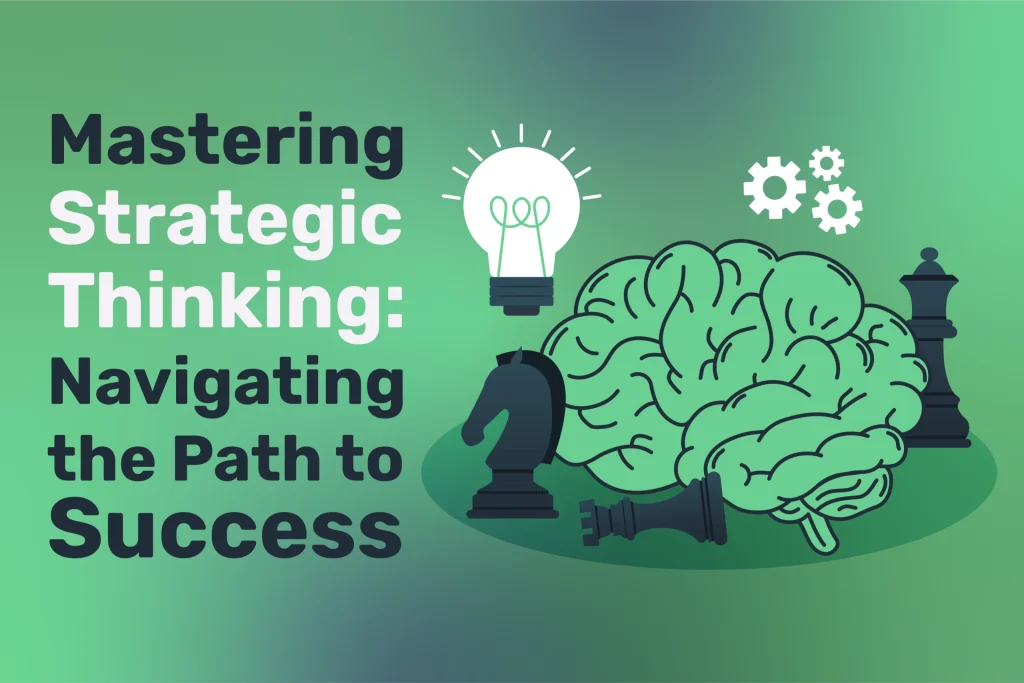
Ultimately, the allure of strategy-based puzzles transcends mere entertainment; they provide a unique environment for developing cognitive skills, enhancing one’s ability to navigate challenges in a systematic and innovative way. As society continues to evolve, embracing these tools for critical thinking will be indispensable for future generations.
DISCOVER MORE: Click here to learn how memory tests can enhance your daily life</p
Deepening Analytical Skills
Strategy-based puzzles are more than just a pastime; they are a gateway to enhancing analytical skills that play a critical role in the way individuals approach problems in everyday life. By diving into challenges such as crossword puzzles, chess, or even strategic video games, players are thrown into scenarios requiring meticulous thought, deliberation, and analysis. These activities compel individuals to dissect scenarios and draw connections, which is foundational for effective critical thinking.
Breaking Down Complex Scenarios
Engagement with strategy puzzles promotes a habit of breaking down complex scenarios into simpler elements. For example, when tackling a strategy board game, players cannot simply make random moves; they must analyze the board’s current state and consider potential future developments. This method of breaking down a situation allows players to develop logical reasoning skills, as they learn to identify factors that may influence outcomes.
- Identifying Patterns: Many puzzles rely on recognizing patterns, such as the number placements in Sudoku or moves in chess. This recognition leads to improved foresight and planning capabilities.
- Evaluating Risks: Players often have to weigh the risks and benefits of their moves, fostering a mindset geared towards thoughtful decision-making.
- Adapting to Changes: Just when a player thinks they have a plan, the unpredictable nature of opponents or puzzle mechanics forces them to reconsider their approach.
Teaching Consequences of Decisions
Another integral aspect of strategy-based puzzles is their ability to illustrate the consequences of decisions. Each move made in a game can lead to various outcomes – some good and some detrimental. By experiencing the repercussions of their strategies, players develop a deeper understanding that decisions, both big and small, have consequences in real life. This education in consequence fosters a more mindful approach to decision-making, encouraging players to prioritize careful consideration over impulsivity.
A striking example of this can be seen in games like Monopoly, where players must consider financial strategies that involve risks and rewards. The consequences of actions in the game mirror financial decisions made in real life, reinforcing critical thinking skills essential for adult tasks such as budgeting and financial planning.
As we delve deeper into the connection between strategy-based puzzles and critical thinking, it becomes clear that the skills honed through these engaging activities extend beyond mere enjoyment. They are crucial for navigating an increasingly complex world, preparing individuals to make informed decisions that can significantly impact their personal and professional lives.
The Role of Strategy-Based Puzzles in Developing Critical Thinking Skills
Engaging with strategy-based puzzles not only entertains but also serves as a powerful tool for enhancing critical thinking skills. These puzzles require individuals to analyze situations, anticipate outcomes, and make decisions through logical reasoning. By regularly solving these types of challenges, people can sharpen their analytical faculties, ultimately translating these skills into real-world applications.
Moreover, strategy puzzles such as chess, Sudoku, and logic games encourage players to evaluate multiple options before arriving at a solution. This deliberative process enhances a person’s ability to think critically under pressure, fostering a mindset of introspection and strategic planning. Additionally, the complexity of these puzzles often requires collaboration and discussion, encouraging learners to articulate their thought processes and reason through their decisions. This social component can further bolster critical thinking by exposing individuals to diverse perspectives.
Studies indicate that regular engagement with strategy-based puzzles can lead to improved cognitive functions, such as working memory and processing speed. These advancements are crucial for academic success and can greatly benefit individuals in various professional fields. For instance, engineers, scientists, and business leaders frequently rely on critical thinking to solve complex problems, and the skills honed through strategic puzzling practices can give them a significant edge.
| Advantage | Description |
|---|---|
| Enhanced Analytical Skills | Solving puzzles requires logical evaluation of options. |
| Improved Decision-Making | Puzzles train individuals to anticipate consequences before making choices. |
| Collaborative Learning | Engaging in discussions about strategies fosters diverse viewpoints. |
| Cognitive Function Improvement | Regular puzzle engagement can enhance memory and processing speed. |
In conclusion, incorporating strategy-based puzzles into educational curricula or personal development can yield significant benefits for individuals at any stage of life. As we navigate an increasingly complex world, fostering strong critical thinking skills through these engaging methods will empower individuals to tackle challenges with creativity and confidence.
DIVE DEEPER: Click here to discover how escape rooms boost team dynamics
Fostering Collaborative Skills
In addition to enhancing individual analytical prowess, strategy-based puzzles promote collaborative skills that are invaluable in both academic and workplace environments. Many of these puzzles encourage teamwork, requiring participants to combine their unique perspectives and skill sets to formulate effective strategies. The collaborative nature of such challenges can lead to the cultivation of critical thinking in a social context, where dialogue and teamwork are essential.
Encouraging Communication
When individuals work on strategy puzzles as a team, they are often required to articulate their thought processes and rationales to others. This exposure to shared problem-solving not only strengthens interpersonal communication skills but also reinforces critical thinking. For instance, players discussing optimal moves in a game of Settlers of Catan or strategizing ways to complete a challenging puzzle together must clearly express their ideas and respond thoughtfully to differing viewpoints. The outcome is a richer decision-making process, enhanced by diverse perspectives.
- Active Listening: Engaging in collaborative puzzle-solving encourages active listening, as participants must consider input from others before making decisions.
- Constructive Criticism: Working closely with others provides opportunities for offering and receiving constructive feedback, honing the art of evaluating ideas critically and effectively.
- Team Dynamics: Through strategic gameplay, players learn to navigate group dynamics, determining when to lead or support, which is essential in managing real-world projects.
Learning from Diverse Perspectives
A significant advantage of engaging with strategy-based puzzles collaboratively is exposure to diverse thinking styles and approaches. Each participant brings their unique strategies and backgrounds, which can uncover innovative solutions to problems that an individual might not have considered. For example, in a game like Pandemic, where players must work together to stop the spread of diseases globally, each player’s background knowledge or personal experience can contribute to more effective strategies. Such interactions teach players to appreciate diverse viewpoints, fostering an environment where critical thinking thrives.
Research indicates that teams that embrace diversity tend to solve problems more effectively than homogenous groups. A 2018 study published by Harvard Business Review highlighted that diverse teams not only produce higher levels of innovation but also bring fresh perspectives that fortify critical reasoning skills, essential for any strategic decision-making process. Strategy-based puzzles engage players in scenarios that simulate this dynamic, preparing them for real-world collaboration.
Building Resilience and Adaptability
The ever-changing nature of strategy puzzles also builds resilience and adaptability, two vital components of critical thinking. Players often face setbacks—a move that fails or a decision that backfires can lead to learning obstacles. This fosters a mindset geared towards evaluation and adaptation, encouraging participants to analyze what went wrong and how they can adjust their approach in the future.
For instance, in a game like Risk, when a player’s plan crumbles due to an unexpected alliance among opponents, the necessity to regroup and create a new strategy under pressure is paramount. Such resilience is directly transferable to the workplace, where adaptability and quick thinking can be the difference between success and failure.
As individuals become accustomed to the collaborative and adaptive nature of strategy puzzles, they cultivate a more profound capability for critical thinking, ultimately preparing them for the multifaceted challenges of modern life.
DIVE DEEPER: Click here to discover more
Conclusion
In summary, strategy-based puzzles serve as more than just a recreational activity; they are powerful tools in the development of critical thinking skills. Engaging in these puzzles challenges individuals to think critically, strategize effectively, and collaborate seamlessly with others. The benefits of enhanced analytical abilities, sharpened communication skills, and improved adaptability are essential components that can significantly impact both personal and professional realms.
Moreover, the collaborative nature of problem-solving in strategy puzzles promotes an appreciation for diverse perspectives, enriching the decision-making process. As players navigate complex scenarios together, they not only learn to articulate their thoughts but also hone their listening and feedback skills, which are crucial in today’s dynamic work environments. With research backing the assertion that diverse teams produce innovative solutions, it becomes evident that strategy puzzles may mirror real-world challenges, preparing participants for collaborative tasks they will face outside the game.
Ultimately, as we look for ways to cultivate a culture of critical thinking in education and workplace settings, incorporating strategy-based puzzles can be a strategic approach. Not only do these engaging challenges foster a love for learning and problem-solving, but they also build resilience and adaptability—traits vital to navigating an ever-evolving world. Therefore, embracing strategy puzzles enhances one’s critical thinking capabilities and equips individuals with the tools necessary to thrive in both collective and individual pursuits. The call to action is clear: dive into these strategic challenges and unlock the potential of critical thinking!
Related posts:
The Role of Online Brain Training Apps in Enhancing Cognitive Abilities
The Impact of Sudoku on Cognitive Flexibility
How Puzzles Enhance Problem-Solving Skills and Memory Retention
The Science Behind Brain Training Games: Do They Really Enhance Cognitive Function?
The Connection Between Mindfulness and Puzzle Solving in Enhancing Focus
The Influence of Escape Rooms on Team Collaboration and Cognitive Agility

Linda Carter is a writer and puzzle expert specializing in mind games, brain teasers, and cognitive challenges. With extensive experience helping individuals enhance their problem-solving skills and think critically, Linda shares her knowledge on our platform. Her goal is to empower readers with practical advice, engaging puzzles, and strategies to sharpen their minds and achieve success in the captivating world of mind games and puzzles.