Trends in Inclusive Makeup: Celebrating the Diversity of Shades and Textures
Embracing All Faces
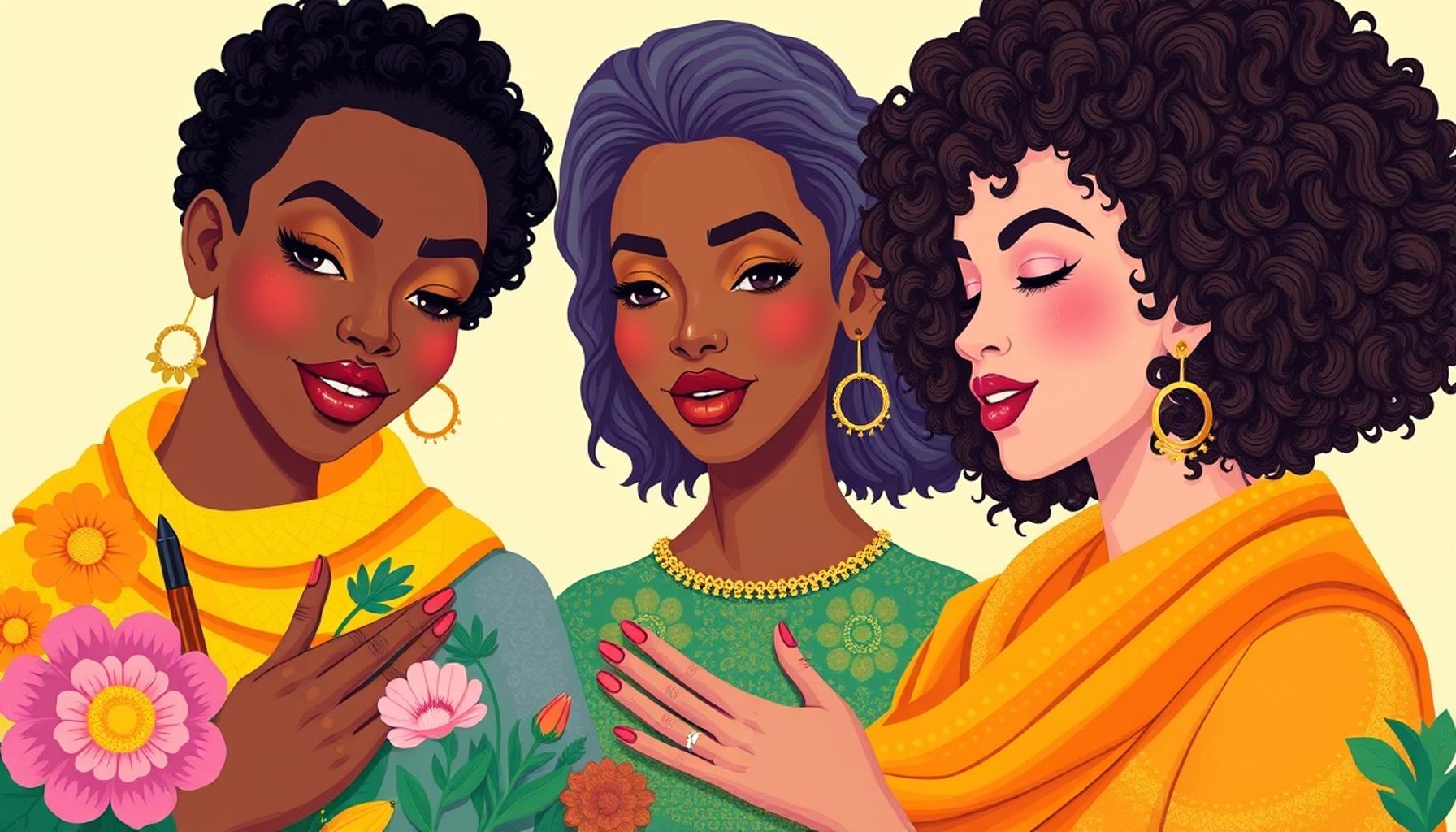
The beauty industry is currently experiencing a sweeping transformation as more brands embrace inclusive makeup. This shift not only acknowledges the vast diversity of shades and textures but also champions the notion that makeup should be accessible to everyone. With growing awareness, consumers are demanding products that cater to their unique needs and preferences, forging a path toward more representative beauty standards.
Why Inclusivity Matters
- Representation: The importance of representation in the beauty industry cannot be overstated. Celebrating different skin tones and textures allows individuals from various backgrounds to see themselves reflected in the products they use. For instance, brands like Fenty Beauty have made waves for offering 50 shades of foundation, which has set a new standard in the industry.
- Confidence: Inclusivity in makeup empowers individuals to express their identity without constraints. When people can find products that match their skin tones perfectly, it not only enhances their appearance but also boosts their self-esteem, allowing them to embrace their unique beauty. This empowerment is especially vital for individuals from historically marginalized communities.
- Awareness: As brands recognize the need for diversity, they encourage broader discussions about beauty standards and societal norms. This awareness is prompting consumers to question traditional ideals of beauty, paving the way for a more inclusive and accepting culture around personal presentation.
Consumers are increasingly on the lookout for products that genuinely reflect their complexion. Major brands are expanding their foundation ranges to include an impressive array of colors, ensuring that everyone can find their ideal match. Furthermore, innovative textures are being developed to cater to diverse skin types, from oily to dry, as well as unique needs such as sensitive skin.
Key Trends to Watch
- There is a noticeable surge in brands launching collections tailored for specific demographics. Whether it’s cosmetics for deeper skin tones or products specially formulated for specific concerns such as acne-prone skin, this targeted approach is changing how beauty is marketed.
- An increased focus on clean beauty and eco-friendly practices is reshaping the market. Consumers are becoming more conscious of the ingredients used in their products, leading brands to prioritize transparency and sustainability in their formulations.
- Interactive shopping experiences are becoming more prominent, allowing consumers to discover their perfect match more easily. Tools such as virtual try-ons and personalized quizzes are transforming the purchasing process, making it easier for consumers to find products that suit their individual needs.
As the call for inclusivity grows louder, it is essential to explore these emerging trends, which are shaping the narrative of beauty. Understanding how these developments will influence the industry provides insight into a more inclusive future in the makeup world, ultimately fostering a culture where everyone can feel beautiful in their skin.
DISCOVER MORE: Click here to learn why sunscreen is essential
Shifting the Paradigm
As the conversation around beauty evolves, the emphasis on inclusive makeup goes beyond merely creating a wider spectrum of shades. It embodies a movement that recognizes the individuality of every consumer, promoting products that honor and celebrate diversity in skin tones and textures. In recent years, brands have started to acknowledge the vast array of ethnicities and skin conditions among their customer base, leading to a significant transformation in product offerings.
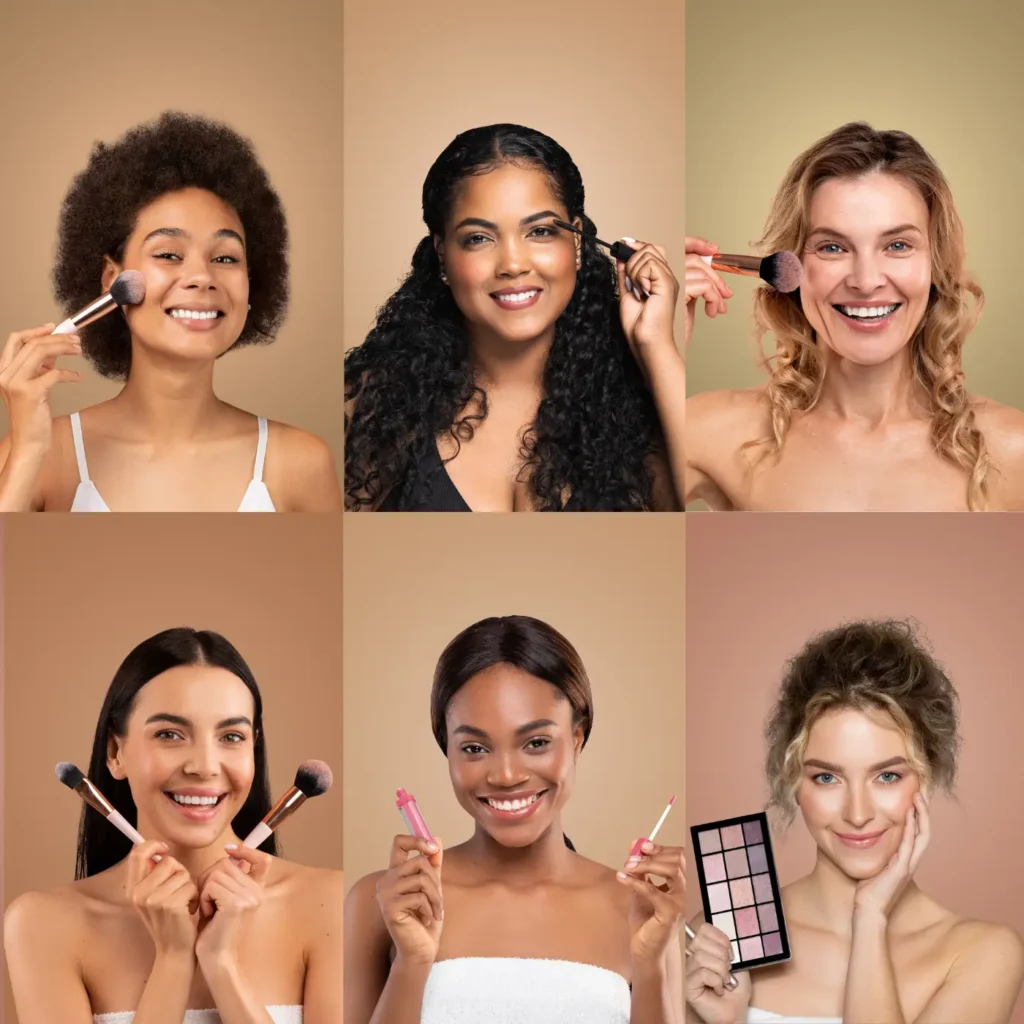
A pivotal factor in this shift is the desire for authenticity and relatability. Consumers want to see people who look like them represented in advertising, and they seek products that resonate with their personal experiences. Companies that prioritize this authentic representation are not just appealing to their existing consumer base, they are also attracting new clientele who are eager for products that cater to their unique needs.
Innovative Formulations for Unique Skin
The growth in inclusive makeup has sparked innovation in product formulation, as brands strive to create products that cater to various skin types and concerns. Here are some key trends reshaping the landscape:
- Inclusive Shade Ranges: Brands are rethinking their shade offerings, extending beyond the traditional light to medium spectrum. Now, makeup lines are incorporating shades suitable for deep, rich skin tones and complex undertones. Brands like Makeup Revolution and NYX have recently launched extensive lines that embrace diversity, reaffirming that every complexion deserves a complementary product.
- Customized Textures: With an emphasis on texture, companies are increasingly tailoring their products to accommodate different skin types, such as oilier, drier, or combination skin. Lightweight foundations, hydrating formulas, and mattifying options allow consumers to choose products that cater specifically to their needs, improving their overall makeup experience.
- Sensitivity Considerations: The demand for sensitive skin formulations is on the rise. Brands are now focusing on hypoallergenic ingredients, cruelty-free options, and clean beauty principles. This evolution not only reaches those who suffer from skin sensitivities but also appeals to a broader audience that values natural and ethically sourced items.
By embracing innovation, brands are leveling the playing field in the beauty sphere, ensuring that no one is left out. This new wave of conscious makeup development is empowering consumers to choose products that truly resonate with their identity and lifestyle.
Accessibility and Education
Accessibility is another crucial aspect of the inclusive makeup trend. Customers are increasingly seeking brands that not only offer a wider selection of products but also provide educational resources to assist them in finding their perfect match. Educational initiatives, such as tutorials on application techniques for different skin types, are becoming common among brands. This is particularly important in a landscape where many individuals may feel overwhelmed by an abundance of choices.
With these trends taking root, the narrative of beauty continues to expand, establishing a framework where all consumers can find their representation. This evolving approach signifies that the makeup industry is not just about tools for enhancement, but also about celebrating diversity and fostering confidence among individuals from all walks of life.
Trends in Inclusive Makeup: Celebrating the Diversity of Shades and Textures
The evolution of the makeup industry is being profoundly shaped by the demand for inclusivity, with brands responding to the varied skin tones and textures present in today’s society. As consumers increasingly advocate for more diverse offerings, makeup companies are expanding their ranges, resulting in a broader spectrum of shades and innovative textures. This shift not only enhances the consumer experience but also promotes a sense of belonging and representation for all. By focusing on inclusivity, brands are embracing the idea that beauty is not monolithic but a beautiful tapestry of individual shades and expressions.
One of the key trends emerging in this space is the emphasis on skin tone versatility. Brands are now offering makeup lines that cater to a wide variety of skin tones, ensuring that every individual can find a perfect match. The introduction of multiple undertones within foundation lines is particularly noteworthy, considering how crucial it is for the makeup to harmonize with the natural complexion. For example, Makeup Revolution has gained recognition for releasing foundations that span over 40 shades, reflecting the real diversity found in the population. This focus on personalized beauty products empowers consumers and reinforces the idea that everyone deserves to feel beautiful.
Furthermore, textural innovation within inclusive makeup is gaining momentum. Makeup brands are experimenting with formulas that cater to varying skin types and preferences. From luminous creams that celebrate natural skin’s radiant texture to matte finishes that cater to those with oily skin, the options are becoming more sophisticated. Brands like Fenty Beauty have pioneered this approach by providing products that not only cater to various shades but also redefine the texture quality; their Pro Filt’r Foundation, for instance, is celebrated for its adaptability to various skin types, ensuring a flawless appearance.
The beauty of trends in inclusive makeup lies in their ability to celebrate diversity on multiple fronts. As the industry continues to embrace this transformation, consumers can look forward to innovations that not only enhance their natural beauty but also amplify their unique narratives. The rise of inclusivity in makeup signifies more than just a marketing trend—it is a movement towards a more representative industry that honors and uplifts every individual’s beauty.
| Category | Details |
|---|---|
| Skin Tone Versatility | Range of shades and undertones for authentic matching |
| Textural Innovation | Formulas catering to various skin types and preferences |
DIVE DEEPER: Click here to discover minimalist makeup techniques
Embracing Representation through Partnerships
As brands seek to make meaningful strides in the realm of inclusive makeup, partnerships and collaborations are becoming pivotal in promoting representation. Various businesses have begun teaming up with influencers, makeup artists, and activists from underrepresented communities to ensure that the voices and needs of diverse consumers are heard. This includes initiatives that involve community-driven product development, where potential users provide input on formulations, color options, and marketing strategies.
For instance, brands like Fenty Beauty have set a benchmark by collaborating with individuals who possess intimate knowledge of diverse beauty needs. Their approach not only enhances product diversity but also fosters a genuine connection with consumers, as brand ambassadors reflect the people who use their products. These collaborations often extend beyond traditional marketing models, emphasizing shared experiences that resonate deeply within marginalized communities.
Diversity in Marketing Campaigns
Marketing strategies are witnessing a dramatic transformation, aligning more closely with the principles of inclusive representation. No longer relegated to a side note, diversity in marketing campaigns is increasingly being spotlighted as a vital aspect of brand identity. Companies are starting to feature models of all skin tones, shapes, and identities, moving away from previous industry standards that favored a narrow view of beauty.
Campaigns showcasing real-life stories and testimonials contribute to dismantling the conventional beauty stereotypes that have long dominated the industry. For example, the Always #LikeAGirl campaign not only empowers young women but also highlights the significance of inclusive dialogue surrounding beauty standards. This shift in marketing demonstrates that the beauty industry is beginning to reflect a more nuanced understanding of societal complexities, which resonates with consumers on a deeper level.
Community-Driven Initiatives and Activism
Moreover, community-driven initiatives are playing an empowering role in the movement towards inclusive makeup. Many brands are actively participating in charitable endeavors and social justice campaigns that advocate for beauty inclusivity. Companies are increasingly donating a portion of their profits to organizations that support women of color, LGBTQ+ rights, and those in marginalized communities. This alignment of brand values with social causes not only enriches the narrative of inclusivity in beauty but also encourages consumers to support brands that are committed to positive change.
Additionally, makeup events and workshops that focus on teaching makeup application techniques tailored to various skin tones and textures are gaining popularity. These events foster community engagement and provide education on how to tailor beauty routines more effectively. They also encourage participants to explore the breadth of inclusive products available, creating a supportive environment where diversity is celebrated.
Transparency and Sustainability
Another emerging trend in inclusive makeup is a commitment to transparency and sustainability. Consumers are increasingly scrutinizing not just product efficacy, but also brand ethics regarding sourcing, manufacturing processes, and the impact on the environment. Brands that prioritize sustainable practices, such as eco-friendly packaging and ethically sourced ingredients, are more likely to resonate with the values of conscious consumers.
This desire for transparency extends into the formulation itself, where consumers are seeking clarity regarding the ingredients that go into their makeup products. By promoting cleaner ingredients without compromising on performance, brands are aligning with the diverse desires of consumers who want quality products that also honor ethical standards.
Overall, the trends in inclusive makeup signify a dynamic evolution of the industry that prioritizes community, representation, and ethical practices. As more brands recognize the importance of catering to a broad spectrum of identities, the beauty landscape will continue to flourish, offering innovative solutions and embracing the uniqueness of each individual. The journey towards true inclusivity is ongoing, yet it promises to be one characterized by progress and empowerment.
DISCOVER MORE: Click here to learn how fragrance impacts your skincare experience
Looking Ahead: The Future of Inclusive Makeup
As we witness a significant transformation in the beauty industry, the trajectory of inclusive makeup continues to unfold in exciting and impactful ways. By embracing diversity in shades, textures, and experiences, brands are not only redefining traditional beauty standards but also cultivating an empowered community that celebrates individuality. This shift reflects a collective recognition that the richness of beauty lies in its variations, requiring companies to adapt and innovate in response to the diverse needs of consumers.
Moving forward, the integration of representation within product development will remain essential. As seen with partnerships that amplify underrepresented voices, the call for authenticity and inclusivity will only grow louder. Consumers today are not merely passive purchasers; they are educated advocates demanding transparency, sustainability, and ethical practices from brands. This evolving consumer landscape opens a pathway for brands to cultivate genuine connections through shared values, creating winning formulas that resonate with a broader audience.
The road ahead for inclusive makeup is paved with possibilities that extend beyond commercial success. It invites ongoing dialogue about individuality, acceptance, and social responsibility. As brands continue to embrace inclusivity within their core principles, they stand to not only enhance their market reach but also enrich the cultural narrative surrounding beauty. In turn, this encourages consumers to engage with and support initiatives that highlight the importance of diversity in every form.
Ultimately, the trends in inclusive makeup signify a promising chapter for both brands and consumers—a chapter that champions diversity and promotes a beauty industry where everyone feels seen, valued, and empowered. The future of beauty is here, and it celebrates the beautiful tapestry of human experience.
Related posts:
Trends in Minimalist Makeup: Less is More in 2023
The Influence of Generation Z on Beauty Trends: What Are They Seeking?
The Popularity of Natural Glow: How to Achieve Radiant Skin in 2023
The Influence of Social Media on Current Beauty Trends
The Rise of Inclusive Skincare: Celebrating Diversity in Beauty Routines
Sustainable Beauty: How Eco-Friendly Products Are Transforming the Skincare Market

Linda Carter is a writer and beauty expert specializing in skincare routines, cosmetic ingredients, and holistic self-care practices. With extensive experience helping individuals achieve healthy, radiant skin and make informed beauty choices, Linda shares her knowledge on our platform. Her goal is to empower readers with practical advice and science-backed strategies for lasting beauty and skin health.